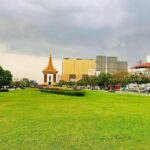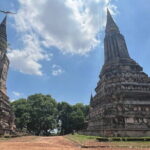
Bokor turns Phnom Penh into a distant memory. This private day trip trades city heat for misty heights, French hill-station leftovers, cliffside temples, and mountain viewpoints that feel slightly unreal. You’ll get hotel pickup and all sightseeing fees handled, so your biggest job is just showing up with a decent camera and comfy shoes.
What I like most is the mix: abandoned colonial ruins plus real temple scenery, not just one long stop after another. I also like that your guide brings context as you move through the day, so the sights connect instead of feeling like a checklist. The main drawback to consider is time: the drive and 8 to 10 hour schedule can feel long, and Bokor’s weather can turn cool or foggy, so you’ll want a layer ready.
In This Review
- Key highlights you’ll actually feel in the day
- From Phnom Penh to Bokor: what this private route is really like
- Kampot stop: a quick tone-setter before the mountains
- Bokor National Park: the big, rocky feel (and why 3 hours helps)
- Bokor Hill Station: French ruins, fog, and a slightly surreal mood
- Wat Sampov Pram: the cliff temple with big views
- Lok Yeay Mao Monument: quick photos with a sky-change moment
- Bokor Mountain Lake: quiet scenery, fog-friendly
- Popokvil Waterfall: nature with the added texture of old structures
- Phnom Chhngok Cave Temple: formal entry, proper stairs, and an old shrine
- Your guide and vehicle: why this private tour feels easier
- Cost and value: is $199 per person a good deal?
- Who this day trip is best for (and who might want something else)
- Smart packing tips for Bokor’s misty moods
- Should you book this private Bokor and Kampot day trip?
- FAQ
- How long is the Bokor National Park and Kampot private day trip?
- What does the $199 price include?
- Is lunch included?
- Do I need to pay for entry tickets at the stops?
- Is pickup available from my hotel in Phnom Penh?
- What’s the cancellation policy?
Key highlights you’ll actually feel in the day
- Cool mountain air and fog at the old hill station area, which changes how the ruins and viewpoints look
- Wat Sampov Pram on the cliff with big coastal views and a temple tied to King Monivong
- Bokor National Park for a full block of time, not a rushed roadside stop
- Phnom Chhngok Cave Temple with formal entry and proper stairs, plus a very old shrine inside
- A packed route of viewpoints (including Lok Yeay Mao Monument and Bokor Mountain Lake) that rewards early planning
- Comfort and logistics: private air-conditioned vehicle, English-speaking licensed guide, and pickup/drop-off included
From Phnom Penh to Bokor: what this private route is really like
This is one of those day trips where the drive matters as much as the stops. You start in Phnom Penh, then work your way up into Bokor’s cooler zone, where the air shifts and you start seeing the terrain change fast. It’s not just about reaching a single viewpoint. The day is built to move from town-side “warmth” into mountain atmosphere—mist, rock formations, and the eerie charm of old French leftovers.
Because it’s private, the pacing feels controlled. You’re not stuck waiting behind a bus-load of people for the next photo. You also get a proper English-speaking guide (licensed), which makes a difference in places like the hill station ruins and the cave temple, where names and time periods help you connect what you’re seeing.
The vibe is part nature day, part history day, and part “scenic stops with time to breathe.” If you like your Cambodia trips with variety—temples, waterfalls, viewpoints, and those strange in-between corners—you’ll likely enjoy this.
One practical point: lunch is not included. That’s typical for tours like this, but it’s worth planning for, especially since the day runs long. Your stops include several admission-paid sights, so you can expect most costs to be “covered,” but food is still your choice.
You can also read our reviews of more private tours in Phnom Penh

Kampot stop: a quick tone-setter before the mountains
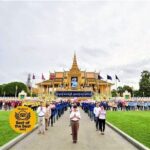
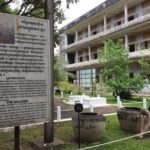
You start with a short stop in Kampot. The visit is brief, about 20 minutes, and admission is listed as free. Think of this as a breather stop and a transition moment rather than a full city tour.
Why it’s useful: Kampot is the gateway mood for this whole day. You get a taste of the region before the route climbs into Bokor’s higher elevations. If you’re sensitive to long rides, that first stop is a good way to reset. It also helps you get oriented before you leave the more familiar lowland rhythm behind.
If you’re hoping for a deep dive into Kampot’s streets or food scene, you won’t get that here. This is a “mountain-first” day trip.
Bokor National Park: the big, rocky feel (and why 3 hours helps)
Next comes Bokor National Park, with about 3 hours on site and admission included. This is the part of the trip where you start understanding why Bokor feels different from the rest of Cambodia.
You’ll see huge rocks jutting up out of the ground, and the terrain has this “microcosm” feeling of the countryside—different textures and moods packed into one area. It’s not the kind of park where you only see one thing and then leave. Instead, it gives you a broader sense of what the region is like.
The real value of the 3-hour block is timing. A national park stop that lasts only 30 minutes usually becomes “walk, snap, leave.” Here you can actually slow down a bit, follow your guide’s pace, and take in the way the rock formations and natural setting frame the rest of the day.
Comfort note: you’re moving through a mountain environment. Wear shoes you trust. If the weather is foggy, visibility can drop, so good footwear and patience help.
Bokor Hill Station: French ruins, fog, and a slightly surreal mood
Then you reach Bokor Hill Station for about 40 minutes, with admission included. This is one of the most atmospheric parts of the day, known for cool air and frequent fog—conditions that make the abandoned structures feel more haunting than they would on a bright day.
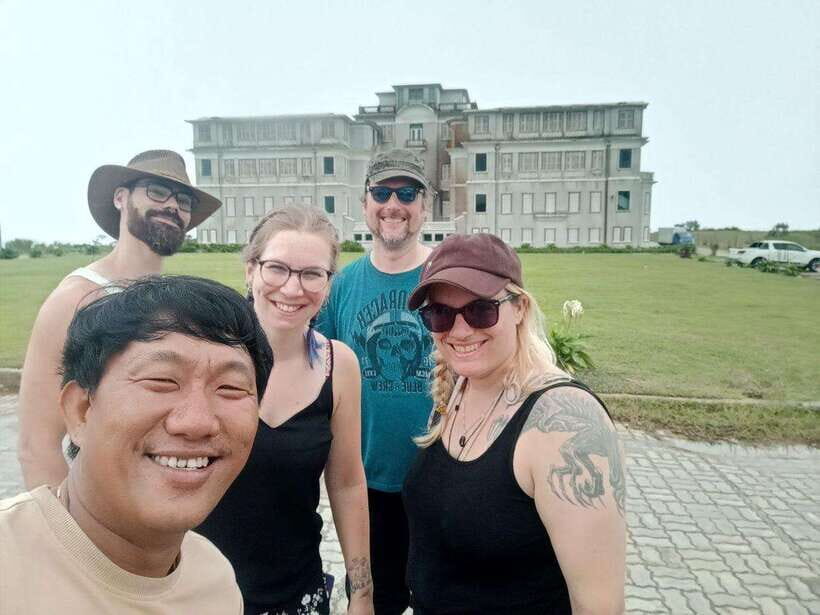
This is the old French hill station area, and you’re looking at remnants like an abandoned casino and other colonial-era structures. One small detail you’ll want to remember: the casino is described as being painted a different color, so it may not look exactly original. Still, the setting does the work. The fog and the ruined geometry of the buildings make the place feel like a time capsule.
Practical drawback: this stop is short. Forty minutes is enough for photos and a quick “walk and look,” but it won’t satisfy you if you’re the type who wants to linger for an hour or two inside every corner.
Also, lunch isn’t the focus here. There’s mention that you cannot have a meal at this point, so treat hill station as scenery and atmosphere, not a food stop.
Wat Sampov Pram: the cliff temple with big views
Wat Sampov Pram is about 1 hour, admission included. This is the temple stop that tends to stick in your memory—not because it’s complicated, but because of the setting.
Your guide takes you to a Buddhist temple built by King Monivong, perched on the edge of a cliff. The payoff is the panoramic view over the coast area. Even if fog cuts some distance, the light and the mood can still feel dramatic.
What I’d plan for: bring a layer. One review specifically advises taking a jacket here, and it makes sense. Cliffside locations at higher elevations can feel chilly even when it’s warm back in town. If you forget, you’ll end up checking your phone for warmth instead of enjoying the views.
This is also a good stop for photos, since you’ll have time to look around without feeling rushed.
You can also read our reviews of more tours and experiences in Phnom Penh

Lok Yeay Mao Monument: quick photos with a sky-change moment
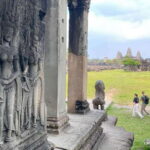
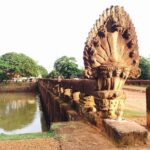
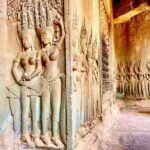
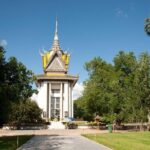
After the temple viewpoint, you stop at the Lok Yeay Mao Monument for about 40 minutes, admission included. This is a straightforward photo stop—easy to find as you make your way up the mountain.
Why it’s worth including: it breaks up the day so it’s not only temples and natural stops. It’s also a good opportunity to grab shots when the sky starts to change. One review notes capturing photos as the sky turned blue, which suggests the lighting can shift quickly here. If you care about photography, this is the moment to get your composition right before you move on.
Bokor Mountain Lake: quiet scenery, fog-friendly
Next is Bokor Mountain Lake for about 1 hour, admission included. This stop is described as very beautiful, and the best part is timing with weather.
If the day is colder, fog tends to appear, and the lake can look more misty and soft than you’d expect. That kind of atmosphere turns an ordinary water view into something memorable. It’s not a “big activity” stop, but it’s a nice reset between busier sights.
Bring patience: this is more about looking and breathing than about walking hard.
Popokvil Waterfall: nature with the added texture of old structures
You then reach Popokvil Waterfall for about 1 hour, admission included. The waterfall itself is described as beautiful, and the surrounding area adds extra interest: there are abandoned buildings up there and temples.
If you like places where nature and history overlap, this stop gives you more than just a view of water. It’s also a good break before the final cave temple.
One review notes going midweek so it felt nice and quiet, and that’s a useful planning hint. While you can’t guarantee crowd levels, a weekday often gives you more breathing room. If you’re sensitive to noise, aim for a less busy travel day when you can.
Phnom Chhngok Cave Temple: formal entry, proper stairs, and an old shrine
The last major stop is Phnom Chhngok Cave Temple, about 1 hour, admission included. This is the one that blends “adventure” with structure, meaning you’re not just crawling around in the dark.
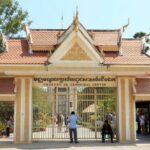
Entry is described as more formalized now, with a booth and information boards. Inside, you’ll find a very old shrine, pre-Angkor period. That detail matters, because it positions the site outside the usual big-ticket Angkor story. It helps you see Cambodia’s spiritual layers across time.
You’ll also have proper stairs, which makes it accessible for most people in the group. You don’t have to worry about the experience turning into a slippery free-for-all.
If fog or mist is part of your day, it often makes cave entrances feel colder and more dramatic, so go slow, watch your footing, and let the guide set the pace.
Your guide and vehicle: why this private tour feels easier
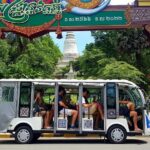
This is a private day trip using a private air-conditioned vehicle, with hotel pickup and drop-off. That matters in Phnom Penh, where traffic and weather can turn a simple plan into a headache. Here, your transportation is organized, and your guide coordinates the day.
You also get an English-speaking licensed tour guide. In the feedback, one guide name shows up: Mr. Tokk. The same write-up praises him for history understanding, flexibility, and professionalism. Another reviewer mentions the driver Mr. Deth, also described as professional and thoughtful.
This is the kind of duo you want for a long day: someone who can explain what you’re seeing quickly (without turning it into a lecture) and someone who keeps the schedule on track but can adapt if you’re tired, want extra photos, or need a small adjustment.
One practical comfort note from the feedback: the minivan ride is described as comfortable. That’s exactly what you want after a long day of mountain stops.
Cost and value: is $199 per person a good deal?
At $199 per person, this isn’t a budget excursion. But it also isn’t just paying for a seat on a public bus.
Here’s what’s included:
- Hotel pickup and drop-off
- English-speaking licensed guide
- Private air-conditioned vehicle
- Sightseeing fees listed in the route
- Service charge and current government VAT
What’s not included:
- Lunch (you choose local restaurants; vegetarian and non-vegetarian options are mentioned, with dish prices around $3–$10)
- Tips for the guide and driver
So the value question becomes: are you getting enough “included time and access” to justify the private setup? In this case, yes—because the route is dense with paid stops, and you’re getting a true full-day schedule that would be harder to assemble on your own.
If you’re traveling as a solo person and the price feels high, you may still find it worth it because Bokor’s route is spread out and the day is long enough that logistics cost you energy. If you’re traveling with one friend and can split the “private vehicle” feel, it becomes more attractive.
Who this day trip is best for (and who might want something else)
This tour fits best if you want:
- Cooler mountain scenery as a break from Phnom Penh
- A mix of colonial ruins, temples, and nature
- A guide who can connect the dots with English explanations
- A full day where admissions are handled and you don’t have to plan stop-by-stop
You might not love it if:
- You want a slow, laid-back trip with lots of free time in one place
- You dislike long drives (this day runs about 8 to 10 hours)
- You’re not a fan of weather shifts (fog and cool air can happen)
Smart packing tips for Bokor’s misty moods
You don’t need a survival kit, but a few choices make the day more comfortable:
- Bring a jacket or light layer for Wat Sampov Pram and the hill station area
- Wear closed-toe shoes with grip for caves and uneven paths
- Bring a reusable water bottle since the day is long
- If you plan to photograph, consider extra memory space and a charged phone/camera—fog changes lighting quickly
Should you book this private Bokor and Kampot day trip?
Book it if you want one day in Cambodia that feels like a mini story: the city fades, the mountains take over, and you get a run of sights that aren’t all the same. The private vehicle plus English guide plus included admissions make the day smooth, and the stops are chosen for atmosphere—especially the hill station fog, the cliff temple views, and the cave temple’s older shrine setting.
Don’t book it if your main goal is relaxing in Kampot itself, or if you hate long days on the road. This is a “see a lot” itinerary, and it works best when you’re ready for a full schedule.
If you’re weighing options, I’d make the decision based on this: do you want Bokor’s cool, misty mood and the colonial ruins atmosphere in the same day? If yes, this private trip is a strong, practical way to do it without turning your travel day into a logistics project.
FAQ
How long is the Bokor National Park and Kampot private day trip?
The tour runs about 8 to 10 hours.
What does the $199 price include?
It includes hotel pickup and drop-off, an English-speaking licensed tour guide, a private air-conditioned vehicle, all sightseeing fees listed in the route, and service charge plus current government VAT.
Is lunch included?
No. Lunch isn’t included during the tour. You’ll eat at local restaurants at your own expense, with vegetarian and non-vegetarian options, typically $3–$10 per dish.
Do I need to pay for entry tickets at the stops?
Sightseeing fees for the stops in the itinerary are included, and the tour lists admissions as included for the main locations.
Is pickup available from my hotel in Phnom Penh?
Yes. Hotel pickup and drop-off are included, and you’ll need to provide your hotel name and hotel address.
What’s the cancellation policy?
You can cancel for a full refund up to 24 hours in advance of the experience’s start time.