REVIEW · SIEM REAP
2 Days Angkor temples with Sunrise & Sunset
Book on Viator →Operated by Angkor Doors · Bookable on Viator
Angkor gets easier with a smart plan. You get two full temple days, anchored by sunrise at Angkor Wat and a sunset finish near South Gate or Phnom Bakheng. I like the English-speaking guide and the way the route keeps moving.
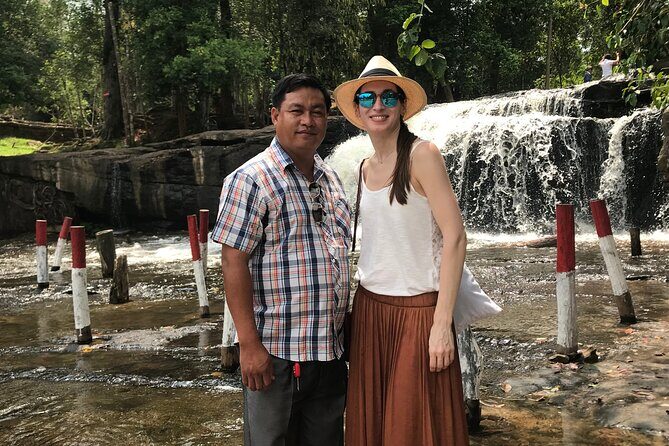
The itinerary mixes headline temples with calmer stops like Banteay Srei and Banteay Samre, so your photos don’t all look the same. I especially appreciate what guides like Bunpheng bring: punctual, professional service, plus help with photo spots.
One watch-out: entrance fees are not included, and you’ll need a 3-Day Angkor Pass. Also, the temples enforce a strict dress code (shoulders and thighs covered), or you can be refused entry.
In This Review
- Quick hits
- Two days in Angkor: why this route works
- Price and value: what $115 really includes
- What’s included (and what you must plan for)
- Day 1 temple marathon: Prasat Kravan to Phnom Bakheng
- Prasat Kravan (about 20 minutes)
- Banteay Kdei (about 40 minutes)
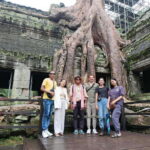
- Ta Prohm (about 1 hour)
- Ta Keo (about 30 minutes)
- Angkor Thom (about 2 hours)
- Phnom Bakheng (about 40 minutes)
- Day 2 sunrise and the quieter circuit after
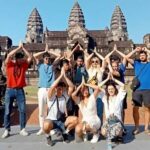
- Angkor Wat at sunrise (about 3 hours total)
- Pre Rup (about 30 minutes)
- Banteay Srei (about 1 hour, noted as free)
- Banteay Samre (about 40 minutes)
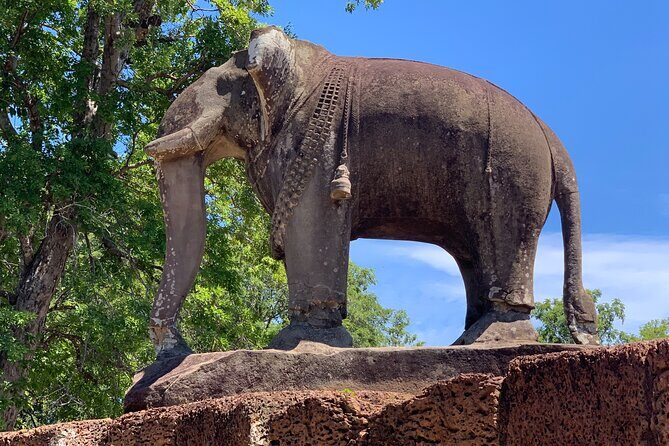
- Eastern Mebon (about 20 minutes)
- Ta Som (about 20 minutes)
- Neak Pean (about 30 minutes)
- Preah Khan (about 50 minutes)
- Sunrise and sunset timing: how to make it comfortable
- The temple rule you cannot ignore: dress code basics
- Your guide matters: what to look for during the tour
- Who this 2-day sunrise and sunset tour is best for
- Should you book Angkor Doors for this 2-day plan?
- FAQ
- What is the duration of the tour?
- What time does the tour start?
- Is pickup offered?
- Is the entrance fee included?
- Do I need an Angkor Pass?
- What’s included in the price?
- What about food and accommodation?
- Is Banteay Srei free?
- Is this tour private?
- Is there a dress code?
Quick hits
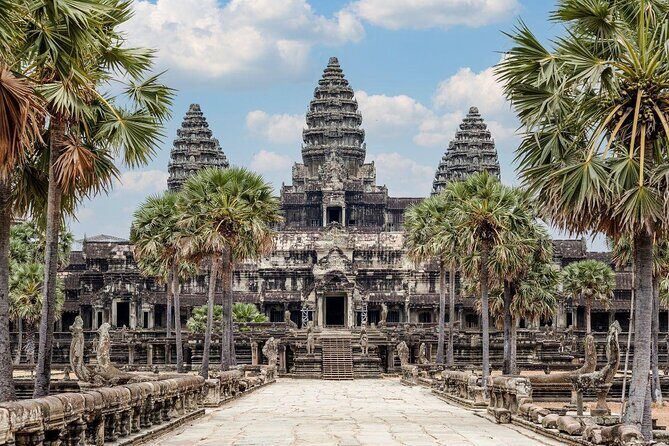
- Sunrise at Angkor Wat timed for early departures (about 4:30am or 5am by season)
- Sunset option near South Gate of Angkor Thom or at Phnom Bakheng
- A temple mix from Prasat Kravan and Ta Prohm to the pink-toned Banteay Srei
- AC transport and cold water included, which matters in Siem Reap heat
- Professional, on-time guiding with strong photo support mentioned by name (Bunpheng)
- Mobile ticket plus group pricing helps simplify entry planning
Two days in Angkor: why this route works
Angkor is huge, and “seeing it all” can turn into racing and missing details. This tour is built around the two moments that set the tone for the whole experience: the quiet drama of sunrise at Angkor Wat and the classic sunset viewpoint near South Gate or Phnom Bakheng.
What you’re really paying for is not just the temples. It’s the logistics done for you—route planning, timing, and an English-speaking guide—so you can focus on noticing carvings, scales, and layout instead of reading maps in the dark.
You can also read our reviews of more evening experiences in Siem Reap
Price and value: what $115 really includes
The listed price is $115 per person for 2 days. On top of that, entrance to the temples needs a 3-Day Angkor Pass ($62 per person). That means your realistic “trip budget” for the core sites is $177 for the pass plus the tour price, before food and drinks.
Here’s why I still think it’s good value if you’re short on time: the tour includes English-speaking guiding, AC transportation (car/minivan/minibus depending on your group), and cold drinking water. For many people, that setup beats trying to self-drive, hunting for tickets, and juggling sunrise timing on your own.
The other value angle: it’s a private tour/activity, meaning only your group participates. That usually translates to less waiting around and more flexibility when someone needs a break or wants an extra minute to photograph a carving.
What’s included (and what you must plan for)
Included:
- English speaking tour guide
- Transportation with AC vehicle
- Bottles of cold drinking water
Not included:
- Entrance fee: 3-Day Angkor Pass ($62 per person)
- Food and drinks
- Accommodation
Add this to your mental checklist: most stops list admission as not included, except Banteay Srei which is shown as free in the tour information. Still, for the rest of the circuit, the pass is the key to smooth entry.
Day 1 temple marathon: Prasat Kravan to Phnom Bakheng
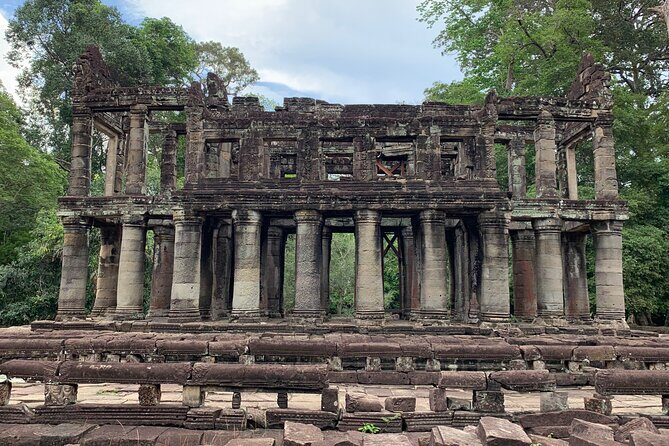
Day 1 is your “get oriented fast” day. You start with smaller, more textured temples and work up toward the grand, busy set pieces—then you end at a temple-mountain for late-day payoff.
Prasat Kravan (about 20 minutes)
Prasat Kravan is a small 10th-century site with five reddish brick towers. It’s not the biggest name in Angkor, but it’s a great opener because it trains your eye on brickwork and tower proportions before you hit the larger complexes.
If you like detail, this stop is a good warm-up. If you’re tired already, use the short time to look, not wander.
You can also read our reviews of more tours and experiences in Siem Reap
Banteay Kdei (about 40 minutes)
Banteay Kdei means A Citadel of Chambers, and you’ll feel that layout as you move through the temple structure. Built in the late 12th and early 13th century by King Jayavarman VII, it sits in that “thoughtful monastery” vibe that differs from the louder, more tourist-central stops.
Expect a steady pace here—this is one of those temples where the value is in how rooms and corridors relate to each other.
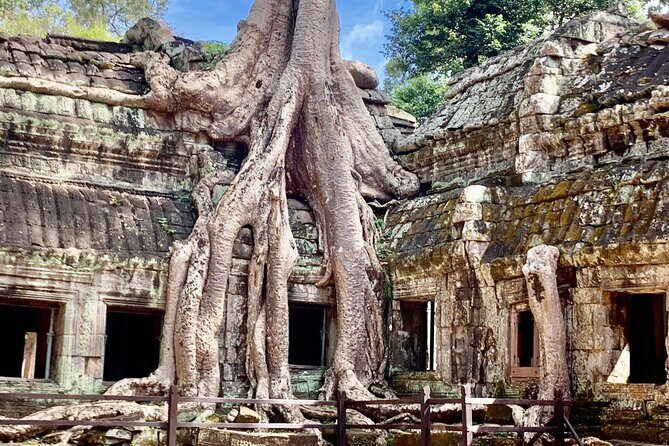
Ta Prohm (about 1 hour)
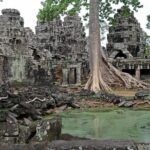
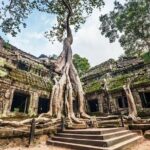
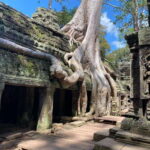
Ta Prohm is famous for a reason: it was built in Bayon style in the late 12th/early 13th century and originally served as a Buddhist monastery and university. The defining feature is that it has largely been left with trees and roots, giving it that atmospheric look people associate with Angkor.
Practical tip: give yourself the full hour. The first 10 minutes you’re just taking it in; later, you’ll start noticing sightlines and how the structure frames the jungle backdrop.
Ta Keo (about 30 minutes)
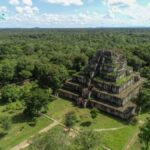
Ta Keo began as the state temple for Jayavarman V, started around 975 AD, and was never finished. That unfinished feel can be part of the charm: you can see the scale and ambition even without completion.
If you’re tempted to rush to Angkor Thom, don’t. Ta Keo helps you understand how ambitious the engineering was—especially when you compare it to finished or restored sections later.
Angkor Thom (about 2 hours)
Angkor Thom is the ancient capital city of the Khmer Empire, and this stop is a highlight day. You’ll see major landmarks such as:
- the Royal Palace
- Terrace of the Elephants
- Terrace of the Leper King
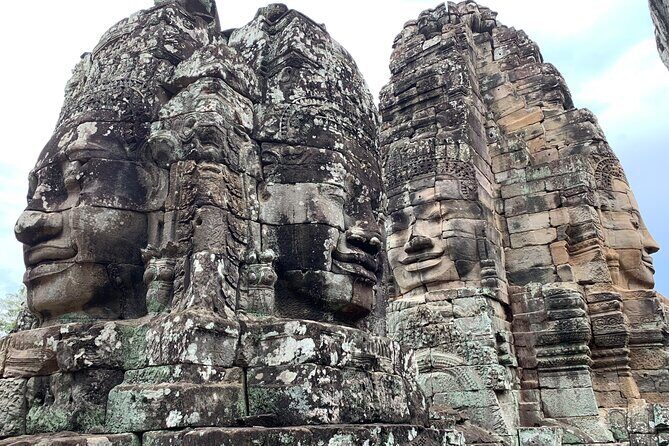
- the Bayon temple
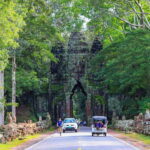
- and the South Gate, plus the bridge leading in
Two hours is enough time to enjoy it without turning into a blur, as long as you pick your “must-see” spots early and then let the rest unfold around them.
One consideration: this is a bigger, more spread-out area than it looks. If you’re sensitive to walking, keep a slower rhythm and don’t try to sprint between photo points.
Phnom Bakheng (about 40 minutes)
You end Day 1 at Phnom Bakheng, a temple mountain dedicated to Shiva built by King Yasovarman at the end of the 9th century. Phnom means hill or mountain, and the climb up is part of the experience.
This is a good place to reset after Angkor Thom. It’s also a natural bridge to your sunset goal, because the “temple on the hill” feeling makes sunset views feel instantly relevant.
Day 2 sunrise and the quieter circuit after
Day 2 is where the tour leans into variety: grand Angkor Wat at sunrise, then a chain of smaller temples that reward patience and curiosity.
Angkor Wat at sunrise (about 3 hours total)
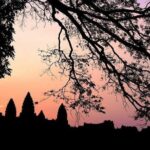
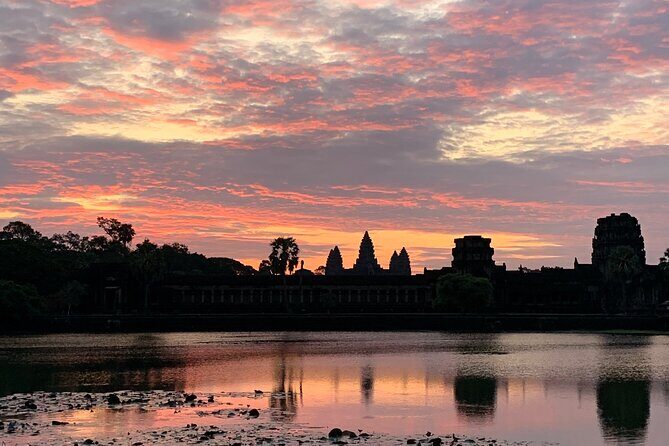
You start early to watch sunrise at Angkor Wat, with departure time around 4:30am or 5am depending on the season. After sunrise, the schedule continues to the main temple area.
Why this timing matters: sunrise hours are when you’re most likely to feel the site’s scale without the day’s full heat and fatigue. Even if you’ve seen photos before, being there at that hour changes your sense of depth and distance.
Pre Rup (about 30 minutes)
Pre Rup is short but meaningful. You’ll get enough time to understand its position and forms without getting stuck in one spot for too long. This works well in a day packed with multiple sites.
Banteay Srei (about 1 hour, noted as free)
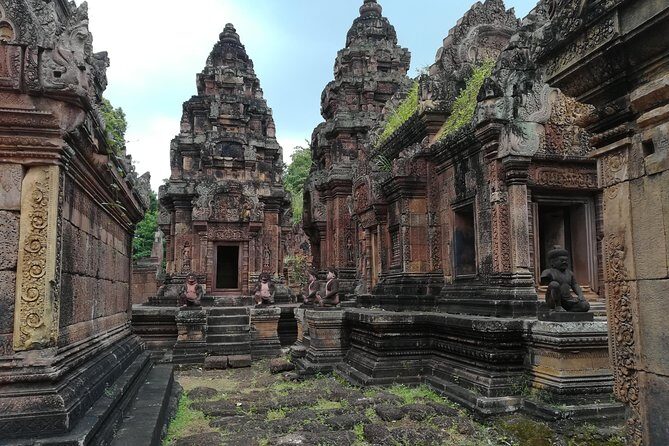
Banteay Srei is described as the pink temple, and it’s known for delicate carving work. The name given is Citadel of the Women, and the tour information notes a link to fine carving detail that’s said to be tied to the idea of women artisans.
Even when it’s busy, the carvings have a different “close-up” quality than larger stone surfaces. Give yourself that hour and try to look at the details, not just the overall structure.
Banteay Samre (about 40 minutes)
Banteay Samre is a smaller replica-like experience compared to Angkor Wat, and it’s dedicated to Vishnu. It was built in the early 12th century by kings Suryavarman II and Yasovarman II.
This is one of the temples that can feel surprisingly peaceful because it’s less of a single “arrival moment.” You’ll often enjoy the way the structure unfolds as you move.
Eastern Mebon (about 20 minutes)
Eastern Mebon is another early Khmer architecture example from the 10th century. It’s included as a quick stop, so treat it like a breather between the busier or more detailed sites.
Ta Som (about 20 minutes)
Ta Som is a Buddhist temple built by King Jayavarman VII in the end of the 12th century, dedicated to Lokesvara Buddha. Short visit, but it adds another layer to the Khmer mix—Hindu and Buddhist sacred spaces across different centuries.
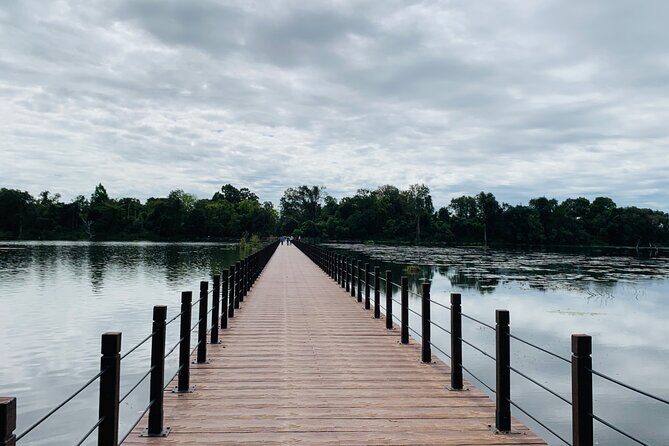
Neak Pean (about 30 minutes)
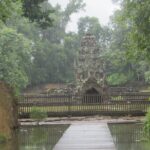
Neak Pean means Entwined Serpents, and it’s a Buddhist temple on a man-made island in the middle of a man-made lake. This “temple-as-island” layout makes it feel different from the brick-and-stone blocks elsewhere.
If you like symbolic design, this stop is the payoff for all the earlier structural observation.
Preah Khan (about 50 minutes)
Preah Khan translates to Royal Sword, built in the 12th century by King Jayavarman VII for his late father. It’s positioned about 1km north of Angkor Thom, and it’s described as a large complex.
This is your deeper end-of-day stop. Fifty minutes is generous enough to explore with a guide’s context, especially if you’re into how Jayavarman VII shaped temple building and Buddhist dedication across the region.
Sunrise and sunset timing: how to make it comfortable
This tour is all about time windows. Sunrise at Angkor Wat starts around 4:30am or 5am, and sunset is aimed for South Gate of Angkor Thom or Phnom Bakheng.
For comfort:
- Wear something you can layer early in the morning. Sunrise hours can feel chilly compared to midday.
- Bring a hat and sunscreen for later, since the schedule covers many open-air stone areas.
- Use the cold drinking water provided, but keep in mind it’s not unlimited if your group goes through it fast.
Also, don’t underestimate the effect of early starts. If you’re prone to feeling slow in the morning, plan for a calmer night before Day 2 so you don’t pay for it with stubborn fatigue.
The temple rule you cannot ignore: dress code basics
The tour info is clear: strict dress code applies at the temples. You must cover thighs and shoulders when entering the temple complex.
This is not a small detail. If your outfit doesn’t fit, you might be refused entrance. I’d pack a lightweight scarf or wrap so you can adjust fast, then wear clothing you already know you can move in for climbing stairs and walking through ruins.
Your guide matters: what to look for during the tour
The reviews attached to this experience repeatedly point to guides who are punctual and professional, with named mention of Bunpheng. One review also highlights that Bunpheng helped with photos—useful because Angkor rewards good angles and patience.
When you’re on the tour, watch for how your guide:
- times transitions between stops
- explains what you’re seeing without turning it into a lecture
- helps you find photo moments without rushing you through
If you care about storytelling, a guide who knows how to connect details to the temple layout makes the stops feel less like a checklist.
Who this 2-day sunrise and sunset tour is best for
This experience fits best if you want:
- a two-day plan that hits major Angkor World Heritage sites without you building the route
- sunrise at Angkor Wat and a sunset viewpoint finish
- a private setup where you can ask questions and move at your group’s rhythm
It’s also a smart choice if it’s your first visit to Siem Reap and Angkor. The itinerary includes both iconic spots and less obvious temples like Prasat Kravan and Neak Pean, so you leave with variety rather than only the biggest names.
If you hate early mornings or prefer super slow temple wandering, you may find the schedule more demanding. In that case, you might want a lighter day plan instead of stacking nearly everything in two days.
Should you book Angkor Doors for this 2-day plan?
I think this is a good booking if you’re aiming to experience sunrise and sunset properly and you want someone to handle the route and timing. The mix of temples—from Ta Prohm and Angkor Thom to Banteay Srei—gives you both drama and detail, and the included AC transport plus cold water removes a lot of daily friction.
Book it if:
- sunrise timing matters to you
- you want a professional guide like Bunpheng and a private-group pace
- you’re okay planning for the Angkor Pass and following the temple dress rules
Skip it if:
- you’re not interested in early starts
- you’d rather build your own route with a vehicle and spend long stretches alone
If you’re in the middle—curious, time-limited, and ready to see real variety in two days—this tour style is a solid match.
FAQ
What is the duration of the tour?
The tour lasts about 2 days.
What time does the tour start?
The start time listed is 9:00am. Sunrise activities are scheduled around 4:30am or 5am depending on the season.
Is pickup offered?
Yes, pickup is offered.
Is the entrance fee included?
No. Entrance fees are not included, and you need the Angkor Pass.
Do I need an Angkor Pass?
Yes. A 3-Day Angkor Pass is required for each visitor.
What’s included in the price?
The tour includes an English-speaking tour guide, transportation in an AC vehicle, and bottles of cold drinking water.
What about food and accommodation?
Food and drinks and accommodation are not included.
Is Banteay Srei free?
The tour information lists Banteay Srei as free admission.
Is this tour private?
Yes, it’s a private tour/activity, meaning only your group participates.
Is there a dress code?
Yes. You must cover your thighs and shoulders to enter the temple complexes, or you may be refused entrance.