Stilted villages change your sense of time. This Kompong Phluk trip on Tonle Sap Lake is all about seasonal reality: you see how a huge freshwater system shapes daily life, from the way homes are built to how families earn a living. The boat ride gives you a close look at stilted village life, with an English-speaking guide explaining what you’re seeing as you go.
I especially like two things. First, the hotel pickup and drop-off makes the whole half-day feel easy, no “arrive early and guess the meeting point” stress. Second, you get a real guide-led experience—if your guide is Tom, you’re in good hands, with clear explanations that go beyond names and photos.
One thing to plan for: the boat fee is extra (listed at $22 per person), so the price on the sign is not the full cost. You’ll also want to keep valuables packed away since you’ll be moving around during the village visit.
In This Review
- Key things to know before you go
- Tonle Sap and Kompong Phluk: why this isn’t just a photo stop
- Siem Reap pickup and the calm convenience of A/C transport
- Boat tickets, restroom stop, and what the first hour really feels like
- Tonle Sap Lake: seeing the scale and learning why it matters
- Arriving at Kompong Phluk: stilted village life and guided storytelling
- Price and value: what you get for $50, and what costs extra
- What to wear, bring, and do so the visit stays enjoyable
- Group size, guide quality, and how to make the most of your questions
- Who should book this Kompong Phluk boat tour
- Should you book this tour or look elsewhere?
- FAQ
- How long is the trip from Siem Reap to Kompong Phluk?
- Is the $50 price all-inclusive?
- What’s included in the tour price?
- Do I need an admission ticket for Tonle Sap Lake or the village?
- How big is the group?
- What should I wear?
- Is it easy to cancel if plans change?
Key things to know before you go
- A/C pickup from Siem Reap keeps your energy for the lake and walking parts
- Boat ride access is the main way you reach Kompong Phluk and see the stilted homes properly
- English-speaking guide time helps you understand fishing and farming life, not just look at it
- Tonle Sap’s scale matters: it’s about 200 km long and roughly 50 km wide
- Small groups (up to 15) mean you can actually hear your guide and ask questions
- Extra boat fee means you should budget cash for that portion
Tonle Sap and Kompong Phluk: why this isn’t just a photo stop
This is one of those trips where the scenery only tells half the story. The other half is human scale—how people adjust when the water changes and the lake becomes part of daily work. Tonle Sap is freshwater and massive by regional standards (about 200 km long and up to 50 km wide), so it’s not a small pond you can ignore.
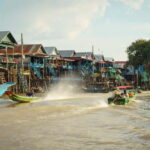
Kompong Phluk is built around that reality. You’ll see stilted homes and a living village that works with the water instead of fighting it. Expect the guide to connect the dots: fishing cycles, farming routines, and the simple logic of living on elevated structures. In one standout guide-led experience, Tom focused on how the village sustains itself—fishing and farming—so the place feels less like a set and more like an everyday home.
If you like meaningful travel—seeing how locals actually live—this is the kind of tour that works.
You can also read our reviews of more tours and experiences in Siem Reap.
Siem Reap pickup and the calm convenience of A/C transport
The day starts in Siem Reap with hotel pickup. That’s a big deal here because it saves time and reduces friction. You’re not trying to time a tuk-tuk, find a driver, and then coordinate tickets on the fly.
You’ll ride in an air-conditioned vehicle, and the tour includes drinking water and cold towels. That’s practical in Cambodia’s heat, especially since a boat ride and outdoor village walking can take more out of you than you expect. The tour is designed as a comfortable half-day, not an endurance test.
Small group size also matters. With a maximum of 15 people, the experience tends to feel more controlled and easier to manage, especially when you’re moving between the lake area, restroom stops, and the village visit.
Boat tickets, restroom stop, and what the first hour really feels like
On the way from Siem Reap toward the lake, the tour includes a short stop for buying the boat tickets and using the restroom. Then you head to the boats and start your lake time.
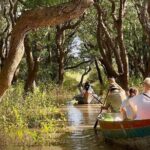
This first segment is usually about an hour in total. The key thing to understand is that the boat isn’t just transport—it’s the way the village reveals itself. From the water, you get the right perspective on the stilted homes and the layout of the community. It’s also the moment when your guide can set the stage: what you’re about to see, and how Tonle Sap’s water levels influence where and how people live.
Practical note: since the boat fee is extra, plan ahead so you aren’t scrambling for money at the pickup point. You don’t need to make it complicated. Just budget the $22 per person boat cost and be ready.
Tonle Sap Lake: seeing the scale and learning why it matters
There’s a portion of the trip specifically devoted to Tonle Sap Lake itself. You’ll get a sense of scale and significance, not just a scenic look. The tour notes Tonle Sap as the biggest lake in freshwater across Southeast Asia, with those wide, long dimensions you’ll remember long after the trip.
What’s most valuable here is the explanation behind the numbers. A lake this large doesn’t stay “background scenery.” It becomes a calendar. It affects when and how fishing happens, how people plan family work, and why stilted architecture makes sense.
This stop is about an hour, and the admission for this part isn’t included. Since admission details aren’t broken down further here, I’d treat this as a guided view-and-learning block rather than an “enter a major attraction” type of visit.
Arriving at Kompong Phluk: stilted village life and guided storytelling
The main event is the village visit at Kompong Phluk. This is where the tour earns its keep. You’ll explore the local village lifestyle, including tradition, culture, and how families manage their day-to-day life. Your guide is there to connect what you see—houses on stilts, routines, and community activity—to the larger lake ecosystem.
The walk-through portion is about an hour. That’s not a full-day hike, but it’s enough time to understand the village isn’t static. You’re likely to see how daily life is tied to the water and local production. In one excellent guided experience, Tom was singled out for teaching a lot about how the community stays self-sustained through fishing and farming. The result is that you leave with context, not just images.
Two small considerations. First, this is still a working community, so you should move respectfully and follow your guide’s cues. Second, wear comfortable walking shoes. Even if the route is gentle, you’ll be on uneven ground at points and it’s better to be stable.
Price and value: what you get for $50, and what costs extra
The listed price is $50 per person for a 3 to 4 hour experience. That number matters because it includes a lot of the overhead that can inflate “cheap tours” once you add the details.
Here’s what’s included:
- An English-speaking tour guide
- Hotel pickup and drop-off
- Air-conditioned vehicle
- Drinking water and cold towels
- Transportation insurance
- A social impact component: 50% of the profits support underprivileged student education
- Mobile ticket (so you’re not printing paperwork)
What’s not included:
- Boat fee: $22 per person
- Tipping for guide and driver (recommended)
So what’s the real value? The $50 is paying for the guide, comfort transport, and organization—plus the parts that help you get meaning out of the visit. The boat fee is the unavoidable “access cost” for reaching the village and seeing it from the lake.
If you’re comparing options in Siem Reap, think of this as a guided, comfort-focused half-day. If you just want a quick look from shore, you can find cheaper. But if you want the explanation and the smooth logistics, the price starts to make sense fast.
What to wear, bring, and do so the visit stays enjoyable
This tour is short, but it has different surfaces and lighting, so small prep pays off.
Bring:
- Comfortable walking shoes (listed as recommended)
- A hat and sunscreen if you’re sensitive to sun
- Your phone/camera, but keep it secure
Leave:
- Valuables at the hotel or someplace safe
The tour advises not bringing valuables, and that’s good sense. You’ll be moving around and spending time outdoors.
Also, manage expectations about “shopping time.” The route includes a lively local market at one point in the flow, but the main focus is the village-and-lake education. Go with the mindset of learning how daily life works, and you’ll feel more satisfied with the time you spend.
Finally, plan for tipping. It’s recommended for the guide and driver, and in a short tour like this, tips can matter to the people doing the work.
Group size, guide quality, and how to make the most of your questions
With a maximum of 15 people, you’re not stuck in a chaotic crowd. That makes a difference when you’re learning about a place that works differently from what you’re used to.
The guide is central to the experience. One strong example from the field is Tom, who stood out for going out of his way to make the experience unique and for teaching a lot about the village’s self-sustaining life. Even if your guide isn’t Tom, the format is designed to be guided and explanatory.
How you can make it better:
- Ask what changes with seasons on Tonle Sap (you’ll already be hearing about seasonal wonders)
- Ask how fishing and farming tie together for families
- If you see something you don’t understand—stilt design, daily routines—ask right then, while you’re standing in front of it
Your questions will shape your own memory of the day.
Who should book this Kompong Phluk boat tour
This tour fits best if you:
- Want a guided lake-and-village experience rather than a quick pass
- Like understanding local life—especially fishing and farming communities
- Prefer comfort in an A/C vehicle for the logistics side of the trip
- Travel with people who enjoy photos, but also want real context
It may not be ideal if you:
- Hate boats or limited outdoor walking
- Have trouble with uneven ground during a village visit
- Want a “hands-off, sit and observe only” experience with minimal movement
It’s also a good match for couples and friends since the group stays small and the timing is tight (3 to 4 hours total).
Should you book this tour or look elsewhere?
Book it if you want an organized, comfortable half-day from Siem Reap that gives you the why behind Kompong Phluk and Tonle Sap. The combination of hotel pickup, English-speaking guide time, and the boat access to stilted homes is what makes this worth doing.
Look elsewhere if budget-only matters most and you can’t handle the extra $22 boat fee. Also consider another option if you’re avoiding any outdoor walking at all.
My call: if you’re curious about how Southeast Asia’s biggest freshwater lake shapes real family life, this tour is a solid use of your time in Siem Reap.
FAQ
How long is the trip from Siem Reap to Kompong Phluk?
The experience runs about 3 to 4 hours.
Is the $50 price all-inclusive?
No. The boat fee is listed as $22 per person and is not included in the $50.
What’s included in the tour price?
The tour includes an English-speaking guide, hotel pickup and drop-off, an air-conditioned vehicle, drinking water and cold towels, transportation insurance, and 50% of profits supporting underprivileged students in education.
Do I need an admission ticket for Tonle Sap Lake or the village?
The information provided says the boat fee is not included, and that admission for some stops is not included. For the Kompong Phluk and lake time, you should plan on not having everything covered by the base price.
How big is the group?
The tour has a maximum of 15 travelers.
What should I wear?
Comfortable walking shoes are recommended.
Is it easy to cancel if plans change?
Yes. Free cancellation is offered up to 24 hours in advance for a full refund.