REVIEW · SIEM REAP
The Angkor Temples from Sunrise by Tuk Tuk
Book on Viator →Operated by Asian Trails LTD · Bookable on Viator
Your alarm clock earns its keep here.
This full-day sunrise Angkor tour uses an open-air tuk-tuk and starts at 5:00 a.m., so you hit Angkor Wat before the crowds thicken and the heat locks in. You’ll pair that first-light moment with major sights across the Angkor Archaeological Park—Angkor Wat, Angkor Thom, Bayon, Preah Khan, Ta Nei, Ta Prohm—all guided by an English-speaking pro.
Two things I really like: the sunrise viewing setup (including smart guidance on where to stand) and the way the guide turns stone carvings into real understanding of how Khmer temples worked and why they were built. I’ve also noticed names like Nob, Savery, Duong, Socheat, and Sorin Mut showing up in strong feedback for clear explanations and photo help.
One consideration: it’s a long, early, walking-heavy day—about 13 hours—and you’ll be in Cambodia’s sun and humidity. Add the strict temple dress code, and you’ll want to plan your comfort from minute one.
In This Review
- Key takeaways before you go
- Sunrise timing: why this 5:00 a.m. start matters
- Getting there by open-air tuk-tuk (and what you’ll feel in the morning)
- Value check: what $104 gets you for Angkor Wat day
- Stop 1: Angkor Wat sunrise from the main gate area
- After sunrise: breakfast rhythm and moving into Angkor Thom
- Stop 2: Angkor Thom City and the feeling of scale
- Stop 3: Bayon Temple and the symmetry that hits you
- Stop 4: Preah Khan (The Sacred Sword) and the monastery feel
- Stop 5: Ta Nei and Ta Keo near the Eastern Baray
- Stop 6: Ta Prohm and the jungle-growth drama
- Guide-led pacing, flexibility, and why it changes everything
- Temple rules and dressing for reality (not comfort)
- Logistics that can make or break your day
- Who should book this sunrise tuk-tuk Angkor day?
- Should you book the Angkor Temples from Sunrise by Tuk Tuk?
- FAQ
- What time does the tour start?
- How long is the Angkor Temples from Sunrise by Tuk Tuk tour?
- What is included in the price?
- Is lunch included?
- What are the dress code rules for the temples?
- Is cancellation free?
Key takeaways before you go
- 5:00 a.m. start means real sunrise time at Angkor Wat, not a rushed photo stop.
- Tuk-tuk comfort for Angkor distances with hotel pickup and drop-off in Siem Reap.
- Angkor pass included (1 day), plus admission tickets for the stops you’ll make.
- Photo-angle coaching has helped people catch a better view of the sun between Angkor Wat’s towers.
- Walking + rules: bring shoes that can handle uneven stone, and dress to cover shoulders and knees.
Sunrise timing: why this 5:00 a.m. start matters
If you’ve only seen Angkor Wat in daylight photos, sunrise will reset your expectations fast. Early morning light makes the towers look sharper, the colors more gentle, and the whole complex feel less like a checklist and more like a living place with mood.
This tour’s schedule is built around that idea: you leave Siem Reap early and head straight to the Angkor Wat main gate area for sunrise. Starting at 5:00 a.m. also buys you practical advantages. The temperature is usually cooler, pathways can be easier to navigate, and you’re not stuck shoulder-to-shoulder with everyone arriving later.
The other big reason I’d choose sunrise here is that your day doesn’t end when the sun comes up. After that first stop, you keep moving through the Angkor Thom circuit and then to major temple ruins like Bayon and Ta Prohm. So you get both the magic moment and the deeper temple time.
You can also read our reviews of more tours and experiences in Siem Reap.
Getting there by open-air tuk-tuk (and what you’ll feel in the morning)
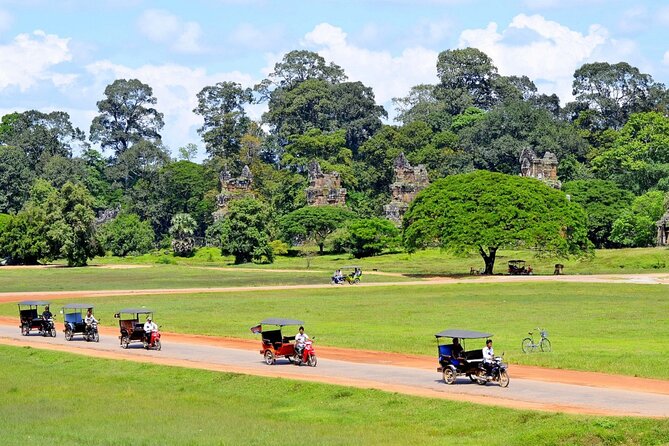
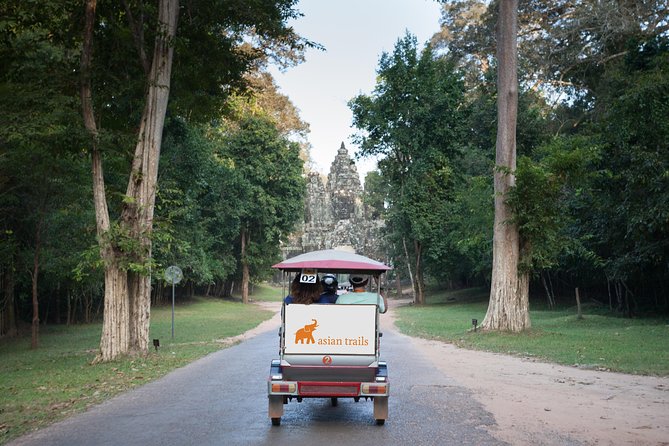
A tuk-tuk is part of the charm here, but it’s also practical. Angkor sites are spread out, and tuk-tuk transport helps you conserve energy for the walking that really matters—inside temple grounds and on uneven paths.
The tour includes open-air tuk-tuk transportation and uses a professional driver. That matters because early starts plus temple crowds can make traffic chaotic, and the driver experience helps keep the schedule on track.
What to pack for comfort:
- Sunglasses, hat/cap, and high-SPF sunscreen (even if it’s cloudy, sun still hits hard).
- Comfortable shoes—you’ll do some walking, and it’s not flat.
- Something to cover up for temple dress code (more on that soon).
If you’re sensitive to humidity, plan your clothing like a heat day: breathable top, long-enough bottoms, and layers you can adjust quickly. Even in the dry season, this is still a long time outside.
Value check: what $104 gets you for Angkor Wat day
At $104 per person, the price makes more sense when you look at what’s included. This tour isn’t only transport and a guide—it also includes a 1 Day Angkor pass and admission ticket coverage for the stops listed in the day.
You’re also getting a professional English-speaking guide, plus hotel pickup and drop-off within Siem Reap. For Angkor, that combination is often the difference between a stressful DIY day and a guided day where you can spend less time figuring out logistics and more time reading the temples.
One thing to watch: lunch is not included. That’s normal for many temple tours, but it does mean you’ll want to either budget for a meal or plan a quick, practical lunch stop as the day unfolds. If you have dietary needs, the operator says they’ll do their best, but availability can vary by the local restaurant.
For me, the value is strongest if you want more than a photo marathon—if you care about carvings, layout, and what each temple was for. A good guide can turn Angkor from impressive to understandable.
Stop 1: Angkor Wat sunrise from the main gate area
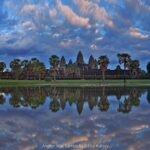
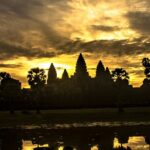
Angkor Wat at sunrise is the headline for a reason. You’ll arrive early at the main gate and spend time positioned for the light to hit the towers. The goal isn’t just seeing the sun; it’s catching the way the temple silhouette frames the horizon.
One practical tip worth taking: people have found the left side of the main walkway (closest to the souvenir market area) gives a strong angle for watching the sun rise between the towers. Another helpful detail from real experiences: some groups also mention getting to the upper level when possible for a different perspective.
Also, early mornings can mean dark footing. A couple of guides on this style of tour have been reported showing up with a flashlight, which helps during the low-light walk-in. Even if your guide does not, having your own phone flashlight/headlamp can be a small confidence boost.
Timing will also affect how the sunrise looks. If weather turns, you might not get the same dramatic horizon moment, but you’ll still have a lot to do right after—temple exploration with explanation, rather than waiting around with nothing to photograph.
After sunrise: breakfast rhythm and moving into Angkor Thom
After the sunrise stop, the tour shifts gears toward Angkor Thom. The plan includes returning for breakfast, then heading back into the complex later for the next temples.
This is a good moment to think about energy. You’ll likely be up before the sun, standing around for a while, and then walking again. Breakfast helps you reset your body so the rest of the day doesn’t feel like a slow crash.
You should also expect that the day’s heat ramps up quickly. Even if sunrise stays cool, midday can feel intense. If you’re the type who gets irritable when you’re tired, this is where the tour structure helps you—eat, regroup, then go again.
Stop 2: Angkor Thom City and the feeling of scale
Angkor Thom is where the “city” part of Angkor starts to feel real. This area is not only about a single monument—it’s about layout, movement, and how temples connect to the wider urban space.
In this tour flow, you revisit Angkor with a guide who helps you see what’s important beyond the biggest names. Angkor Thom is packed with architecture dating back to the Khmer era, and the value of having a guide is that you’re not just staring at stone blocks—you’re learning how the pieces fit together.
You’ll also get more comfortable with navigating the grounds. The first temple complex can feel overwhelming, but by the time you reach Angkor Thom, you’ll have a better sense of where to look and what to notice.
Stop 3: Bayon Temple and the symmetry that hits you
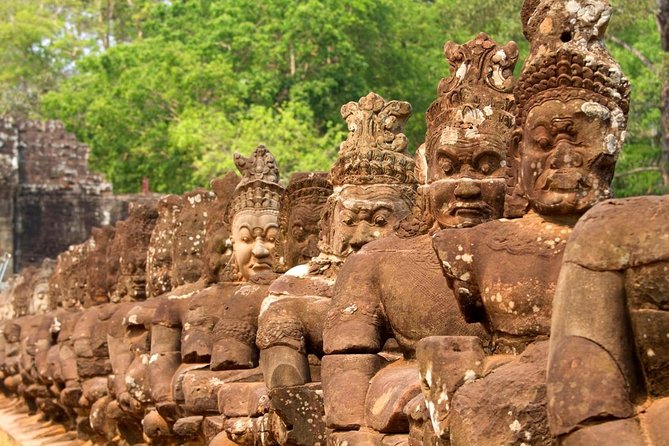
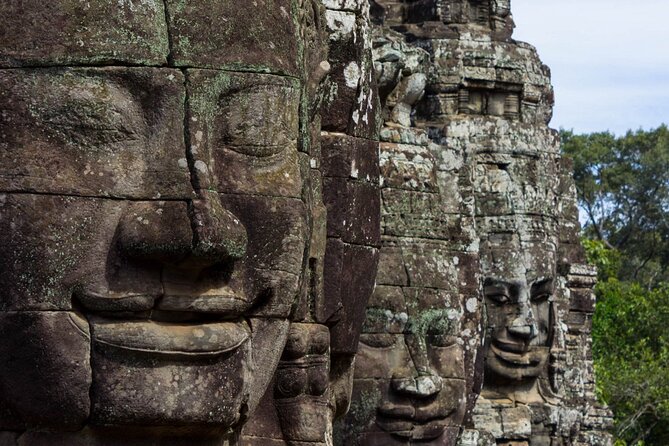
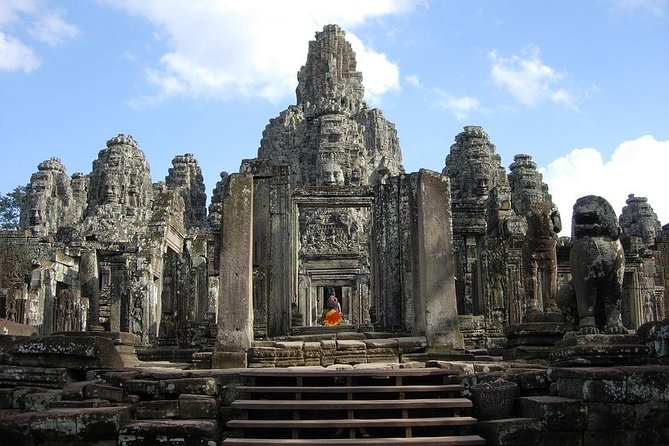
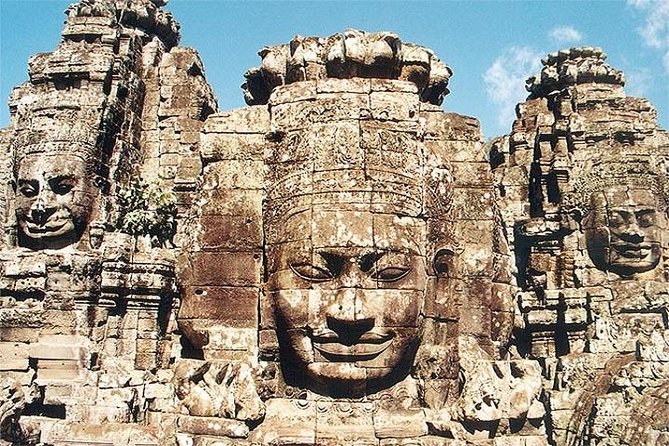
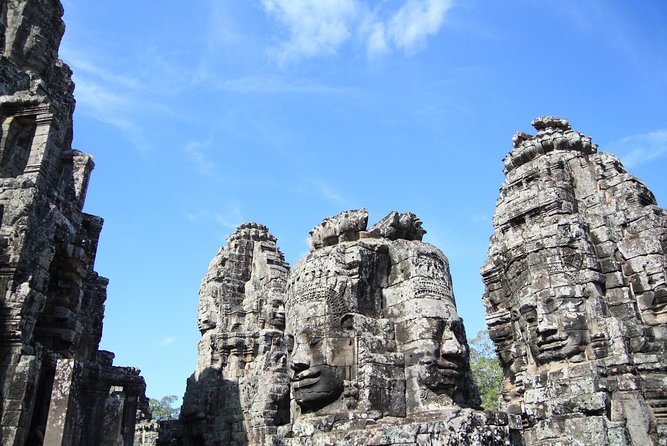
Bayon is the one many people picture when they think about Angkor Thom—and for good reason. The guide time here focuses on Bayon’s 12th-century design and the temple’s symmetry at the center of the city.
The standout element is the way Bayon can feel both structured and eerie. Those famous faces aren’t just decoration; they’re part of the temple’s intent and the way it communicates power. With a guide explaining what you’re looking at, you’ll likely notice carvings and layout details you’d miss if you came in solo.
Expect enough time to get photos and also to slow down. This is one of those stops where rushing makes you lose half the point. The best photos usually come after you take a moment to understand how the angles relate to the structure.
Stop 4: Preah Khan (The Sacred Sword) and the monastery feel
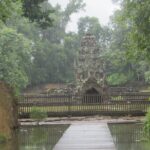
Next comes Preah Khan, known here as The Sacred Sword. This is an extensive monastic complex, built by Khmer King Jayavarman VII as a monastery and teaching complex.
What I like about Preah Khan is that it doesn’t feel like a single “front view” stop. It’s a larger place with a sense of routines—courtyards, temple spaces, and the carved rhythm of the site.
The tour includes time to explore without turning it into a sprint. Even if you don’t know the Khmer religious details yet, the guide’s context helps you connect the architecture to its function—teaching, monastic life, and the political-religious goals of the period.
Stop 5: Ta Nei and Ta Keo near the Eastern Baray
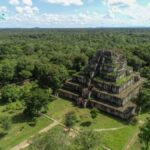
This is where the day gets more satisfying for people who like variety. Ta Nei and Ta Keo are described as lesser-known ruins near the Eastern Baray, and that matters because they can feel less crowded and more breathable.
These stops are a good balance after Bayon and the bigger, more photographed areas. You still get meaningful temple structures, but the vibe shifts: more exploring, less “everyone is lining up right here.”
The trade-off is that if you only want the biggest famous icons, these might feel less dramatic at first glance. Still, the benefit is a more rounded Angkor day. You’ll see how Angkor isn’t just two or three stars—it’s a network.
Stop 6: Ta Prohm and the jungle-growth drama
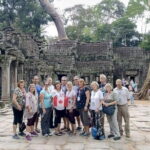
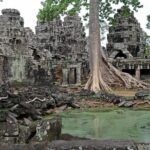
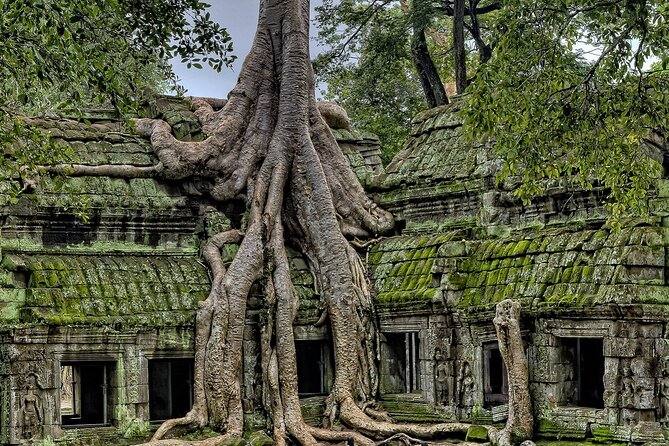
Ta Prohm is the temple most people associate with the classic jungle-meets-stone look. It was built by Jayavarman VII as a shrine to his mother, and the famous feature is how nature and architecture coexist visually.
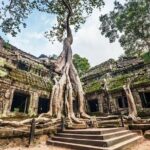
The tour spends enough time here to appreciate the unusual atmosphere rather than just collecting one quick shot. This is also the point in the day where you’ll feel the “why people love Angkor” factor most strongly—pillars, tree roots, and shadows that make the ruins feel alive.
One practical thing: Ta Prohm can be humid and busy, and uneven ground is common around major roots and pathways. Comfortable shoes matter even more here than earlier in the day.
Guide-led pacing, flexibility, and why it changes everything
The tour is private for your group, with an English-speaking guide. That setup makes a difference. You’re not stuck with a fixed script that ignores your pace or interests.
From real experiences shared about this style of tour, guides have been praised for being personable and for connecting temple details to the bigger story—Hinduism, Buddhism, and how the Khmer civilization used sacred space. Names that come up include Nob, Duong, Socheat, Savery, and Sorin Mut, with lots of emphasis on explanations and photo spot knowledge.
Even when conditions aren’t ideal—rain around sunrise is one example—the day can still work. You may shift from waiting outdoors to spending more time exploring covered temple spaces and absorbing explanations, so your morning doesn’t become a total wash.
This is where you’ll feel the value of having a guide. When you understand what you’re looking at, Angkor stops being only impressive and starts being meaningful.
Temple rules and dressing for reality (not comfort)
Angkor temples have strict dress expectations. You’ll want to arrive ready, because some sites can refuse entry if you don’t comply.
The key rules:
- Cover shoulders
- Wear clothes that fall below the knees
Also, shirts with obscene or disrespectful prints and brightly-colored clothing may lead to refusal. So skip the loud fashion choices for this day.
I also recommend you bring a cover-up you can handle in heat—something breathable that still meets the requirement. The tour focuses on comfort and “most comfortable ways” between entrances and sights, but the rule is still the rule once you’re in.
Logistics that can make or break your day
A few operational details are worth noting before you commit:
- Transfers are included only in Siem Reap (inside the area). If you’re staying farther out or at places like Tonle Sap, Koh Ker, Banteay Srei, or Siem Reap International Airport, transfers are excluded and supplements may apply.
- Lunch is excluded, so plan for your own meal.
- Bring sunglasses, hat/cap, and sunscreen, and protect electronics from sun and weather elements as suggested by the operator.
- You’ll need your passport in good shape for Cambodia entry—at least two empty pages is advised.
This isn’t meant to scare you. It’s just the kind of small planning that keeps the day smooth, especially with a 5:00 a.m. start.
Who should book this sunrise tuk-tuk Angkor day?
I think this is a strong pick if you want:
- Sunrise at Angkor Wat without scrambling for timing
- A guided day across multiple temple zones (not only the main highlights)
- Better photo angles and clearer temple context
It may not be the right fit if:
- You hate early mornings and long days (it starts at 5:00 a.m. and runs about 13 hours)
- You’re not comfortable with walking on temple grounds
- You want lunch fully handled for you (it isn’t included)
The good news is that the tour says most travelers can participate. Still, be honest about your walking tolerance and heat sensitivity.
Should you book the Angkor Temples from Sunrise by Tuk Tuk?
If you can handle an early start, I’d say yes. Sunrise is the one time Angkor Wat feels like a ritual, not an overcrowded photo set, and this tour is structured to take advantage of that. The included Angkor pass, the professional guide, and the tuk-tuk transport add up to a day that’s easier than doing everything on your own.
Book it if you want more than looking—you want to understand. And if you do book, do your future self a favor: pack comfortable shoes, dress for the rules, and plan for heat. That’s what turns sunrise magic into a smooth, memorable Angkor day.
FAQ
What time does the tour start?
The start time is 5:00 a.m..
How long is the Angkor Temples from Sunrise by Tuk Tuk tour?
It runs about 13 hours (approx.).
What is included in the price?
The tour includes a professional English-speaking guide, open-air tuk-tuk transportation, and a 1 Day Angkor pass. Admission tickets for the listed stops are also included.
Is lunch included?
No. Lunch is excluded, so you’ll arrange your own meal.
What are the dress code rules for the temples?
You should dress appropriately: cover shoulders and wear clothes that fall below the knees. Dress refusals can happen for non-compliant clothing, and overly bright or disrespectful printed shirts may be refused.
Is cancellation free?
Yes. Free cancellation is available up to 24 hours before the experience start time for a full refund.