REVIEW · CAMBODIA
Kayaking & Floating Village in Siem Reap
Book on GetYourGuide →Operated by Cambodia Adventure Tour · Bookable on GetYourGuide
Siem Reap has a rare kind of calm.
This Tonle Sap waterworld lets you float past homes on stilts, meet the people who really live there, and then paddle at human speed through wetlands that feel a lot bigger than maps suggest. I especially like the kayaking aspect because it makes the village feel close-up rather than like a drive-by. The second thing I like: you get the kind of morning light that turns Tonle Sap photos into something you actually want to keep.
The main catch is that the kayak time can be short depending on water conditions and how the day flows. If you’re hoping for a long, uninterrupted paddle session, this tour may feel like a taste rather than a full workout.
In This Review
- Key points at a glance
- How this tour really feels: slow, quiet, and very local
- The 6-hour flow from Siem Reap: boats first, kayaking second
- Stop 1: rice paddies and daily life before you reach the docks
- Floating village time: powered boat into a canal full of growth
- Paddling the village: why kayaking makes the difference
- Mangrove forest kayaking (and the seasonal swap to open water)
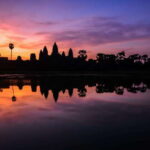
- Tonle Sap views and photography: morning light is the real attraction
- Price and value: $88 is more than a boat-and-a-kayak
- Comfort tips that actually help on the water
- Who should book this tour, and who should skip it
- Should you book? My honest take
- FAQ
- FAQ
- How long is the kayaking and floating village tour?
- Where does the tour pick you up?
- What does the $88 price include?
- Is an English guide included?
- What should I bring?
- Is kayaking season-dependent here?
- Are pets allowed?
- Is there free cancellation?
Key points at a glance
- Floating village life you can see from the water, not just hear about
- Mangrove kayaking (or open-water birdwatching in low season)
- Photo-friendly Tonle Sap viewpoints, especially in the morning
- Snacks, drinks, and a bathroom break back at the kayak station
- Guide-led context on daily customs, and sometimes even temple talk
How this tour really feels: slow, quiet, and very local
The best part of this experience isn’t the gear or the transport. It’s the pace. You start the day with AC comfort, then trade it for boat time, then finally switch to slow paddling—so you notice details you’d miss sitting higher up. Think bird calls, mangrove shadows, and the little routines that keep a community running when your roads are basically water.
What makes it feel authentic is that you’re not only looking at the floating village. You’re also moving through the area around it: rice paddies and daily life from the water, a canal run through heavy overgrowth, then wetlands where quiet paddling matters for spotting birds. That combination is a big part of why this is a popular choice when you want something different from the usual Siem Reap circuit.
Also, the guides bring real explanations. Names like Sovandy and Daral have shown up in recent experiences, and both types of guides tend to add more than the obvious answers—like local customs and how life, work, and trade function on the lake.
You can also read our reviews of more tours and experiences in Cambodia.

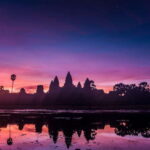
The 6-hour flow from Siem Reap: boats first, kayaking second
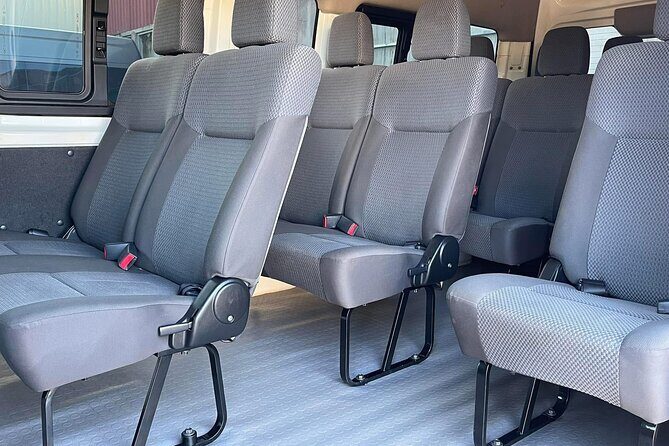
You’ll get picked up from Krong Siem Reap. Your driver and guide come about 30 minutes before departure, and you’ll ride in an AC vehicle to the starting area. That matters because Siem Reap heat can be brutal, and you’ll be glad the “hot part” comes after you’ve already met the group and gotten your bearings.
From there, the day builds in a logical rhythm:
- A river boat ride gets you moving across the lake system.
- You then arrive near the floating village area and spend time on a first stop that mixes observation and snacks.
- Another short water transfer follows.
- The core experience lands in the middle: kayaking and sightseeing, with extra time for calm views and photos.
- You finish with another boat transfer back to the vehicle.
Why this matters: if you’re the type who likes transitions—rather than being stuck on a boat for hours—this structure usually keeps energy up. It also means you get multiple “micro-moments” (snacks here, viewpoints there) instead of one long stretch where you’re just waiting.
Stop 1: rice paddies and daily life before you reach the docks
Before the boats and kayaks fully start, you’ll pass through the area near the floating village on the way to the dock. The focus here is everyday life: rice paddies and routines you can see as you travel. Even if you’ve seen rice farms before, this looks different because everything ties back to the lake’s rhythm.
This pre-kayak stretch is a nice setup. You’re not thrown into water right away. It gives you time to notice how the local ecosystem supports livelihoods, so when you later paddle through homes and canals, you understand the context instead of treating it as scenery.
Practical note: there’s a lot of “in-between time” on the water during the tour. If you’re sensitive to travel time, keep an eye on your expectations. One drawback that shows up sometimes is that the day’s schedule can feel like it’s built around transfers as much as paddling.
Floating village time: powered boat into a canal full of growth
Once you’re at the dock, you board a powered boat that pushes through a canal’s heavy overgrowth. This part can look intimidating from shore, but it’s exactly what you need to reach the kayak area safely and efficiently.
After arriving at the Mechrey floating village area, you’ll get safety equipment and gear before hopping into fiberglass kayaks. This is where the tone changes. The powered boat is all about getting there. The kayak is about slowing down so you can actually watch life happen.
And yes—this is where the smiles and friendly greetings matter. The idea is simple: you pass through a real living space. Keep your movements gentle, paddle smoothly, and you’ll get the best experience from both sides.
Paddling the village: why kayaking makes the difference
Kayaking through the floating village is the kind of activity where small choices matter:
- paddle quietly,
- don’t thrash the water,
- keep an eye out for birds near edges and branches.
The quiet paddling isn’t just for vibes. It’s also how you increase your chances of seeing nature that’s harder to spot from a larger boat. Your guide points out what to watch for and explains how people there live, work, and trade.
A detail I really like about this setup is that the kayak station is on the floating village itself—so your “break time” isn’t a random land stop. You’ll return to a kayak station housed in a floating house, where you can use the bathroom and refuel with snacks and drinks before the next transfer.
One possible downside to be aware of: the kayaking segment may feel relatively short. If you’re a strong paddler who wants more time in your kayak, it’s worth asking your guide at the start whether you’ll have extra paddle time based on conditions.
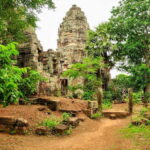
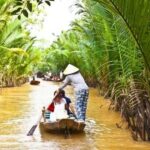

Mangrove forest kayaking (and the seasonal swap to open water)
This tour’s headline highlight is the mangrove forest paddle—when conditions line up.
After the snack stop, you take another short boat transfer to the mangrove area. Then you get back into the kayaks for the main nature segment: paddling through mangrove waterways and watching birds. This is also where the best photo angles show up. Some viewpoints can’t be reached by foot or by normal sightseeing routes because they’re only accessible by kayak.
Now, the tour has a smart seasonal adaptation:
- In low water season, roughly March to June, you kayak in open lake waters instead of the mangroves.
- In that period, birdwatching becomes the focus—so you still get nature time, just in a different setting.
What that means for you: if you’re traveling outside the best paddling conditions, your experience might look different than the photos you’re imagining. The good news is the tour is still built around the same goal—quiet water, birds, and photo spots.
Tonle Sap views and photography: morning light is the real attraction
Tonle Sap is a photographer’s friend because the light changes fast over open water and between mangrove branches. Your guide brings you to a stop with peaceful morning views and solid photo opportunities.
This is also where the tour shifts from movement to stillness for a bit. You get a chance to catch breath, take photos, and just watch the water. In reviews, there’s been at least one memorable moment tied to timing and conditions—like when a boat issue led to an unplanned sunset viewing on Tonle Sap. That’s not something you can schedule on purpose, but it’s a reminder: when you’re on the lake, the sky sometimes adds its own bonus.
For your planning, aim to bring your camera ready and your settings simple. You’re often shooting through branches, against bright water, and around birds that don’t wait for your perfect framing.
Price and value: $88 is more than a boat-and-a-kayak
At $88 per person for about 6 hours, you’re paying for a bundle: AC transfers, an English-speaking guide, entrance fees, boat rides, kayaking, safety gear, and even drinks and snacks.
Here’s how that can translate into value for you:
- If you’ve ever tried to cobble together a similar day on your own, the cost usually jumps quickly once you factor in transport plus multiple water transfers plus proper kayak gear.
- Having safety equipment included matters. Kayaking in mangrove or canal conditions isn’t the place to improvise.
- The snacks and drinks are more than a bonus; they keep the day enjoyable when you’re outdoors and moving.
It’s not a bargain if you’re comparing it only to a short activity. But for a guided, full half-day on the water with multiple segments, it’s fairly priced—especially if you’re choosing it specifically for the floating village + mangrove combo.
Comfort tips that actually help on the water
Bring what the tour asks for: sunglasses, camera, sunscreen. You’ll also be happier if you plan your feet like a realist.
One useful tip from real-world experience: sandals with an easy fit help because you may need to remove or adjust footwear for paddling. Shoes that are bulky or hard to remove can slow you down at gear-up and wash-down moments.
A few more practical notes:
- Expect splash risk. Wet feet happen.
- Dress for heat, but bring something light that won’t bother you if it gets damp.
- Sunglasses help a lot on bright Tonle Sap water where glare can be intense.
If you’re the kind of person who gets restless on long transfers, pack a small water bottle habit in your mind—there are drinks included, but you’ll feel more comfortable if you stay consistent.
Who should book this tour, and who should skip it
This experience fits best if you want:
- a less touristy feel compared to typical quick-stop attractions,
- a gentle way to explore floating villages and wetland nature,
- a guided day where someone explains what you’re seeing.
It may be less ideal if:
- you need a lot of instruction during kayaking and language clarity is a must,
- you’re expecting hours and hours of nonstop paddling.
The tour also comes with clear suitability limits. It’s not suitable for pregnant women and babies under 1 year, and pets are not allowed.
If you’re traveling with mobility concerns, you should still consider whether kayak boarding, boat transfers, and water-based movement will feel comfortable. The tour includes safety gear, but it’s still a lake day with multiple entries and exits.
Should you book? My honest take
Yes, book it if you want Tonle Sap in a way that feels personal: you’ll see floating village life up close, then get a calm kayak session in mangroves or open water (depending on the season). The morning views and photo access by kayak are a real selling point, and the inclusion of safety gear plus snacks and drinks keeps it from feeling like a skimpy “tourist snack run.”
Skip or rethink it if your top priority is a long kayaking workout, because paddle time can feel limited. Also, if you’re very language-dependent, do a quick check that you’ll get the level of English guidance you need for instruction and explanations.
If you match the tour’s style—quiet water, small moments, and nature you can’t see from the road—this is a strong Siem Reap add-on.
FAQ
FAQ
How long is the kayaking and floating village tour?
The tour runs for 6 hours.
Where does the tour pick you up?
Pickup is from Krong Siem Reap. You’ll share your hotel name and address, and the guide and driver pick you up about 30 minutes before departure time.
What does the $88 price include?
It includes an English-speaking guide, all transfers by AC vehicle, entrance fees, boat rides, kayaking, safety guard and safety gear, plus drinks and snacks.
Is an English guide included?
Yes, the tour includes a live English-speaking guide.
What should I bring?
Bring sunglasses, a camera, and sunscreen.
Is kayaking season-dependent here?
Yes. In low water season from about March to June, kayaking happens in open lake waters and birdwatching is the focus instead of mangrove kayaking.
Are pets allowed?
No, pets are not allowed.
Is there free cancellation?
Free cancellation is available up to 24 hours in advance for a full refund. Reserve now and pay later is also offered.