REVIEW · SIEM REAP
Siem Reap: 1-Hour Cambodian Buddhist Water Blessing
Book on GetYourGuide →Operated by Beyond. Unique Escapes · Bookable on GetYourGuide
You leave calm, even if you get soaked.
This 1-hour Cambodian Buddhist water blessing happens at Wat Arang Pagoda, in the countryside just south of Siem Reap. Monks chant, water is sprinkled or poured in a formal ritual, and you walk away with a small sign you were blessed.
I love that you get context, not just a show. An English-speaking guide explains what to do before the ritual starts, and you learn the basic beliefs behind the ceremony. I also like that you can choose between two blessing styles, from gentle sprinkling to a longer head-pour ritual.
The main thing to plan for: you will get wet, especially in the longer option. Sound can also be hard to hear over water movement, and the exact format you end up doing may depend on timing that day.
In This Review
- Key highlights to know before you go
- Wat Arang Pagoda and the quiet ritual south of Siem Reap
- How the 2 water blessing styles work (sprinkle vs head-pour)
- The chants, protocol, and the red wrist ties you receive
- Market visit and pagoda grounds: seeing everyday Cambodia
- Price and value: is $37 worth it?
- Small prep that makes the ritual easier (and less miserable)
- Who should book this blessing, and who should skip it
- Should you book the Cambodian Buddhist water blessing?
- FAQ
- How long is the Cambodian Buddhist water blessing experience?
- Where does the water blessing take place?
- What kind of blessings can I receive?
- What should I wear, and is a sarong provided?
- Is hotel pickup and a guide included?
- Can I cancel for a full refund?
Key highlights to know before you go
- Wat Arang Pagoda outside town: a real working pagoda setting, not a performance stage
- Two blessing options: a lighter sprinkling chant or a longer water-pouring ritual
- Sarong provided: you change so your clothes stay protected for the stronger ritual
- Red wrist ties at the end: a visible marker that you received the blessing
- Market visit included: a practical look at everyday local life
- Donation included: your participation supports the pagoda and its community work
Wat Arang Pagoda and the quiet ritual south of Siem Reap
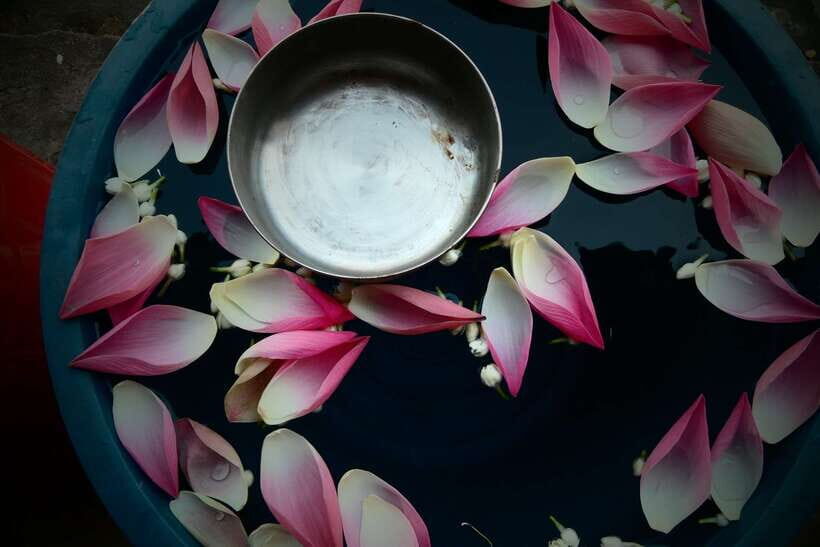
Siem Reap is famous for temples. This experience is different. It’s temple-adjacent, but it’s happening in a place where monks still live and practice, right in the countryside just south of town. That matters, because you’re not just looking at Khmer spirituality from the outside.
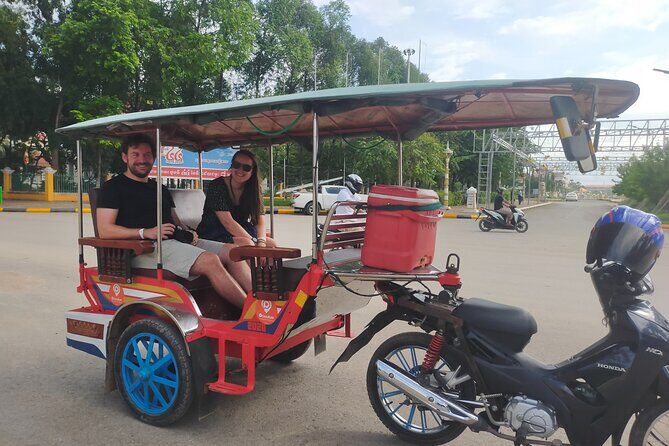
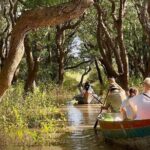
You’re picked up in a vehicle and transferred by tuk-tuk to the pagoda area. The drive takes you out of the usual tourist rhythm, into a calmer pace where the setting feels more like a daily stop for locals. From the moment you arrive, the tone is practical: you’re guided through what to do, where to stand or sit, and how to handle offerings and respect the space.
What you’re really buying isn’t water. It’s participation. You join the monks’ chanting and the water ritual as part of a tradition said to be ancient. The pagoda setting also helps you slow down. Angkor can be loud and sprawling. Here, the focus narrows to the ceremony, your place in it, and what it means to be blessed for good luck, safe travel, and a long life.
You can also read our reviews of more tours and experiences in Siem Reap

How the 2 water blessing styles work (sprinkle vs head-pour)
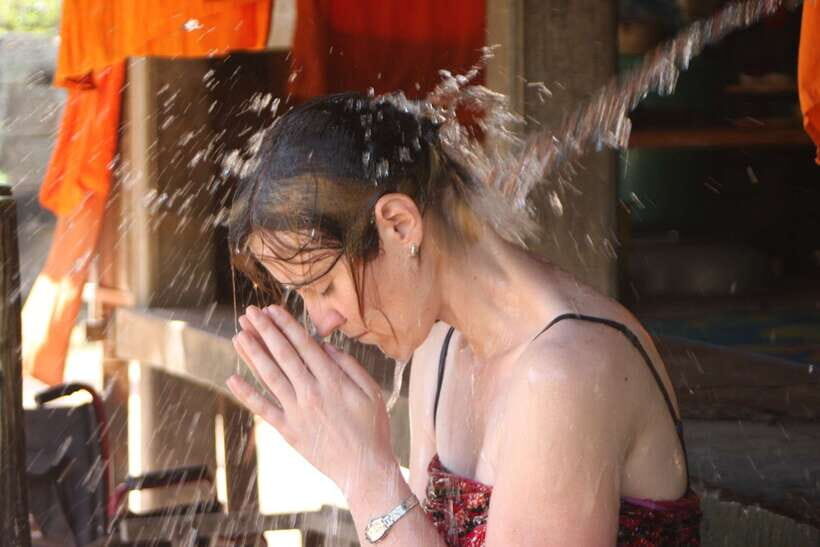
The tour gives you two ways to receive the blessing, both led by monks. The first option starts with harmonized chanting as they bless you for things like good luck and safe travel. Water is lightly sprinkled along the way.
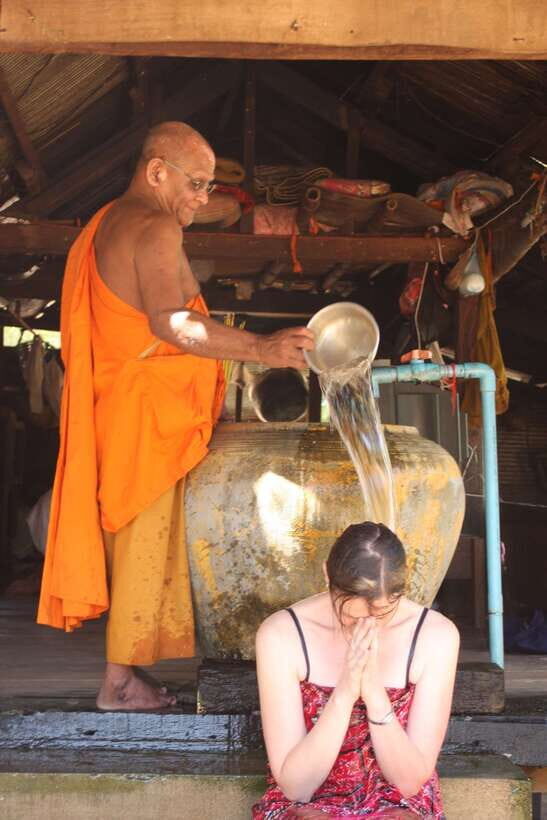
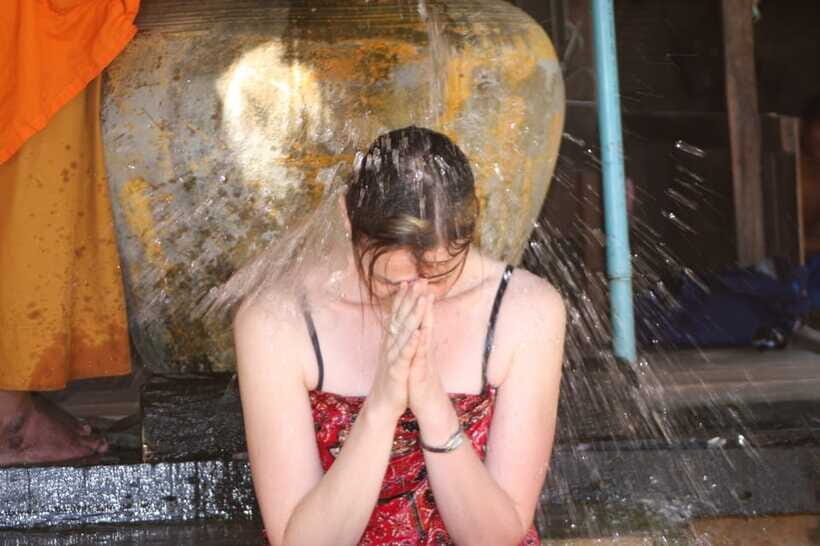
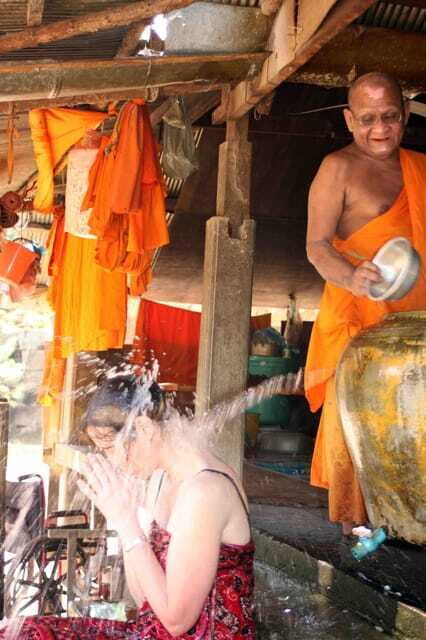
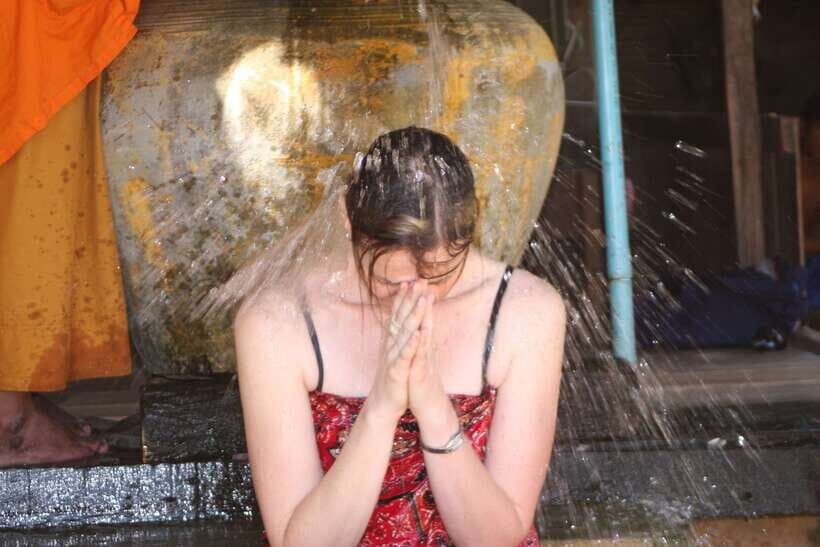
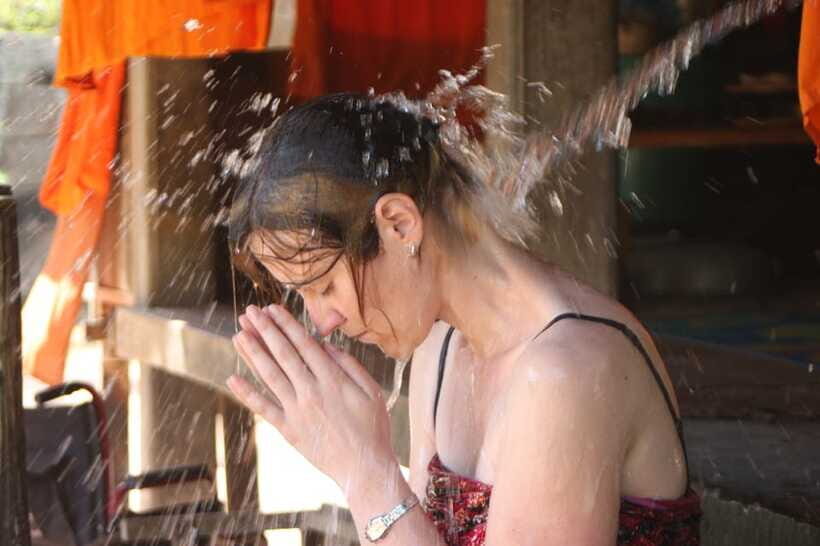
The second option is longer and more intense. Blessed water is poured over your head while the monks chant. This is the ritual that turns the experience from symbolic into fully physical. If you like ceremonies where you can feel something real happen, this is the one that sticks with you.
Clothing changes for this reason. You’re provided a sarong to change into so your clothes stay dry during the stronger ritual. If you go for the longer head-pour, plan for the practical outcome: your hair and body will get wet. One helpful tip from past guests is to bring extra underwear. You’ll also likely want to think about how quickly you can warm up again afterward in Cambodia’s heat.
Also note the sound reality. Water and movement can make it tough to hear the chanting clearly, depending on where you sit and what the monk is doing. That doesn’t mean the ritual isn’t meaningful. It just means you’ll experience it more by atmosphere and action than by picking out every word.
The chants, protocol, and the red wrist ties you receive
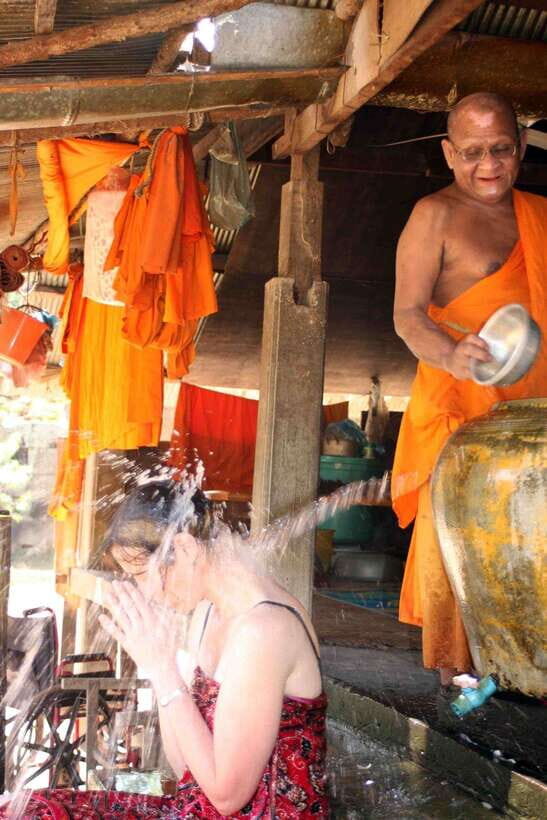
The ceremony centers on monks chanting during the blessing. Your role is to follow the guidance calmly: sit where you’re directed, keep your body in the right posture, and respect the moment as it unfolds.
At the end, you get special red ties on your wrist. In plain terms, these are the physical reminder that the blessing was performed. They’re also a nice souvenir that doesn’t feel like a shopping stop. It’s a small ritual marker, wearable for the rest of your trip.
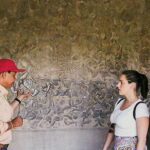
What I appreciate is how the guide frames the experience as something you can understand, not just perform. English-speaking guides share what to expect before you step into the ritual zone. In particular, some guides named in past bookings—like Mr. Sokha and Lee—are described as especially good at explaining the steps and helping people know when to listen, when to respond, and what to do with cameras and phones.
There’s also a helpful cultural angle here. People have described the ceremony as not purely about tourism-style religion. It can feel more like a broad spiritual ritual with roots in Cambodian practice. Even if you don’t share the faith, you can still take part respectfully.
Market visit and pagoda grounds: seeing everyday Cambodia
One of the best value adds in this outing is the included market visit. It’s not a long shopping mission. It’s an opportunity to see how locals buy the basics—food, ingredients, and supplies—without the tourist bubble.
In past experiences, the market stop has been described as very local in scope, with vendors selling things like meat, fish, vegetables, and even gold. The point isn’t to buy. The point is to watch how life works around the pagoda and around the neighborhood market rhythm you don’t get from the temples alone.
After the water blessing, you’re also typically shown around the pagoda grounds. That part is surprisingly helpful. It turns a one-hour ceremony into a fuller understanding of the setting: where monks live and work, how the space is organized, and what visitors should and shouldn’t do.
If you’re temple-tired (and many people get there in Siem Reap), this is a strong shift. You still get culture. You just get it in a smaller, more human scale.
Price and value: is $37 worth it?
At $37 per person for roughly 2 hours, this isn’t a “cheap thrill” activity. But the value is in what’s included, not in the water itself.
Your price covers:
- an English-speaking guide
- tuk-tuk transfer and hotel pickup
- sarong for changing into the right clothing for the ritual
- a donation to the pagoda
- the market visit included in the outing
For many visitors, the real cost is time. Two hours can vanish quickly in Siem Reap, so it helps that this package gives you multiple parts in one go: ritual participation plus a local market stop, with transport and a guide already handled.
Is it expensive? A minority of past guests felt the water ceremony didn’t match the cost for what they received. That feedback usually comes from one of two issues: not knowing exactly how wet it can get, or expecting more than a short, focused ritual. If you go in knowing it’s a spiritual ceremony that is brief but intense, it tends to feel fair.
Bottom line: I think it’s good value if you want something different from Angkor and you like respectful participation in local traditions.
Small prep that makes the ritual easier (and less miserable)
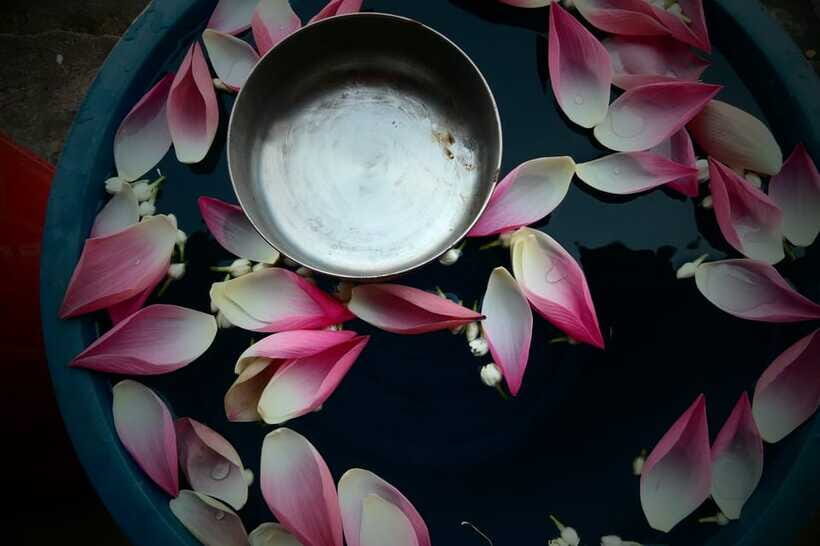
This is the part people underestimate. The ritual is simple, but the practical details matter.
Bring:
- a change of underwear (especially if you pick the stronger head-pour option)
- something you can dry off easily afterward
- extra patience for heat and humidity right after water
You’re provided a towel to dry yourself, but if you have long hair, you might want to bring a backup method to avoid feeling sticky and cold at the same time. One guest even suggested packing an extra towel specifically for hair.
Clothing choice matters too. Even with the sarong provided, you’ll still be in a wet-body situation afterward. Wear something you don’t mind getting damp on the edges. Also, think about what you want to keep dry for the rest of your day—your bag, your phone, and anything you’re carrying.
Photo habits are another practical note. Guides often help with taking photos during the ceremony, since you may need both hands and attention to follow instructions. If you plan to film or shoot pictures, ask your guide what’s allowed and when.
Who should book this blessing, and who should skip it
This experience fits you if:
- you want a break from temple ruins and want a living, functioning pagoda moment
- you’re curious about Buddhist practice in Cambodia and want plain explanations
- you enjoy rituals where you participate instead of only watching
- you’re okay with getting wet as part of the process
You might skip it if:
- you strongly dislike being sprayed or poured on, even with a sarong
- you want a quiet, low-sensory ceremony with almost no water sound
- you’re expecting something long and dramatic. This is focused and short.
It’s also a good match for couples, solo travelers, and anyone who wants to feel connected to something local instead of just checking boxes.
Should you book the Cambodian Buddhist water blessing?
If you’re in Siem Reap and you’ve already planned your temple days, I’d book this if you want one grounded, human experience that feels distinctly Cambodian. The mix of an English guide, a sarong, a donation, and a market visit makes it more than a single ritual—your outing has context.
But book it with the right expectations. This is a ceremony you participate in, not a dry museum activity. Go in ready to follow instructions, accept the water with good humor, and let the chanting and the wrist tie land as a real memory.
If that sounds like your kind of travel day, it’s a great use of two hours.
FAQ
How long is the Cambodian Buddhist water blessing experience?
The tour is listed as about 2 hours in total, with the water blessing itself described as a 1-hour experience at Wat Arang Pagoda.
Where does the water blessing take place?
It happens at Wat Arang Pagoda in the countryside south of Siem Reap, within Siem Reap Province, Cambodia.
What kind of blessings can I receive?
The monks offer two forms: a shorter blessing with chanting and light sprinkling of water, or a longer ritual where blessed water is poured over your head while monks chant.
What should I wear, and is a sarong provided?
You’ll be provided a sarong to change into so your clothing stays dry during the stronger ritual option.
Is hotel pickup and a guide included?
Yes. You get tuk-tuk transfer and pickup from your hotel, and the tour includes an English-speaking guide.
Can I cancel for a full refund?
Yes. Free cancellation is available up to 24 hours in advance for a full refund.