REVIEW · SIEM REAP
Kampong Phluk Floating Village Tour by Boat
Book on Viator →Operated by Angkor Wat Travel Tour · Bookable on Viator
Floating life on Tonlé Sap feels unreal.
This half-day boat trip out of Siem Reap takes you to Kampong Phluk, a stilted fishing community that changes with Cambodia’s wet and dry seasons. I especially love the sunset views over the lake and the up-close access to everyday village life on water. One thing to keep in mind: in the dry season or lower-water months, you may not be able to walk through as many parts of the village as you’d hope.
The logistics are fairly painless, too. You get hotel pickup by air-conditioned car to the pier area, then a private boat-style ride to the floating village with an English-speaking guide who explains what you’re seeing in plain terms. I also liked the practical touches like fresh drinking water and cold towels, which help when the heat ramps up.
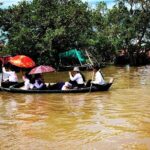
My main caution is crowding and pacing inside the village. Even with a small-group setup (up to 15 people), the community can still feel busy, and you may pass through areas where children are studying, so you’ll want to be respectful and keep your voice down.
In This Review
- Key Highlights Worth Your Time
- Tonlé Sap’s Floating World: Why Kampong Phluk Looks Different Every Time
- Siem Reap Pickup, Pier Drive, and the 6-Hour Timing That Works
- Kompong Phluk in Real Life: Stilted Houses, Fishery Work, and Floating Services
- The Boat Ride, Mangrove Time, and the Sunset Moment You’ll Remember
- Guides Matter: How Jack, Ming, Chong, and Happy Tear Improve the Day
- Value for $20: What You Get and Why It Can Feel Like More Than a Half-Day
- Best Time to Go: Water Levels, Walking Access, and Sunset Chances
- What to Bring (and What to Expect) for a Mangrove-and-Lake Day
- Should You Book This Kampong Phluk Floating Village Tour?
- FAQ
- How long is the Kampong Phluk Floating Village tour?
- What time does the tour start?
- Is hotel pickup included?
- What’s included in the price?
- What’s the group size limit?
- Can children join the tour?
- Can I get a full refund if I cancel?
Key Highlights Worth Your Time
- Tonlé Sap’s seasonal changes make the same village look totally different in different months
- Sunset on the lake is the moment that turns a boat ride into a memory
- Stilt houses + floating hospital give you a real sense of daily life, not just a quick photo stop
- Cold towels and water keep the trip comfortable during long boat minutes and roadside travel
- Mangrove canoe/kayak style extras are often optional, so decide based on time and budget
- Guides like Jack, Ming, Chong, and Happy Tear consistently turn “seeing” into understanding
Tonlé Sap’s Floating World: Why Kampong Phluk Looks Different Every Time
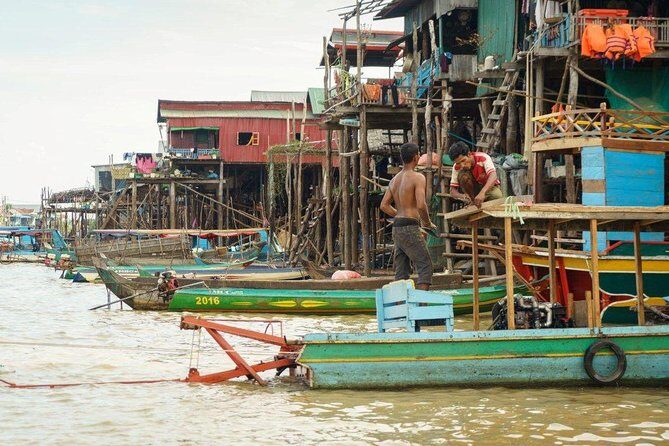
Tonlé Sap is the kind of place where the environment isn’t a backdrop. The wet and dry seasons reshape the water levels, so the village life you see in the afternoon can look different from what you’d see later in the year. That matters, because Kampong Phluk isn’t a museum set on fixed ground. It’s a living community built around water—houses, work, and routines all adjust.
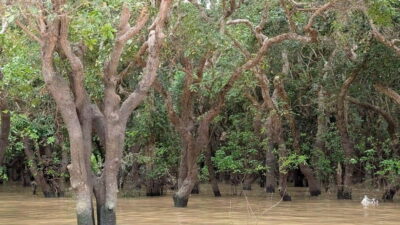
When the water rises, the landscape expands into flooded mangroves and connected waterways. When the water drops, you get more exposed stilt structures and different walking possibilities around the village. Several guides explain this clearly as you travel, so you can connect what you see to the seasonal rhythm of the lake.
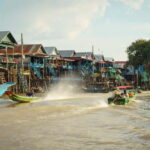
You’ll also notice the practical side of life here. You’re not just looking at pretty architecture. You’re seeing fishery activity, local services like a floating hospital, and the way people move between buildings on stilted walkways and small boats.
You can also read our reviews of more boat tours in Siem Reap

Siem Reap Pickup, Pier Drive, and the 6-Hour Timing That Works
This tour runs about 6 hours and is designed for either an afternoon or a morning/evening option, depending on what pickup time you choose. The listed start time is 2:30 pm, which is handy because it gives you a real shot at the sunset lake vibe after you’ve done the village portion.
A practical detail: the drive from Siem Reap to the pier area is about one hour. That means you should plan to treat this as a full half-day commitment, not a quick hop. Once you’re on the boat, the trip pace often shifts from road speed to slow, scenic water time.
You’ll also get air-conditioned transportation between your Siem Reap hotel and the Tonlé Sap area. That’s not flashy, but it’s smart—Cambodia heat can drain energy fast, especially if you’re also wearing sun protection for a long outdoor stretch.
A small-group limit helps with comfort and questions. The experience is capped at 15 travelers maximum, which usually means easier conversation with your guide and less time stuck waiting in a crowded queue.
Kompong Phluk in Real Life: Stilted Houses, Fishery Work, and Floating Services
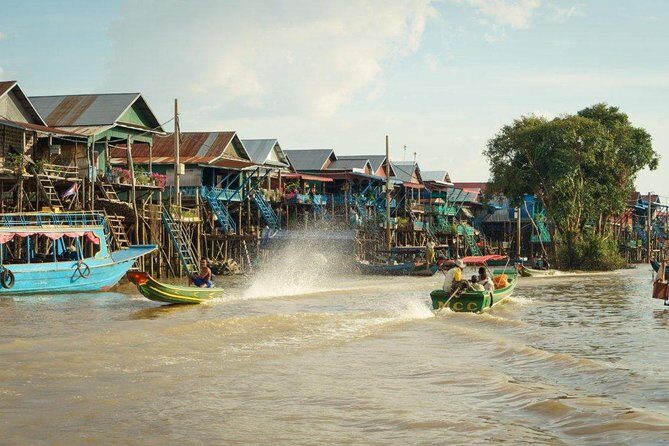
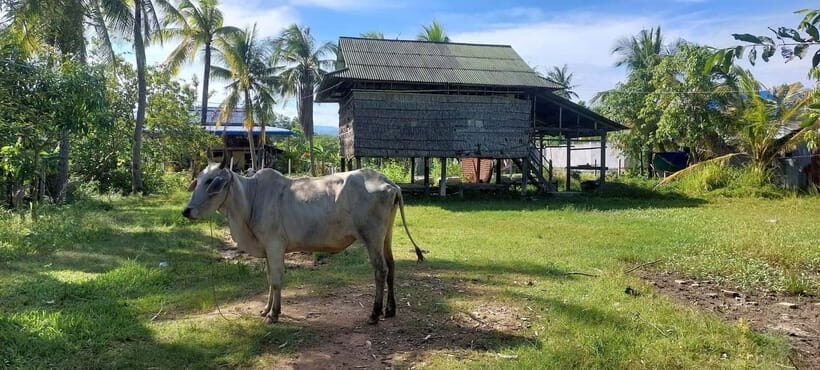
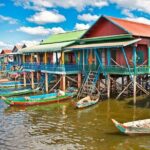
At Kampong Phluk, the stilt houses are the headline—but what makes the village stick in your memory is everything around them. You’ll see the layout of life on the water: homes built above the changing lake level, community spaces, and the practical systems that keep daily life going.
The tour includes a boat ride designed to get you close to the structures and activity. You’ll pass or view features such as the floating hospital, local fishery areas, and the broader network of stilt buildings. It’s a great mix of architecture and everyday function. You start to understand why these houses aren’t just “on stilts” for scenery. They’re engineering built for the lake’s rules.
One thing I’d plan for: some parts of the village can be active with school and community routines. There’s value in seeing that rhythm, but it also means you should behave like you’re walking through someone’s home area—not a photo set. Keep your group moving, don’t block doorways or walkways, and ask your guide when it’s a good time to take photos.
Also, water level changes what you can access. In higher water conditions, you might experience more of the village network by boat and see flooded areas clearly. In lower water conditions, you may find fewer areas accessible on foot. Either way, your guide can point out the differences and explain what’s happening to the community.
The Boat Ride, Mangrove Time, and the Sunset Moment You’ll Remember
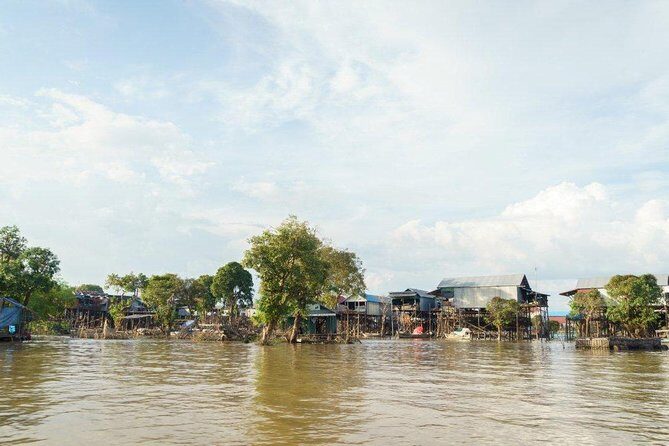
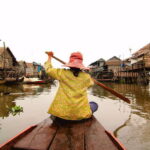
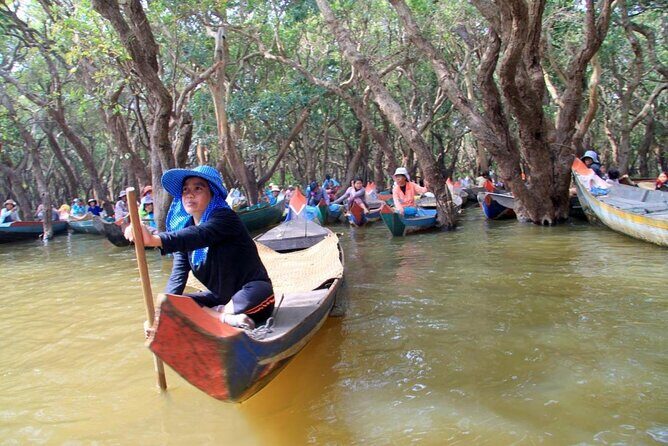
The heart of the experience is time on Tonlé Sap by boat. The tour includes a 2-hour boat trip related to visiting the floating village, and that’s where the lake does its magic. You’re moving through waterways that feel both busy and quiet at once—boats, mangroves, and the slow shift of light.
Then there’s the mangrove portion. The experience includes the chance for a short mangrove journey—information indicates something like a 15-minute flooded mangroves forest ride on a small boat. Reviews also mention optional canoe or kayak style rides as an add-on (with extra cost). If you’re offered the option, I’d treat it as a choose-your-own-adventure moment: it can be scenic and fun, but it may also add waiting time and extra spending.
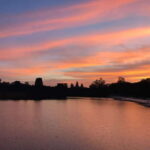
The biggest payoff is the sunset. Multiple guides and experiences frame this as a major highlight, and it makes sense. After you’ve seen village life up close, the lake at dusk becomes a totally different experience—calmer, slower, and more reflective. Even if you think you’re “just” going for the village, the sunset is often the part that makes people say it felt special.
Plan for sun exposure. Even with cooling stops like water and cold towels, you’ll still be outside during boat time. Hats, sunscreen, and light layers help.
Guides Matter: How Jack, Ming, Chong, and Happy Tear Improve the Day
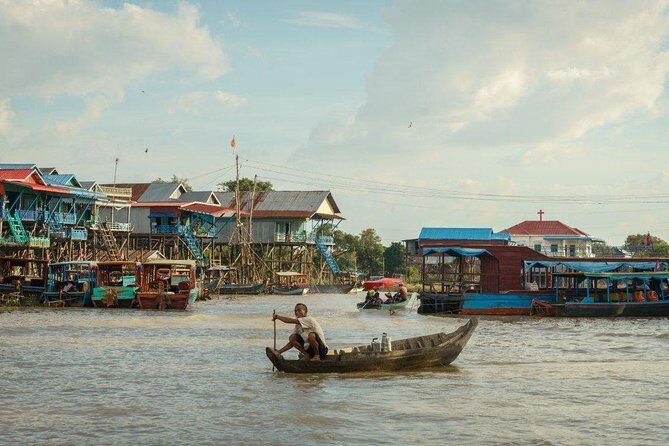
This is one of those tours where the guide can quietly make a huge difference. The most praised guides in the feedback share the same pattern: they explain what you’re seeing in clear English, keep the group on schedule, and add human context so the village isn’t just a photo opportunity.
Names that keep showing up include Jack, Ming, Chong, Happy Tear, Paul, and Meng. People consistently describe them as friendly, energetic, and good at answering questions. One repeated theme is that your guide remembers names and handles the flow inside busy spots, which helps you feel like you’re with someone who knows how to move at village pace.
Another common praise: guides make the lake feel understandable. They connect the stilt houses and floating services to the wet-season reality of Tonlé Sap. They also share personal or local context, which tends to make the tour feel less scripted.
There’s also a practical angle to strong guiding. When the village gets crowded, good guides help you avoid getting stuck at the back of the line or wandering into areas at the wrong time. That’s not just “nice.” It changes how much you actually experience within the set time window.
If you’re the type who asks questions—about daily work, school life, seasonal flooding, fishery culture—this kind of guide-led structure gives you permission to go deeper without turning the day into a lecture.


Value for $20: What You Get and Why It Can Feel Like More Than a Half-Day
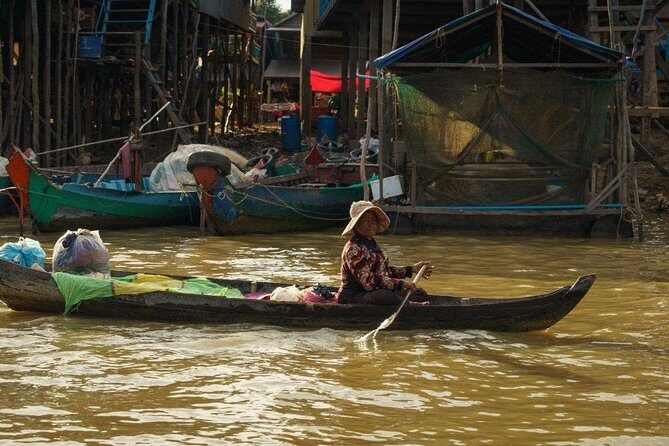
At $20 per person, this tour is priced like a budget-friendly add-on—yet it includes more than a simple “drive and look” format. You’re paying for transportation by air-conditioned vehicle, a local English-speaking guide, and boat time to reach the floating village area (including a 2-hour boat trip component).
You’re also getting comfort items that don’t cost you extra: fresh drinking water and cold towels. Those small things matter on lake days where you’re exposed longer than you’d expect.
From a value perspective, the question isn’t just the ticket price. It’s whether you get enough boat time and enough explanation to make the trip feel worth the day investment. The strong feedback centers on the combination of lake views, village access, and guide storytelling. When those three line up, $20 feels like a solid deal.
Still, I’d be honest about one risk: sometimes boat and village logistics can feel less “small and private” than advertised, especially when demand is high. One caution from a low-rated experience mentions larger boat groupings. The official cap is 15 maximum, so most of the time you should be in a small group. But if you’re sensitive to crowding, keep your expectations flexible and bring patience.
Best Time to Go: Water Levels, Walking Access, and Sunset Chances
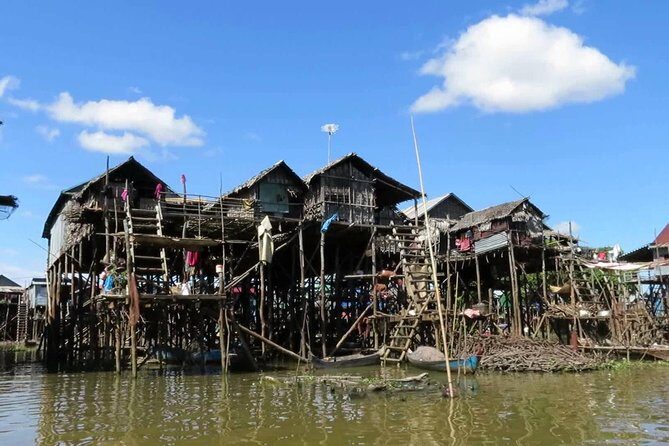
Your month matters here. In lower-water periods, you may be able to walk through fewer parts of the village, because more of the connected pathways can be submerged or less accessible. One example timing note points out that July is not the best time for the visit due to water levels being lower, even though the tour still provides a good feeling for life on this part of the lake.
Translation for you: don’t treat access like a guaranteed “walk everywhere” plan. Instead, think of the tour as a view into lake life that can shift based on conditions. When the water is higher, you’ll often get a different visual experience—more flooded mangrove feel and different village access points.
Sunset timing depends on clouds and the season, too. The tour’s afternoon start time is set up for lake light, so the structure helps. But weather is weather. If it’s cloudy, you still get boat time and village scenes; the sky just might not do the full performance.
What to Bring (and What to Expect) for a Mangrove-and-Lake Day
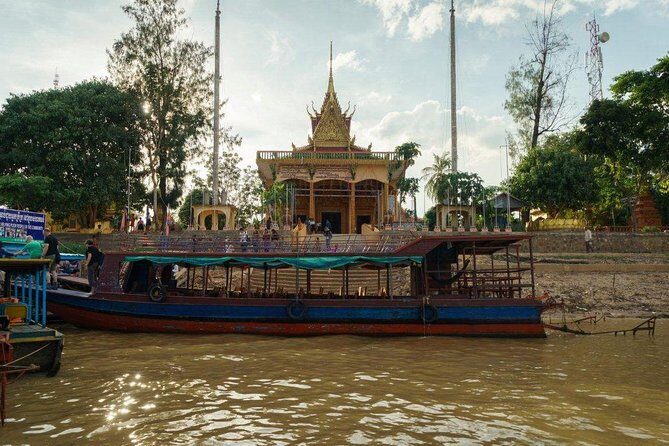
You’re dealing with sun, heat, and boat time, plus the possibility of a short mangrove ride in flooded areas. Bring what makes you comfortable for a few hours outside.
Practical list:
- Sun protection (hat, sunscreen, sunglasses)
- Light layer for wind on the lake
- Shoes you can get a bit wet or muddy
- A small bag for water and personal items
If you’re offered an optional canoe/kayak-style add-on, decide on the spot based on two things: time remaining and how much extra cost you’re comfortable with. Some experiences list short canoe add-ons as extra money, and these can be worth it if you want a bit more action.
Also, keep your expectations realistic about village flow. It can be busy, and you might pass spaces where children are studying. That doesn’t ruin the visit—it just means you should act like a good neighbor, not a loud spectator.
Should You Book This Kampong Phluk Floating Village Tour?
Yes, I’d book it if you want an authentic look at life on Tonlé Sap without spending all day. The price is fair, the included comfort items help, and the boat-and-village structure is exactly what you need for a memorable half-day.
You should especially consider booking if:
- You want sunset as part of the plan, not an afterthought
- You like guide-led context with clear English and local stories
- You’re happy to see real community life (including school areas) with respectful behavior
Skip or reconsider if:
- You hate any chance of crowding or slow moments in a busy village
- You’re visiting during lower-water months and need maximum walking access
- You’re extremely cost-sensitive about optional add-ons (like short canoe/kayak rides)
FAQ
How long is the Kampong Phluk Floating Village tour?
The tour is listed at about 6 hours.
What time does the tour start?
The provided start time is 2:30 pm. The experience also notes that you can choose your pickup time for morning or evening excursions.
Is hotel pickup included?
Yes. The tour includes air-conditioned transfers between your Siem Reap hotel and the Tonlé Sap area.
What’s included in the price?
Included items are air-conditioned vehicle transport, all fees and taxes, a local tour guide (English-speaking), fresh drinking water, cold towels, and a boat trip to visit the floating village (2 hours).
What’s the group size limit?
The maximum group size is 15 travelers.
Can children join the tour?
Children must be accompanied by an adult.
Can I get a full refund if I cancel?
Yes. You can cancel up to 24 hours in advance for a full refund.
—
If you want, tell me what month you’re going and whether you prefer afternoon sunset or a morning start, and I’ll help you pick the timing that fits the water conditions best.