REVIEW · BATTAMBANG
Private Full Day Tuk Tuk Tour in Battambang
Book on Viator →Operated by Dj's Tuk Tuk Tours · Bookable on Viator
Battambang can be surprisingly varied. This private full-day tuk-tuk route mixes temples, local food craft, and countryside views in one clean plan, with an English-speaking local guide keeping the day moving. I like that it feels intimate, not like a cattle call. One heads-up: you’ll do some walking and a mountain hike, so comfy shoes matter.
Two things I especially like. First, the hands-on food stops are practical and memorable—watch fish sauce and paste being made, and try fresh rice paper and spring rolls. Second, the day is timed for the good moments, including sunset at the bat caves. The main drawback is emotional weight: you visit Khmer Rouge-linked sites where you can see skulls and bones. Go with a calm head and a respectful mindset.
In This Review
- Key things to know before you go
- Why this private Battambang tuk-tuk day feels worth your time
- Start at Battambang Central Market and get into “local day” mode
- City temples first: 100-year carvings and a Wat tied to the Khmer Rouge
- The bamboo train ride: the only real extra, and it’s optional for a reason
- Food stops that you can taste and actually explain later
- Fish market and fish sauce/paste making
- Rice paper and spring rolls
- Banana chips and rice wine: quick factory tours with real flavor payoffs
- Ek Phnom and the big photo moments
- Lunch break: an hour to reset your pace
- Phnom Sampeau: the temple and the killing cave (respectful viewing required)
- Bat caves at sunset: the best kind of waiting, with payoff
- Price and value: what $20 buys, what costs extra, and why it still stacks up
- Who should book this tour (and who might not love it)
- Should you book Dj’s Tuk Tuk Tours? My straight answer
- FAQ
- FAQ
- How long is the private tuk-tuk tour in Battambang?
- What time does the tour start?
- Where does the tour start?
- Does the tour offer pickup?
- Is the bamboo train included in the price?
- Are entrance fees included for the stops?
- What food experiences are included?
- Is drinking water provided?
- Is the tour dependent on weather?
Key things to know before you go
- Private tuk-tuk, private pacing: it’s just your group, with an English-speaking local guide.
- Food-making stops with tasting: fish sauce/paste, rice paper/spring rolls, banana chips, and rice wine.
- Bamboo train is an extra choice: $5 per person add-on.
- Mountain viewpoints take effort: Phnom Sampeau and the cave area include a longer climb and steps.
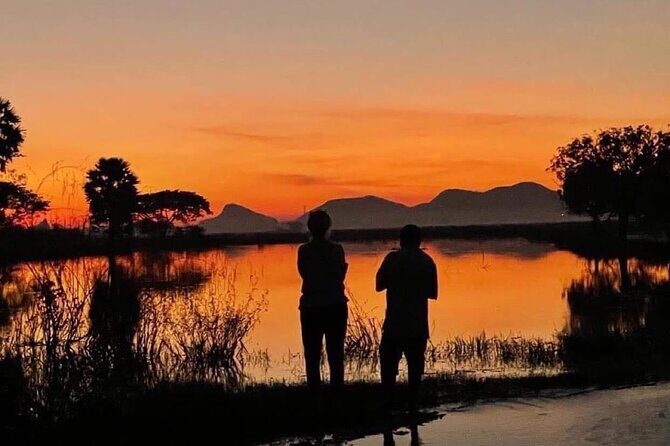
- Sunset bat cave timing: plan to stick around at the base as the bats fly out.
- Some stops are heavy: Khmer Rouge prison and killing-cave remains are part of the route.
Why this private Battambang tuk-tuk day feels worth your time
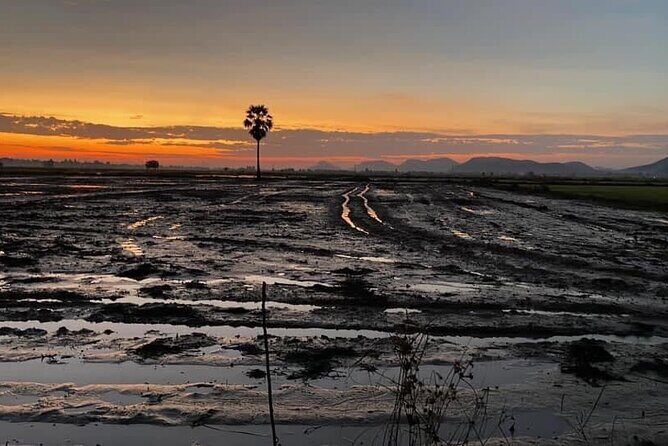
If you have only one full day in Battambang, this tour makes sense because it links together the big “Battambang identity” themes: traditional production, countryside scenery, and the area’s most important sites. The tuk-tuk keeps you moving without the stress of figuring out transport between scattered places.
I also like the balance. You get calm temple moments in town, then hands-on local food-making, then big-country views later. And because it’s private, you can usually move at a pace that matches your group—slow down at a viewpoint, or spend a few extra minutes at a photo spot if the light is right.
The tour is priced low enough that you can treat it like a full-day sightseeing budget, not a luxury add-on. At $20 per person, you’re paying for a full route with private transportation and bottled water. The one extra you may want—the bamboo train—is clearly stated upfront, so there are no guessing games.
You can also read our reviews of more private tours in Battambang

Start at Battambang Central Market and get into “local day” mode
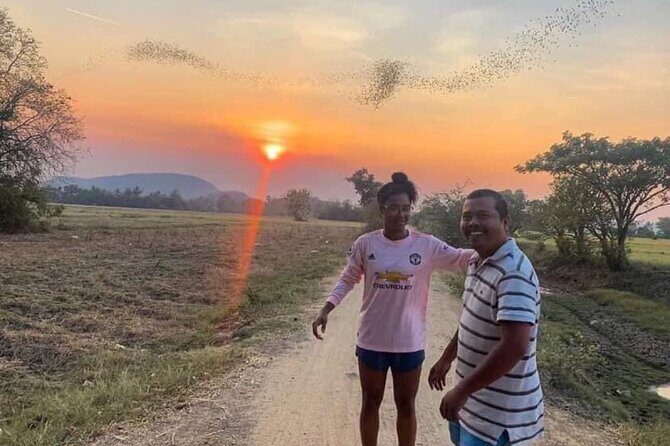
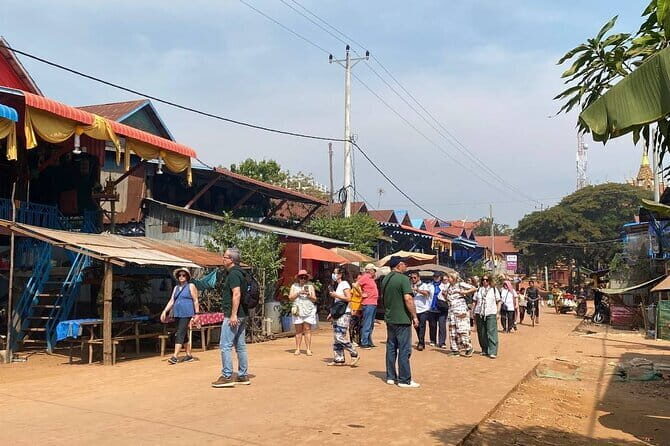
You meet at Battambang Central Market (452X+MHH, Street 113) and the start time is 9:00 am. A pickup is offered, and the tour ends back at the meeting point or drops you at a destination in the city, so you don’t have to plan your own endgame.
Early start matters here. Battambang is spread out, and the route includes both city stops and mountain areas. By leaving in the morning, you’re more likely to beat heat and you’ll have more daylight for the uphill sections and the bat cave timing later.
During the ride days like this can feel rushed. Here, that’s managed by the stop structure: short temple visits, focused production stops, then a longer window for lunch and the big scenic parts. You’ll also have bottled/drinking water during the tour, which is not a small deal in the Cambodian sun.
One practical note: the tour works best in good weather. The route includes hikes and outdoor viewpoints, so if it’s rainy, you may need a different date. That’s not a “maybe”—the experience is tied to weather conditions.
City temples first: 100-year carvings and a Wat tied to the Khmer Rouge
The day opens in Battambang Province with a 100-year temple in the city center. This is the kind of stop that gives your bearings fast. You see carved details and murals up close, and it helps you understand the style of Buddhist art you’ll encounter later.
Then the route shifts toward darker history with Wat Samrong Knong. This is an over-100-year-old Buddhist temple that the Khmer Rouge used as a prison. The sobering part is that you can see skulls and bones of the deceased. It’s not a long stop, but it’s not something to treat like a quick photo opportunity.
If you’re sensitive to heavy sites, plan your headspace before you reach it. I’d keep your camera put away unless you’re in a respectful, ready-to-see mood. You don’t need to rush, but you also don’t need to linger longer than you can handle.
The bamboo train ride: the only real extra, and it’s optional for a reason
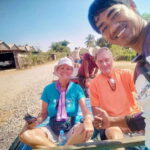
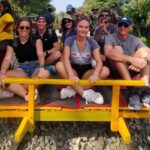
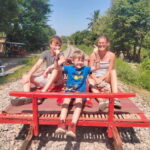
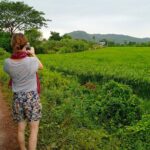
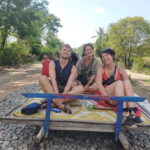
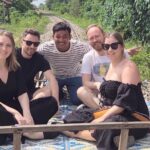
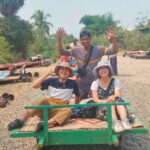
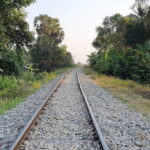
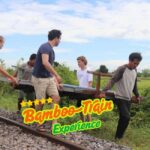
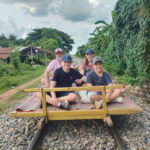
Next comes the bamboo train in Battambang. This is the signature countryside experience: you ride through areas with rice fields and view the landscape from a very different angle than road transport.
Here’s the deal: the bamboo train ride costs $5 per person extra, and it’s not included in the base price. That makes it the only meaningful add-on on this route. Still, it’s a big part of what makes Battambang special, so I get why it’s on the plan.
One thing to consider is how the ride fits your energy. The bamboo train stop is about an hour on the clock, so it adds structure to the day rather than floating you into a random “maybe we ride” slot. If you hate waiting, this clarity helps. If you love unique local transport, it’s one of the most memorable segments.
Food stops that you can taste and actually explain later
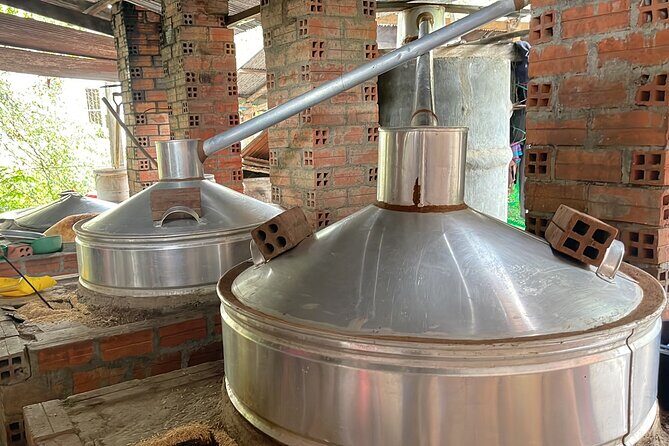
This is where the tour earns its keep.
You can also read our reviews of more tours and experiences in Battambang

Fish market and fish sauce/paste making
At the local fish market, you’ll learn how locals make fish sauce and fish paste. The value here is in the everyday scale of it. Instead of a far-off cooking class with rehearsed steps, you see the ingredients and process tied to what people eat regularly.
This stop is only about 30 minutes, so you won’t become a fermentation expert by lunchtime. But you will come away with enough context to understand why certain flavors show up again and again in Cambodian cuisine. It’s the kind of lesson you carry into your next meal.
Rice paper and spring rolls
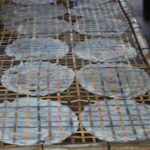
Then you get to try and learn how to make rice paper and spring rolls at a restaurant. You’re working with locally sourced ingredients and seeing the steps tied to what ends up on tables.
This stop is practical because it ends in tasting—fresh spring rolls are a big payoff for the time. Even if you don’t want to cook at home, you’ll understand the textures and why the process matters. And yes, this kind of stop can get a little messy (in a fun way), which is exactly why it’s more memorable than just watching.
Banana chips and rice wine: quick factory tours with real flavor payoffs

The route includes two production-style stops that fit well into a full-day plan.
First is a banana chip factory, where you’ll learn how banana chips are made and you get to try the freshly made chips. This is one of those “small” experiences that still feels very Battambang. The snack is easy to like on-site, and it’s also easy to keep in mind afterward when you’re craving something salty and crunchy.
Second is a rice wine factory stop. You learn about rice wine infused with cobra snake and fruit, and you can try the rice wine. That’s definitely not for everyone. If you don’t drink alcohol, you might still find the process interesting as an example of local food culture and regional specialty production.
A practical thought: these factory stops can be a little intense if you’re not into food production. But if you’re the kind of person who likes learning how everyday products get made, you’ll likely enjoy the variety.
Ek Phnom and the big photo moments
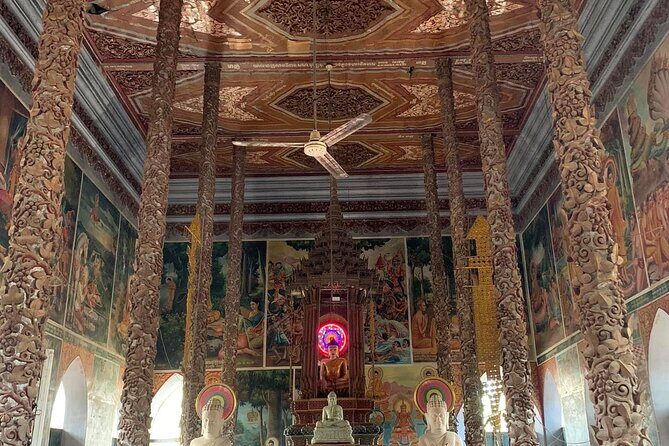
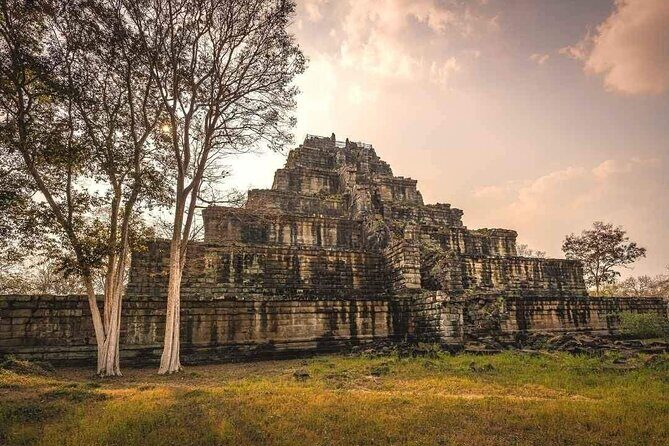
After the food and factory stops, the tour moves to Ek Phnom, an ancient Khmer temple with a large Buddha statue. This stop is about 30 minutes, which keeps it from dragging, but it’s long enough to take photos and take in the scale.
This is a nice “breather” point between heavier history and the mountain viewpoints later. If your group likes pictures, you’ll appreciate that there are clear visual angles here—temple + statue + wide surroundings.
Lunch break: an hour to reset your pace
You get a lunch break for about 1 hour, at a location of your choice in the area. Recommendations can be provided if you want them.
This is important because the day is packed with short stops. An hour for lunch isn’t just about food—it’s the reset button. Use it to hydrate, check the vibe in your group, and decide if you want to keep pushing hard or go a little slower for the rest of the route.
If you’ve eaten at the food stops earlier, you may not want a huge meal. In that case, treat lunch as comfort rather than a “must eat everything” situation.
Phnom Sampeau: the temple and the killing cave (respectful viewing required)
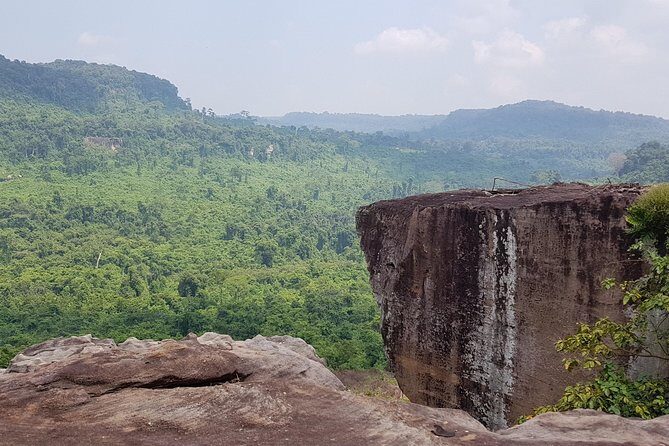
Later you head to Phnom Sampeau, where you climb up to Buddhist temple areas and the killing cave. You’ll see amazing views over the countryside and rice fields—one reason this stop is so popular for photos.
The other reason is what’s inside the cave area. You can walk into the killing cave and see skulls and bones of the deceased. This is a heavy stop. No amount of “cool view” makes the cave portion any easier to process.
I’d go in knowing you may feel unsettled. Keep your movements respectful, follow your guide’s lead, and let the silence happen if it does. This is one of those moments where the guide’s tone and pacing matter more than speed.
The total time here is about 2 hours 30 minutes, which tells you this is not just a quick stop. There’s climbing, time near viewpoints, and time inside the cave area.
Bat caves at sunset: the best kind of waiting, with payoff
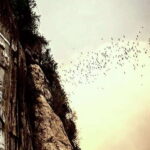
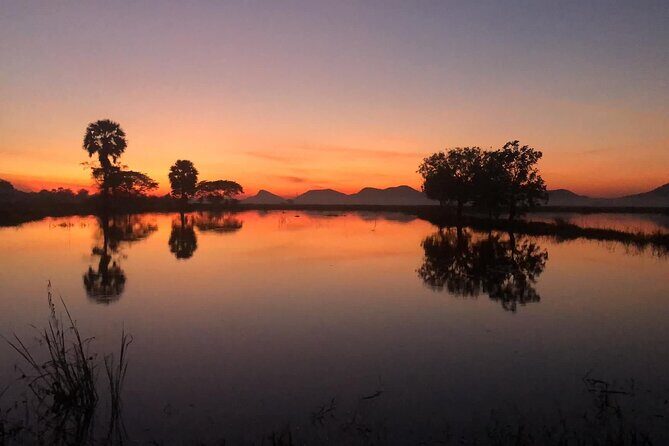
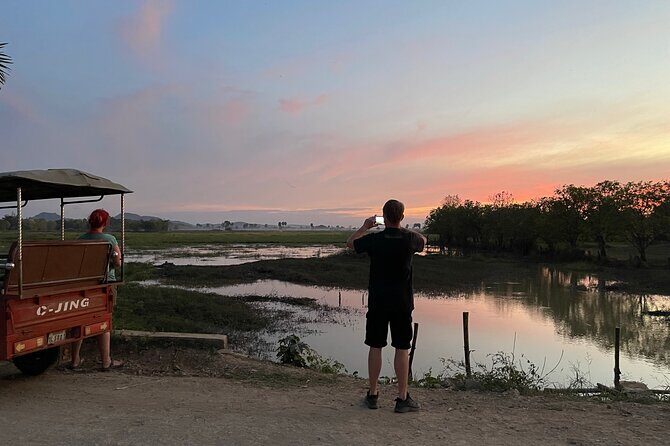
The final big outdoor moment is the Battambang Bat Caves at sunset. The idea is simple: you watch millions of bats fly out toward feeding grounds over the rice fields.
This segment is about 30 minutes, but it feels longer in the best way because you’re waiting for the moment. There are beverage and snack stands at the base area, which helps you stay comfortable without needing to leave the spot at the wrong time.
Sunset timing is the key. If you’re late, you miss the rhythm of it. If you’re early, you get time to settle in and watch the crowd build while you take in the sky. Bring patience and focus on the sky line more than trying to force the perfect photo.
Price and value: what $20 buys, what costs extra, and why it still stacks up
At $20 per person for a private full day, this tour is good value if you want a structured day without spending time negotiating transport. You also get private transportation and drinking/bottled water, which reduces “hidden costs” you’d otherwise pay.
What’s included vs. extra is fairly clear in the plan:
- Bamboo train: $5 per person extra.
- Several temple and site admissions are listed as included or free, and the lunch is on your choice of where to eat.
In practice, this means your budget is mostly predictable. You’re not getting surprised by a long list of fees mid-day. And because it’s private, the “cost per person” stays reasonable even for small groups, where shared tours can get expensive quickly.
Also, the private format adds real value: you’re not stuck listening to a guide repeat everything multiple times at group volume. With DJ’s Tuk Tuk Tours, the route is designed as a smooth circuit, and the guide can answer questions while you’re actually riding between places—not in a separate lecture moment.
Who should book this tour (and who might not love it)
This fits you best if you want:
- A full-day Battambang overview with minimal planning
- Hands-on local food-making stops
- Temple visits plus countryside viewpoints
- A sunset experience built around timing
You might not love it if:
- You hate any sites involving mass death or remains
- You want only cheerful, light sightseeing
- You dislike hiking and steps (there are mountain viewpoints and cave areas)
The good news: the day includes breaks—short stops in town, lunch time, and a clear end at the bat caves—so it’s not constant hard trekking.
Should you book Dj’s Tuk Tuk Tours? My straight answer
Yes, if you want one day that hits the real Battambang highlights with a private guide, and you can handle the heavy historical sites with respect. The biggest win is the mix: temples, production-style stops you can taste, and countryside + sunset moments you can’t really replicate by yourself without a lot of coordination.
Book it even more confidently if you like your sightseeing with structure and someone else doing the route math. The tour’s reviews have a common theme: a day that flows well, good location choices for photos, and a guide who keeps the experience organized and answer-ready.
Just go in prepared. Wear walking shoes. Bring water mindset (you’ll have water, but you’ll still feel the heat). And mentally brace for Wat Samrong Knong and the Phnom Sampeau killing cave stops.
FAQ
FAQ
How long is the private tuk-tuk tour in Battambang?
It runs for about 9 hours.
What time does the tour start?
The start time is 9:00 am.
Where does the tour start?
It starts at Battambang Central Market (452X+MHH, Street 113, Krong Battambang).
Does the tour offer pickup?
Pickup is offered.
Is the bamboo train included in the price?
No. The bamboo train ride costs $5 per person extra.
Are entrance fees included for the stops?
Some admissions are included and some are free, but the bamboo train entrance is not included.
What food experiences are included?
You’ll visit a fish market (fish sauce and fish paste), a rice paper and spring roll restaurant (with tasting), a banana chip factory (with tasting), and a rice wine factory (tasting is available).
Is drinking water provided?
Yes. Drinking/bottled water is provided throughout the tour.
Is the tour dependent on weather?
Yes. It requires good weather, and if it’s canceled due to poor weather, you’ll be offered a different date or a full refund.