REVIEW · BATTAMBANG
Battambang Private Full-Day Tour
Book on GetYourGuide →Operated by Thing to do in Battambang · Bookable on GetYourGuide
A full day in Battambang can feel like a puzzle. This one works because it mixes food-making tastings, iconic local transport, and the province’s most important history—without rushing you into a blur. You’ll also get a private tuk-tuk setup that makes the day easier to manage.
Two things I like a lot: you get hands-on, snack-worthy experiences like paper rice making and spring roll tasting, and the day includes the wow factor of the bamboo train ride plus the bat cave moment. The main drawback to plan for is that this route includes heavy sites tied to the Khmer Rouge, so the mood can turn serious fast.
If you’re curious about how Battambang actually feels beyond the headlines, this tour is built for that.
In This Review
- Key points to know before you go
- Battambang in One Long Day: How This Private Route Flows
- Crocodile Farm, Local Market Energy, and Getting Your Bearings
- Samrong Knong Killing Field: Where the History Takes Over
- Paper Rice, Spring Rolls, Banana Chips, and the Fun Part of Learning
- Rice Wine Production and Ek Phnom Temple: Craft Meets Culture
- Battambang Provincial Hall and the Suspension Bridge: Small Stops, Big Pace Impact
- Bamboo Train Battambang: The Ride and the Views
- The Killing Cave and Khmer Rouge History: Respectful, Direct, and Heavy
- Phnom Sampov Bat Cave: Waiting for Millions of Bats to Fly
- Food Is Not an Afterthought Here: Why the Tastings Feel Like Real Travel
- Price and Value: What You’re Actually Paying For
- Who This Tour Fits Best (and Who Should Skip It)
- Should You Book the Battambang Private Full-Day Tour?
- FAQ
- What time does the tour start, and where do we meet?
- How long is the Battambang Private Full-Day Tour?
- Is there an English-speaking guide?
- What is included in the price?
- What is not included?
- Can I choose not to do certain stops?
- What should I bring for the day?
Key points to know before you go
- Private tuk-tuk day with hotel pickup and drop-off, so you’re not figuring out logistics alone
- Hands-on tastings: rice paper, spring rolls, banana chips, and rice wine production
- Bamboo train ride paired with scenic views on the way
- Somber stops at the killing field and killing cave with Khmer Rouge history explained in English
- Phnom Sampov bat cave with a seated waiting setup for the bat flight moment
- Flexibility on the day so you can adjust if one stop is not your style
Battambang in One Long Day: How This Private Route Flows
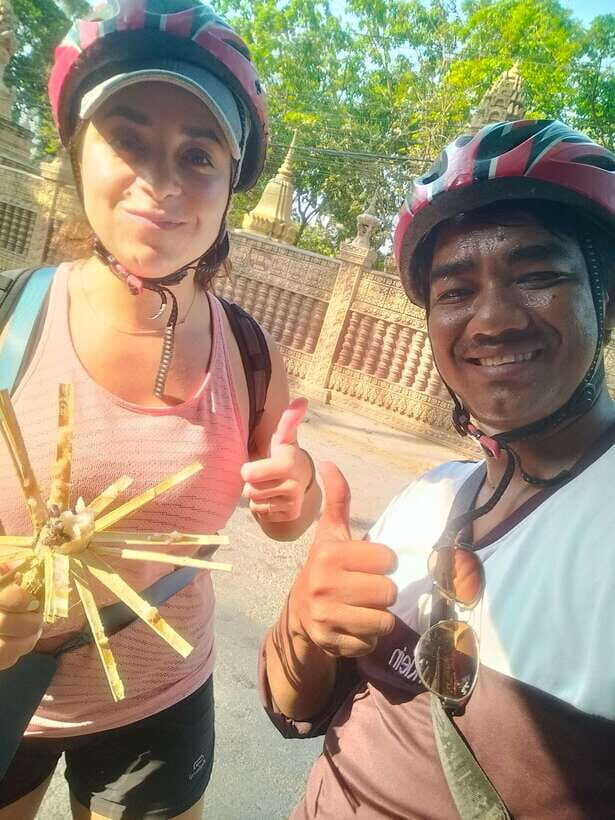
This is the kind of tour you take when you want to feel like you covered a lot, but still had time to actually look and ask questions. Starting in Krong Battambang at 8:30am, you’ll spend about 11 hours hopping between villages, food stops, temples, bridges, and two major history sites tied to the Khmer Rouge.
The value here is not just the sightseeing list. It’s the way the day is paced: a mix of active moments (walking, scenic rides) and shorter guided breaks (museum-like history stops, temple visiting, food production tours). And because it’s a private group, your guide can tailor the rhythm more than a large shared tour ever could.
Also, cold water and included tastings keep the day from turning into pure travel fatigue. That matters because the day is packed—especially if you’re sensitive to long hours in the sun.
You can also read our reviews of more private tours in Battambang

Crocodile Farm, Local Market Energy, and Getting Your Bearings
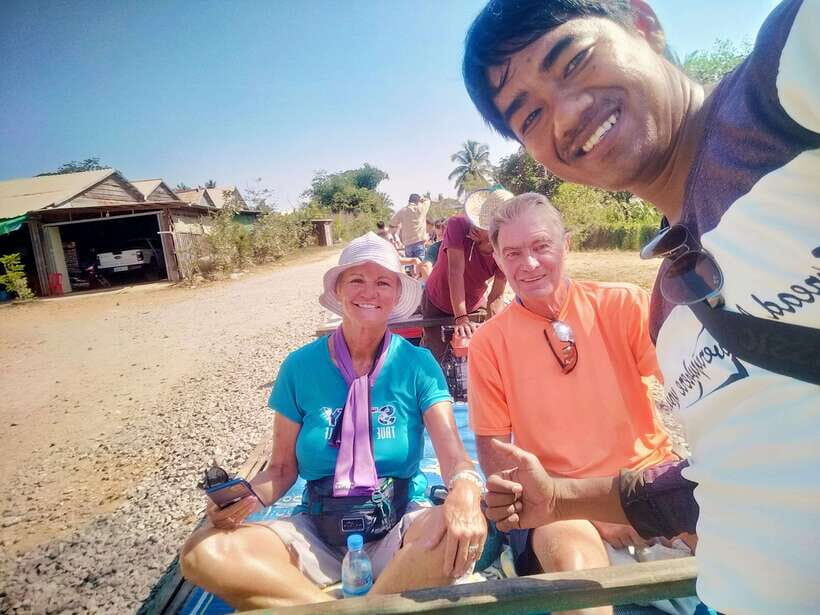
Most full-day Battambang tours start with something easy to orient you. Here, that warm-up is the Battambang Crocodile Farm, listed at about 40 minutes, with a guided visit.
What makes it appealing is simple: you get a fast look at one of Battambang’s more well-known local attractions (around 400 crocodiles are part of the attraction), and then you’re out again. If you’re not into animal farms, you still have a route option—one of the strongest bits of feedback from prior guests is that you can shift things around if a stop doesn’t match your interests.
Right after that, the schedule leans into how locals live: local market time is built into the morning, and the guide’s explanations help you connect what you’re seeing to everyday life, not just photos. Even if you only catch glimpses, it gives the day context.
Samrong Knong Killing Field: Where the History Takes Over
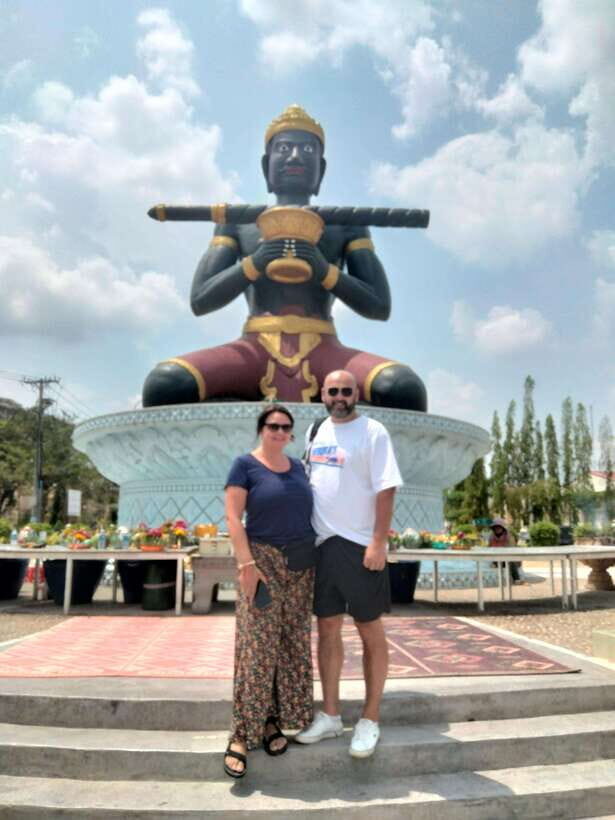
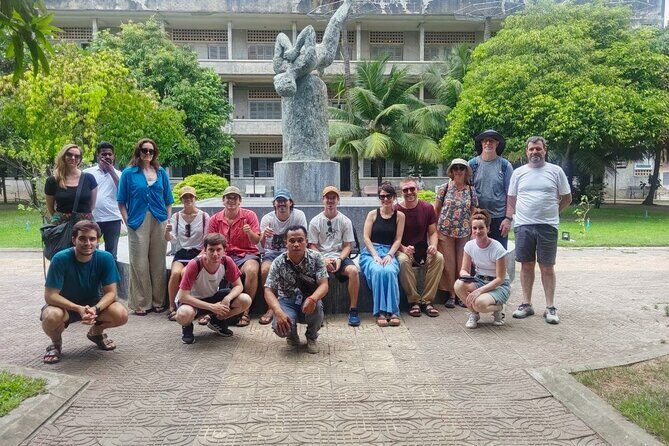
Then the tour changes tone. Samrong Knong Killing Field is scheduled for about 85 minutes, with guided visiting and sightseeing, and it’s one of the key points tied to Khmer Rouge history.
This is where your guide’s English explanations matter most. You’ll be hearing the story behind the place as you look around. It’s not just a photo stop. Plan to move a bit slowly, because you’ll want time to take in what’s in front of you rather than rushing through.
Practical advice: wear comfortable clothes you don’t mind getting dusty and comfortable shoes since there’s sightseeing and walking built into these stops. Also, bring a calm mindset. This part of Cambodia’s history is not light.
Paper Rice, Spring Rolls, Banana Chips, and the Fun Part of Learning
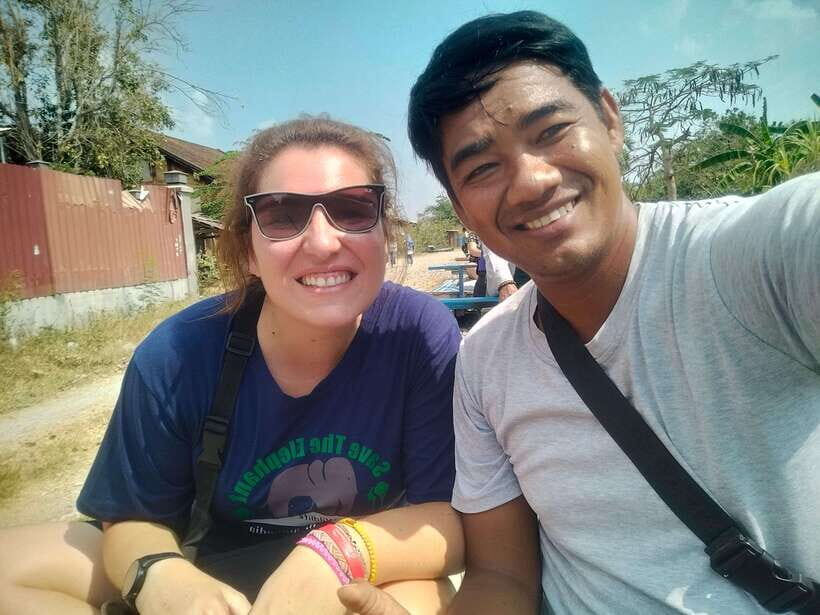
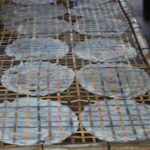
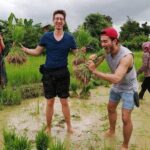
After the serious sites, the itinerary pivots back toward something you can taste. The rice paper and spring roll stop is listed as about 1.5 hours, and it includes photo stops, a visit, and tasting.
This is one of the highest-praise aspects of the day. People clearly like that the experience is not just eating. You get demos and production explanations tied to food you’ll recognize and likely want to remember later. The spring rolls are a highlight here, and the paper rice making experience is exactly the kind of hands-on activity that makes a tour feel more real than a checklist.
What to expect at this stop:
- You’ll see and learn how rice paper and related snacks are made
- You’ll have tasting included, including spring rolls
- There are also additional snack-style items such as banana chips as part of the broader food sequence
If you love food travel, this is the moment you’ll be most grateful this is a private day. You can ask follow-up questions and linger a little if something catches your interest. And if you prefer food to animals, this section is likely the part you’ll remember most.
Rice Wine Production and Ek Phnom Temple: Craft Meets Culture
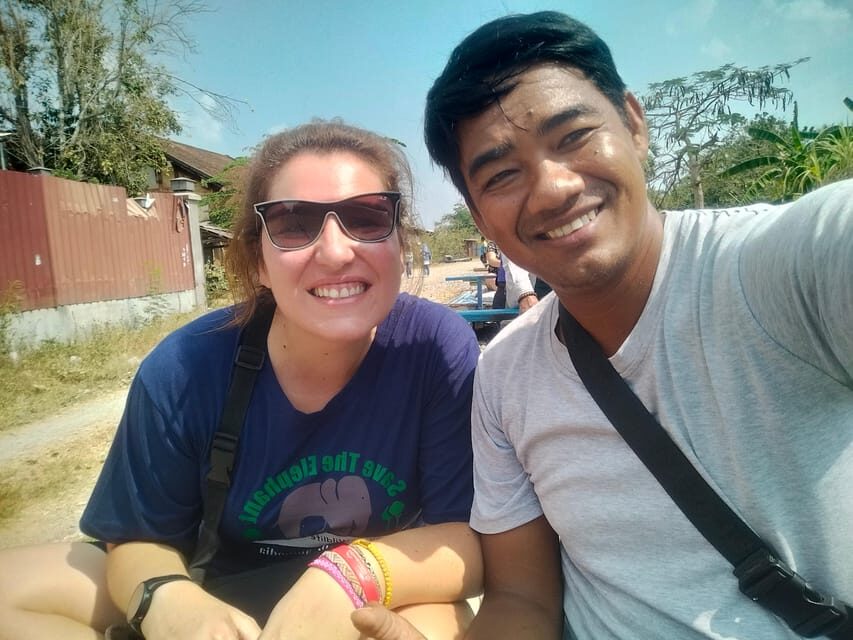
Next, you head to a rice wine production place for about 40 minutes, including photo stop and guided tour. This is another stop built around how things are made locally, not just where they are.
You’ll also find that the day keeps stacking small cultural moments:
- You watch and learn production steps
- You take breaks for water
- You move from craft to craft, rather than jumping straight from one major site to another
Then comes Ek Phnom temple for about 85 minutes, with sightseeing and a walk. Temples in Battambang are not just architecture—they’re part of how people understand space, worship, and community routines. This time, the guide’s explanations help connect the setting to customs and religion, not just stone and angles.
One consideration: you’ll likely do more walking than you expect on a day that also includes caves. If you’re prone to foot pain, give your shoes a serious test before you go.
You can also read our reviews of more tours and experiences in Battambang

Battambang Provincial Hall and the Suspension Bridge: Small Stops, Big Pace Impact
The Battambang Provincial Hall is a short stop on the schedule—about 25 minutes—with a photo stop and guided tour. It’s not meant to take over your day. Instead, it gives you a different view of Battambang: the administrative and civic side.
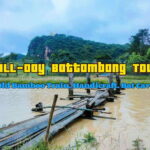
Then you move to the Suspension Bridge area. The time on this part is listed as about 3.42 hours, which is long compared with typical bridge stops elsewhere. In practice, what that means for you is more time for photos, more time to walk around, and more time to let the day slow down a bit between major experiences.
If you’re the type who likes scenic breaks, this is a good time to slow your pace. If you prefer constant action, you may find this section takes longer than you want. Either way, it’s a chance to reset before the next big moments: the bamboo train and the caves.
Bamboo Train Battambang: The Ride and the Views
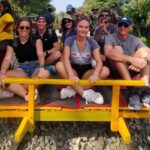
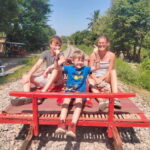
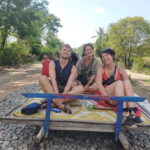
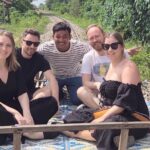
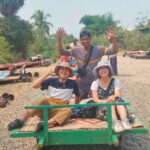
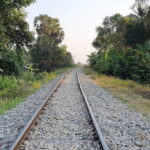
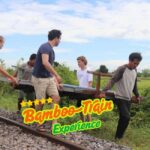
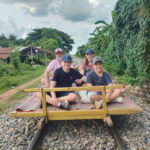
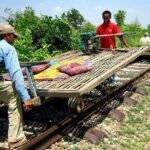
Bamboo Train Battambang is scheduled for about 75 minutes, including a photo stop, visit, and scenic views on the way. This is one of the tour highlights, and it’s also called out as something many people specifically come for.
Here’s the key practical point: the bamboo train is listed as not included in the tour cost. So you should expect to pay for the bamboo train experience separately through tickets or direct payment as required on the day. That’s not a dealbreaker—it just means you should carry cash so you can handle it without stress.
What I like about how this stop is built into the day is that you don’t just show up and get one snapshot. You get some time around the ride location and the travel route leading to it, which makes it feel less like a ticket line and more like a regional experience.
The Killing Cave and Khmer Rouge History: Respectful, Direct, and Heavy
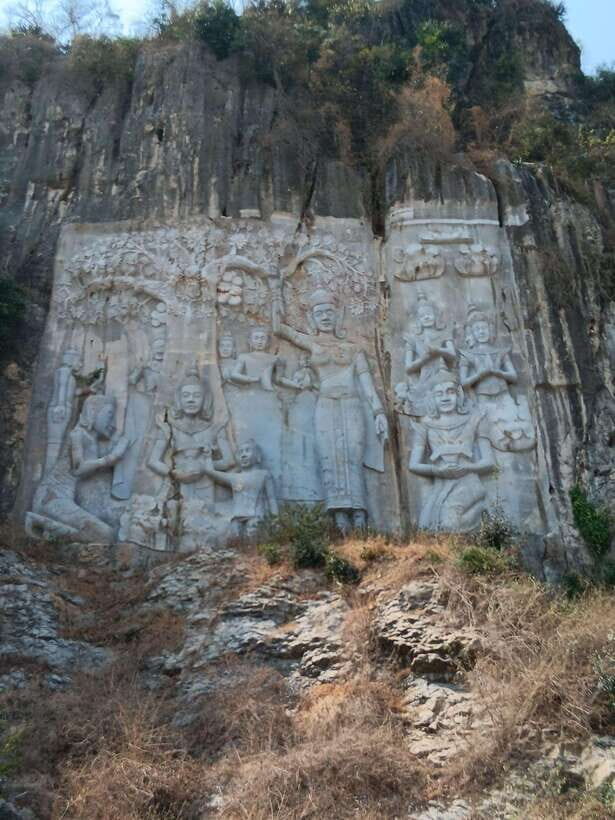
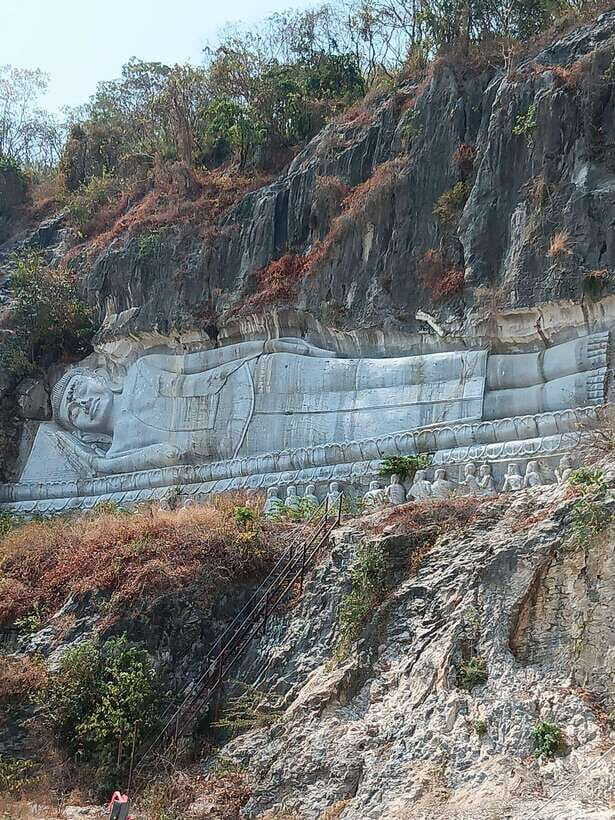
After the bamboo train, you head to The Killing Cave in Battambang. This stop is about 70 minutes, with a guided tour, sightseeing, and walking.
This is the other major Khmer Rouge stop of the day. The guide’s job here is crucial: you’ll get an explanation about Khmer Rouge history while you’re at the site, which keeps it from feeling like a random set of ruins. You’ll also see how the place fits into the story of the time period.
A note on emotional pacing: even if you feel prepared, this stop can hit harder than you expect. Give yourself enough time to absorb what you see. Don’t treat it like a photo challenge.
Phnom Sampov Bat Cave: Waiting for Millions of Bats to Fly
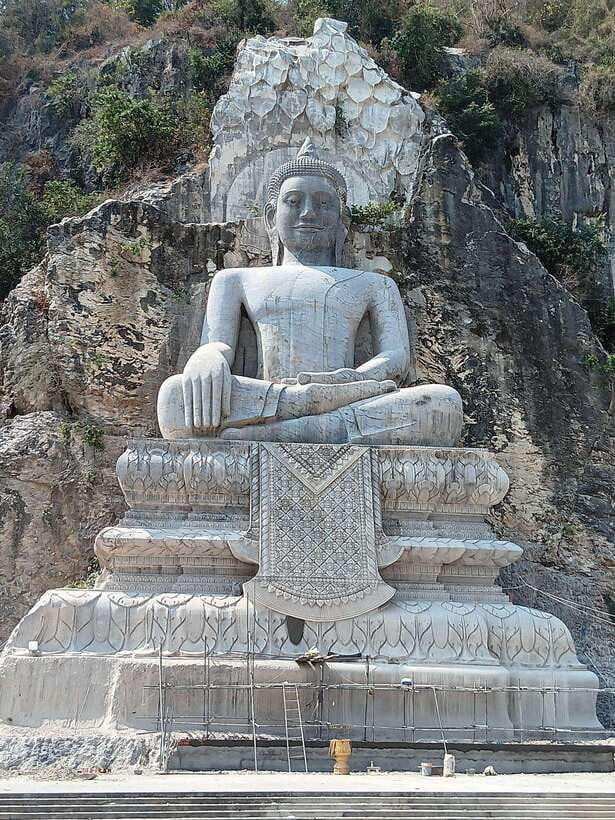
The final big “wow” moment comes at Bat Cave Phnom Sampov. You’ll spend about 45 minutes here with visit time plus beer, tea, picnic, and street food.
Then comes the moment that people remember: you sit on the ground and wait for the bat flight from the cave. The highlight is five million bats flying out, and that’s the whole reason this ending works.
Two practical things I’d plan around:
- This part is tied to a timing moment, so keep your attention on the schedule and follow your guide’s cues.
- Comfort matters. You’re sitting on the ground, so wear something easy on your legs.
The good news is the tour builds in a food-and-drink break right before the waiting. You get a little comfort—tea and picnic-style items—so you’re not just waiting on empty stomach.
Food Is Not an Afterthought Here: Why the Tastings Feel Like Real Travel
This is one of the most practical advantages of the tour: it includes all tastings, and it actually teaches you something while you eat. You’re sampling from multiple points—rice paper and spring rolls, banana chips, and rice wine production—so it’s not one isolated snack stop.
It also includes the right kind of variety:
- Quick bites that fit a walk-and-look day
- Demo-based learning so you understand what you’re tasting
- Local production themes so you connect the flavors to the process
And if you like taking home memories that aren’t just photos, this is where you’ll score points. You can remember how the spring rolls tasted, what paper rice looked like before it became a snack, and what the rice wine production setup was like in real life.
Price and Value: What You’re Actually Paying For
The price is $36 per person for an 11-hour private full-day tour, and that’s where the value story gets interesting.
You’re getting:
- Hotel pick-up and drop-off in Krong Battambang
- A tuk-tuk tour guide
- English live guiding with Khmer Rouge history context
- Cold water
- All tastings
- Donation
That combination matters. A lot of tours in Cambodia can look cheap on paper but then pile up costs for transport, guide time, and entrance fees. Here, the tour package clearly covers a big chunk of the day’s essentials, especially tastings and guiding.
What is not included:
- Bamboo train
- All tickets
- Lunch
- Self expenses
That means the final total might be a bit higher for you depending on what the bamboo train and tickets cost that day. Still, the structure makes budgeting easier because most of your day is already accounted for. I’d call this a good value option if you want a private guide, not just a shared bus day.
Who This Tour Fits Best (and Who Should Skip It)
This tour is a strong fit if you:
- Want a full-day overview of Battambang Province without juggling multiple transfers
- Like food experiences with real demos (paper rice and spring rolls are a highlight)
- Are interested in Khmer Rouge history but want it explained clearly in English
- Prefer private pacing so you can adjust on the day
It may not be ideal if you:
- Strongly dislike animal-related stops, since there is a crocodile farm on the morning route (though you can often adjust)
- Hate long walking days, because temples and cave areas add up
- Want a pure leisure day with no heavy historical content
Should You Book the Battambang Private Full-Day Tour?
I’d book this if you want one day that has variety: tasty food, a signature Battambang ride, and two of the province’s most important history stops—plus the bat cave payoff at the end. The private tuk-tuk format plus included tastings and cold water make it feel smoother than building the day yourself.
Skip it or rethink it if heavy history sites are not your thing, or if you want lunch and ticket costs bundled in a single all-in price. Otherwise, this is a practical, high-value way to see a lot of Battambang while still having time to understand what you’re looking at.
FAQ
What time does the tour start, and where do we meet?
The tour meets at 8:30am and the pickup location is Krong Battambang.
How long is the Battambang Private Full-Day Tour?
It runs for about 11 hours.
Is there an English-speaking guide?
Yes. The tour includes a live tour guide in English.
What is included in the price?
Included are hotel pick up and drop off, tuk tuk tour guide, historical guidance including Khmer Rouge history, cold water, all tastings, and donation.
What is not included?
Not included are the bamboo train, all tickets, lunch, and self expenses.
Can I choose not to do certain stops?
You can change things to suit your interests, and it’s fine if there’s a stop you do not want to do.
What should I bring for the day?
Bring comfortable shoes, sunglasses, a sun hat, a camera, sunscreen, comfortable clothes, cash, and biodegradable insect repellent.