REVIEW · BATTAMBANG
Grand Tour-Ek Phnom. Baset. Bamboo Train. Wat Banan. Phnom Sampov
Book on Viator →Bookable on Viator
Battambang by bike feels like a day with locals. This low-impact route mixes countryside pedaling with quiet temple stops, a hands-on Khmer food moment, and the big showpieces of the area like the bamboo train and bat caves.
I love the food-and-snack tastings and the way you learn how common Khmer treats are made, not just eaten. I also like that you’re riding a Giant mountain bike with a helmet, so the “adventure” stays comfortable instead of chaotic.
One thing to consider: the schedule is full, and Wat Banan includes a climb of 358 steps. If stairs or heat are your weak spot, plan for a slower pace and take breaks.
In This Review
- Key things I’d circle before you go
- Battambang countryside on a real bike (with a guide who sets the pace)
- Value check: what $45 covers (and what costs extra)
- Your small-group ride: what it feels like in real time
- First stops in town: Ta Dumbong Kro Aung and Baset Temple
- Wat Samrong Knong: a Khmer Rouge memorial stop that deserves your attention
- Ek Phnom Temple: big Buddha, shade breaks, and north-side views
- Bamboo train at Ou Srauo Laou: the one ride you’ll remember
- The food lesson and tasting time: rice products, dumplings, and rice paper
- Wat Banan: 358 steps, five towers, and a view you earn
- Phnom Sampov evening: Killing Caves and sunset views
- Battambang bat caves at dusk: the bat army moment
- Who this tour suits best
- The guides and the human factor
- Should you book Grand Tour-Ek Phnom, Baset, Bamboo Train, Wat Banan, Phnom Sampov?
- FAQ
- How long is the tour?
- What’s the price, and is pickup included?
- Do I get a bike and helmet?
- How much does the bamboo train ride cost?
- How many steps do I climb at Wat Banan?
- Does the tour visit a Khmer Rouge memorial?
- What if I need to cancel?
Key things I’d circle before you go
- Up to 10 people in the group, so your guide can actually answer questions while you ride
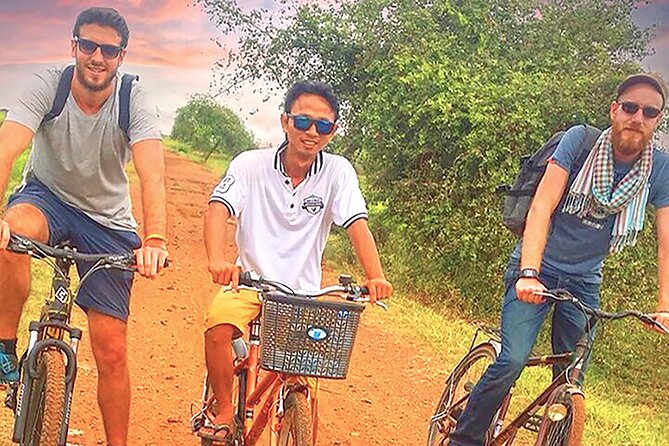
- Giant mountain bike + helmet, which makes the countryside roads feel much more doable
- Snack stops and a Khmer cooking-style session, with lots of sampling time
- A classic bamboo train ride near Battambang, plus a bit of village time
- Wat Banan’s 358 steps leading to five towers and wide views
- Dusk timing for Phnom Sampov views and the bat “army” flight from the caves
Battambang countryside on a real bike (with a guide who sets the pace)
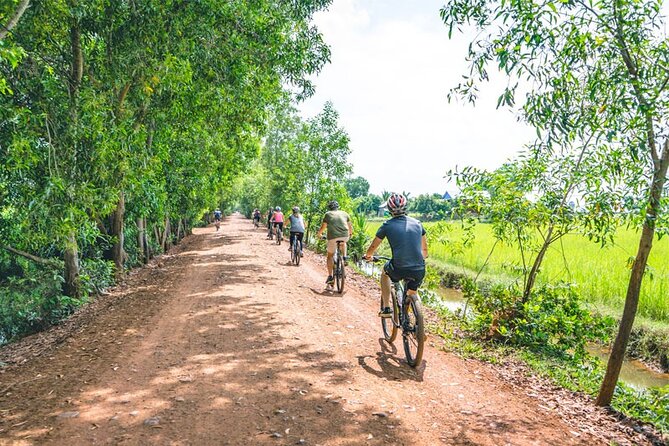
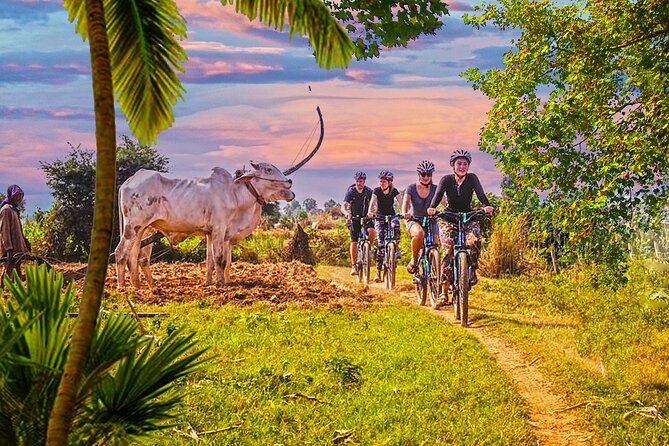
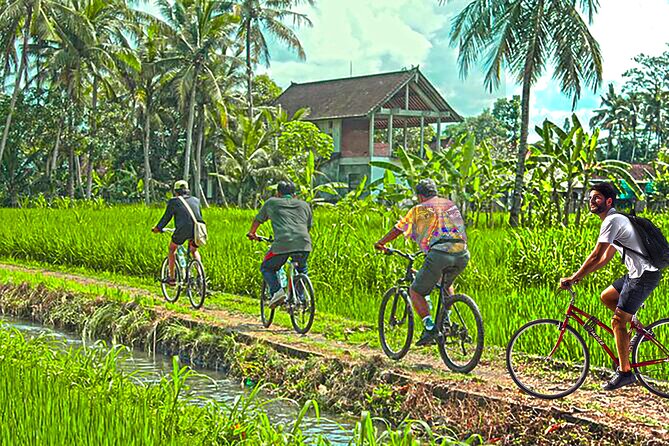
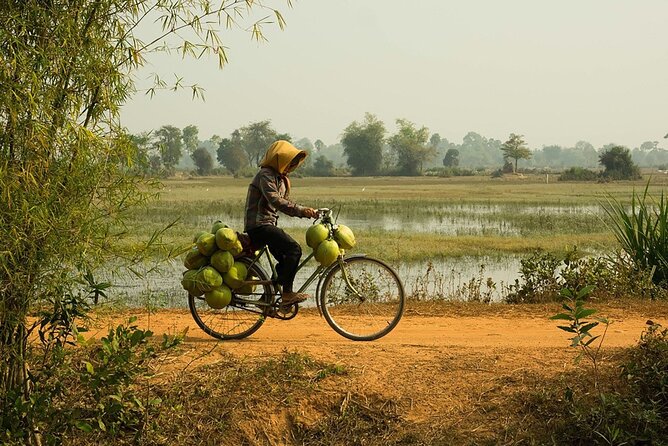
This tour is built around moving through the Battambang countryside in a way that feels practical, not performative. You’re not stuck inside a van all day. You pedal past farms, small communities, and rice fields, then you hop back into transport when the route makes more sense by road.
The bike setup matters. You get a helmet and a high-quality Giant mountain bike, which changes the tone of the day. You can focus on the places and the people instead of worrying about your ride comfort or balance.
And the guide isn’t just along for logistics. You’re there to learn. The route includes an artisan-style food stop where you’ll see how things are made and then make a few items yourself with plenty of tasting time.
Value check: what $45 covers (and what costs extra)
At around $45 for about 11.5 hours, this feels like strong value in Cambodia, especially because the day includes a lot more than just biking. Pickup and drop-off are included, you’re supplied with unlimited cold bottled water, and you have an English-speaking local guide. There’s also a private tuk-tuk for the transfers between the wider spread of sights.
Temple admission coverage is split by stop, but several key sights are marked as included. The big extra you should budget for is the bamboo train ride: it’s $5 per person and is not included in the base price.
So the math is pretty simple: you’re mostly paying for guide time, transport, bike access, water, and a full day of stops. If you’re excited about the bamboo train and you want a guided day that doesn’t feel like a rush, this price stacks up well.
Your small-group ride: what it feels like in real time
The group size is capped at 10. That matters more than it sounds. On a day like this—cycling plus multiple stops plus stairs—you don’t want a big crowd turning every viewpoint into a traffic jam.
Because the pace is guided, you also get a better sense of what to watch for while you ride. You’ll pass through everyday countryside scenes, and the guide helps connect those scenes to what you’re seeing later in the temples and memorials.
If you care about conversation, this is the kind of route where you can actually ask questions without feeling like you’re interrupting a show.
First stops in town: Ta Dumbong Kro Aung and Baset Temple
Your day starts with a look at central Battambang, including the kind of colonial-style building or provincial hall setting you can use to get your bearings fast. Then you head to Ta Dumbong Kro Aung Statue, where the emphasis is on learning its history. Admission is listed as free for this stop, which is a nice plus.
After that, you’re sent out into the countryside by tuk-tuk. The ride itself is part of the experience: you pass through small communities, farms, and rice fields as you travel toward Prasat Baset (Baset Temple). This stop gives you a full hour to slow down and take in the temple setting without feeling squeezed.
Practical note: the countryside drive is a good “reset” between cycling segments. It also means you don’t spend the entire day fighting rough roads or long distances on the bike.
Wat Samrong Knong: a Khmer Rouge memorial stop that deserves your attention
From Baset Temple, you head to Wat Samrong Knong, which includes memorials connected to victims of the Khmer Rouge. This isn’t a “quick photo stop.” You need a calm mindset for it.
It helps that the stop is about an hour, which gives you enough time to read and reflect without being rushed out. It also balances the more scenic parts of the day, like temples and viewpoints, with something real and heavy.
If your travel style is “learn by paying attention,” this stop lands well. If you’d rather keep the day light all the time, you’ll still want to be respectful here, even if you keep your own thoughts brief.
Ek Phnom Temple: big Buddha, shade breaks, and north-side views
Next up is Wat Ek Phnom on the north side of Battambang. The setting here is described as especially scenic, and the large Buddha is a major visual anchor for the visit. You also get about 1.5 hours, so you’re not just walking past.
What I like about this stop is the built-in rhythm. The itinerary mentions resting in the shade of a tree before returning to another attraction. That small detail matters in Cambodia, where the day can get hot and your energy goes fast.
Also, Ek Phnom fits the overall theme of the tour: you’re seeing religious sites that shape local daily life and landscape, not just collecting stamps.
Bamboo train at Ou Srauo Laou: the one ride you’ll remember
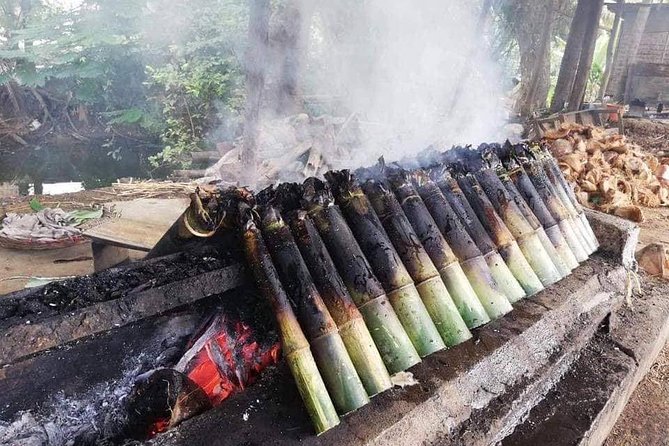
If you’ve never seen a bamboo train before, this is where the tour earns its reputation. You’ll explore the west of the city and reach the bamboo train area, then enjoy about a one-hour ride.
Here’s the practical part: bamboo train admission/ride cost is not included, and it’s listed at $5 per person. If you show up without that in mind, it can feel like a surprise at the end of a long day—so I’d plan for it early.
What makes this stop special isn’t just the novelty of bamboo. It’s the way it connects you to how people move and entertain themselves in rural areas outside the city center. After the ride, you’re driven to Ou Srolao village, where you can ride it long distance (the itinerary language suggests a chance to continue the experience from the village side).
Tip: wear shoes you don’t mind getting a bit dusty. Also, keep your valuables secure. The whole point is that it’s a working, local-style experience, not a polished theme ride.
The food lesson and tasting time: rice products, dumplings, and rice paper
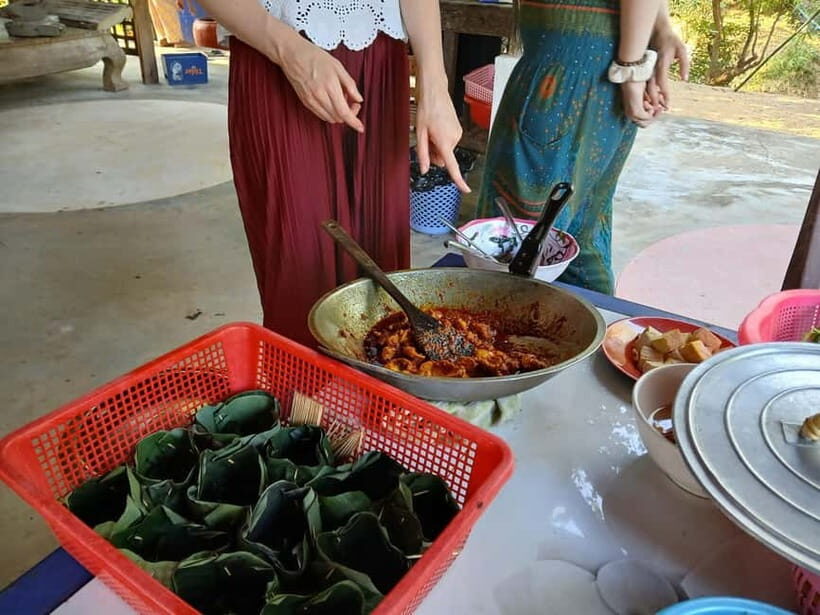
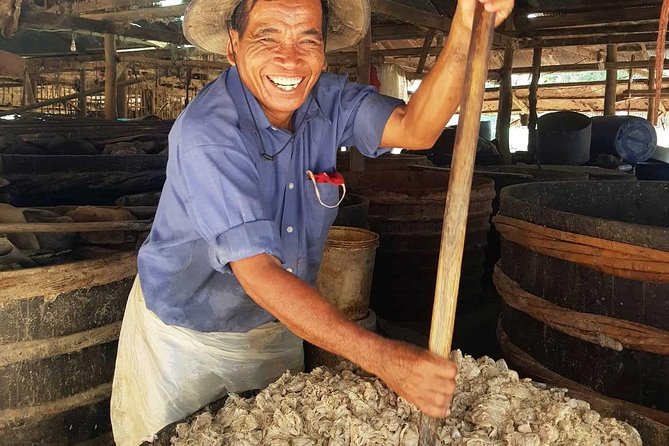
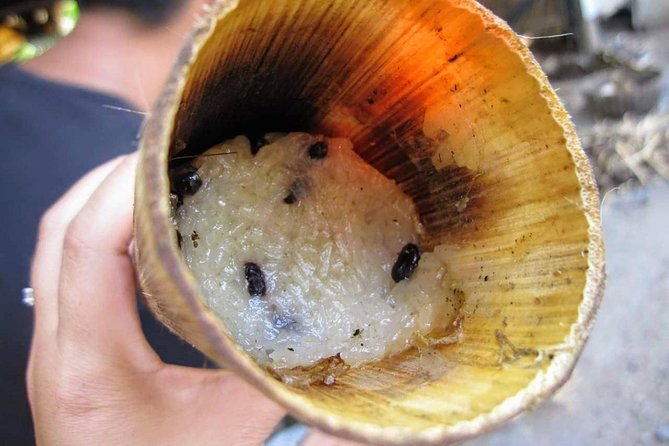
A standout part of this day is the Khmer food moment. You’ll visit a noodle factory, then learn how to make Khmer sweet rice flour cakes and sticky rice dumplings, along with items like spring rolls, dried bananas, rice wine, and rice paper. The key detail is that you’ll have ample opportunities to taste.
This is where the tour feels most human. You’re not just told what to eat. You’re involved enough to understand texture and process—how something becomes snack, treat, or staple.
What I like here is the balance: you get the craft side (manufacturing and making) and then the reward side (tasting). That combination usually turns a touristy food stop into something you actually remember.
If you’re the kind of traveler who likes to bring flavors home, this is also a smart choice. You’ll leave with a clearer idea of what to look for when you’re eating on your own later.
Wat Banan: 358 steps, five towers, and a view you earn
After the bamboo train, you head to Wat Banan, a temple up on the mountain. The big headline is that you must climb 358 steps to reach the five towers.
Let’s be honest: this is the toughest single physical moment on the itinerary. It’s not just about endurance. It’s about pacing. The heat plus stairs can drain you quickly, so I’d plan your rhythm early: small steps, short pauses, and focus on breathing rather than speed.
The payoff is the destination: five towers and a landscape-wide view. The itinerary gives you about 1.5 hours, which should be enough to climb up, take in the temples, and have a moment to cool down before heading back.
If you’d rather avoid stairs, this is the one stop where you might need to think twice. Everything else is more forgiving by comparison.
Phnom Sampov evening: Killing Caves and sunset views
From Wat Banan, the tour moves toward the south side of Battambang for Phnom Sampov, including the Killing Caves. This is also the stop that the itinerary calls out for timing: it’s best visited in the evening when the sun is setting.
That matters. Late light changes how you perceive a place like this. The view is part of the emotional weight of the mountain setting, and the cooler evening temperature is friendlier after a long day.
You’ll have around two hours here, giving you time to see the cave area and also enjoy the sunset perspective without feeling rushed.
If you want a lesson from this part of the day, it’s that the best viewing hours can be just as important as the site itself. Don’t treat Phnom Sampov like a daytime checkbox.
Battambang bat caves at dusk: the bat army moment
To close out the experience, you head to Battambang Bat Caves, often referred to as the Bat Army. This is where dusk becomes the star. At sunset, thousands of bats fly out of the caves in the mountainside caves.
This stop is listed as about two hours, and the timing is the whole show. If you arrive late, you’ll miss the rhythm. If you arrive early, you’ll still have time to get oriented and find a good spot.
Practical advice: bring something to cover your shoulders if you get cool at dusk, and keep your camera ready without blocking others. This is a moment people share, so give other viewers a clear line of sight.
The good news: the emotional tone of Phnom Sampov earlier in the evening and the natural spectacle of the bats don’t clash. Together they make for a memorable end to the day.
Who this tour suits best
This itinerary is ideal if you want a day that mixes physical activity with real local culture. You’ll enjoy it if you like:
- Food learning and tasting, especially rice-based Khmer snacks and treats
- Temple visits with context, including a Khmer Rouge memorial stop
- A countryside bike experience where transport bridges the longer distances
- Evening sights like sunset views and the bat flight
It’s less ideal if you:
- Have mobility limits that make 358 steps unrealistic
- Prefer light, low-activity travel with lots of downtime
- Are sensitive to long days with multiple walking segments
The guides and the human factor
A big part of why this works is the guide. The tour is described as having a friendly English-speaking local guide, and one previous group specifically singled out Mr Reed for his role in explaining artisan work and making the day feel meaningful and well paced.
The tour provider is listed as Battambang Tour with Mr Lychee. Whoever you’re assigned, the best move is to ask direct questions. If you want to learn how the sweets and rice products are made, ask about the steps you see and the ingredients you’re tasting. That’s where the tour turns from sightseeing into understanding.
Should you book Grand Tour-Ek Phnom, Baset, Bamboo Train, Wat Banan, Phnom Sampov?
I’d book it if you want a full Battambang day that’s active but not reckless, and you care about more than temples on a checklist. The combination of countryside cycling, Khmer food instruction and tasting, and the signature experiences (bamboo train and bat caves) gives you a lot of variety for the price.
I’d think twice only if the stairs at Wat Banan are a dealbreaker for you. If they are, you’d either need a plan to slow down heavily or choose a different route.
If you like your travel days to feel personal—small group size, guide-led conversation, and time to taste and learn—this one fits.
FAQ
How long is the tour?
The tour runs for about 11 hours 30 minutes.
What’s the price, and is pickup included?
The price is listed as $45, and pickup and drop-off are included.
Do I get a bike and helmet?
Yes. You’ll ride a Giant mountain bike and you’ll be given a helmet.
How much does the bamboo train ride cost?
The bamboo train ride costs $5.00 per person and is not included in the tour price.
How many steps do I climb at Wat Banan?
Wat Banan requires climbing 358 steps.
Does the tour visit a Khmer Rouge memorial?
Yes. Wat Samrong Knong includes memorials for victims of the Khmer Rouge.
What if I need to cancel?
You can cancel for a full refund if you cancel at least 24 hours before the experience starts. Free cancellation is offered under that window.