REVIEW · BATTAMBANG
Full Day-Tour: Handicraft, Bamboo train, Killing cave. Bat cave
Book on Viator →Operated by Battambang Tour: Mr Lychee · Bookable on Viator
Battambang goes hands-on in one day. This private tuk-tuk tour strings together village food-making, Khmer Rouge-era memorial stops, and the bat flight at Bat Caves. I love the private pace (it’s just your group) and I love seeing real local production of staples like rice paper and fish paste. The main drawback to plan for is the day is long (about 10–12 hours), and the bamboo train ride costs extra.
You’ll start with pick-up and snacks plus cold water, then move from pagodas and old-town sights to rural bridges and farms. You’ll end at dusk, when the mountainside comes alive with thousands of bats. If you’re short on time in Battambang, this tour is a strong way to pack a lot in without feeling rushed.
In This Review
- Key highlights to know before you go
- A Full-Day Private Tuk-Tuk Route That Actually Works in Practice
- Rice Paper and Spring Roll Village Workshop: More Than a Quick Taste
- Wat Samrong Knong and the Well of Shadows: A History Stop with Real Weight
- Wat Ek Phnom and the North-Side Sights: Views, Temples, and Time to Reset
- Colonial-Era Battambang and the Provincial Hall Area
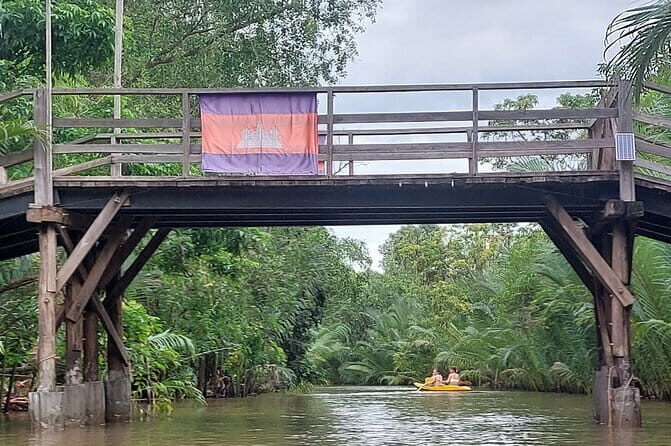
- Kampong Pil Pagoda and Sangke River Suspension Bridges: Village Life in Motion
- Bamboo Train at Osralo: One Ride, One Fee, and a Time Crunch
- Phnom Sampeau Killing Caves: Honest, Difficult History
- Battambang Bat Caves at Dusk: The Best Way to Time Your Evening
- Price and Value: Why $18 Can Work (And What to Budget Extra)
- Guides, Driver Comfort, and the Little Things That Make the Day Easier
- Should You Book This Battambang Private Tuk-Tuk Tour?
- FAQ
- How long is the Battambang full-day tour?
- Does the tour include hotel pick-up and drop-off?
- What admissions are included in the tour price?
- How much does the bamboo train ride cost?
- Is this a private tour?
- What are the age requirements for children?
Key highlights to know before you go
- Rice paper, sticky rice, bamboo, and fish paste made in village workshops
- Wat Samrong Knong’s Well of Shadows with Khmer Rouge context and a memorial
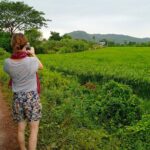
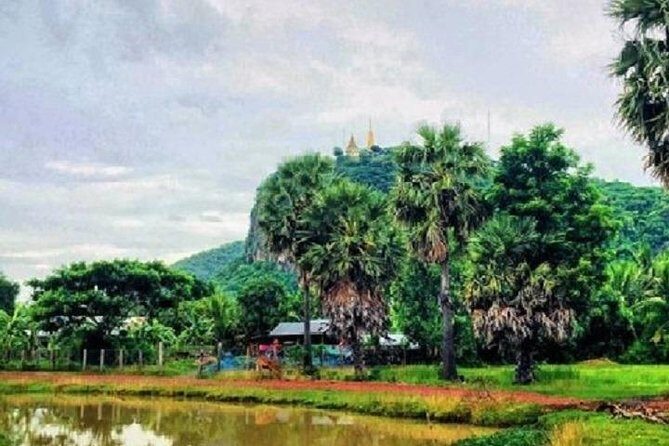
- Real countryside stops including villages, orchards, vegetable farms, and river suspension bridges
- Osralo bamboo train ride that’s time-sensitive and scenic (ride fee extra)
- Phnom Sampeau killing caves as a heavy history stop, followed by the lighter bat finale
A Full-Day Private Tuk-Tuk Route That Actually Works in Practice

This is built like a “one-day loop” through Battambang and the surrounding countryside. You’re in a private vehicle, so you’re not trying to sync up with other groups when one stop runs long or you want an extra minute to ask questions. The route is also arranged so you hit the big rural production and temple sites in daylight, then save the most time-sensitive moment—bats—for dusk.
Expect a full schedule, not a “slow stroll all day.” The best part is that the stops match each other. Food workshops connect naturally to farmers and village life later. Pagodas and memorials provide the historical context that helps the evening caves and bats make more sense as one story of the land and its people.
One practical note: with a day that runs 10–12 hours, you’ll want sturdy shoes and a plan for breaks. If heat and walking fatigue are your issues, you should treat your comfort seriously here, not casually.
You can also read our reviews of more tours and experiences in Battambang

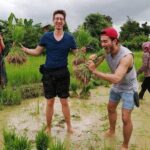

Rice Paper and Spring Roll Village Workshop: More Than a Quick Taste
The morning starts at a food workshop style stop focused on how local staples are made. You’ll visit villages and see production methods for items like rice paper, sticky rice, bamboo, and fish paste. On top of that, you’ll also run into items like dried banana and rice wine at the north-side stretch of the food market area.
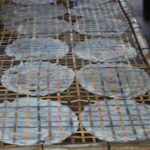
This is the kind of stop that turns food into something you can picture. Instead of tasting a snack and moving on, you learn the steps behind rice paper—how the basic ingredients become something that stores well and works in both everyday meals and snacks like spring rolls.
A small detail matters here: the fish paste and related market foods can be strong. One helpful tip from a previous guest: bring a peg for your nose if you’re sensitive to smell. It’s an easy hack, and it keeps the experience comfortable instead of nose-covered panic.
If you enjoy eating as a way to understand a place, this is the best anchor stop in the tour. It also sets you up well for the later countryside segments, since you’ll already know what you’re looking at when you see orchards, farms, and village life.
Wat Samrong Knong and the Well of Shadows: A History Stop with Real Weight
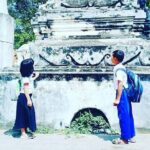
Next up is Wat Samrong Knong, and the highlight here is the Well of Shadows. You’re not just sightseeing a pagoda—you’re learning the Khmer Rouge connection tied to this site, including its role as a monument honoring people killed during the war.
This stop is short, about 40 minutes, but it’s meant to land. The value is in the guided explanation: you’ll understand why the place is remembered the way it is, rather than treating it like one more temple photo stop.
A consideration if you don’t like somber context on vacation: this is one of the emotionally serious moments of the day. You can still appreciate it, but plan your mindset. If you’re traveling with kids, it’s worth checking that the group is comfortable with memorial sites before heading in.
Wat Ek Phnom and the North-Side Sights: Views, Temples, and Time to Reset
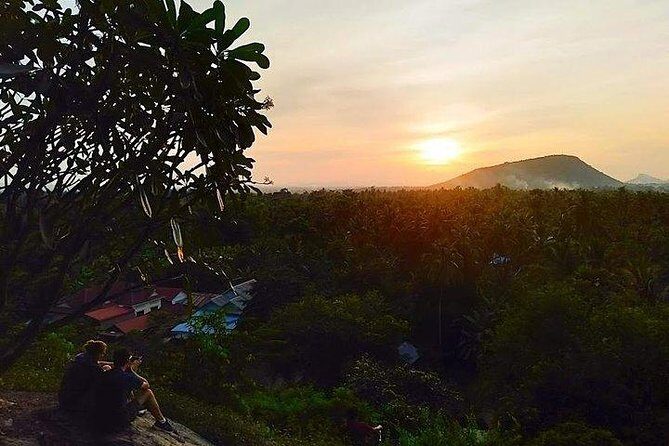
After Wat Samrong Knong, you’ll reach Wat Ek Phnom. This is described as the final landmark on the north side, and it’s a solid one-hour stop. The general feel of this segment is “focus on the temple, then move on,” with your guide helping you interpret what you’re seeing.
What makes it worthwhile is the pacing. After the war-related moment, Wat Ek Phnom gives you a chance to shift back into the architectural and scenic rhythm of Battambang’s temple life. You get time to look around, ask questions, and reset before the more urban sights and village bridge segment.
If you like photo moments, temples are always good for wide angles and quick portraits. If you prefer less walking, plan to take your time anyway—temples can mean small climbs or uneven ground. Bring shoes you can trust.
Colonial-Era Battambang and the Provincial Hall Area
Back toward town, the tour includes a stop connected to colonial structures of the Battambang provincial hall, plus the Ta Dambong Kro Aung statue. This part is free of admission charges in the schedule and lasts about an hour.
Why it matters: Battambang’s story isn’t only rural. The city has a built-up side that reflects older eras, and a quick, guided look helps you connect the countryside stops you’ve already done with the city that organized and supported them.
If you’re the type who likes to understand “why a city looks like it does,” this hour helps. If you prefer purely scenic stops, you might find this segment more informational than dramatic, but it’s still useful for context.

Kampong Pil Pagoda and Sangke River Suspension Bridges: Village Life in Motion
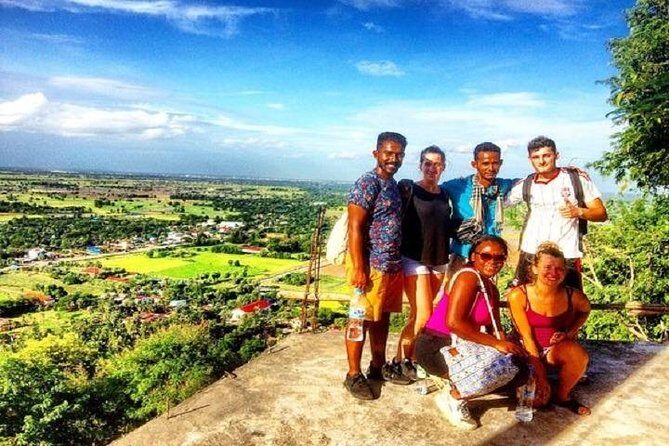
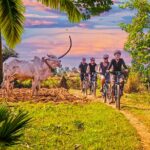
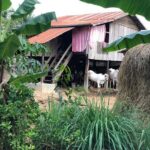
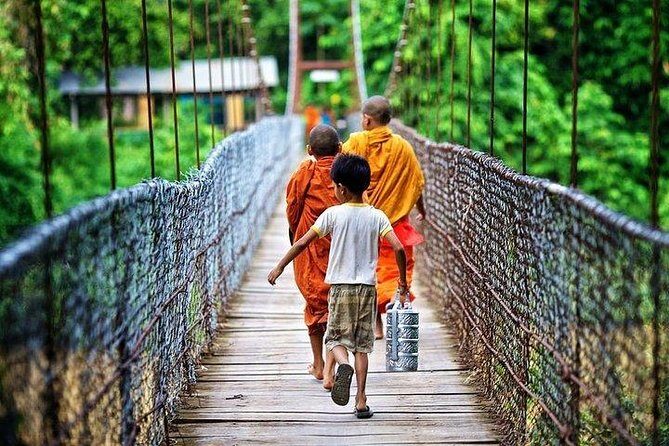
Next is Kampong Pil Pagoda, plus an outing into villages and suspension bridges on the Sangke River. This segment also includes time to talk with farmers and spend time with them, then learn about the religion and role of the pagoda.
This is one of those stops that’s hard to reduce to a single highlight, because the value comes from the mixture:
- movement across bridges and rural areas
- real conversations with farmers
- a religious stop that ties local daily life to spiritual practice
It’s also timed to feel like an adventure day rhythm—less “museum mode,” more “walk, talk, look.”
The main consideration is that bridges and rural paths may not be smooth. If you’re traveling with mobility limits, you’ll want to be ready for uneven footing and extra time for careful walking.
Bamboo Train at Osralo: One Ride, One Fee, and a Time Crunch
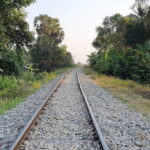
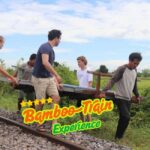
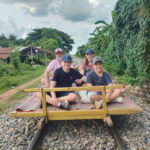
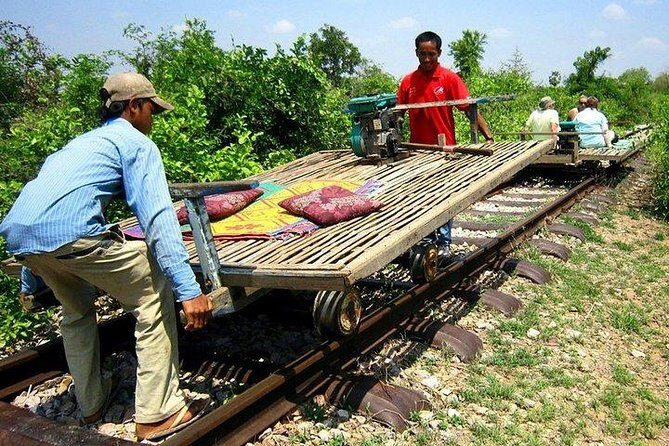
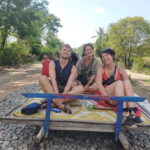
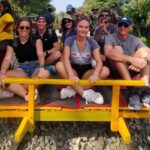
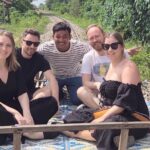
The bamboo train stop is where the tour gets playful. You’ll ride the original bamboo train at Osrolao village (the schedule lists Osralo/Osrolao style spelling), described as the last chance to ride it soon. The village is about 7 km away for riders, and the ride time is about 1 hour 30 minutes on-site.
Important practical detail: the bamboo train ride costs $5.00 per person and is not included. Everything else in this area is about included guide time and transport into position for the ride.
Is it worth paying the extra fee? For most people, yes—mainly because of two things you can feel:
1) it’s short and fun, not a long “transport filler”
2) it’s time-sensitive, meaning this experience may change in the near future
If you’re picky about logistics, plan to bring the cash or payment method you expect to use for the $5 ride. Also, bamboo trains are not the place to assume you’ll never get dusty or that your phone stays perfectly dry. Keep items secure and enjoy the ride for what it is: a simple, very local form of transport and play.
Phnom Sampeau Killing Caves: Honest, Difficult History
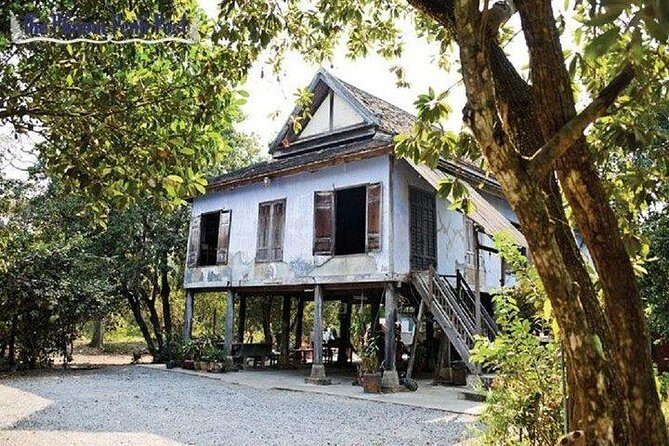
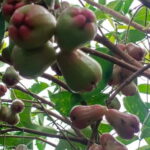
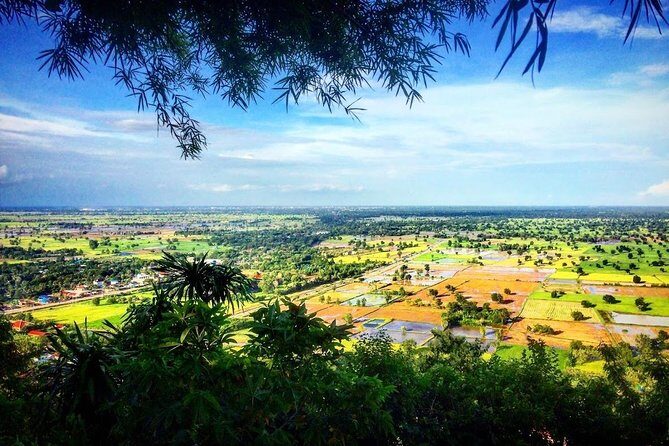
In the afternoon, you’ll head to Phnom Sampeau, stopping among small villages, orchards, vegetable farms, and rice fields before arriving. This part of the tour sets your eyes on the land first—then it shifts to shrines and caves tied to the Khmer Rouge period.
The highlight here is the killing caves of Phnom Sampeau, described as caves used during the Khmer Rouge. Admission is included in the tour schedule for this stop, and you’ll have about 2 hours for the visit.
This is the heavy hour of the day. The value isn’t entertainment. It’s understanding how ordinary landscapes became part of survival and tragedy. A good guide makes a difference here, because you’re more likely to grasp meaning than just read labels and move on.
Practical advice: if you get emotional easily, give yourself permission to take breaks. Also, wear clothing and shoes that work well on uneven ground and that you’re comfortable in for a longer walk through a memorial space.
Battambang Bat Caves at Dusk: The Best Way to Time Your Evening
The final stop is Battambang Bat Caves, where you’ll watch the “bat army” fly out at dusk. This is why the tour runs long and why it’s structured as a day loop—bat activity is tied to daylight timing, and you don’t want to miss the moment.
You’ll have about 1 hour 30 minutes here, with admission included. Expect a view over the caves and a steady flow of bats emerging as dusk arrives.
Why this finale works: it gives emotional balance after the serious history earlier in the afternoon. The bats aren’t a metaphor or a gimmick. They’re just thousands of animals doing what they do at the edge of the day, and it’s genuinely impressive.
For comfort, bring a light layer if the air cools down. Also, arrive ready to watch, not ready to pack up. This is one of those stops where staying still for a few minutes matters.
Price and Value: Why $18 Can Work (And What to Budget Extra)
On paper, $18 sounds almost too low for a full-day private tour. In practice, the value comes from the combination of:
- a friendly English-speaking local guide
- private transportation with pick-up and drop-off
- cold water through the day
- admission tickets included for multiple key stops
- a full schedule that includes both city and countryside segments
- private arrangement for your group only
That said, don’t let the low price blind you to the one clear extra: the bamboo train ride fee ($5 per person) is not included. You should budget for that up front so you don’t end the day doing math in your head.
Also consider that tips are not included, and personal expenses aren’t included. This isn’t unusual, but it’s still real-world money you should plan for.
If you’re traveling with a small group and want a guided day without hiring separate taxis for each segment, this price structure makes sense. If you’re on a solo budget and only want one or two highlights, you might find other options cheaper—but you’d lose the convenience of the full loop.
Guides, Driver Comfort, and the Little Things That Make the Day Easier
One reason this tour keeps scoring high marks is how smoothly the day runs. Multiple guests describe the guide as friendly and energetic, with good English and strong context for the sites. There’s also mention of smooth driving and comfort, plus cold water and drinks during the day.
You may even meet different guides depending on availability. Names that show up include Mr Lychee, with additional support from Mr Polo (sent by Mr Lychee), and Sambol is also mentioned as a guide in at least one past experience. The common thread: they explain stops clearly and keep the schedule organized.
There’s also the “don’t skip this” practical layer: if fish aromas aren’t your thing, plan for it at the food-market workshop area. One guest even suggested a nose peg, and that’s exactly the kind of small preparation that keeps a day like this enjoyable.
Finally, you’ll notice the tour is private for your group only. That matters because you can slow down or adjust if someone needs a breather. You’re not fighting the clock with other groups.
Should You Book This Battambang Private Tuk-Tuk Tour?
Book it if you want a full, guided day that mixes food production, temples, countryside bridges, a bamboo train ride, and the bat caves at dusk. It’s especially smart if you only have one full day in Battambang and want the logistics handled.
Skip it or think twice if:
- you can’t handle a long day (about 10–12 hours)
- you prefer avoiding emotionally heavy history stops in the same itinerary
- you’re not interested in the bamboo train (because it’s the one clear add-on cost)
If your ideal trip is “see a lot, but with meaning,” this tour is a strong match. And if you time your expectations—serious caves earlier, bats later—it lands as a complete Battambang story, not a random checklist.
FAQ
How long is the Battambang full-day tour?
The tour lasts about 10 to 12 hours.
Does the tour include hotel pick-up and drop-off?
Yes. Pick-up and drop-off are included.
What admissions are included in the tour price?
Admission tickets are included for stops such as the rice paper and spring roll workshop, Wat Ek Phnom, the killing caves of Phnom Sampeau, and the Battambang Bat Caves. Other stops in the schedule are listed as free.
How much does the bamboo train ride cost?
The bamboo train ride costs $5.00 per person and is not included.
Is this a private tour?
Yes. It’s private, meaning it’s for your group only.
What are the age requirements for children?
The minimum age is 5 years. Children aged 12 must be accompanied by an adult. Free cancellation is available up to 24 hours in advance for a full refund.