REVIEW · BATTAMBANG
Battambang City and Country side Full day Tour
Book on Viator →Operated by Cambo Tours · Bookable on Viator
Bamboo, bats, and colonial streets in one day. This full-day Battambang tour pairs a tuk-tuk ride with a guide like Han, who explains daily life, farming, religion, and local history as you move from French-era buildings to the countryside. I also love the timing at the Bat Caves, where millions of bats spill out for about 30 to 40 minutes, making the day feel like more than just sightseeing.
The only real catch is that it’s a packed 6 to 7 hours and it doesn’t include everything you’ll want—lunch and the bamboo train ticket cost extra, so budget a little ahead and plan your pace.
In This Review
- Key highlights worth knowing
- Battambang in one long day: what this tour really delivers
- Getting started at 9:00am: logistics that make the day easier
- Battambang’s French colonial buildings and the real market stop
- Wat Samrong Knong: a 300+ year temple and the Pol Pot prison connection
- Prasat Ek Phnom: an older-than-Angkor type of temple ruin
- Odambang bamboo train: what you’re booking and why it matters
- Phnom Sampeau: killing cave history plus the bat cave mountain moment
- Battambang Bat Caves: the flight starts and you get the payoff
- Price and value: what $35 covers and what you’ll still pay for
- Who should book this tour, and who should skip it
- Quick tips to make the day smoother
- Should you book the Battambang City and Countryside Full Day Tour?
- FAQ
- What time does pickup start?
- How long is the tour?
- What’s included in the price?
- What isn’t included?
- Do I need good weather?
- Is the tour private?
Key highlights worth knowing
- Han’s English and local perspective: He doesn’t just point; he explains how people live, farm, and worship.
- French colonial Battambang early in the day: You start with the town streets and a real market feel.
- Wat Samrong Knong’s temple-and-prison story: A 300+ year site tied to the Pol Pot era.
- Odambang bamboo train ride: The original version is the goal, and timing matters.
- Phnom Sampeau with both killing cave and mountain views: Expect a heavy stop followed by bat cave atmosphere.
- Bat Cave flight timing: The bat sortie typically lasts around 30 to 40 minutes.
Battambang in one long day: what this tour really delivers
Battambang is one of Cambodia’s easier places to see without rushing, and this tour is built for that. You get a full circuit: city architecture and a local market vibe, ancient temple ruins, a countryside ride by tuk-tuk, and then the big show at the bat caves.
The best part is that it’s not only scenery. The guide’s explanations connect what you’re seeing to how people actually live now. Han is especially good at putting faces to the facts, whether that means farming and crops or how religious sites were used and reused over time. If you want context—not just photos—this is the right format.
You’ll also like the structure. The day has clear segments, and the big bat-focused timing comes late enough that you’re not watching dry stone while the main event is still hours away.
Getting started at 9:00am: logistics that make the day easier
Pickup begins at 9:00am from your accommodation. That matters in Battambang because the countryside stops aren’t all clustered next to each other. Having pickup and drop-off included means you spend your energy on the places, not transport juggling.
Duration is typically 6 to 7 hours (some days run a bit longer), so you’ll want to think of it as a single-day immersion. You’ll be on the move, and you’ll do stops in a tight order. Comfortable walking shoes help, and light layers can be useful because mornings and mountain areas can feel different as the day moves along.
The tour uses a tuk-tuk with private transportation for your group, so you’re not squeezed into a constant shuttle with strangers. That makes it easier to ask questions, especially when you’re learning the more difficult history topics.
Battambang’s French colonial buildings and the real market stop
The morning starts in Battambang Province with a city loop and a look at French colonial architecture. This isn’t just a drive-by. You’re set up to understand why this town looks the way it does—colonial-era streets, styles, and the way the town feels today.
Then you head to a local market, which is a big part of why I think this tour works. Markets in Cambodia are social spaces, not only places to buy things. You get to see what people use day-to-day: produce, small goods, and the rhythms of everyday transactions. One of the standout benefits here is the guide approach—Han tends to guide you toward what makes the market meaningful, and in some cases you may get a chance to taste local specialties tied to local crops and products.
Practical tip: come hungry, even if lunch is not included. The market stop can give you a chance to try small items, but don’t plan on it replacing a full meal.
Wat Samrong Knong: a 300+ year temple and the Pol Pot prison connection
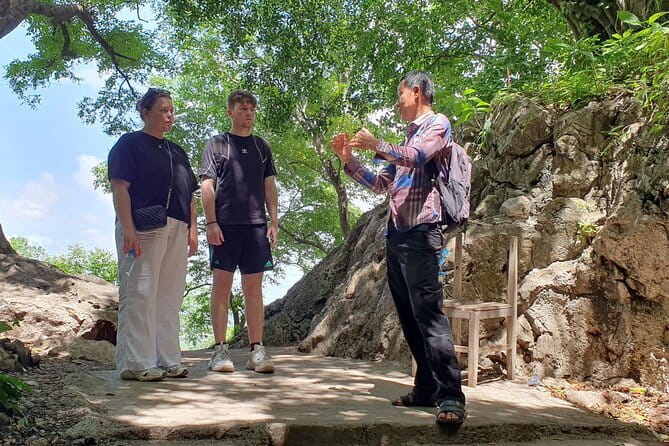
Next is Wat Samrong Knong, an old Buddhist temple built over 300 years ago. This stop carries a difficult layer: it’s described as a prison during the Pol Pot regime.
I like that the tour doesn’t dodge the subject. For me, the value here is seeing how historical religious sites were affected by political violence, and then learning how those spaces function in different eras. You’re not just touring a building; you’re understanding the emotional weight of the place.
The visit time is about 30 minutes, so it’s not an endless memorial. That’s important if you’re balancing multiple stops in one day. Still, you should expect a reflective atmosphere. If you’re sensitive to heavy history, prepare yourself and give yourself a minute before you rush into questions or photos.
Prasat Ek Phnom: an older-than-Angkor type of temple ruin

After Wat Samrong Knong, the tour heads to Prasat Ek Phnom, an ancient ruined temple. The tour framing puts it among the oldest in Battambang, built at the beginning of the 11th century, and it’s often described as older than Angkor Wat.
This is a shorter stop, around 30 minutes, but that quick timing works if your goal is to collect key sites without turning the day into a crawl. You’ll see the Buddha statue area nearby, which helps you connect the ruin to living religious culture, even if what you’re standing in front of is damaged or incomplete.
The only downside is that this stop is brief. If you’re the type who wants to walk slowly and take lots of detail photos, you may wish you had more time here. The upside is you’re not stuck in one spot while the rest of the bat-focused itinerary waits.
Odambang bamboo train: what you’re booking and why it matters

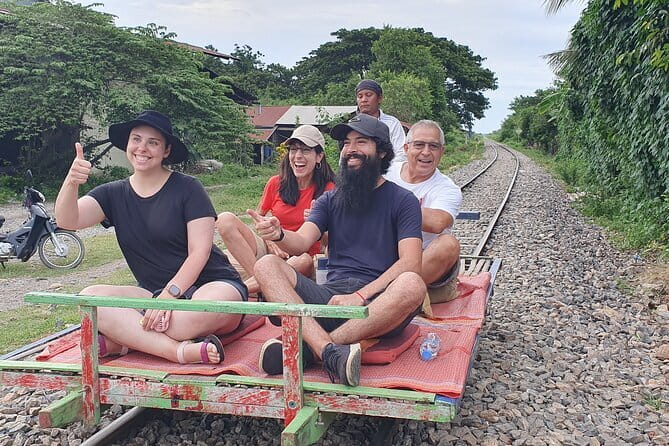
Then comes one of the most distinctive parts of the day: Odambang and the bamboo train ride.
The key thing to know is that it’s not included in the price. The tour provides the plan and transportation to reach it, but the bamboo train ticket is not included, so you’ll pay that separately on the day. The tour description also notes that the original bamboo train ride may be closed in the future, which adds a practical urgency. I’d treat this part as a must-do on your itinerary if you’ve never tried it, because once access changes, it’s hard to recreate the same experience.
Time-wise, this segment is about 1 hour 30 minutes total, which gives you a real window for the ride and getting in and out.
What to bring: light curiosity and patience. These rides are fun partly because they’re local and imperfect in the best way. If you expect a polished theme-park experience, you’ll miss the point. If you enjoy watching how communities keep traditions alive, this is your moment.
Phnom Sampeau: killing cave history plus the bat cave mountain moment

Next, the day turns to the mountain: Phnom Sampeau. This stop is tied to both the killing cave and the bat cave context, and it’s where the history feels most direct.
The tour time here is about 1 hour 30 minutes, and the site experience includes seeing the cave where people were killed during the Pol Pot regime and learning how victims were pushed down into the cave. This is the kind of information you can’t treat like a photo stop. Go in with respect, read carefully where signs or guides provide context, and keep your own pace.
After the heavier content, the timing helps you transition into the bat-cave atmosphere. The mountain setting changes how you feel the day. Even before the main bat flight at the caves, Phnom Sampeau gives you a sense of what’s coming later—especially if you’re looking for that connection between place, season, and the nightly spectacle.
Battambang Bat Caves: the flight starts and you get the payoff

The final big stop is the Battambang Bat Caves, and it’s timed for the moment bats fly out. The tour describes the bat exit as like a long dragon, lasting around 30 to 40 minutes, and the scale is emphasized—millions of bats leaving the cave at once.
This is where the tour justifies itself. You’ll likely spend about 2 hours at this final stop, which is useful because you need time to settle in before the main event, and you need a bit of buffer after as the exit wave finishes.
Practical advice:
- Wear something you don’t mind getting a bit warm or sweaty. You’ll stand and wait.
- Keep an eye on the light and sky direction so you can watch comfortably without craning constantly.
- Have your phone ready, but don’t miss the moment by filming everything.
Also note: the tour explicitly says it requires good weather. If rain or bad conditions affect the bat flight, the tour may be rescheduled or refunded. That’s a good sign—this operator is paying attention to when the experience can actually happen.
Price and value: what $35 covers and what you’ll still pay for
At $35 per person, this tour is priced in a way that feels realistic for a full-day, guide-led route with multiple stops. A big chunk of your value comes from what’s included:
- Tuk-tuk driver as a local guide
- Pickup and drop-off
- Entrance fees for the killing cave and bat cave
- Private transportation
- Bottled water
What’s not included is also straightforward:
- Lunch
- Bamboo train ticket
- Personal expenses and insurance
So the budget math is mostly about food and the bamboo train. In other words, you’re not paying extra for every ticket along the way. You’re paying for a guided day that already covers the two big entrance fees most visitors care about, plus transportation and bottled water.
If you’re traveling with someone else, the private format is a nice bonus. Group discounts are listed too, so if your plan is flexible, check whether a combined booking makes sense for your group.
Who should book this tour, and who should skip it
This tour is a good fit if you want:
- A structured day with transportation handled
- A guide like Han who explains more than just the basics
- Mix of city culture, temple sites, and the bat-cave finale
- A chance to try the bamboo train as a local tradition
It may not be perfect for you if:
- You don’t want heavy history topics. The Pol Pot prison connection and the killing cave stop are part of the core route.
- You dislike long days with limited free time. The schedule is full, and lunch is on you.
- You’re counting every dollar and hate any extra add-ons, because the bamboo train ticket isn’t included.
If you’re the kind of traveler who likes to learn and then look closely, you’ll probably feel satisfied by the end of the day.
Quick tips to make the day smoother
A few small moves can make this tour much easier:
- Plan for a meal: lunch isn’t included, so eat before you go or bring snacks for the gaps.
- Expect some waiting at bat caves. Dress for standing.
- Bring a light layer for Phnom Sampeau time, since the mountain portion can feel different.
- If the bamboo train is important to you, treat it as a priority segment. Timing matters.
And if you get Han as your guide, take advantage of the Q&A. He’s the type who connects what you see—crops, religion, daily life—with what shaped this region. That kind of storytelling is often what makes a “tour” feel like a real day out.
Should you book the Battambang City and Countryside Full Day Tour?
Yes, if you want a tight, efficient route that hits Battambang’s top contrasts: colonial town feel, living market energy, ancient temple ruins, the difficult Pol Pot-era sites, and the bat-cave spectacle that people travel for.
I’d especially recommend it if you appreciate a guide-led pace and want someone to help you understand what you’re seeing—Han’s English and local explanations come up again and again in how people describe the experience. The main reasons not to book are simple: lunch and the bamboo train ride cost extra, and the history stops are heavy.
If that trade-off works for you, this is a strong way to spend a day in Battambang.
FAQ
What time does pickup start?
Pickup is at 9:00am from your hotel.
How long is the tour?
The tour runs about 6 to 7 hours.
What’s included in the price?
The tour includes tuk-tuk driver as a local guide, pickup and drop-off, entrance fees for the killing cave and bat cave, private transportation, and bottled water.
What isn’t included?
Lunch is not included. The bamboo train ticket is also not included, along with personal expenses and insurance.
Do I need good weather?
Yes. The tour requires good weather, and if it’s canceled due to poor weather, you’ll be offered another date or a full refund.
Is the tour private?
Yes. It’s described as a private tour/activity with only your group participating.