REVIEW · SIEM REAP
Three-day tour Discovering Siem Reap highlight ,Beng Mealea and Floating Village
Book on Viator →Operated by Angkor Wat Travel Tour · Bookable on Viator
Early starts, big rewards. This private 3-day plan is built around the iconic Angkor temples and then gives you two very different off-the-main-circuit experiences. I like that you get a private guide who can explain what you’re seeing, not just move you along. I also like the comfort upgrade: pickup and drop-off plus an air-conditioned vehicle, with cold water and a cold towel after long walks. One thing to consider: temple entrance fees and meals are not included, and day one begins before sunrise.
Day two shifts gears toward smaller, more artsy temples, and day three adds the wild card—Beng Mealea and the floating village area on Tonle Sap. You’ll be in good hands if you want flexibility, since it’s truly a private group rather than a fixed shuffle with strangers. The trade-off is simple: you’re doing a lot in three days, so you’ll want a calm pace, good shoes, and the patience for early mornings.
In This Review
- Key highlights at a glance
- Why this 3-day Siem Reap route works
- The pre-dawn push: Angkor Wat at sunrise
- Angkor Thom: Bayon and the temple-without-a-finish-line feeling
- Ta Prohm: the jungle temple effect, with real photo payoff
- Banteay Kdei: a quieter temple that still feels complete
- Day two at 9:00 am: Banteay Srei and the more delicate side of Angkor
- East Mebon and Neak Pean: smaller stops with strong visual ideas
- Preah Khan: a huge monastic complex with lots to explore
- Beng Mealea and Kompong Khleang: the real change of pace on day three
- Comfort and value: what you get for $156.42
- Who should book this tour
- Should you book Discovering Siem Reap highlight: Angkor Wat plus Beng Mealea and Floating Village?
- FAQ
- FAQ
- What does the tour cost?
- How long is the tour?
- Is hotel pickup and drop-off included?
- Do I get an English-speaking guide?
- Are entrance tickets included for the temples?
- Are meals included?
- Is transportation provided during the tour?
- What time does the tour start on day one?
- Does the tour include a boat trip to a floating village?
- Is this tour private or shared?
- Are there age requirements for children?
Key highlights at a glance
- Sunrise Angkor Wat pickup around 4:45 am for that early light
- Private, air-conditioned transport with cold water and a cold towel
- Angkor Thom classics including Bayon and Ta Prohm
- Smaller temples on day two like Banteay Srei, East Mebon, Neak Pean, and Preah Khan
- Tonle Sap boat time to Kompong Khleang and a floating village area
- Beng Mealea day trip about 70 km from Siem Reap for a more overgrown, adventurous feel
Why this 3-day Siem Reap route works
This tour is a smart mix of the temples people travel for and the places that make the whole trip feel more personal. Your first day is classic Angkor: you start with Angkor Wat at sunrise, then move into the big hitters of Angkor Thom. That matters because the lighting at dawn changes how the whole site reads, and the earlier start helps you avoid the worst crowd crush.
What makes it feel good for you is pacing. Day one is temple-heavy, yes, but you end each day with a realistic sense of progress. Day two uses a later start after breakfast, so your legs get a breather. Day three is different again: it’s not just another temple run. You’re heading out to Beng Mealea and then shifting to Tonle Sap life by boat.
The other big value is the guide. You’re getting an English-speaking guide who can connect the dots between carvings, layout, and the stories temples were built to tell. One review specifically highlighted Mr. Sa as informative, caring, and flexible—plus he offered a great suggestion to add a cooking class. If your guide is like that, you’ll get more than sightseeing; you’ll get direction.
You can also read our reviews of more tours and experiences in Siem Reap.
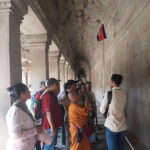
The pre-dawn push: Angkor Wat at sunrise
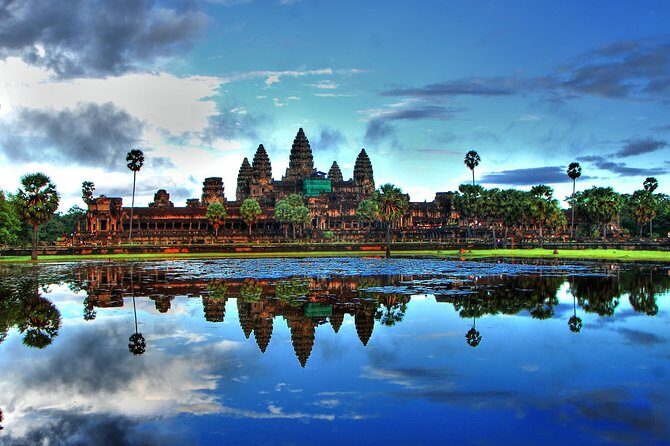
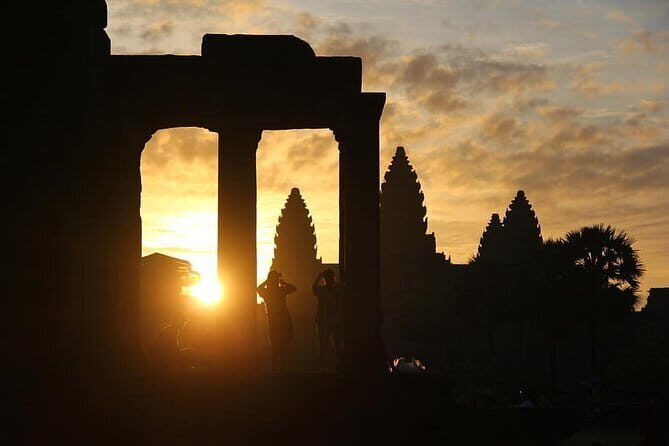
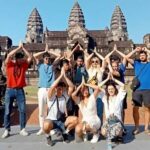
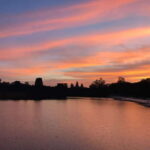
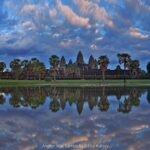
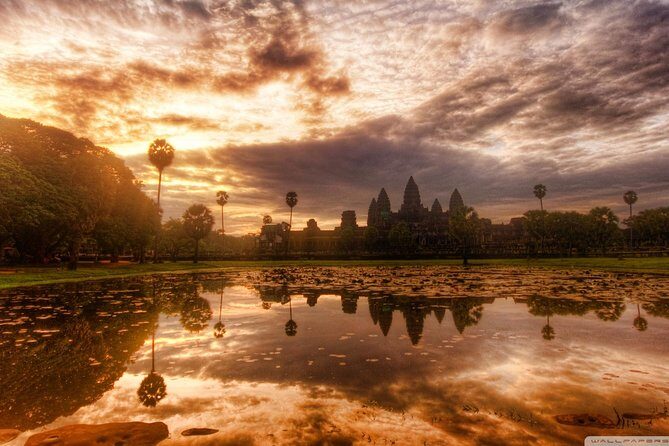
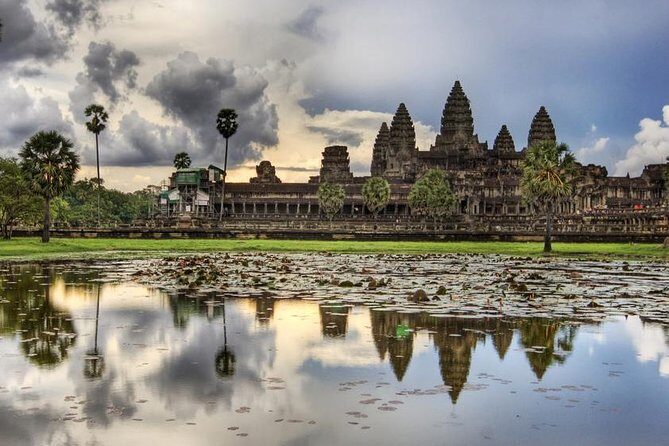
Your day one begins with pickup from your hotel around 4:45 am in an air-conditioned vehicle. The timing is not random. Angkor Wat is at its most magical when the light is low and the stones look less flat, more dimensional. You’ll spend about 3 hours here, which is enough time to take in the main angles without feeling like you’re sprinting.
A practical note: dawn means you’ll want to be ready to move fast once you arrive. Bring a hat or cap, wear breathable layers, and keep your phone charged for photos but also just enjoy the moment. Sunrise is one of those things where it’s easy to overdo picture-taking and forget to look at the whole scene.
Also remember: entrance tickets aren’t included, so you’ll need to budget separately. It’s common for people to forget that and then scramble at the last minute. Plan ahead so the morning stays smooth.
Angkor Thom: Bayon and the temple-without-a-finish-line feeling
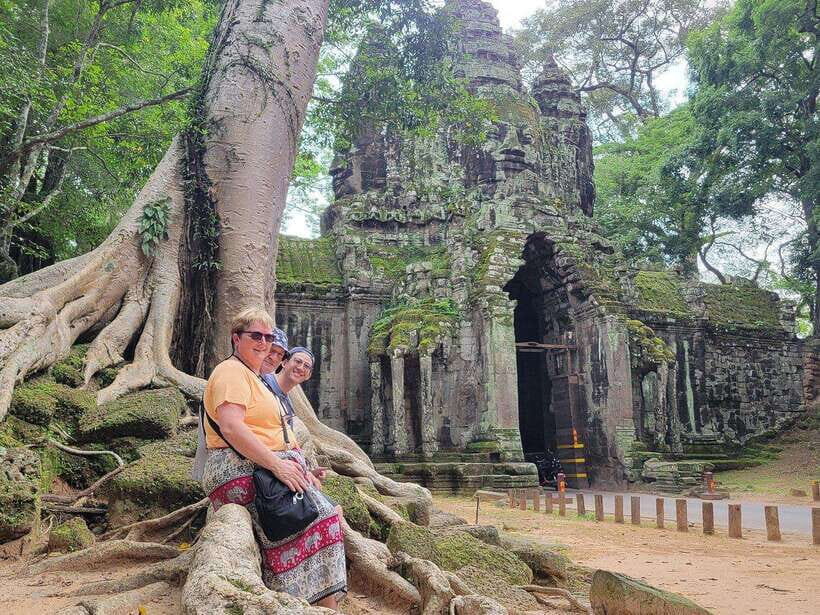
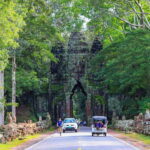
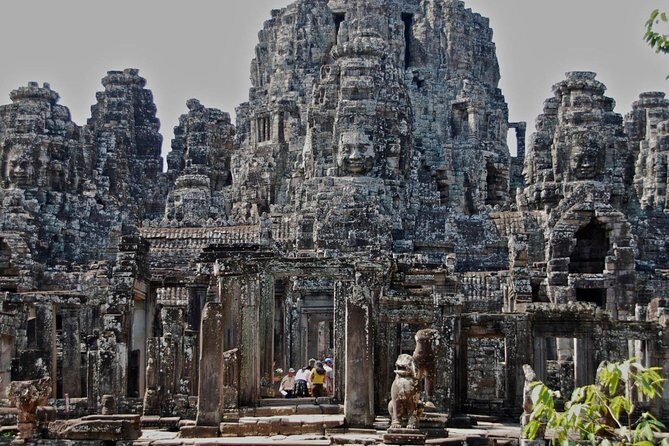
After Angkor Wat, the tour heads into Angkor Thom, starting with the South Gate and then visiting Bayon. Bayon is known for its iconic faces, and what you’ll appreciate on a guided visit is how the temple’s design supports the experience. You don’t just look at one angle; you move and the faces feel like they follow you.
You’ll spend about 2 hours here. That’s a good window for understanding the layout and not just snapping photos. If you’re the type who likes details, don’t rush. Walk slowly, step back to see the big forms, then come closer to notice carvings and stonework.
One consideration: Angkor is big, and walking adds up. Even with transport between stops, expect some climbs and uneven stone surfaces. Good footwear is not optional.
Ta Prohm: the jungle temple effect, with real photo payoff
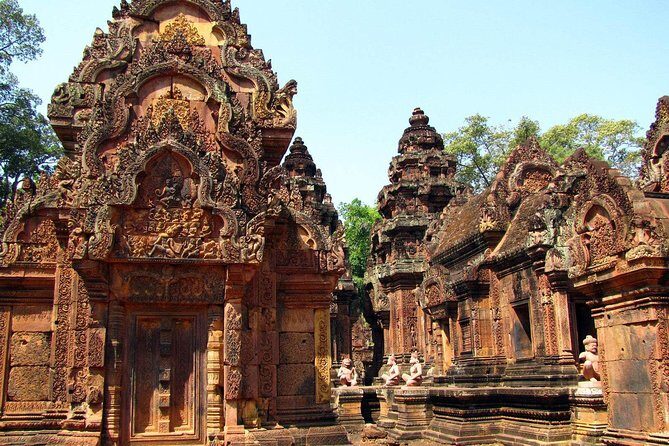
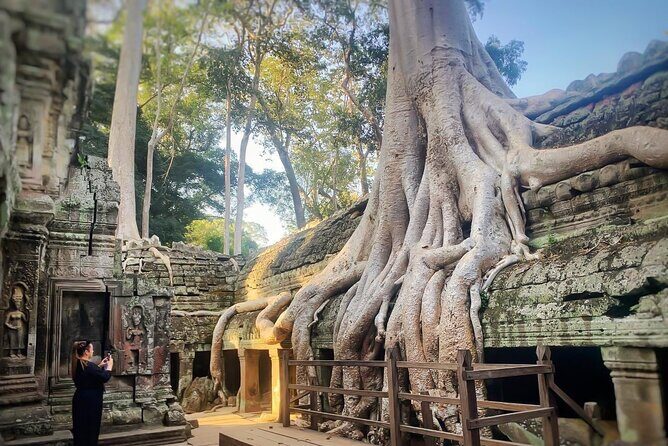
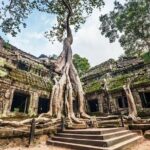
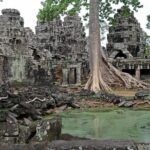
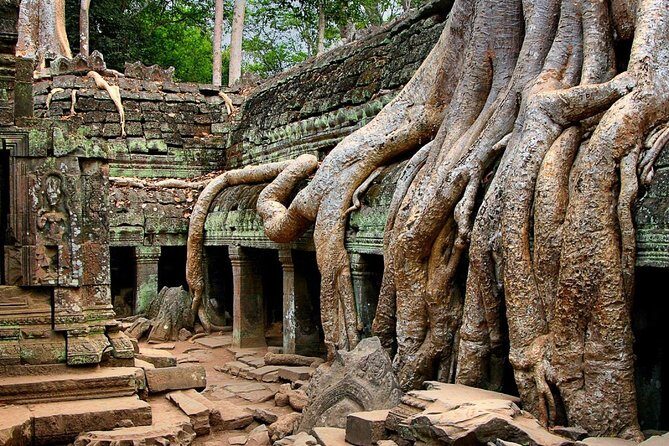
Next up is Ta Prohm, often described as the jungle or tree temple because of the massive roots that wrap around the ruins. You’ll get about 2 hours here. This stop is special because it feels less like a perfectly staged museum scene and more like nature has taken a long time to reclaim the stone.
Here’s what a good guide can do for you: they can point out how the temple was affected, what you’re seeing visually, and which parts of the structure are worth prioritizing. Without that context, it’s easy to get lost in the scenery and miss what makes Ta Prohm meaningful.
Like the other stops, tickets are not included. Also, be ready for uneven ground. You’ll likely take more photos here than at any other temple, so save your battery and consider bringing a small towel or tissue for dust.
Banteay Kdei: a quieter temple that still feels complete
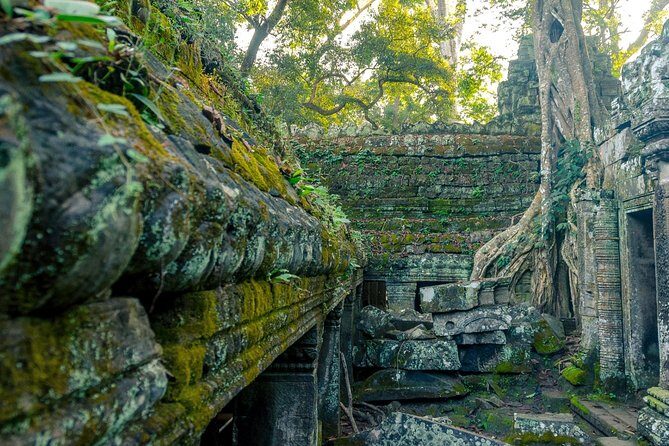
Day one ends with Banteay Kdei. You’ll have about 1 hour at this stop. Compared to the louder, more famous names earlier in the day, this one gives you a calmer finish. It’s still tied to the Angkor story—built under King Jayavarman VII in the late 12th century—but the experience feels less crowded and more contemplative.
If you’re tired by day one (and most people are), this timing helps. You get one last temple where you can slow down, absorb details, and avoid the feeling of constantly sprinting to the next highlight.
Day two at 9:00 am: Banteay Srei and the more delicate side of Angkor
Day two starts later. After breakfast at your hotel, you’ll begin around 9:00 am, with about a one-hour drive to Banteay Srei. This temple often gets called the jewel for its craftsmanship, and what you’ll notice—especially with a guide—is how much the artistry matters. The carvings and overall stonework can feel more delicate than the bigger, heavier structures you saw the day before.
You’ll spend about 2 hours here. That’s a sweet spot for taking in carvings without feeling like you’re rushing. For me, the best way to enjoy this kind of stop is to slow down and choose a few areas you want to study. Don’t try to photograph everything; pick what stands out and let your eyes adjust.
Then you’re back toward the main Angkor zone for more temple-mountain style structures.
East Mebon and Neak Pean: smaller stops with strong visual ideas
You’ll visit Eastern Mebon first, with about 1 hour. It’s described as rising in three levels and crowned with brick towers. That structure-to-sky design is why this stop works: even from a distance, you can read the temple shape.
After that comes Neak Pean, which is built on an artificial island in the middle of a reservoir area. You’ll have about 1 hour. The reason this feels different is that you’re not only looking at buildings; you’re looking at the water-and-temple concept that Angkor often used to organize space and meaning.
These two stops can be easy to underestimate if you only care about the most famous names. But if you’re open to the design logic of the place, this is where you start to understand the site as an entire system, not a list of monuments.
Preah Khan: a huge monastic complex with lots to explore
The day ends with Preah Khan, where you’ll have about 2 hours. This is a huge monastic complex, and the tour description emphasizes how explorative it feels.
This stop is a good match for a guided visit because Preah Khan is large. With commentary, you can understand what you’re seeing and how the temple functions in the broader Angkor context. Without it, the sheer size can turn into a walk without meaning.
Again: entrance tickets are not included, so plan for that cost. And keep hydration in mind. Even with cold towels and water from the tour, you’ll be out in the day heat.
Beng Mealea and Kompong Khleang: the real change of pace on day three
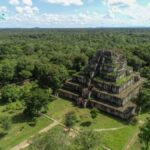
Day three is where the itinerary stops feeling like only temple touring. You’ll be picked up around 8:00 am and head to Prasat Beng Mealea, about 70 km north-east of Siem Reap. You’ll spend around 3 hours here.
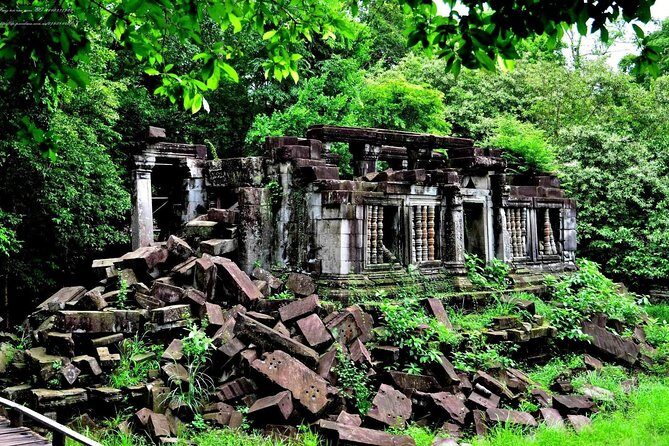
Beng Mealea is often called the lost temple of Angkor, and that name makes sense once you’re there. The ruins feel more broken and wild compared with the main circuit. It’s not as polished, and that’s the point. You get a sense of what Angkor could feel like when it’s not managed for maximum photo clarity.
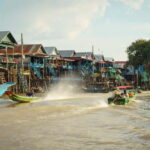
Then comes Kompong Khleang on Tonle Sap lake. You’ll spend about 4 hours here, including a private boat ride leading to a floating village area. This is the best contrast to Angkor temples: one is carved stone and built geometry; the other is everyday life shaped by water.
A floating village stop changes your view of Cambodia. Even if you’re not there for culture shopping, you’ll likely come away thinking about how geography shapes homes, work, and community routines. Your guide can help translate what you’re seeing, especially since the tour includes commentary rather than just transporting you.
Comfort and value: what you get for $156.42
The price—$156.42 per person—is best judged by what’s included. You’re paying for a private 3-day experience with an air-conditioned vehicle, an English guide, and hotel pickup and drop-off. On top of that, you get cold water and a cold towel, which sounds small until you’re walking in the heat.
What’s not included is equally important: entrance tickets and meals. That means you’ll want to budget separately for temple admissions and plan your food stops on your own. If you already know which days you’ll eat near your route, your costs stay predictable.
For value, the private setup matters. You’re not negotiating schedules with strangers, and your guide can adapt timing so you’re not constantly waiting. That flexibility is especially useful at Angkor, where your preferred pace can change depending on what you find interesting that day.
Also, there’s mention of a mobile ticket, which is handy. Less paper means less hassle, and it tends to make check-in smoother.
Who should book this tour
Book this if you want:
- A guided Angkor experience with enough hours to actually learn, not just rush through
- Comfort upgrades like air-conditioning and cold towel/water
- A route that includes Beng Mealea and a Tonle Sap boat stop, not only the main temple circuit
- A private setup where your day can breathe a little, rather than being locked to a crowd line
You might skip it if you want fully independent touring with no structured stops, or if you hate early mornings. Day one starts before sunrise, and temple walking adds up even with transport between sites.
Should you book Discovering Siem Reap highlight: Angkor Wat plus Beng Mealea and Floating Village?
If your goal is the full Siem Reap emotional arc—dawn at Angkor, the faces and tree roots, then the overgrown maze of Beng Mealea, followed by water life on Tonle Sap—this tour makes a lot of sense. The included guide and comfort are strong value, and the fact that it’s truly private helps you keep your pace under control.
My recommendation: if you’re the kind of traveler who likes context and hates feeling lost, go for it. If you’re sensitive to crowds and heat, do it for the early start and the practical support. Just budget for entrance fees and meals, and consider asking your guide for smart add-ons—Mr. Sa’s cooking class suggestion came highly recommended and is exactly the kind of local angle that can turn a good trip into a great one.
FAQ
FAQ
What does the tour cost?
The price is $156.42 per person.
How long is the tour?
It’s listed as a 3-day tour (approx.).
Is hotel pickup and drop-off included?
Yes, the tour includes hotel pickup and drop-off.
Do I get an English-speaking guide?
Yes, an English tour guide is included.
Are entrance tickets included for the temples?
No. Admission ticket fees are not included.
Are meals included?
No. Meals (breakfast, lunch, and dinner) are not included.
Is transportation provided during the tour?
Yes. You travel in an air-conditioned private vehicle.
What time does the tour start on day one?
Day one pickup is around 4:45 am, and the listed start time is 4:30 am.
Does the tour include a boat trip to a floating village?
Yes. On day three, you’ll visit Kompong Khleang and ride on a private boat to the floating village area.
Is this tour private or shared?
It’s a private tour/activity, meaning only your group participates.
Are there age requirements for children?
Children must be accompanied by an adult.