REVIEW · SIEM REAP
Kulen Mountain with Beng Mealea and Tonle Sap Small Group Tour
Book on Viator →Operated by Asean Angkor Guide · Bookable on Viator
Kulen Mountain gets you out fast. I love the air-conditioned minivan comfort for a 10-hour day, and I love how the route goes beyond Angkor Wat with big variety: mountain carvings, reclining Buddhas, a waterfall swim, jungle temples, and a boat ride on Tonle Sap. One possible drawback: it is a packed schedule with some climbing and trekking, plus you need to follow a strict dress code (no shorts; knees and shoulders covered).
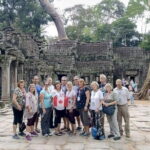
You’ll start early, get a local-focused lunch, and travel with an English-speaking guide in a small group capped around 14 to 15 people. The experience is especially worth it if you want Cambodia’s culture and daily life outside the usual temple circuit, including Kompong Phluk during the dry season when water levels recede.
In This Review
- Quick take: what makes this day work so well
- Getting to Kulen: the shortcut to Cambodia beyond Angkor Wat
- A 7:30 am start, and why it matters
- Srah Srang: seeing village life and rice paddies first
- Poeng Ta Kho: the birthplace story and the climb payoff
- Preah Ang Thom: a mountain-side reclining Buddha and incense atmosphere
- 1000 Lingas: the sacred riverbed you can literally stand on
- Phnom Kulen Waterfall: picnic lunch, cold swim, and limestone-filtered water
- Practical note for the swim
- Beng Mealea: when nature reclaims the temple
- Kompong Phluk and Tonle Sap: boat ride plus dry-season reality
- If you’re traveling late March to June
- Food and comfort: the picnic lunch plan plus refresh breaks
- What you should bring for a full-day climb-and-water mix
- Price and value: why $54 can be a good deal here
- Who should book this tour (and who should skip it)
- Should you book Kulen Mountain with Beng Mealea and Tonle Sap?
Quick take: what makes this day work so well
- Small-group size (up to 15) means you spend less time waiting and more time listening, asking questions, and taking photos.
- All admissions included so you can focus on the places, not surprise ticket lines.
- Cooling touches on a hot day: cold water bottles and cool towels at stops.
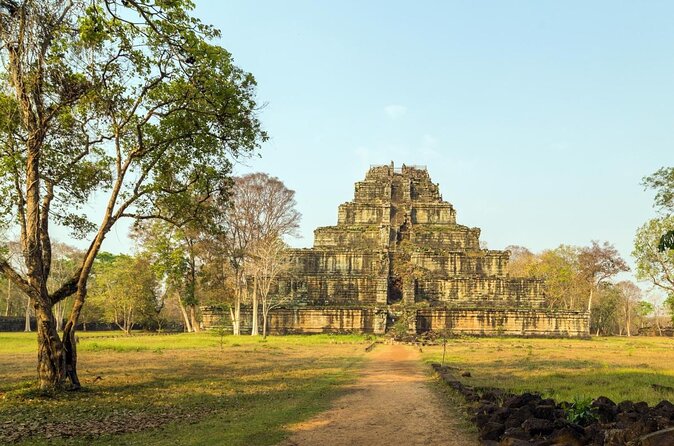
- Real variety in one loop: holy riverbed carvings, jungle ruins, a waterfall swim, and a stilt-house village by boat.
- Photo help from your guide: guides such as Mony, Sam, Jan, Dara, and Seila are repeatedly praised for spotting good angles.
- Dress code + short trekking: it is not a flat, sit-and-smile day, so plan for your feet.
Getting to Kulen: the shortcut to Cambodia beyond Angkor Wat
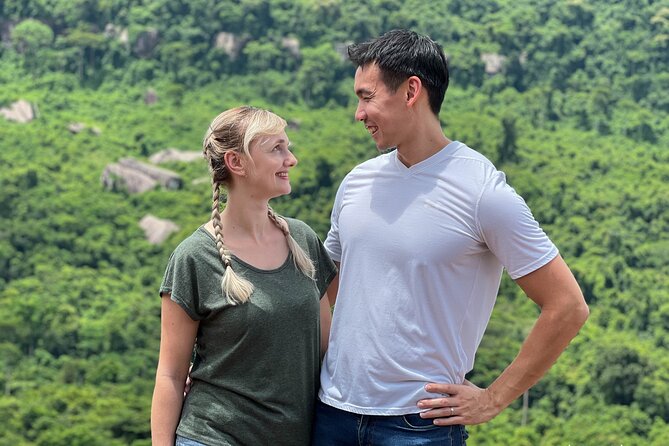
If you only do Angkor Wat and call it a trip, you miss a huge chunk of Cambodia. This day is designed to take you away from the main temple complex and into places tied to older Khmer roots and living traditions.
Kulen Mountain is the centerpiece, and the best part is that it is not just about one temple. You get carved religious sites, mountain views, and the dramatic switch from stone spirituality to nature right at Phnom Kulen Waterfall.
You can also read our reviews of more tours and experiences in Siem Reap.
A 7:30 am start, and why it matters
Pickup is between 7:30 and 8:00 am, and they ask you to be in the lobby by 7:30 sharp. That early timing is not a throwaway detail. It helps you beat the busiest hours and gives you a better shot at calmer moments at the viewpoints and religious sites.
Your day is also built around efficient driving in an air-conditioned minivan or minibus, with cool bottles of water and cool towels to reset between stops. You’ll typically wrap back up around 6:30 pm, either dropped at your hotel or offered a stop near the Old Market for evening shopping.
Srah Srang: seeing village life and rice paddies first
The first meaningful stop is Srah Srang, where the vibe shifts from Siem Reap city traffic to the real rhythm of morning life. You get a look at locals going about routine tasks, plus that classic mix of wooden houses on stilts and wide stretches of rice paddies.
This early start sets you up for the rest of the day. When you arrive at the more iconic sacred sites later, you’ll understand the landscape better because you saw how people actually live around it.
Poeng Ta Kho: the birthplace story and the climb payoff
Next comes Poeng Ta Kho, tied to the origins of the Angkor Empire. This is one of the moments where the tour earns its full-day length.
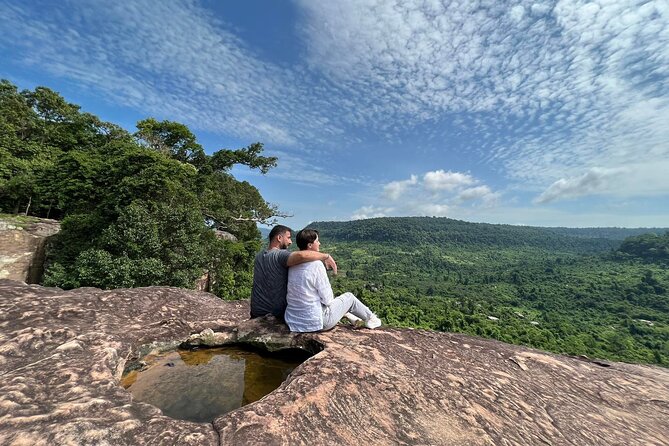
You climb up Kulen Mountain for jaw-dropping views, then you reach the massive reclining Buddha carved directly into rock. The payoff is practical: you’re not just seeing a landmark from a distance—you’re working your way through the site, which makes the religious carvings feel more immediate.
Preah Ang Thom: a mountain-side reclining Buddha and incense atmosphere
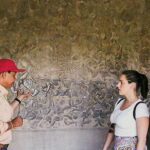
Preah Ang Thom is one of those places where you can feel the human side of devotion. The highlight here is an 8-meter reclining Buddha carved right into the mountainside, and the route is built to let you experience that climb the same way pilgrims have for centuries.
Expect quieter moments than the big-city tourist circuit. Local families light incense and monks offer prayers, so the area feels more ceremonial than performative. Just remember: you may be moving up and down uneven paths.
1000 Lingas: the sacred riverbed you can literally stand on
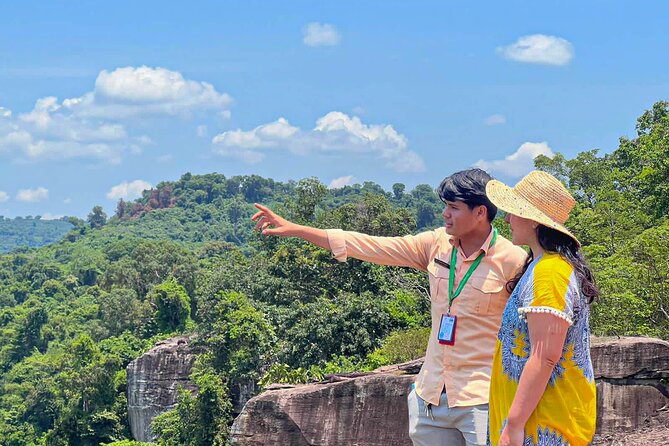
Then you hit 1000 Lingas, a site of thousands of sacred fertility symbols carved into the riverbed. What I like about this stop is the contrast: it connects religion, water, and daily meaning in a way that feels tactile. You are not reading about it from afar; the symbol work is part of the physical flow of the place.
It also adds variety to the day’s “big religious objects” theme. Reclining Buddhas are dramatic. 1000 Lingas is intimate—small details multiplied into something powerful.
Phnom Kulen Waterfall: picnic lunch, cold swim, and limestone-filtered water
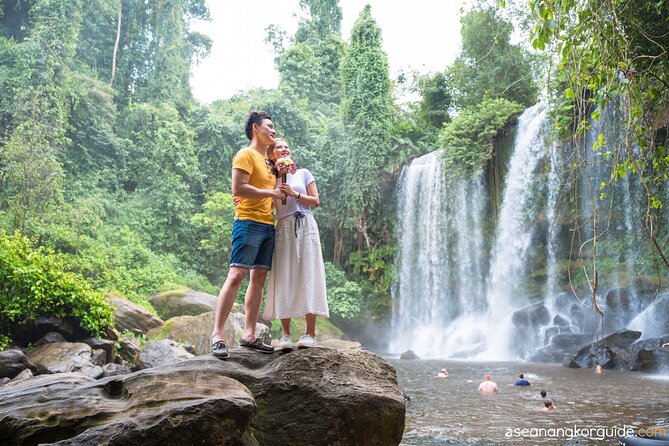
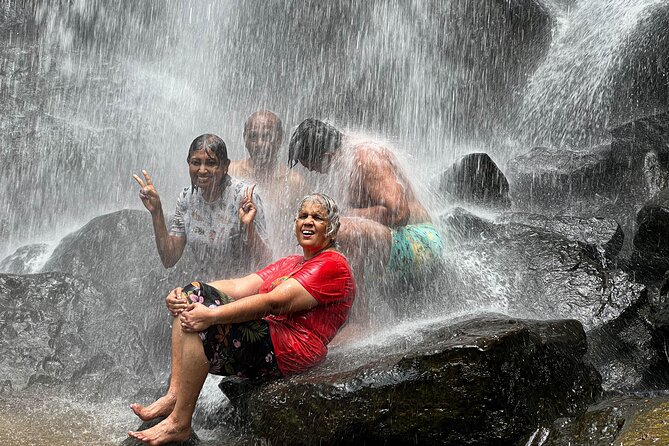
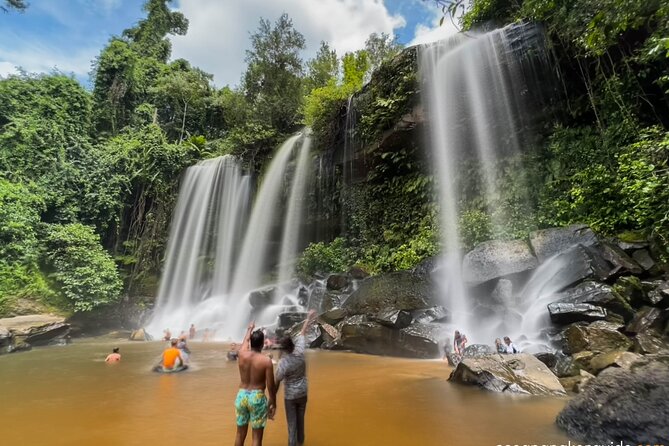
After the carvings, your day shifts into pure outdoors mode at Phnom Kulen Waterfall. The pools here are fed by mountain water that is filtered by limestone, which helps explain why the water can look clear and inviting.
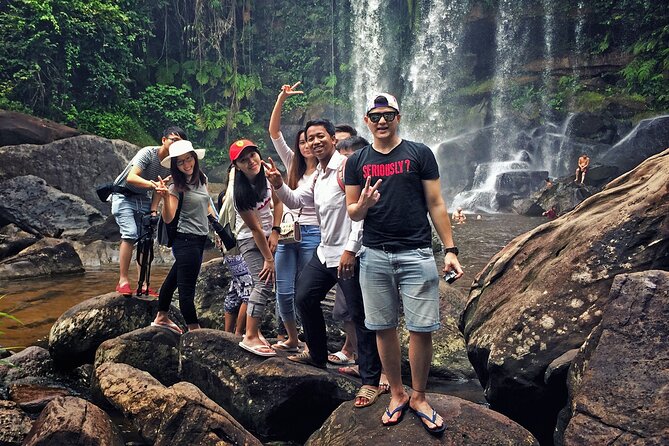
This is where the tour becomes a break from temple intensity. You get a picnic lunch on smooth rocks with waterfalls as your soundtrack, then there’s time for a swim. The water is described as cold, so come ready for that first shock.
Practical note for the swim
Bring something you can change into and wear footwear that handles slick ground. Even if you love water, this is not a lazy swim at a resort pool.
Beng Mealea: when nature reclaims the temple
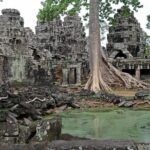
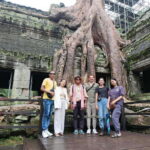
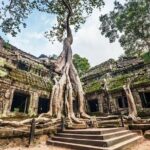
Beng Mealea Temple is the part of the day many people remember longest. It feels like the “nature-left-in-charge” version of the Angkor temple style, with ruins wrapped by thick greenery.
You’ll spend about an hour here, which is a good length. Long enough to wander and notice structural details, short enough that you are not exhausted before Tonle Sap.
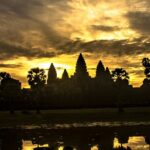
What makes Beng Mealea special for value is that it adds a different mood to your Cambodia photos. Angkor Wat is all geometry and polish. Beng Mealea is stone with time written into it.
Kompong Phluk and Tonle Sap: boat ride plus dry-season reality
The last major stop is Kompong Phluk, a floating village where families live on the water among mangrove forests. This is where you get a boat ride through the village area, and it’s also where the tour can feel most like a living place rather than a sightseeing checklist.
If you’re traveling late March to June
The dry-season timing is important. From the end of March to the end of June, water levels start to recede. That means fewer postcard-perfect scenes, but a different perspective on daily life. Some boats may become stuck, and smaller canoes may not go through jungle areas. The upside is you see how people adapt when the water drops.
So if you care more about daily life than perfect reflections, this timing can be a plus. If you want that classic “floating everywhere” look at every angle, you might prefer a different time of year.
Food and comfort: the picnic lunch plan plus refresh breaks
Lunch is included as a picnic with local food, described as grilled chicken with jasmine rice. There is also a vegetarian option: fried rice with vegetables with eggs, plus fried spring rolls. No vegan option is listed.
On a day with temples, climbs, and a waterfall swim, the lunch matters because it fuels the rest. And the tour doesn’t treat cooling down as optional. You’ll get cool towels and cold water bottles at stops, which is a real comfort upgrade in Cambodia heat.
What you should bring for a full-day climb-and-water mix
You’ll be outside for most of the day, and at least one stop involves swimming. Pack like you’re doing a mix of walking, sun exposure, and wet surfaces:
- Insect repellent
- Sunscreen
- Sun hat
- Something you can change into after the swim (optional but smart)
Also follow the dress rules: knees and shoulders covered, and no shorts. This matters for temple stops and keeps you from losing time to “fix it now” moments.
Price and value: why $54 can be a good deal here
At $54 per person, this tour is priced for a day that would normally cost you more when you add up real-world expenses: transport out of Siem Reap, a guide for the whole loop, multiple admission tickets, and a lunch. Here, those core costs are bundled.
You also get small-group service (up to 15 people) and practical extras that many cheaper tours forget, like cool towels and cold bottled water at stops. When you’re doing a long, active day, those small comforts can make the difference between enjoying it and just surviving it.
Who should book this tour (and who should skip it)
I’d book this if you want a full-day Cambodia highlight mix without the stress of planning multiple independent drives. It’s especially great for:
- First-timers who want more than Angkor Wat
- People who like guided context at sacred sites
- Anyone who enjoys nature stops like Phnom Kulen waterfall and Beng Mealea
- Families or older travelers who still want an active day, but with a guide and organized pacing (there are mentions of groups including parents over 65)
I’d think twice if you want a lightweight outing. This day can involve trekking and climbing segments. You’ll also spend a lot of time “on the bus, off the bus,” which works for many people but feels tedious if you prefer to move independently with fewer stops.
Should you book Kulen Mountain with Beng Mealea and Tonle Sap?
Yes, I’d book it if your goal is a real Cambodia day: history in the mountains, nature at the waterfall, jungle ruins at Beng Mealea, and community life on Tonle Sap. The biggest strength is the balance. You don’t get stuck in one theme.
If you’re picky about schedule fatigue, plan for an early start, a full day, and a strict dress code. Bring the right sun and bug gear, wear shoes you trust on uneven paths, and you’ll be set.
One more practical plus: it has free cancellation up to 24 hours before the start time, so you can book with some breathing room if your Siem Reap plan is still shifting.