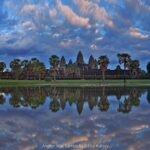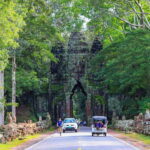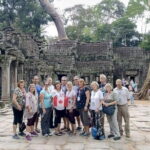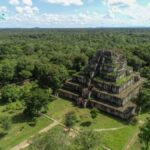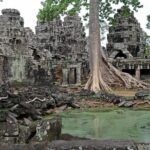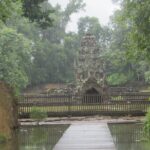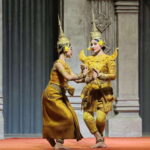
Angkor, without the usual scramble. This private route is built for real time at the temples, not just moving through them. You’ll ride in a comfortable vehicle, stop at the big hits (Angkor Wat, Angkor Thom, Bayon, Ta Prohm), and get history and photo guidance from your own local English-speaking guide.
Two things I really like: first, the way Thom (your guide, if assigned) stays patient while explaining what you’re looking at. Second, this tour’s pace feels adjustable—shortcuts help you dodge crowds when possible, and your guide can tailor the order and timing so you’re not just stuck in a line.
One consideration: the heat can affect how much you can do. One April experience couldn’t finish the full route because it was so hot, even with a friendly guide and driver managing things.
In This Review
- Key things to know before you go
- Why this private Angkor Wat route works so well
- Pickup, comfort, and what you actually get for $45
- Angkor Wat inside visit: three levels, big symbolism
- Angkor Thom South Gate and the five gates maze
- Bayon Temple faces: where photos meet meaning
- Ta Prohm, the tree temple, for shade and wow shots
- Crowds, timing, and how your guide can help
- Practical tips: dress code, shoes, and heat
- Who should book this private tour, and who might skip it
- Should you book this Private Angkor Wat Temple Tour?
- FAQ
- What’s included in the tour price?
- Are the temple admission fees included?
- How long is the tour?
- What temples are included in the itinerary?
- What should I wear to enter the temples?
- Is free cancellation available?
Key things to know before you go
- Thom’s patient guiding style makes the history feel usable, not like a lecture
- Private, air-conditioned transport plus cold towels and water helps you stay functional
- A inside-and-outside Angkor Wat plan, not just quick photo stops
- Angkor Thom South Gate context: five gates, including the ghost gate and victory gate
- Bayon’s famous faces get explained alongside what they represent
- Ta Prohm as the tree temple gives you a change of mood and great photo angles
Why this private Angkor Wat route works so well
Angkor Wat gets all the hype, but the real magic is how the temples connect in your mind. A private tour helps because you’re not pacing a crowd. You can linger at angles that actually matter, step back when the light is better, and ask questions without feeling like you’re slowing down a busload.
This plan also covers the core storyline of the Khmer Empire in a sensible order. You start with Angkor Wat (the main show), then move into Angkor Thom and Bayon (faces, gates, and power), and finish at Ta Prohm (a different kind of atmosphere). In the field, that sequence keeps you from feeling lost.
And yes, the views and photo opportunities are excellent. But the difference here is that you’re not just snapping pictures—you’re getting the “what am I seeing” part while you stand there.
You can also read our reviews of more private tours in Siem Reap
Pickup, comfort, and what you actually get for $45
The price is $45 per person for the tour itself, and that matters because it keeps the focus on guiding and logistics. You’re also getting hotel pickup and drop-off in Siem Reap, plus a private air-conditioned car, drinking water, and cold towels. Those little comforts are not “extras” in Cambodia heat. They’re what let you enjoy the temples instead of surviving them.
Now, the one big catch: temples fee is not included and is listed as $37.00 per person. Also, admission tickets are not included at each stop in the schedule. That means your true out-the-door cost is closer to:
- $45 (tour price)
- plus $37 (temples fee)
- plus any recommended tipping for guide and driver
If you like going with a plan and not playing ticket-bazaar roulette, this still tends to feel like good value. You’re paying for a guide who can shape your day, not just “access to a driver.”
Angkor Wat inside visit: three levels, big symbolism
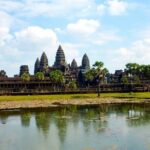
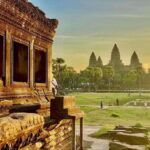
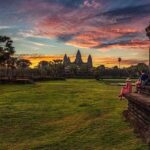
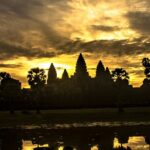
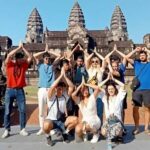
Angkor Wat is the reason most people come to Siem Reap, and this tour doesn’t treat it like a one-minute checklist. Your Angkor Wat stop is planned for about 3 hours, with both an outside view and an inside visit. You’ll learn history as a local expert guide talks through what you’re seeing.
That inside portion is the difference between seeing Angkor Wat and understanding it. From the outside you get scale and symmetry; inside you start spotting the logic of the design—levels, axes, and religious meaning. This tour specifically mentions learning history by an expert guide and that you’ll enjoy a guided tour of all three levels. That’s a strong signal that you won’t just drift around in curiosity mode.
There’s also a quick, practical note in the tour description: the temple is described as representing Cambodia and appearing on the Cambodian flag. Even if you know the basics already, standing where those symbols were shaped helps the story feel real.
One more practical angle: Angkor Wat offers tons of photo opportunities, but the best shots usually require time, not rushing. Having 3 hours helps, and so does the private pace.
Angkor Thom South Gate and the five gates maze
After Angkor Wat, you’ll head to Angkor Thom South Gate, also called Tonle Oum. This stop is shorter—about 30 minutes—so it’s built for orientation and the big-picture feel.
Here’s what your guide is set up to explain: Angkor Thom is described as a city with five gates, including the south gate, ghost gate (gate of the dead), victory gate, dei chhnang gate (north gate), and killing gate. The information also notes the city has about 3 kilometers on each side. That kind of fact isn’t just trivia. It helps you picture the city as a planned space, not random ruins.
The trade-off is time. Thirty minutes can work if you’re the type who likes “see it, understand it, move on.” If you want a long, detailed wander in the gate area, you might feel a bit rushed. Still, it’s a smart setup to get you into the next section—Bayon—without burning your energy too early.
Bayon Temple faces: where photos meet meaning
Bayon Temple is the next major stop, planned for about 1 hour. It’s famous for the faces, and you’ll see both outside and inside viewpoints, with history explained by your guide.
What I like about this stop on a private tour is that the faces can be either mind-blowing or confusing depending on context. With a guide, you get help connecting the visuals to the Khmer Empire story. You also get a better rhythm: outside first for layout and scale, inside second so you understand how the spaces relate.
A heads-up: one hour is enough for key moments, but it’s not a long “art study” session. If you’re the type who could spend half a day staring at carvings, you’ll probably wish you had more time. On the other hand, this itinerary keeps you from getting museum-tired before Ta Prohm.

Ta Prohm, the tree temple, for shade and wow shots
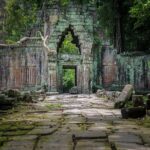
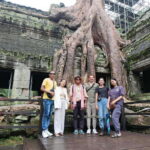
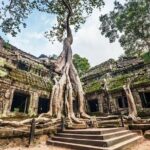
Ta Prohm is often the surprise favorite, and the tour targets it as the tree temple. Your stop is about 1 hour, and it includes outside views and an inside visit, again with history guidance from your tour guide.
This temple’s appeal is partly visual contrast. After stone symmetry and gate structures, Ta Prohm’s “stone meets nature” vibe changes your mood fast. Even when you’re not chasing the perfect photo, you tend to slow down here. The time block is long enough to enjoy the atmosphere and walk key areas without turning it into a marathon.
The other practical benefit: in hot months, Ta Prohm can feel more forgiving than fully exposed stone areas. That’s not promised weather magic, but trees often mean a different level of comfort. In any case, your guide and vehicle timing can help you plan around the sun.
Crowds, timing, and how your guide can help
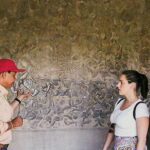
Angkor is busy. What makes a private tour feel worth it is how your guide can manage your day. One review example highlighted that Thom knew shortcuts to avoid crowds, which is exactly what you want on temples that get packed.
Shortcuts are helpful for two reasons:
- They can save you from peak congestion at chokepoints
- They can give you better light and breathing room for photos
The same review also said the tour felt flexible and tailored. That’s a big deal if you’re traveling with different energy levels in your group—someone who wants history, someone who wants photos, someone who just needs to sit down once in a while.
And here’s a small but memorable detail from the reviews: after the tour, Thom took time to help when someone had a cough, including taking them to a pharmacist. It’s not the kind of thing you should count on, but it’s evidence that the guide is paying attention to real-world needs, not just temple stopwatches.
Practical tips: dress code, shoes, and heat
This tour includes a lot of walking and time outdoors, so plan like you’re going to work up a sweat. The instructions are clear: you must cover your knees and shoulders when entering temples. Bring clothing you can manage in heat—light fabric helps more than you’d think.
Also, wear comfortable walking shoes. You’ll want grip and support because temple surfaces can be uneven. Keep your valuables minimal too. The tour advice is not to bring valuables with you, which is smart in crowded areas.
And then there’s the elephant in the room: heat. One April review reported the tour couldn’t be finished completely because it was so hot. That doesn’t mean the tour is poorly planned. It means you should treat the schedule as a guideline. If you’re traveling in hotter months, build in patience, hydrate early, and let your guide adjust pacing.
Who should book this private tour, and who might skip it
Book this tour if you want:
- A private, guided day that’s paced around your group
- inside-and-outside time at Angkor Wat, not just the exterior
- a guide who can explain the Khmer Empire while you stand in the temples
- hotel pickup and drop-off that saves you from thinking too much
This also fits well for couples and small groups who don’t want to merge into a big flow. If your group has mixed interests—history plus photos—this itinerary is designed to cover both.
I’d consider another option if your style is “I want maximum time per temple no matter what.” This route has set time blocks (3 hours, 30 minutes, 1 hour, 1 hour). You’ll enjoy it most if you like a structured day with a guide, rather than total freedom.
Should you book this Private Angkor Wat Temple Tour?
I think you should book it if you care about getting context, not just collecting stamps. The combination of local English-speaking guidance, air-conditioned transport, and a route that hits the big four temples makes it a strong “first Angkor day” choice.
Be realistic about two things. First, budget for the $37 temples fee on top of the $45 tour price. Second, if you’re going in peak heat, plan for slower walking and the chance your day could shorten. That April example is a reminder: even a great tour can’t beat weather, so go with flexibility.
If you want a day that feels organized, human, and not exhausting, this private tour is a solid pick. It’s the kind of plan that helps Angkor make sense—gate to faces to tree temple—while keeping you comfortable enough to enjoy it.
FAQ
What’s included in the tour price?
The tour includes a local English speaking tour guide, an air-conditioned car, drinking water and cold towels, and hotel pickup and drop-off.
Are the temple admission fees included?
No. The temples fee is listed as $37.00 per person, and admission tickets are noted as not included at the stops.
How long is the tour?
The duration is listed as about 5 to 7 hours.
What temples are included in the itinerary?
You’ll visit Angkor Wat, Angkor Thom South Gate, Bayon Temple, and Ta Prohm.
What should I wear to enter the temples?
You must cover your knees and shoulders when entering temples. Comfortable walking shoes are recommended.
Is free cancellation available?
Yes. Free cancellation is listed, and you can cancel up to 24 hours in advance for a full refund.