REVIEW · SIEM REAP
3-Days Private Angkor Wat Sunrise/Sunset Tours & Floating Village
Book on Viator →Operated by Siem Reap Guide · Bookable on Viator
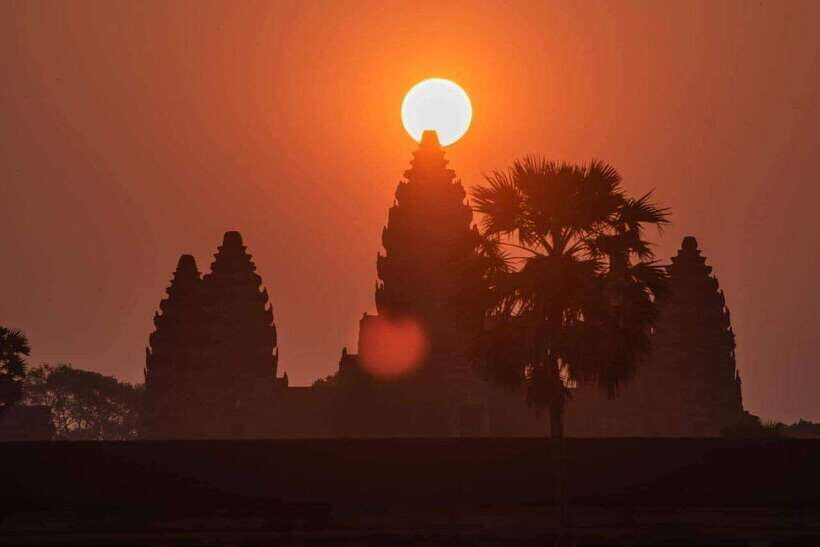
Sunrise at Angkor feels like a movie scene. This private, 3-day plan spreads the big temples across multiple days, so you’re not stuck in a crowd shuffle. I like that the 3-day temple pacing keeps you moving at a human rhythm, with time for real views and photo angles instead of quick-hit stops.
Two things I especially like: the private historian & photographer guide (with cold waters and wipes to keep you going), and the way the schedule hits both sides of Angkor photography—sunrise at Angkor Wat and sunset from a viewpoint at Phnom Bakheng. One consideration: the listed tour price doesn’t include main temple admissions, so you’ll need to budget for the park pass and a couple of extra entries on top.
In This Review
- Key things you’ll notice on this Angkor tour
- Private AC vehicle and a historian-photographer who keeps the day on track
- Day 1: Angkor Wat to Ta Prohm to Angkor Thom’s faces and terraces
- Day 2: Preah Khan, Neak Pean, and the craftwork of Banteay Srei
- Day 3: Sunrise at Angkor Wat, Beng Mealea, and Kampong Phluk
- Price and value: budgeting the park pass plus the must-see add-ons
- Should you book this 3-day private sunrise and floating village tour?
- FAQ
- What time does the tour start?
- What is the price for the tour?
- Is this tour private?
- What’s included in the price?
- Are temple admission fees included?
- What about food?
- What dress code is required?
- How many days is the tour?
- How fit do I need to be?
- What happens if the tour is canceled due to weather or timing?
Key things you’ll notice on this Angkor tour
- Private guide + photo tips that help you frame shots, not just point and go
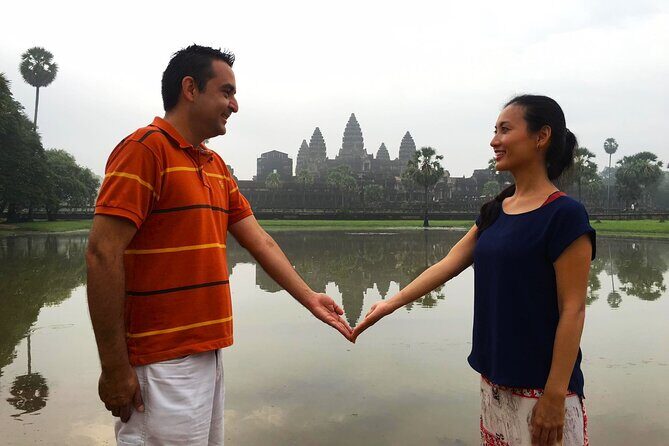
- Angkor Wat sunrise plus Phnom Bakheng sunset for golden-hour photos across two different temple moods
- Angkor Thom in full, including Bayon’s smiling faces, Baphuon (with climb), and the Terrace of the Elephants and Leper King
- More than the headline temples, with stops like Neak Pean and Ta Som’s tree-covered faces
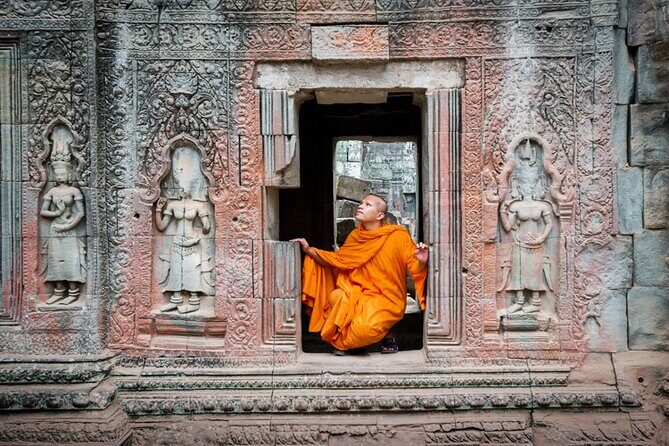
- Banteay Srei’s pink sandstone carvings with a longer time block and a proper outskirt drive
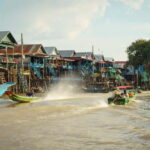
- Kampong Phluk floating village for 3 hours on the Tonle Sap lake area, with the tour time set aside to actually look around
Private AC vehicle and a historian-photographer who keeps the day on track
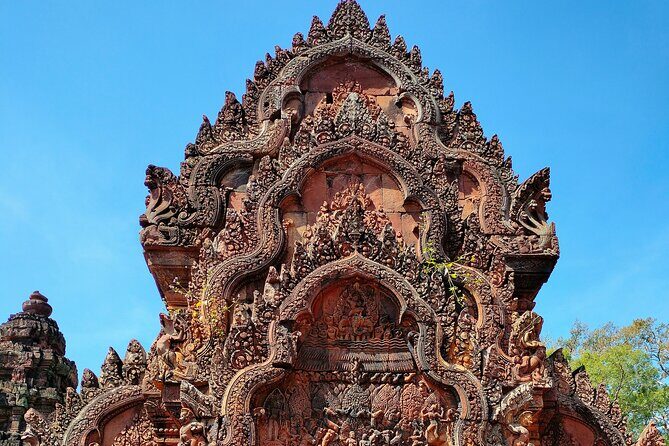
This tour is built for comfort and focus. You get hotel pickup and drop-off in a private, air-conditioned SUV or minivan, and it’s just your group (up to 12 people). That matters in Angkor, where the difference between a good day and a stressful day is often whether you can step aside when you want to, or wait when photos need a second take.
You start at 8:30 am with pickup from your hotel lobby. The guide handles the practical stuff like buying the 3 days Angkor temple pass, then you’re off to the temple circuit. You’ll also use a mobile ticket, which usually makes entry smoother, especially when there’s ticket checking and crowd flow.
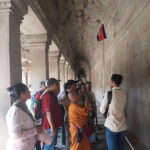
The included guide is a two-for-one: a professional historian plus a photographer guide. I like that combination because it changes the way you see stone. The historian helps you understand what you’re looking at—why a structure is where it is, what the carvings might have meant, and how the different kings and eras left their marks. The photographer side helps you time shots around light, and it’s not just technical talk; it’s the kind of practical guidance that can turn a decent photo into one you actually want to print.
Small but important note: there are temple dress rules. You’ll need shoulders and knees covered (no shorts or sleeveless tops) to avoid being refused entry at worship sites and selected museums. The tour also lists dress code as formal / smart casual, so I’d plan for something that covers you even if it’s warm outside.
You should also have moderate physical fitness. Some spots involve climbing (Baphuon and Pre Rup), and Beng Mealea is more of a roam-over-rough-ground kind of visit than a clean walkway.
You can also read our reviews of more private tours in Siem Reap
Day 1: Angkor Wat to Ta Prohm to Angkor Thom’s faces and terraces
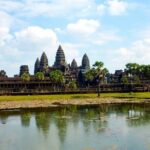
Day 1 is the classic Angkor “greatest hits,” but paced across many separate monuments rather than one frantic day. That’s what makes it feel calmer. You start at Angkor Wat for about 3 hours. This is the early 12th-century complex and, yes, it’s described as the world’s largest monument. What I like about spending real time here in a private setting is that you can notice the details people miss when they’re sprinting between photo points.
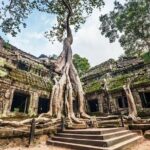
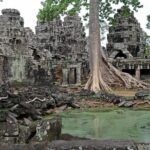
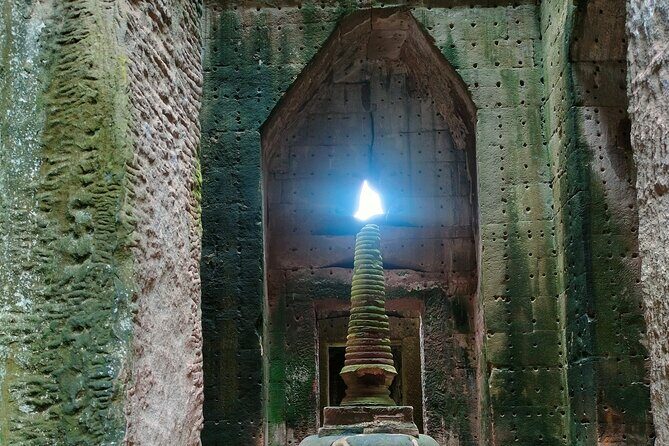
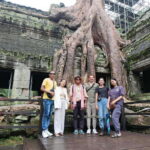
After Angkor Wat, you head to Ta Prohm (about 1 hour). This is the jungle-overgrown temple linked to Lara Croft: Tomb Raider. Even if you’re not chasing movie references, Ta Prohm is about atmosphere—the way vines and tree roots grab the stone, creating that “ruin you could walk into” feeling. In the heat, it’s also a nice change of pace because you’re not climbing; you’re mostly exploring and watching light filter through vegetation.
Then the day shifts into Angkor Thom, where you’ll spend about 1 hour overall, plus additional time carved out for its key sites. You’ll visit the major components inside the walled city: Bayon, Baphuon, and both famous terraces.
- Bayon Temple (about 45 minutes): This is where you’ll see over 200 smiling Buddha faces looking in different directions. In a private setting, you can stand in the right spot for the direction of faces rather than fighting for space.
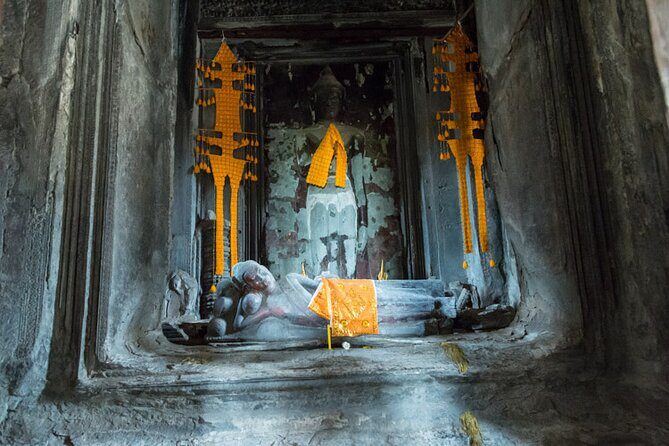
- Baphuon Temple (about 45 minutes): This one allows climbing all the way to the top, and the reward is a quieter view and a clearer sense of the structure. There’s also a huge carving of a reclining Buddha at the back of the temple—worth slowing down for.
- Terrace of the Elephants (about 30 minutes): This terrace is an “engineering meets entertainment” collection of carved scenes—elephant flights, plus depictions that include horse racing and other lively activities.
- Terrace of the Leper King (about 20 minutes): Expect a set of high bas-reliefs, including the 9-headed serpent. There’s also a statue detail connected to a local legend about missing fingers and toes. Even if you don’t need the story to enjoy it, the carvings are the main event.
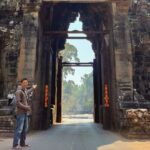
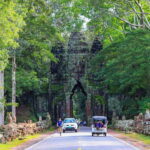
- Angkor Thom South Gate (about 15 minutes): This is where you’ll see the tug-of-war imagery using a 7-headed serpent, with demons and gods in two rows—plus massive stone faces at the entrance.
You end Day 1 with Phnom Bakheng (about 1 hour). It’s described as the oldest Hindu temple from the late 9th century, and it’s also your sunset viewpoint spot. The value of this stop is not just sunset itself; it’s the way the viewpoint can give you a sense of how Angkor’s temples relate to each other across the area. If you want the “big picture” photo, this is one of your best chances.
The main drawback of Day 1 is simply density. Even though the private guide helps with pacing, you’ll cover a lot of ground. If you’re prone to foot pain, consider walking slower than you think you need to—temple stairs and uneven surfaces add up.
Day 2: Preah Khan, Neak Pean, and the craftwork of Banteay Srei
Day 2 is a quieter, more spread-out feeling circuit. You still see huge monuments, but you’re also getting into the temples that feel a bit less “tour bus” and more “let’s walk and look.”
Start with Preah Khan (about 1 hour). It’s a massive temple complex dedicated to the king’s father, and it still has that overgrown, vegetation-filled atmosphere. This stop works well if you like temples that feel lived-in by nature rather than restored to perfection.
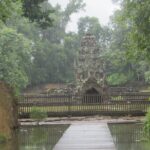
Next is Neak Pean (about 50 minutes). This is special because it’s described as an ancient hospital site, using holy water associated with healing. You reach it by crossing a long wooden bridge over the Jaya Tataka reservoir, which makes the approach part of the experience. You’re not just entering a temple; you’re crossing into an island setting with water and reflections in the mix.
After that, you’ll visit Ta Som (about 40 minutes). This 13th-century Buddhist temple includes striking four Buddha faces, with a tree overgrown at the east gate. It’s a great stop for photos where you want both symmetry and texture—faces in stone, plus living growth pressing in.
Then comes Eastern Mebon (about 45 minutes). It’s described as a clay brick temple mixed with some lava and sandstone, and there are eight elephant statues standing. The context here is what makes it interesting: it used to be an island temple of Eastern Baray, but now the reservoir is dried up and the area became villages and rice fields. That “then and now” feeling is one of Angkor’s best lessons—how geography and time reshape meaning.
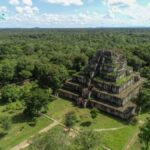
After lunch time (lunch isn’t included, so plan for that), you head to Pre Rup (about 50 minutes). This mid-10th-century temple is dedicated to Shiva and is described as more than 1,000 years old, with five spires still standing. You can climb up for viewpoints, and the payoff is classic: a higher perspective that helps you compare different temple lines and roof angles.
Finally, you end with Banteay Srei (about 2 hours). This is an outskirt drive—about 40 minutes each way, plus about 50 minutes exploring once you’re there. Banteay Srei is famous for its pink sandstone and intricate carvings. The extra time matters because it’s detailed work: you don’t want to rush this one with a “next stop” mentality.
Day 2 is a strong fit for people who don’t want only the most famous shots. If you enjoy architecture and carving patterns—faces, hands, serpents, and geometric details—this is where the tour starts rewarding your attention.
Day 3: Sunrise at Angkor Wat, Beng Mealea, and Kampong Phluk
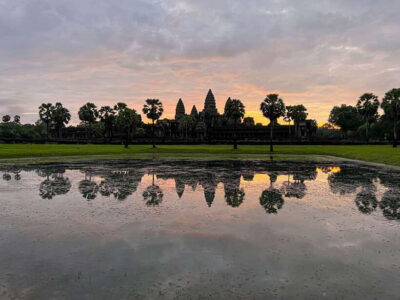
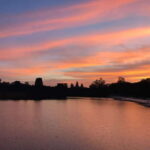
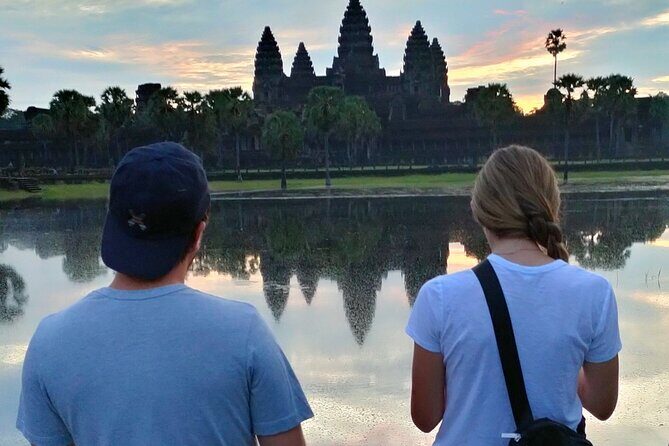
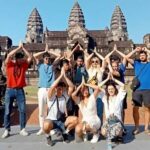
Day 3 starts with the big moment: Angkor Wat at sunrise (about 2 hours). The tour description sets expectations clearly: you’ll come early for sunrise, when the temple is bathed in golden light with reflections. This is where the private part really pays off. Instead of getting pulled around by a group schedule, you can keep moving toward the best angles as the light changes.
After sunrise, you head to Prasat Beng Mealea (about 3 hours), about 68 km away. This jungle temple is described as still untouched and easy to roam around over rubbles and vines, giving an Indiana Jones kind of exploring vibe. In practical terms, that means it’s not a “follow a rope line” site. It’s more hands-and-feet terrain. If you’re comfortable with uneven ground, you’ll have a lot of fun. If you hate that style of walking, you may want to take it slowly and plan for extra time.
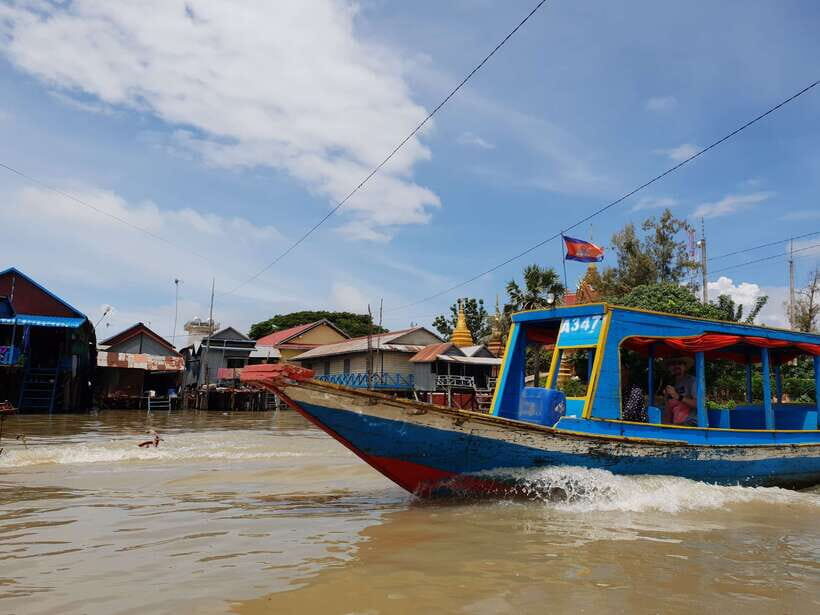
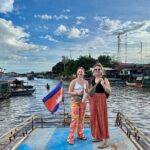
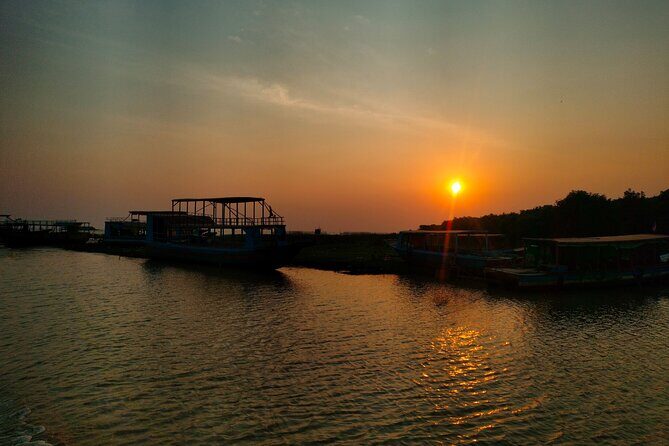
Then you finish with Kampong Phluk floating village (about 3 hours) on the bank of the Tonle Sap lake. This stop is a different side of Cambodia than temple stone. It’s described as a fishing and floating community, with a large population living on and around the water. You’ll see elements like a pagoda, schools, rice fields, cattle, and mangrove forests as part of the setting.
Important detail check: the stop description says the Kampong Phluk admission ticket is included, but the pricing list also references a $20 per person entrance fee for Kampong Phluk. I’d ask your operator for written confirmation of what’s included before you arrive so you’re not surprised at the ticket counter.
Day 3 is the tour’s best blend: spiritual awe first thing, adventure-style temple roaming, then an actual community and landscape shaped by the lake.
Price and value: budgeting the park pass plus the must-see add-ons
The tour price is $370 per group, up to 12 people. That’s the part people see first, and it can look like a deal—until you factor in admissions and the realities of how private tours price out over different group sizes.
Here’s the value math in plain terms:
- If you fill the group with 12 people, the base cost works out to about $30.83 per person for 3 days of pickup, private AC vehicle, and a historian-photographer guide.
- If you’re a smaller group, the per-person share rises because the vehicle and guide costs stay the same.
Then there are the admissions. The big one is the 3 days Angkor Park admission: $50 per person. Based on how the tour is laid out, you should assume this pass is what covers the main Angkor temple circuit stops. On top of that:
- Beng Mealea entrance: $12 per person is listed as not included.
- Kampong Phluk entrance: $20 per person is listed in the add-on section, though the specific stop line says admission ticket included.
Also budget for food. Breakfast and lunch and dinner aren’t included, and soft drinks are not listed as included either. You will have cold waters and wipes, which is great for temples, but it won’t replace meals.
What you’re really paying for here is not just transportation. You’re paying for time, pacing, and someone who helps you see. The tour rating is 4.8 out of 5 with 27 reviews, and 96% recommend it—clear signals that the guide service and photo help are major reasons people feel it was worth it.
One more practical value point: this is booked on average 104 days in advance, so if you want a specific start date, don’t wait until the last week. Sunrise timing plus private scheduling can’t be “winged” easily.
You can also read our reviews of more evening experiences in Siem Reap
Should you book this 3-day private sunrise and floating village tour?
I’d book it if you want Angkor without the stress. This is a great match for couples, families, and small friend groups who:
- care about sunrise and sunset photos enough to want the right timing,
- prefer private pacing over sprinting between temples,
- like history explained in a way that connects stone carvings to meaning,
- want the less-obvious temple stops like Neak Pean and Ta Som, not only the headline names.
I’d think twice if you:
- hate early starts (sunrise day 3 is the whole point),
- don’t want climbing or uneven-ground walking (Baphuon and Pre Rup, plus Beng Mealea),
- want meals and admissions fully included in one price (they’re not fully bundled here).
If weather is poor, the tour notes it needs good weather, and if it gets canceled for that reason you should be offered a different date or a full refund. That’s reassuring when you’re planning around sunrise.
FAQ
What time does the tour start?
Pickup is listed at 8:30 am from your hotel lobby.
What is the price for the tour?
It’s $370 per group, with a maximum group size of up to 12 people.
Is this tour private?
Yes. It’s private, and only your group participates.
What’s included in the price?
Included items are hotel pickup and drop-off, a professional historian & photographer guide, cold waters and wipes, and gasoline, parking, and toll road costs. A mobile ticket is also part of the experience.
Are temple admission fees included?
No. The 3 days Angkor Park admission ($50 per person) is listed as not included, and Beng Mealea ($12 per person) is also listed as not included. For Kampong Phluk, the stop description says admission ticket included, but the price list mentions $20 per person—ask for confirmation when booking.
What about food?
Breakfast, lunch, and dinner (and soft drinks) are not included.
What dress code is required?
You need shoulders and knees covered and no shorts or sleeveless tops for places of worship and selected museums. If you don’t meet the dress requirements, you might be refused entry.
How many days is the tour?
It’s a 3-day experience.
How fit do I need to be?
The tour is described as requiring moderate physical fitness.
What happens if the tour is canceled due to weather or timing?
It requires good weather. If it’s canceled due to poor weather, you’ll be offered a different date or a full refund. Cancellation is free up to 24 hours before the start time for a full refund.