REVIEW · SIHANOUKVILLE
KAMPOT TRAVEL-Pepper farm. Cave.Secret lake-Crab market & Salt…
Book on Viator →Operated by Tango · Bookable on Viator
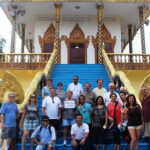
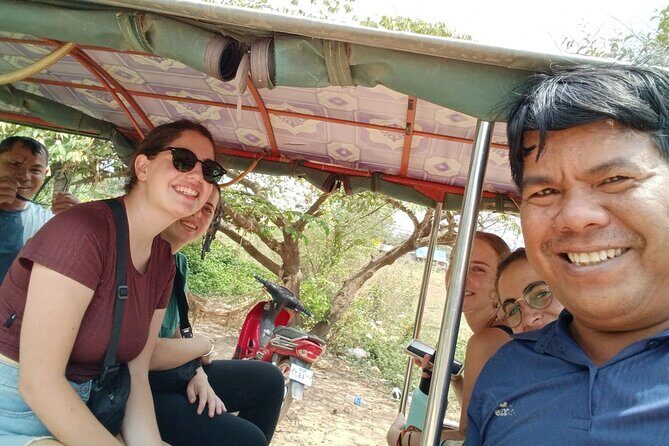
A long day with lots of local flavor. This full-day Kampot-to-Kep route strings together caves, farms, and seafood in a way that feels personal, not rushed. You’ll move by tuk-tuk with pickup, a small max group, and guide Tango keeping things friendly and on time.
I especially like two parts: the calm, one-hour visit to Phnom Chhngok Cave Temple, and the hands-on pepper stop at La Plantation, where the walk is guided and you learn how different pepper is grown, harvested, and processed.
One consideration: the day includes the Kampot Salt Fields, but if timing gets tight you may want to confirm it clearly in the plan so you don’t miss that short stop. Also, plan for 6 to 8 hours in the sun and walking areas that can be uneven.
In This Review
- Key things to know before you go
- A Private Tuk-Tuk Day From Kampot to Kep That Actually Feels Local
- Stop 1: Phnom Chhngok Cave Temple (Your First Hour of Calm)
- Stop 2: Brateak Krola Lake and the So-Called Secret Lake Story
- Stop 3: La Plantation Pepper Farm Walk You Can Actually Follow
- Stop 4: Kampot Salt Fields and the Old-Fashioned Methods
- Stop 5: Kep Crab Market Dinner Where You Pick the Catch
- The Sunset Finish: Why Ending at the Beach Is a Good Move
- Price and Value: How $23 Makes Sense for This Kind of Day
- Who This Tour Suits Best (And Who Might Want to Rethink It)
- Should You Book This Kampot and Kep Pepper, Salt, and Crab Day?
- FAQ
- How long is the Kampot and Kep full-day tour?
- What’s included in the price?
- Is pickup offered?
- Do I need a mobile ticket?
- What are the main stops on the tour?
- How much time do you spend at the crab market?
- Is there an extra charge if I’m staying outside Kampot town?
- How big is the group?
- Who is the guide?
- What’s the cancellation policy?
Key things to know before you go
- Small-group, private feel with a max of 12 and your group only
- Phnom Chhngok Cave Temple for a Hindu cave shrine experience in about an hour
- Brateak Krola Lake as the so-called Secret Lake with Khmer Rouge-era forced labor context
- La Plantation pepper farm with free guided walks in French, English, and Khmer
- Kampot Salt Fields using old-school sea salt production methods (and it’s short on purpose)
- Kep Crab Market dinner where you can pick seafood and have it cooked on the spot
A Private Tuk-Tuk Day From Kampot to Kep That Actually Feels Local
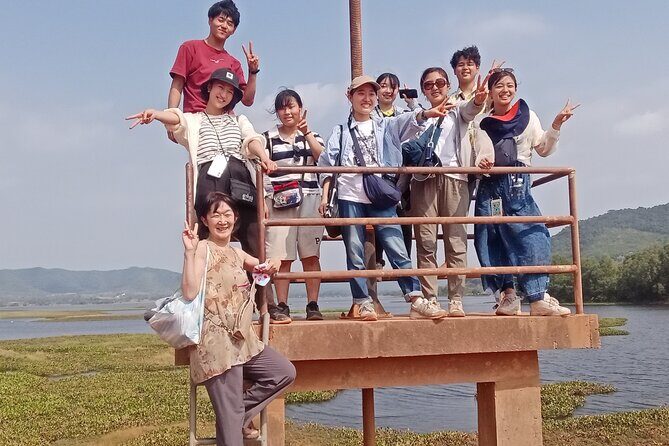
This is the kind of day trip that works because it’s built around real production and real places, not just photo stops. You’ll cover Kampot highlights and end in Kep, Cambodia’s crab-focused coast scene, with the day finishing at the beach for sunset.
You’ll start with pickup (so you’re not burning time figuring out transport), and the tour runs about 6 to 8 hours. It’s also priced at $23 per person, and that matters because admissions and transport are included, plus bottled water. Add in a dedicated guide and a small group cap of 12, and the value starts to make sense—especially if you want more than a quick drive-by.
If you’re the type who likes to see how food and staples are made, this fits. You’re going to touch the story behind pepper and sea salt, then close with a seafood dinner that’s prepared right in front of you.
You can also read our reviews of more shopping tours in Sihanoukville
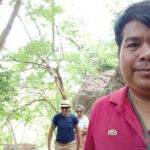
Stop 1: Phnom Chhngok Cave Temple (Your First Hour of Calm)
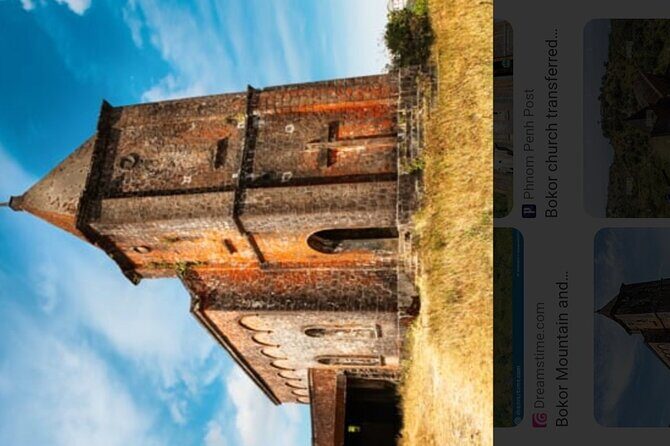
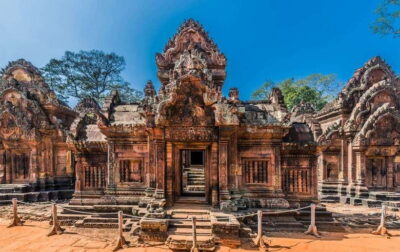
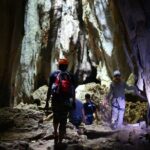
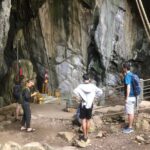
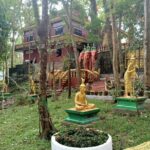
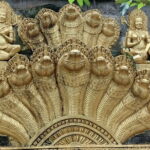
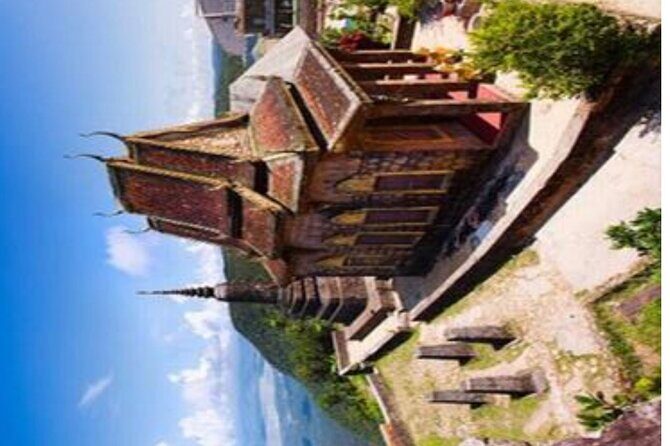
The day begins at Phnom Chhngok Cave Temple. This is a Hindu cave temple in Kampot, and it’s known as one of the most remarkable cave-temple attractions in the region.
Expect about an hour here. That timing is perfect for a “see it, take it in, move on” visit—long enough to feel the place, short enough that you’re not trapped in the humidity. Caves can also be cooler than outdoors, which helps if your day starts warm.
A practical tip: temples often involve areas where people move carefully. Wear shoes you trust on uneven ground, and keep your clothes comfortable enough for walking. If you’re traveling in hot weather, a light layer can also help when you move between cave shade and bright daylight.
Stop 2: Brateak Krola Lake and the So-Called Secret Lake Story
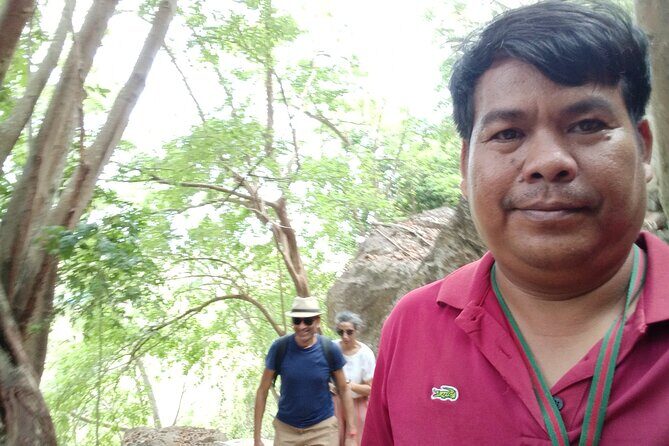
Next up is Brateak Krola Lake, often called the Secret Lake. This stop is only about 30 minutes, but it’s not a “quick photo and forget” kind of place.
Here’s the key context you should know before you arrive: the lake was built in the 1970s by the Khmer Rouge using forced labor, and many Cambodians died. That’s heavy information, so treat this stop with respect and take your time absorbing what you’re seeing.
Why it belongs on the same day as pepper farms and seafood markets: it shows how Cambodia’s landscapes connect to people’s lives across different eras. You’re seeing the country as more than scenic backdrops.
If you don’t like dark history stops, this might feel intense. But if you want a balanced sense of place—spiritual sites, daily work, and the places where history left scars—this 30 minutes can land as one of the most meaningful parts of your day.
Stop 3: La Plantation Pepper Farm Walk You Can Actually Follow
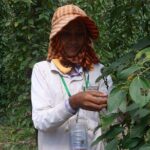
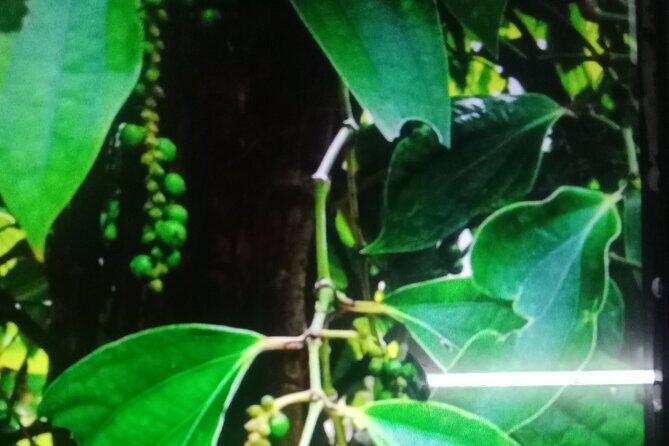
Then you shift gears to something hands-on: La Plantation, an organic pepper farm. This stop runs about 2 hours and is guided, with walks available in French, English, and Khmer.
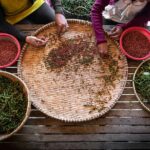
What I like about this is that it’s not just a “look at the vines” tour. The farm’s guide explains how several varieties of pepper are grown, harvested, and processed. You also see that pepper farming here sits inside a wider mix of crops—the farm grows fruits, chillies, and herbs as well.
This is where the day becomes practical. Pepper is one of those ingredients you usually buy as a jar. At La Plantation, you get the chain of work behind it, and that makes dinner later feel more connected.
Included in the experience is a banana fried item. It’s a small detail, but it’s the kind that turns a farm visit into a full sensory stop, not just a lecture.
For your comfort: the farm visit is longer than the temple and lake stops, so wear sun protection and plan to drink your water. The tour includes water, but it’s still smart to sip regularly.
Stop 4: Kampot Salt Fields and the Old-Fashioned Methods
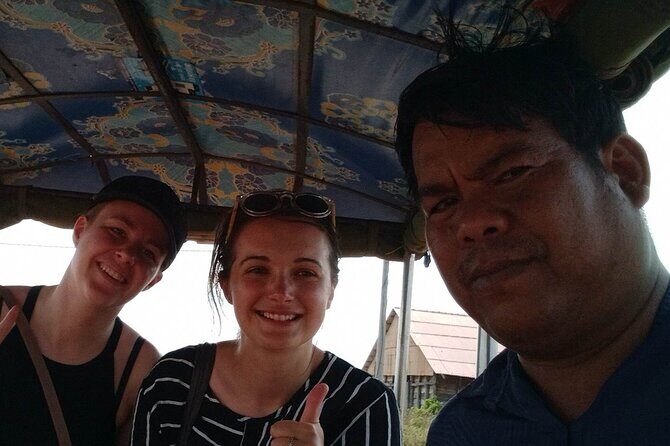
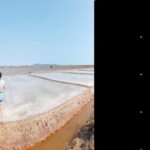
After pepper, you move to Kampot Salt Fields, another short but distinctive stop at about 30 minutes.
The pitch here is old-school sea salt production. You’ll learn the history and culture of how sea salt is produced in the area, and the experience emphasizes that traditional methods are still used.
Why a short stop can still be worth it: salt production is visual. You can often understand the workflow just by watching how the area operates. Thirty minutes is enough time to get the idea, ask questions, and take a few photos without dragging your whole day down.
One more practical thought: there is a real-world risk that the salt fields stop gets missed if the schedule shifts. If this is important to you, make sure it’s clearly part of your day plan from the start, not an optional extra. It’s included, and it’s one of the “signature” stops of this route.
You can also read our reviews of more tours and experiences in Sihanoukville
Stop 5: Kep Crab Market Dinner Where You Pick the Catch
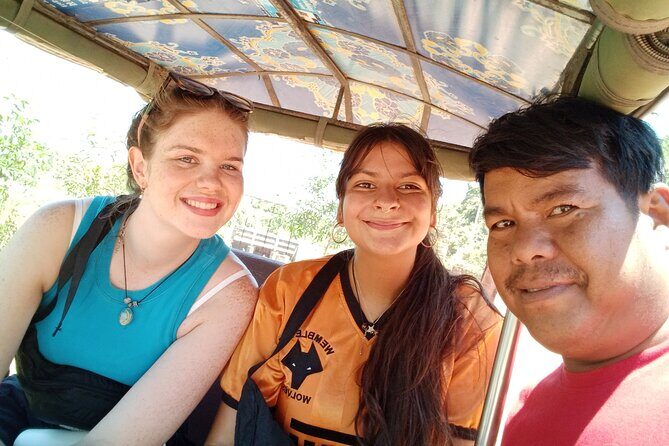
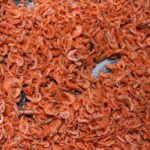
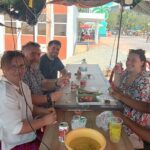
Kep crab market is one of the most fun ways to end the day, because it’s interactive. You spend about 2 hours here, and the setup is simple: fresh crabs and seafood arrive daily, you pick what you want, and then you have it cooked at a restaurant right there in the market area.
This stop hits a different kind of travel goal. Instead of learning about a product, you eat it. It also helps you understand the local food culture by seeing how people shop and order in one place.
If you’re a seafood fan, you’ll likely love the energy of the market. If you’re picky, it can still work because you can choose what you eat based on what’s available that day.
Also, this is where the guide matters. A good guide helps you navigate choices and keeps you on track so you’re not stuck waiting too long for cooking or dealing with language gaps. With Tango, the tone described is that he answers questions and keeps the day moving smoothly.
The Sunset Finish: Why Ending at the Beach Is a Good Move
After dinner, you finish with sunset at the beach. That timing is a nice psychological trick: you go from learning and walking to eating and then to a slower end.
Sunset works well here because it gives you a clear payoff for being out all day. Even if you’re tired, it usually feels worth it when the light goes soft and the coast turns calmer.
Price and Value: How $23 Makes Sense for This Kind of Day
At $23 per person, this tour can be a solid value when you compare what you’re getting: transport, water, admissions, and the main stops are all included. For a 6 to 8 hour day with multiple ticketed attractions, that’s not a “just transportation” price.
There is one extra cost to watch for: an additional $5 if you’re staying outside Kampot town, specifically more than 4 km from the Durian roundabout. That’s worth checking early so you don’t get surprised at pickup.
Who tends to benefit most from this pricing:
- Couples and small groups who want a full day plan without doing logistics themselves
- People who want a mix of culture and food—temples, farming, and seafood
- Anyone who wants a guide and a small-group pace instead of a big bus
Who This Tour Suits Best (And Who Might Want to Rethink It)
This tour fits you if you want a day where you learn how local staples are made and then eat the result of the coast life in Kep. It also suits you if you appreciate a guide-led flow—people often enjoy having someone coordinate the stops so they can focus on the sights and questions.
It may be less ideal if:
- You want long free time at each stop. Most stops are set durations, like 30 minutes or 1 hour.
- You’re uncomfortable with history content. The Secret Lake stop includes Khmer Rouge forced labor context.
- You want a fully relaxed pace. The schedule is full, and you’ll be on the move for most of the day.
Overall, it’s a practical “one-stop day” that hits multiple Kampot and Kep anchors.
Should You Book This Kampot and Kep Pepper, Salt, and Crab Day?
I’d book it if you like food-and-place travel: pepper farm learning, salt production context, and a crab market dinner that’s part meal and part local routine. The guide Tango is a big reason this kind of day works well, with the vibe that he keeps things running smoothly and answers questions.
I’d double-check your plan if the salt fields stop is a must-do for you. Also, if you’re sensitive to heavy historical details, consider whether the Brateak Krola Lake context feels like the right fit for your trip style.
If you want one solid day that connects Kampot countryside work to Kep coast cooking, this is the kind of tour that can be worth your time.
FAQ
How long is the Kampot and Kep full-day tour?
The tour lasts about 6 to 8 hours.
What’s included in the price?
Transport, water, entry tickets, and a banana fried item are included.
Is pickup offered?
Yes, pickup is offered.
Do I need a mobile ticket?
Yes, the experience includes a mobile ticket.
What are the main stops on the tour?
You visit Phnom Chhngok Cave Temple, Brateak Krola Lake, La Plantation pepper farm, Kampot Salt Fields, and Kep Crab Market.
How much time do you spend at the crab market?
You spend about 2 hours at Kep Crab Market.
Is there an extra charge if I’m staying outside Kampot town?
Yes. There’s an additional $5 fee if you’re staying outside Kampot town, 4 km from the Durian roundabout.
How big is the group?
The tour has a maximum of 12 travelers.
Who is the guide?
The experience provider is Tango.
What’s the cancellation policy?
Cancellation is free up to 24 hours in advance for a full refund.