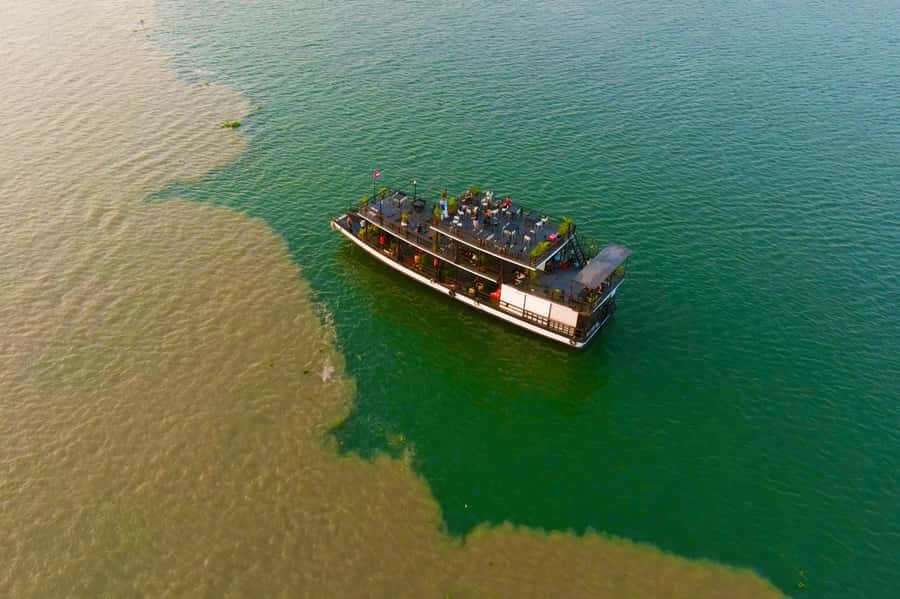
Siem Reap’s best view might float. This half-day cruise takes you onto Tonle Sap Lake to see a real floating settlement—schools, shops, and homes—changing with the lake’s water levels. You also get a smooth combo of stops: lotus fields on the way in, a crocodile/fish farm peek, and lunch aboard the Queen Tara Riverboat with included drinks.
I especially like how the tour is built around the lake itself. You’re not just “passing by,” you’re traveling close enough to Chong Khneas to feel the place is alive. I also like the included value: hotel pickup/drop-off, guide, lunch, and two drinks are all in the same package. The main thing to consider is that conditions on Tonle Sap can affect what you see—water clarity, how muddy the creeks feel, and how much time is spent actually on the floating village area.
One more heads-up: this kind of experience can feel a bit voyeuristic when you’re close to people’s homes and schools, and the crocodile farm segment gets mixed feelings from some visitors. If animal ethics matter a lot to you, go in with your eyes open and decide based on your comfort level.
In This Review
- Key reasons this boat trip is worth your time
- Floating villages on Tonle Sap: what you’re really seeing
- The 4-hour rhythm: how the day flows from pickup to lunch
- Chong Khneas floating villages: close-up looks at a community on water
- Lotus fields and plant-to-thread learning on the way
- Crocodile and fish farm stop: an interesting sight with ethical questions
- Lunch on the Queen Tara Riverboat: hammocks, hammocks, and then lunch
- Boats, comfort, and what to expect physically
- Price and value: is $39 a good deal?
- Who should book this floating villages cruise
- Should you book this tour or choose something else?
- FAQ
- What is the duration of this Tonle Sap floating villages boat trip?
- What time does the tour start?
- How much does the tour cost?
- Is hotel pickup and drop-off included?
- What is included in the lunch and drinks?
- Are vegetarian meals available?
- Is this tour suitable for children?
- Does the tour run in bad weather?
- Can I cancel for a full refund?
- Is there a limit on group size?
Key reasons this boat trip is worth your time
- Chong Khneas access on the water: You get close to a true floating community, not a distant photo stop
- Water-level know-how: The lake guide and drivers know where to go even when levels swing dramatically
- Lotus stops with plant-to-product details: You may learn how lotus becomes thread, fiber, and other materials
- Lunch on the Queen Tara: You’re eating on the water with hammocks and included drinks
- Family-friendly pacing: It’s a relaxed half day with bathrooms on board and no rough hiking
Floating villages on Tonle Sap: what you’re really seeing
Tonle Sap is one of those places where you stop picturing a lake and start picturing a living system. In the rainy season it spreads wide; in the dry season it shrinks and can look very different. That matters because the floating villages and the routes to reach them are shaped by the water level, not by a fixed map.
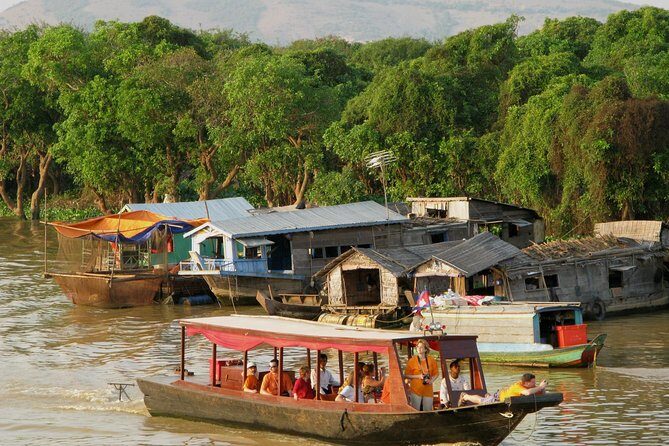
This tour leans into that reality. It uses specially designed boats that can handle big changes in depth—impressive if you’ve ever tried to imagine how boats cope when the lake rises and falls by many meters. You’ll also learn that people here are not just “living on houseboats.” The whole community floats, including basic institutions like schools and shops.
And yes, it’s scenic. But the real point is human scale. Up close, you see daily life, small businesses, and the way the floating environment becomes normal.
The 4-hour rhythm: how the day flows from pickup to lunch
Plan for a half-day that feels more like a guided float-and-stops outing than a long expedition. The start time is 10:00 am, and the total duration is listed at about 4 hours, including transfers.
Most of the “action time” centers on the lake and the floating villages, while the rest of the day is shaped by travel and the lunch segment aboard the Queen Tara. One thing I’d watch for: depending on the pace of boat movement and what the water is doing that day, you may feel like you spent a bigger chunk of time relaxing on boats rather than constantly hopping between viewpoints. That’s not automatically bad—Tonle Sap has its own mood—but it matters if you’re expecting an always-busy itinerary.
Also note the practical side. Getting on and off boats can feel a little uneven, especially if the gangway and creek paths are muddy. If you have balance issues, take it slowly and use the railings.
Chong Khneas floating villages: close-up looks at a community on water
Chong Khneas is the heart of the experience. The tour aims to get as up close as possible, depending on conditions. That “depending on water levels” clause isn’t vague here—it’s the core of how this works.
The lake guide and boat driver are described as being born in the area. That’s a big deal for two reasons. First, they know the best places to approach safely. Second, they can explain what you’re seeing in plain terms: how daily life works when everything floats, why certain spots are used, and how seasonal shifts change movement around the lake.
Expect a mix of housing, community activity, and water-based infrastructure. Some elements can look playful from far away—like floating gardens—but up close it’s more serious. You see how practical farming and everyday services function when the ground is water.
One more thing: privacy and comfort. You’ll be close to homes and schools. If you prefer your photos from a respectful distance and you don’t like feeling like you’re intruding, keep that in mind. The best moments are the calm ones—watching routines and listening to the guide describe how people adapt.
Lotus fields and plant-to-thread learning on the way
On the way to the lake, the tour includes a lotus farm or lotus-field stop. This is one of those breaks that adds meaning beyond scenery. Lotuses aren’t only pretty flowers here; they’re part of a local materials story.
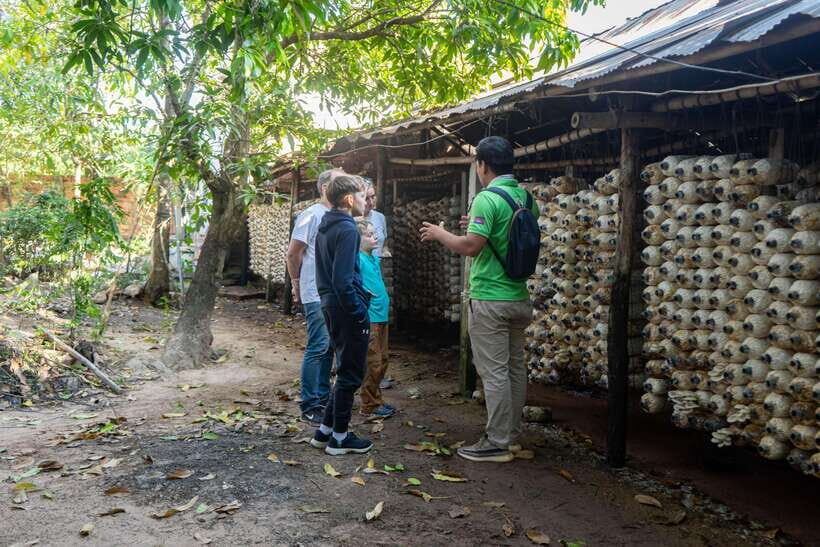
If the timing lines up, you may learn how lotus stems connect to fiber and yarn—something that stands out in feedback from people who did the tour. You might also get a hands-on look at lotus-related materials or products during the farm visit.
This stop is also a mental reset. Boat rides can blur together. The lotus segment gives you a land-based view while staying connected to the lake-world economy.
Crocodile and fish farm stop: an interesting sight with ethical questions
The cruise includes a peek at crocodile and fish farming areas along the way. That’s often a “wow” stop—especially if you’re curious about how people raise and manage animals for food or other uses.
But this is also where you may want to slow down and assess your own comfort level. Some visitors felt the crocodile and fish segment was troubling, pointing to crowded pens and the way people interact with animals. Others found it interesting and didn’t focus on ethics.
What I’d do if this segment matters to you: watch how the animals are housed and how interaction works. If you see handling or crowd behavior that crosses your personal line, you’re not required to treat every “photo moment” as a must-do.
One practical note: this stop can include animal demonstrations. Some reviews mention holding animals like a snake or python. If you’re not comfortable with that, you can simply opt out and focus on observing the farm setup with distance.
Lunch on the Queen Tara Riverboat: hammocks, hammocks, and then lunch
At the end of the lake segment, you arrive at the Tara floating restaurant on the Queen Tara Riverboat. This is where the tour shifts from “seeing” to “slowing down.”
Lunch is served on the boat, and the tour includes meals plus two drinks—soft drinks, beer, cocktails, wine, juices, or spirits mixers, depending on what you choose. The boat setup is meant for relaxed waiting time too, with hammocks mentioned repeatedly in feedback. That makes a real difference when you’re on a water tour: you’re not just standing around; you can actually unwind.
Food style sounds best described as simple and satisfying rather than fancy. People who enjoyed it tended to mention that the lunch is tasty and that the experience feels special because it’s on the water. Some people also noted delays, waiting for lunch service a bit longer than they expected.
My advice: treat the hammock time as part of the experience. If you’ve got a tight schedule before another flight or tour, consider that lunch timing may not feel “snack-fast.”
Boats, comfort, and what to expect physically
This isn’t a long hike, but it is a boat day. Expect:
- Longtail boat cruising through the floating village area
- Muddy or litter-noticeable waterways depending on season and local conditions
- A bit of rugged boarding in some cases
The good news is there’s a restroom on board, and the tour runs in all weather conditions. That means you should come prepared for sun and for rain. Bring a light rain layer even if the forecast looks safe.
If you’re sensitive to noise or you’re hard of hearing, one small thing to know: some boats and guides may not use a microphone, so sit where you can hear the guide clearly.
Price and value: is $39 a good deal?
For $39 per person, this tour packages a lot into one box. You’re paying for:
- guided floating village time
- a lotus farm stop
- a crocodile/fish farm peek
- lunch on the Queen Tara
- pickup and drop-off by air-conditioned taxi or tuk tuk
- two drinks
- checkpoint fees and basic on-board convenience like restroom access
If you priced those components separately in Siem Reap, you’d likely spend more on boat time plus a guide plus a proper meal and transport. The main value question is how you feel about the mix of stops. If you love boat time and educational commentary, $39 feels very fair. If your ideal day is maximum lake cruising with minimal sitting, you may end up wishing you had a longer version with more lake coverage.
Who should book this floating villages cruise
This is a strong match if you want a Siem Reap day that feels different from the Angkor circuit. It’s also a great family option. It’s family-friendly, and the pacing is relaxed enough for kids who can handle a half day on the water.
It’s also a good choice if you’re traveling solo or as a couple and you want a structured day without the stress of hiring your own boats and figuring out routes.
Where I’d hesitate:
- If you’re highly concerned about animal welfare at crocodile or fish farming stops
- If you need very fast meals or perfectly predictable timing
- If you absolutely want the most time possible on open water (this tour’s structure can vary based on conditions)
Should you book this tour or choose something else?
Book it if you want a real floating village experience with included lunch and easy logistics. I’d especially choose it if you’re only in Siem Reap briefly or you want a change of pace after temple days. The combination of Chong Khneas closeness, lotus learning, and hammock-lunch time on the Queen Tara is a nice rhythm.
Skip or be selective if animal ethics are a deal-breaker for you. Also consider looking for a longer lake-focused option if you’re the type who feels impatient when the day includes too much waiting around on boats.
If you do book, go with a respectful mindset. Tonle Sap is not a theme park. The best moments come when you watch, listen, and let the guide explain daily life instead of rushing for the next photo.
FAQ
What is the duration of this Tonle Sap floating villages boat trip?
The tour duration is listed as about 4 hours.
What time does the tour start?
The start time is 10:00 am.
How much does the tour cost?
The price is $39.00 per person.
Is hotel pickup and drop-off included?
Yes. The tour includes free hotel pickup and drop-off by air-conditioned taxi or tuk tuk.
What is included in the lunch and drinks?
Lunch is included on the Queen Tara Riverboat. The tour also includes 2 drinks, such as soft drinks, beer, cocktails, wine, juices, or spirits mixers.
Are vegetarian meals available?
Yes. A vegetarian option is available if you advise at booking.
Is this tour suitable for children?
Children 10 and under are half price, and children must be accompanied by an adult.
Does the tour run in bad weather?
Yes. It operates in all weather conditions.
Can I cancel for a full refund?
Yes, you can cancel up to 24 hours in advance for a full refund.
Is there a limit on group size?
Yes. The maximum number of travelers is 30.