REVIEW · SIEM REAP
3-Days Discovery Of Angkor: Waterfalls,Floating Village and Banteay Srei temple
Book on Viator →Operated by Asean Angkor Guide · Bookable on Viator
Angkor feels different at sunrise. This 3-day private route strings together the biggest Angkor hits plus the quieter stops that explain how the Khmer world worked. You get two timed Angkor Wat visits (sunrise and sunset) and a full day built around Phnom Kulen, including the riverbed lingas at Kbal Spean and temple-sculpture country at Banteay Srei.
I especially like the pacing that avoids the worst herd-style chaos: hotel pickup, air-conditioned driving, and a guide who keeps you moving with purpose. A second thing I like is the variety—temples, a national park, and a Tonle Sap floating village boat ride—so you’re not just re-watching the same stone views. One catch: it’s a lot of walking plus heat, and the waterfalls may be disappointing in the dry season (March–July), when water levels run low.
In This Review
- Key Points I’d Plan Around
- What This Tour Really Gives You (And What It Doesn’t)
- Day 1 in Angkor Thom and Angkor Wat: The “Greatest Hits” With Smart Order
- Angkor Wat and the Phnom Bakheng Sunset Climb
- Day 2: Phnom Kulen National Park, Kbal Spean Lingas, Banteay Srei, and Kampong Phluk
- Phnom Kulen National Park: Waterfalls That Behave With the Season
- Kbal Spean Riverbed Lingas: Why This Stop Gets Mentioned Again and Again
- Banteay Srei: Small Temple, Serious Craft
- Kampong Phluk and Tonle Sap: A Floating Village Day You Can Feel
- Day 3: Angkor Wat Sunrise, Ta Prohm, Pre Rup, and the North/East Temple Loop
- Ta Prohm: The Film-Famous Temple (With Real Atmosphere)
- Pre Rup: Pyramid Views and Shade Planning
- Ta Som, Neak Pean, and Preah Khan: Temples That Feel Less Like a Theme Park
- Guides and Drivers: Why This Tour Often Feels Personal
- Price and Value: The Real Budget Math
- What to Wear and Bring (So the Heat Doesn’t Win)
- Should You Book This 3-Day Angkor and Tonle Sap Tour?
- FAQ
- FAQ
- What time is pickup on Day 1?
- What time is pickup for the Angkor Wat sunrise on Day 3?
- Does the tour include hotel pickup and drop-off?
- Is breakfast included every day?
- What extra costs should I plan for on Day 2?
- Is the Tonle Sap floating village boat ride included?
- Can I swim at the Phnom Kulen waterfalls?
- What’s the dressing rule for temple visits?
Key Points I’d Plan Around
- Sunrise and sunset at Angkor Wat on separate days, timed to help with crowds and light
- Phnom Kulen + Kbal Spean riverbed lingas, a dramatic change from temple corridors
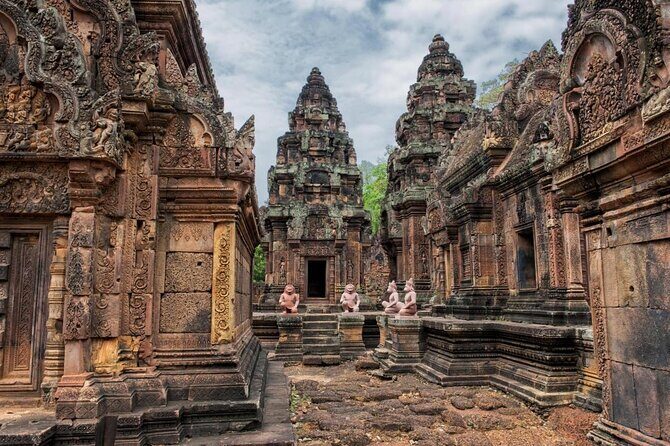
- Banteay Srei delivers some of the finest small-scale Khmer carving work
- Kampong Phluk and Tonle Sap adds real-life, water-based Cambodia
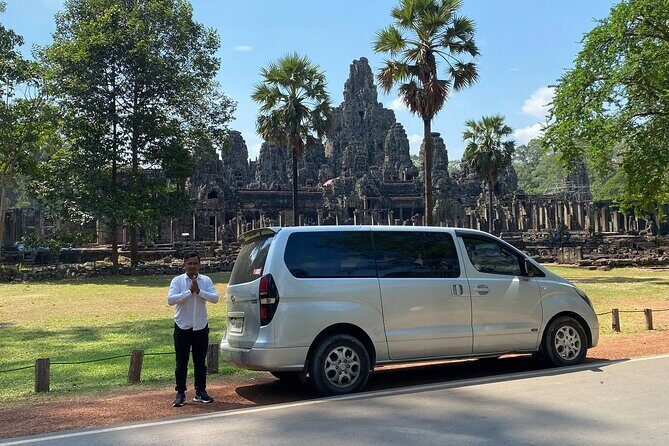
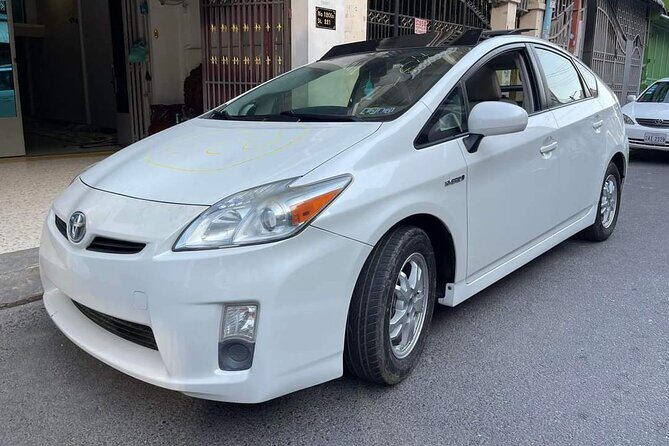
- Private, air-conditioned transport with cool water and a towel during the day
What This Tour Really Gives You (And What It Doesn’t)
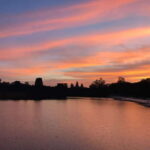
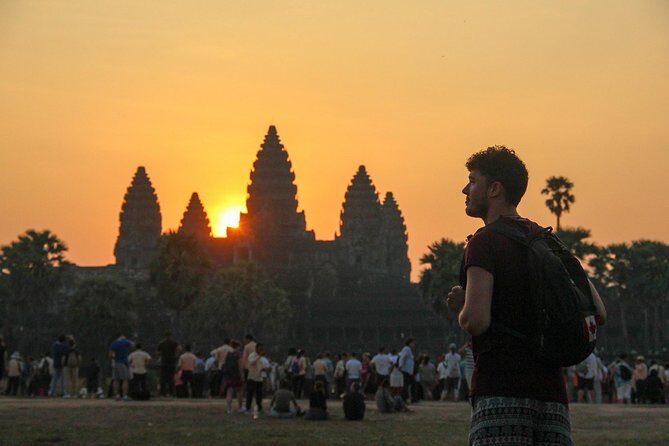
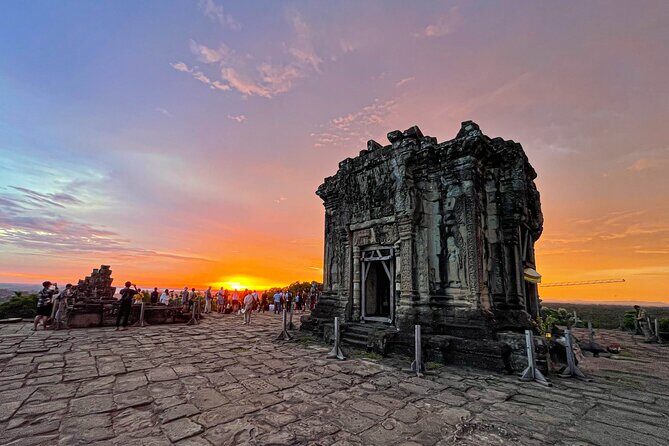
This is a private, English-speaking guide + driver setup that aims to cover the major Angkor region without making you feel like a number in a line. The itinerary is built around two “anchor” moments: Angkor Wat at sunrise and Angkor Wat at sunset from Phnom Bakheng. Those two moments alone make the trip feel like more than a checklist.
But the tour isn’t just temples. You also get the story behind the place: Phnom Kulen is where the Cambodian past gets tied to water, worship, and landscape. Then Tonle Sap and Kampong Phluk show you how people live with the lake’s seasonal rhythm.
Your main “not included” items are temple passes/admissions, park fees, and food. That’s normal for Cambodia. Just don’t plan on this being fully turnkey in the cost sense.
You can also read our reviews of more tours and experiences in Siem Reap.
Day 1 in Angkor Thom and Angkor Wat: The “Greatest Hits” With Smart Order
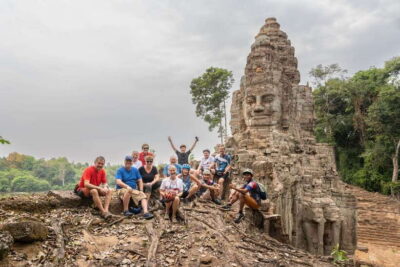
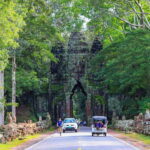
Day 1 starts early—hotel pickup at 8:00 am—and drops you into Angkor Thom first. The first stop is the South Gate of Angkor Thom, which is basically a cinematic entrance: faces, stone geometry, and that instantly-recognizable Angkor vibe.
From there you move into the core Angkor Thom circuit:
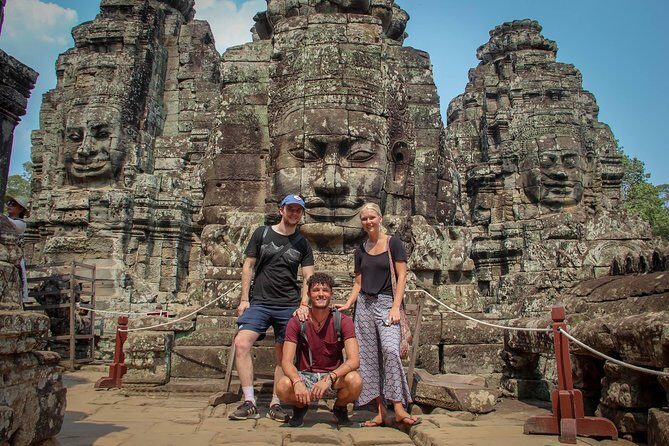
- Bayon Temple: the richly decorated Khmer temple known for its many faces. Expect lots of time for photos and close-looking.
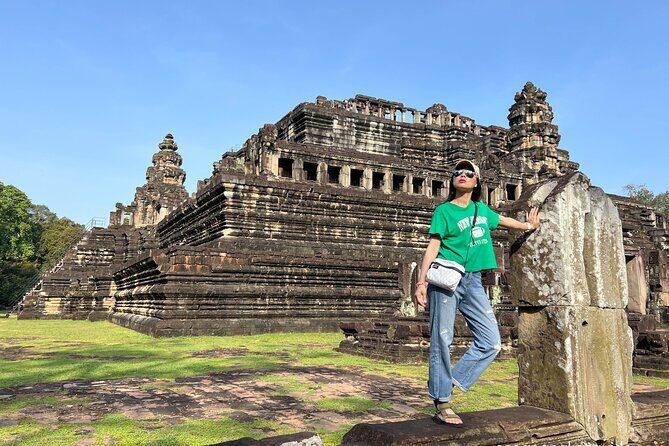
- Baphuon Temple: a three-tiered temple mountain area (mid-11th century), a quieter but very important piece of the Angkor Thom puzzle.
- Terrace of the Elephants and Terrace of the Leper King: both short stops, but worth it because they show how rulers staged space—platforms, performance-like viewing points, and detailed carvings.
Then you hit Angkor Park for lunch (you pay for food and drinks yourself). This matters because Angkor is big and hot. You’ll want to use lunch to refuel properly, not just snack.
Angkor Wat and the Phnom Bakheng Sunset Climb
After lunch, the day shifts to Angkor Wat itself, with about 1.5 hours allotted. You’ll have time to walk, look up, and absorb why this is the big one—the largest religious monument in the world on a huge site footprint.
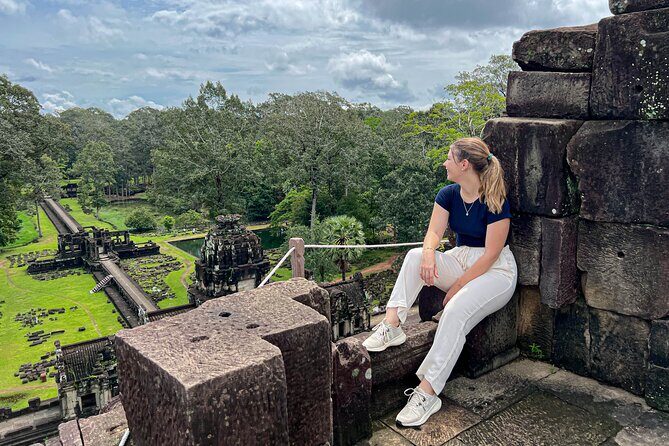
If you still have energy, you end with Phnom Bakheng for sunset. The climb timing is important: the guidance indicates you may need to start around 4:00 pm to get up comfortably. That means an afternoon where you’re actively managing heat, steps, and crowds.
Practical note: Bakheng is not “one easy viewpoint.” It’s a workable hike with stairs and packed angles. Wear grippy shoes, and treat this as the day’s physical finish line.
Day 2: Phnom Kulen National Park, Kbal Spean Lingas, Banteay Srei, and Kampong Phluk
Day 2 has the feel of a half-adventure day. Pickup is again 8:00 am from your hotel, and the day is about leaving the main Angkor footprint.
Phnom Kulen National Park: Waterfalls That Behave With the Season
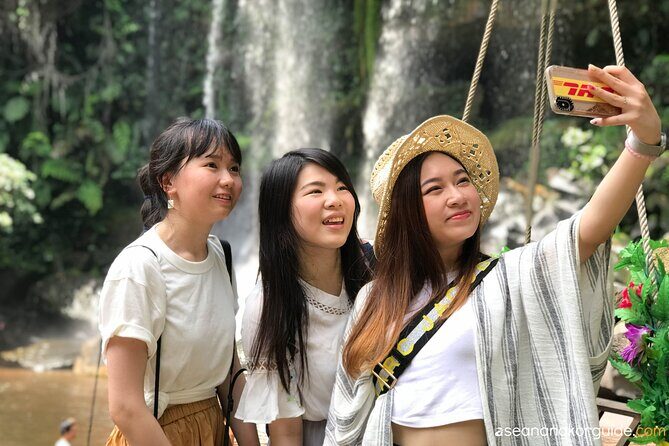
You start at Phnom Kulen National Park. This stop is where people often have their first “oh, Cambodia isn’t only temples” moment. The route includes time to see the area’s waterfalls, and the tour indicates you can swim—but also warns that during the dry season (March–July), there may be little water at the waterfalls.
That’s a big consideration. If you’re traveling in those months, go with flexible expectations. Even with lower water, the setting can still be scenic; you just shouldn’t count on dramatic spray.
Also note the costs: Phnom Kulen National Park admission is $20 per person, and you’ll also need a Kulen Mountain pass ($20 per person). These are on top of whatever you pay for Angkor-area tickets.
Kbal Spean Riverbed Lingas: Why This Stop Gets Mentioned Again and Again
The tour’s highlights specifically call out Kbal Spean, known for the remarkable riverbed lingas (carvings). This is one of those places where the meaning comes through if you slow down and look at details.
Instead of standing in a temple corridor, you’re thinking about ritual space and sacred water—stone symbols placed where the water runs. It’s a shift in vibe that makes the day feel less repetitive.
Banteay Srei: Small Temple, Serious Craft
After Kulen, you head to Banteay Srei, a 10th-century temple dedicated to Shiva, famous for incredible sculpture work. The time on-site is about 45 minutes, which is just enough to enjoy the carvings without turning the stop into a rushed blur.
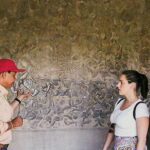
This is the kind of temple where you benefit from a guide who knows how to point things out. When someone explains what you’re looking at, those fine details feel like the whole point—not just “pretty stone.”
Kampong Phluk and Tonle Sap: A Floating Village Day You Can Feel
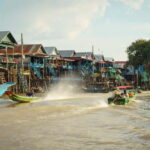
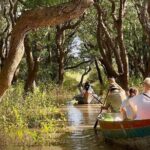
Next comes Kampong Phluk Floating Village plus the Tonle Sap Lake visit. You’ll take a private boat ride as part of the Tonle Sap experience. The cost listed is $15 per person for the Tonle Sap pass including the boat ride.
This part is not just sightseeing. You’re watching a living system—homes, work, and daily life shaped by water levels. And because the boat ride is private with your group, you spend less time waiting and more time actually seeing what’s around you.
Expect a mix of sun exposure and boardwalk movement. Bring a little patience for heat and sun, and keep your camera handy for reflections and everyday scenes.
Day 3: Angkor Wat Sunrise, Ta Prohm, Pre Rup, and the North/East Temple Loop
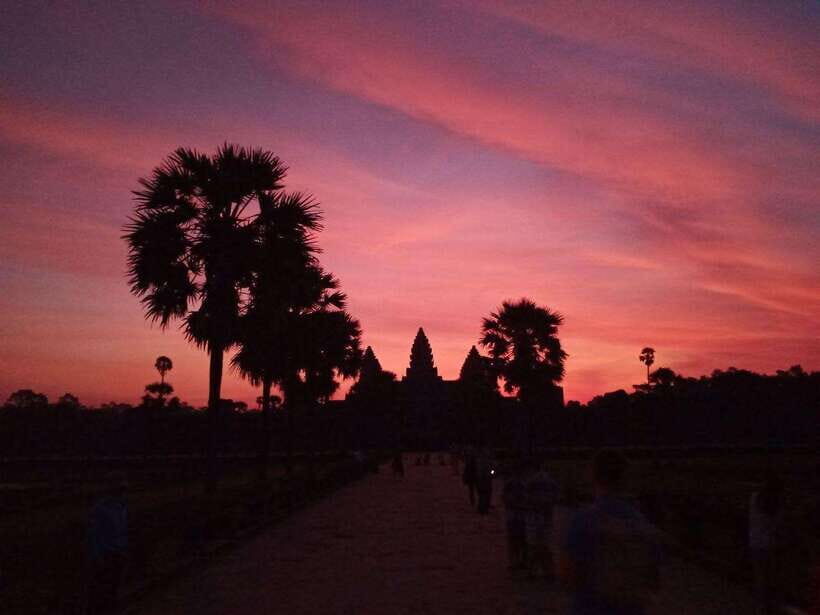
Day 3 starts before the day has properly woken up. You’re picked up from your hotel lobby before sunrise, at 4:40 am, and you head to Angkor Wat for the sunrise experience.
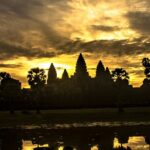
The big advantage here is timing. Sunrise light changes the color and contrast of the stone, and it also changes your feeling of the place. You’ll be in the temple when it’s quieter than later in the morning.
Breakfast is included on Day 3, which is a smart add-on because you’re starting extremely early.
Ta Prohm: The Film-Famous Temple (With Real Atmosphere)
After sunrise, you move through more Angkor sites:
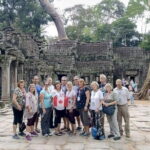
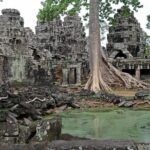
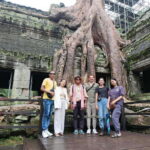
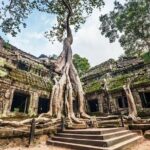
- Ta Prohm: famous because of film fame, but the important thing is how the roots and stone interact. You’ll want slower walking here and time to frame shots where the trees look like they’re holding the temple up.
Pre Rup: Pyramid Views and Shade Planning
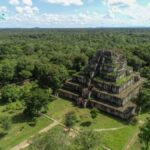
Next is Pre Rup, a Shiva temple (late 10th century) in a pyramid-style layout. Time on-site is around 35 minutes. It’s a good “middle” stop on a long morning because you can choose how much to climb based on energy.
Ta Som, Neak Pean, and Preah Khan: Temples That Feel Less Like a Theme Park
Then the itinerary continues through the north/east loop:
- Ta Som: smaller, end-of-12th-century feel, with a highlight area near Neak Pean.
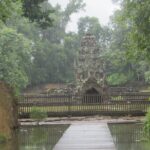
- Neak Pean: an artificial island with a Buddhist temple on a circular setting linked to Jayatataka Baray.
- Preah Khan: a 12th-century temple built for honoring a father of Jayavarman VII, with about 1 hour allotted.
These stops don’t always get the same hype as Angkor Wat, but they’re what make Day 3 feel like more than a repeat performance. If you like variety and you don’t need to spend 3 hours in the same spot, this set of temples delivers.
Guides and Drivers: Why This Tour Often Feels Personal
In tours like this, the “who” matters. The strongest theme in the feedback you’ll see around these Angkor days is the guide quality: clear explanations, helpful timing, and the ability to adapt when you’re tired.
You might be paired with guides such as Sam, Seila, or Sunny, and drivers like Tha, Leap, Sophat, or Kim, depending on the schedule. The common thread is practical service:
- Cold water and cool towels after hot stretches
- Advice on photo timing and routes that reduce congestion
- Patient pacing when the group includes older travelers
Even if your guide isn’t the exact person I’m naming, the pattern is what you should look for: a guide who helps you see, not just pass by.
Price and Value: The Real Budget Math
The price shown is $183.08 per person for about 3 days. For a private tour with hotel pickup and AC transport, that’s on the reasonable side, especially because you get both sunrise and sunset Angkor Wat experiences and Day 2 includes Tonle Sap plus the Kulen area.
But you should budget for what’s not included:
- Tonle Sap pass + private boat ride: $15 per person
- Phnom Kulen National Park admission: $20 per person
- Kulen Mountain pass: $20 per person
- Angkor pass and other admission fees: not included, and you’ll handle it during the first day when the guide helps you buy the pass
Then add food. Lunch in Angkor is “pay yourself,” and you’ll be buying drinks too during long days. Also, the tour includes breakfast only on Day 3. So don’t plan on having a free breakfast on Day 1 or Day 2.
If you’re someone who hates waiting for strangers and wants a tighter route with fewer bottlenecks, the private setup can feel like good value. If you’re purely budget-focused and don’t mind group tours, you may find cheaper options—but you’ll likely trade away some flexibility and comfort.
What to Wear and Bring (So the Heat Doesn’t Win)
Temple days in Siem Reap are honest about the weather. The tour’s guidance is clear:
- Wear modest clothes that cover shoulders and knees
- Bring comfortable shoes
- Expect it to get very hot, and use sun protection plus mosquito spray
This is where many people mess up. Good shoes mean fewer tired ankles on stair-heavy sites like Bakheng. Light, covering clothes mean you stay in the game longer—especially when the day shifts from shade to full sun.
And yes, bring a small reusable water bottle even with the cool water on board. Your thirst will be ahead of your plans.
Should You Book This 3-Day Angkor and Tonle Sap Tour?
I think this is a good booking if you want:
- Angkor Wat sunrise plus sunset, not just one visit
- A day that includes Kulen + Kbal Spean lingas, not only the main Angkor temples
- Real water-life at Kampong Phluk and Tonle Sap with a boat ride
- Private transport with fewer crowd headaches and better timing
Skip or reconsider if you:
- Don’t handle early mornings well (Day 3 starts at 4:40 am)
- Need guaranteed waterfall showpieces in dry season (March–July water can be low)
- Want every meal included (this one includes breakfast only on Day 3)
FAQ
FAQ
What time is pickup on Day 1?
Pickup is set for 8:00 am from your hotel lobby on Day 1.
What time is pickup for the Angkor Wat sunrise on Day 3?
You’re picked up before sunrise at 4:40 am on Day 3.
Does the tour include hotel pickup and drop-off?
Yes. The tour includes hotel pickup and return drop-off.
Is breakfast included every day?
No. Breakfast is included only on Day 3.
What extra costs should I plan for on Day 2?
On Day 2, Phnom Kulen National Park admission is $20 per person and the Kulen Mountain pass is $20 per person. The Tonle Sap pass with the private boat ride is listed as $15 per person.
Is the Tonle Sap floating village boat ride included?
The tour lists a Tonle Sap pass with a private boat ride, priced at $15 per person, and this is not included in the base price.
Can I swim at the Phnom Kulen waterfalls?
The guidance says you can swim, but during the dry season from March–July there may be not much water at the waterfalls.
What’s the dressing rule for temple visits?
You should dress modestly, with clothing that covers shoulders and knees, and you’ll want comfortable shoes.