REVIEW · SIHANOUKVILLE
Full day Tour, Countryside, Pepper farm & Kep, crab market…
Book on Viator →Operated by Peppercorn private tour (Kampot & Kep) · Bookable on Viator
Salt, caves, pepper, and crabs in one day. This full-day countryside route around Kampot and Kep strings together a working salt scene, a famous cave temple, pepper farming, and time at the crab market and beach. It’s one of those days where you get a real feel for how people live here, not just quick sightseeing stops.
I especially like the focus on hands-on, practical places. The salt fields show the basic production process, and the pepper plantation includes tastings so you can compare flavors instead of just buying a souvenir jar. I also love that the guide, Phalla, keeps the day friendly and adjustable, so it doesn’t feel like you’re being herded through.
One drawback to plan for: the Phnom Chhngok cave temple visit involves climbing 203 steps, so you’ll want comfortable shoes and a moderate fitness level to enjoy it at a steady pace.
In This Review
- Key highlights worth knowing before you go
- How the day flows around Kampot and Kep
- Salt fields: the short stop that explains a big product
- Phnom Chhngok cave temple: 203 steps and a Shiva-focused main chamber
- Brateak Krola Lake: a man-made lake with a heavy past
- Peppering it up: plantation visit and free tastings
- Kep Crab Market and beach time: where the day finishes on comfort
- Pickup, group size, and what it means for your comfort
- Price and value: why $24 can work for a lot of ground
- Who this tour fits best
- Should you book the Peppercorn Countryside, Pepper farm & Kep crab market tour?
- FAQ
- How long is the tour?
- Where is the meeting point?
- Is pickup included?
- What’s included in the price?
- Are entrance tickets included for all stops?
- What stops are part of the itinerary?
- How difficult is the cave temple visit?
- How big is the group?
- Is free cancellation available?
Key highlights worth knowing before you go
- Salt fields you can actually see working: pumped seawater, evaporation pans, and a thick coating of salt on the ground.
- Phnom Chhngok cave temple with real effort: 203 steps to reach a main chamber with a 7th-century brick temple dedicated to Shiva.
- Brateak Krola Lake at Khmer Rouge-era scale: a large artificial lake on mostly quiet dirt roads around it.
- Pepper plantation tastings plus buy-real products: you can taste the pepper produced onsite and pick up pepper products.
- Kep crab market stop with beach time: seafood or lunch options, then a chance to swim or relax on the shore.
- Small-group feel (max 12): enough structure to keep things smooth, without feeling crowded.
How the day flows around Kampot and Kep
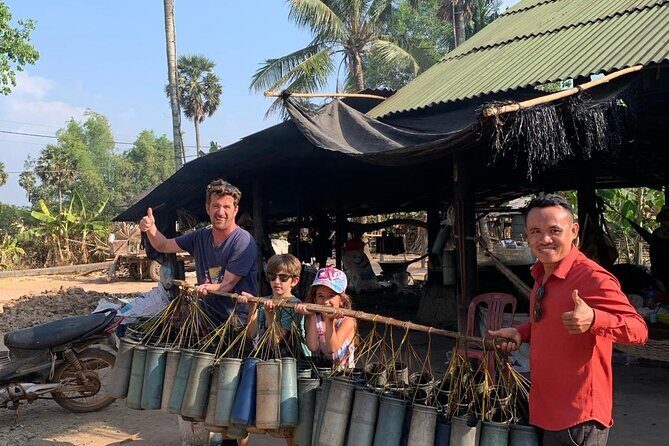
This is a 7 to 8 hour countryside loop starting and ending at Epic Arts Café in Kampot (pickup is offered from a point about 3km away). The itinerary is packed in a good way: you move through several different types of landscapes—coastal salt production, a cave temple, a man-made lake, a working pepper farm, then the seafood-and-beach area around Kep.
The pacing matters. Each stop is fairly timed, so you’ll get enough time to look, listen, and take photos, but you won’t have hours to wander alone. If you like structured days with a clear agenda, this works well. If you prefer long free time in one place, you might feel the clock at certain stops.
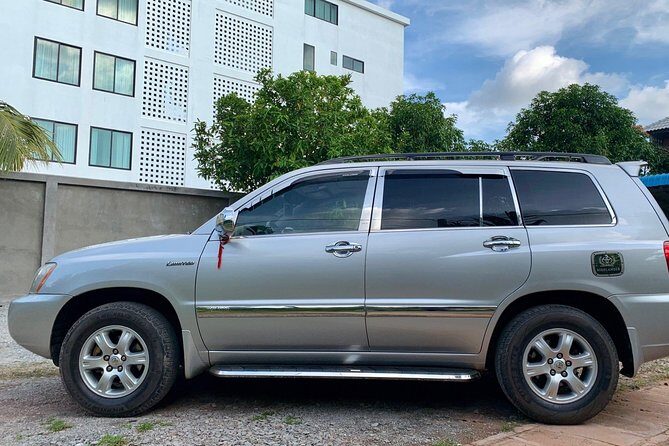
Transport is part of the value here. You’re not dealing with your own route planning between far-flung spots. Even with a short drive from stop to stop, the day stays smooth—and you get a guide to connect the dots.
You can also read our reviews of more shopping tours in Sihanoukville
Salt fields: the short stop that explains a big product
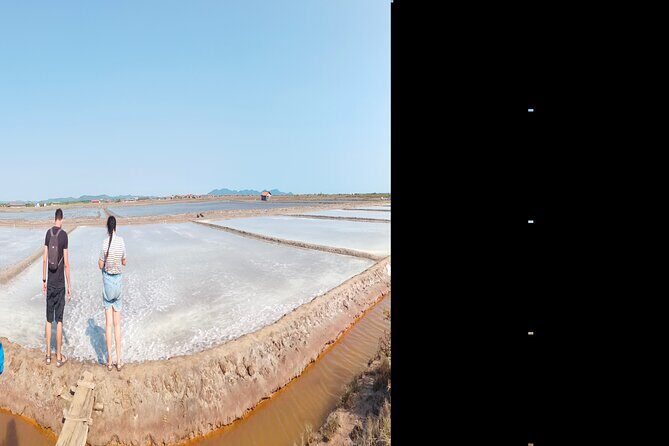
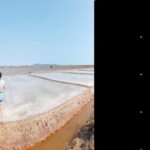
Your first stop is Kampot’s salt fields. Even though it’s only about 15 minutes of driving time to get there, the idea is simple: salt is a core local product, and this is where you see the process in action.
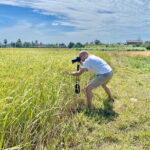
Here’s what you’re looking at: ocean water is pumped into the evaporation pans from canals, and then the water is left to evaporate, leaving a thick layer of salt coating the ground. It’s not complicated, but seeing it up close makes it click. Salt stops being a vague ingredient and becomes an actual local industry.
What I like about this segment is that it sets a tone for the whole day. You’ll notice how much of the region’s identity comes from practical work—water management, production, and seasonal timing. It’s also a nice, low-effort start compared with the cave later.
A small consideration: because the stop is brief, come with a clear mindset—this is a quick visual lesson, not a long deep-walk through a salt complex.
Phnom Chhngok cave temple: 203 steps and a Shiva-focused main chamber
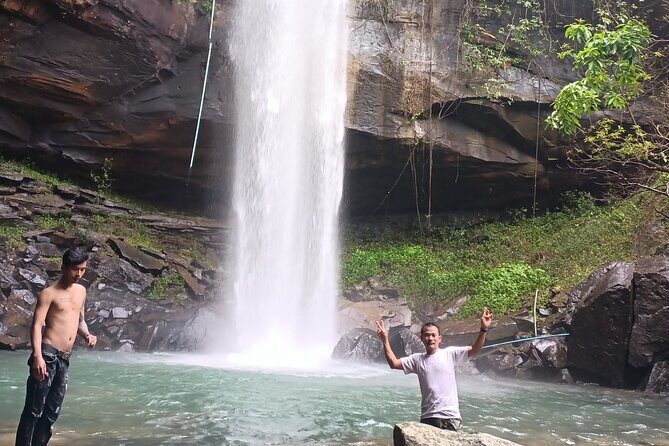
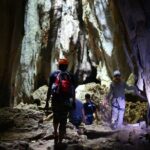
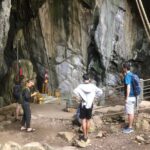
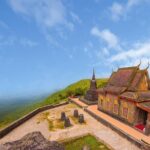
Next you head to Phnom Chhngok Cave Temple. Plan on roughly 30 minutes of driving to reach it, and then about 40 minutes onsite.
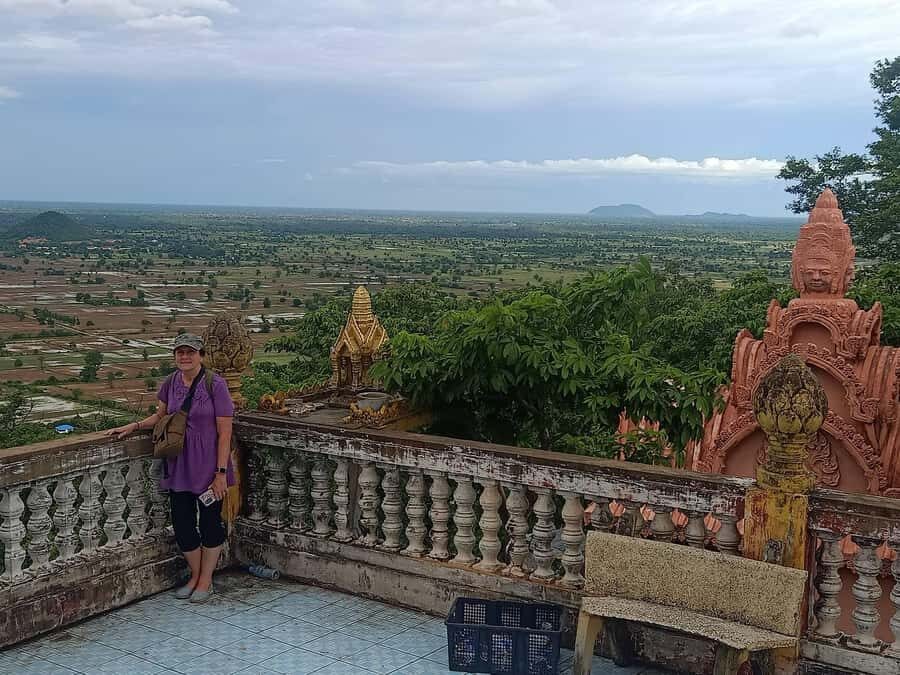
The headline is the climb. You’ll tackle 203 steps to reach the entrance, so it’s a real physical moment in the middle of the day. Go at your own pace, take breaks if you need them, and save energy for what matters: the view and the temple interior.
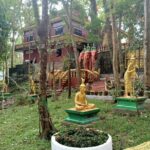
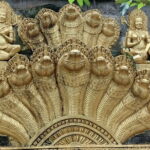
Inside the cave’s main chamber is a remarkable brick temple connected to the 7th century (Funan-era), dedicated to Shiva. That combination—rocky cave space plus a recognizable brick temple—feels more grounded than a lot of “just snap a photo” temple stops. You’re not just walking through a viewpoint; you’re stepping into a place with a distinct spiritual purpose.
What to consider:
- Bring water and take it slow on the climb. You’ll feel it.
- If you don’t love enclosed spaces or steep steps, tell yourself up front that this is the most active part of the day.
Brateak Krola Lake: a man-made lake with a heavy past
After the cave, you’ll visit Brateak Krola Lake. This is another timed stop—about 25 minutes driving—and then around 15 minutes around the lake area.
This one is all about scale and context. The lake is an artificial project, and it was constructed during the time of the Khmer Rouge, with the dam and lake associated with slave labor. The area today can feel quiet and wide-open, with a large lake well outside town and mostly unpopulated surroundings. There’s a dirt road that runs around the lake, which helps you picture how people might have moved around the work site.
I like this stop because it adds depth without turning the day into a lecture marathon. You’re seeing a landscape that exists because of history—then you can also see how life continues around it.
One practical note: since your time is limited, focus on the big-picture views. This isn’t a long hike; it’s a short, thoughtful look.
Peppering it up: plantation visit and free tastings
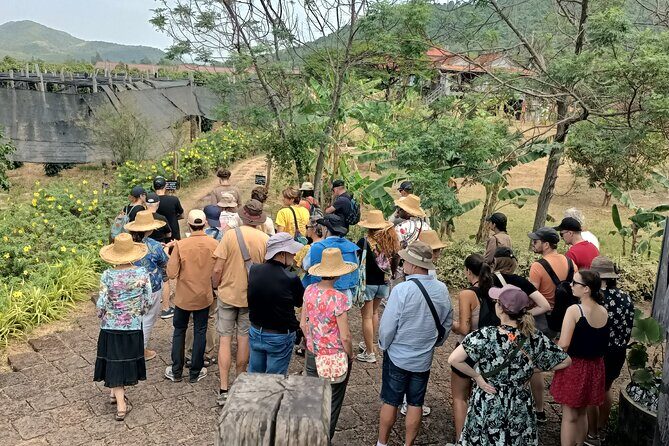
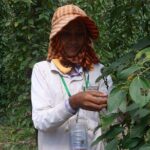
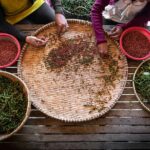
Now you hit one of the most enjoyable parts of the day: a guided pepper plantation visit. You’ll spend about 2 hours here, and the experience includes tastings of pepper produced onsite.
Pepper here isn’t treated like a generic tourist stop. The guide explains the production process, and then you taste. That matters, because pepper can feel like a one-note spice until you’re actually comparing versions and learning how it’s handled. You also get the chance to buy real pepper products if you want souvenirs you can use, not just decorative items.
The other reason I’m happy with this segment: it breaks up the schedule. Salt and caves are visual and physical. Pepper is more interactive and calm. You’ll have time to ask questions, listen, and slow down.
Shopping tip that doesn’t require guesswork: if you’re buying pepper products, taste first. Choose based on flavor you actually like, not just the label.
You can also read our reviews of more tours and experiences in Sihanoukville
Kep Crab Market and beach time: where the day finishes on comfort
The final stretch includes Kep Crab Market and then downtime by the water. You’ll drive about 40 minutes to get to the crab market area, then spend about 1 hour 30 minutes total at this stage.
You’ll have the chance for test seafood or lunch at the crab market. After that, the plan is to swim or relax on the beach before heading back to Kampot. This is where the tour turns from “active sightseeing” into “reward time.”
If you want to eat here, treat it as your meal option for the day. Meals aren’t listed as included, so budget accordingly. The good news is that you’re not stuck making a decision in a hurry—you have time to look around and fit your lunch to what’s available.
Beach time is a simple but smart addition. Even with a 7-8 hour itinerary, this makes the day feel like a complete trip rather than a series of bus stops.
Pickup, group size, and what it means for your comfort
This tour is designed as a small-group day, with a maximum of 12 people. That size usually keeps the experience friendly, and it helps the guide manage the steps, timing, and questions without everyone feeling rushed.
Pickup is offered around 3km from Epic Arts Café in Kampot. If you’re farther out than that, you likely need to make your own way to the meeting point. For me, this is the kind of practical rule that matters more than it sounds. A small pickup radius can shape how easy your day is, especially if you’re staying in a quieter area.
Duration and timing: expect a full day, roughly 7 to 8 hours total including travel between stops. One review detail puts the schedule around late morning through early evening. Either way, you’ll be outdoors for much of the day, so sun protection is smart.
Price and value: why $24 can work for a lot of ground
At $24 per person, the value is strongest when you look at what’s already handled for you.
Included items cover the things that often quietly inflate day-tour costs:
- Entrance fees for the stops
- Guide tour
- Fresh coconut and a bottle of water
- Pickup around the meeting area
- A structured route that links several different experiences
On top of that, the itinerary gives you multiple “value moments” in one day: a working salt production scene, a cave temple climb to a Shiva temple chamber, a Khmer-era lake context, pepper tastings, and then crab market plus beach time.
What you may pay separately:
- Lunch or seafood at the crab market (not listed as included)
- Any extra purchases from the pepper plantation (totally optional, and tasting comes first)
If your main goal is to see Kampot and Kep surroundings in one day with minimal planning, the price makes sense. If you prefer to spend days slowly, or you want long free time without scheduled stops, you may feel this is more structured than you want.
Who this tour fits best
I think this tour is a great fit for you if:
- You want a mixed day: production (salt), culture (cave temple), food/spice (pepper), then relaxation (Kep beach).
- You like guided storytelling and a clear plan more than solo wandering.
- You’re comfortable with moderate physical activity, including a big stair climb.
- You’ll enjoy tastings and want the option to buy pepper products.
It’s less ideal if:
- You want lots of free time at one single location.
- You don’t feel good about climbing 203 steps, even at a careful pace.
Should you book the Peppercorn Countryside, Pepper farm & Kep crab market tour?
Book it if you want a single day that actually connects the dots between Kampot’s products and Kep’s seaside vibe. The standout strength is the combination: Phnom Chhngok’s dramatic cave temple, pepper tastings with a guide, and a practical salt-field introduction that makes the region feel real.
Skip it only if the stair climb is a dealbreaker or if you’d rather control your own itinerary and linger longer in just one spot. For most people who want good value and a full, well-timed day, this is an easy yes.
FAQ
How long is the tour?
The tour runs about 7 to 8 hours.
Where is the meeting point?
You’ll meet at Epic Arts Café (in Kampot), and the tour ends back at the same meeting point.
Is pickup included?
Pickup is offered around 3km from the meeting point (Epic Arts Café area). Pickup farther than that isn’t available.
What’s included in the price?
Entrance fees, a guide tour, fresh coconut, and a bottle of water are included.
Are entrance tickets included for all stops?
Yes—entrance fees are included for the listed stops.
What stops are part of the itinerary?
Salt fields, Phnom Chhngok Cave Temple, Brateak Krola Lake, a pepper plantation, and Kep Crab Market with time to relax or swim at the beach.
How difficult is the cave temple visit?
The cave temple visit includes 203 steps, so you should have moderate physical fitness and comfortable shoes.
How big is the group?
The tour has a maximum of 12 travelers.
Is free cancellation available?
Yes. You can cancel for a full refund up to 24 hours before the experience starts.