REVIEW · SIEM REAP
2-Day Angkor Wat Tour with Banteay Srei and Floating Village
Book on Viator →Operated by Asean Angkor Guide · Bookable on Viator
Morning calls in Siem Reap. This 2-day Angkor plan is built around the real wow moments: sunrise at Angkor Wat, a long first day through Angkor Thom, and then a second day that ends with Banteay Srei and the Tonle Sap floating village. You get private, air-conditioned transport, plus a guide who helps you read the sites instead of just moving you from gate to gate.
My favorite parts are the comfort and the pacing. I like the air-conditioned private vehicle (it matters when you’re doing early starts and long walks), and I like that the tour mixes the big names (Angkor Wat, Ta Prohm) with the smaller stops that many people skip.
One drawback to consider: admission and site fees add up. The tour price doesn’t include all entrance costs, and it specifically lists extra payments for Angkor Thom South Gate and for the Tonle Sap pass/boat.
In This Review
- Key points worth knowing before you go
- Price and tickets: what the $130 covers (and what doesn’t)
- Your two-day game plan: how the timing works
- Day 1: Angkor Thom’s terraces and Bayon’s faces
- Bayon Temple: the faces you keep seeing
- Baphuon: temple-mountain, layered and striking
- Terrace of the Elephants: a viewing platform with theater energy
- Terrace of the Leper King: a name with a story
- Lunch and Angkor Archaeological Park time
- Angkor Wat late in the day: the calm before the big day
- Phnom Bakheng sunset viewpoint: weather will decide
- Day 2: 4:40 AM sunrise, then Ta Prohm through the quieter temples
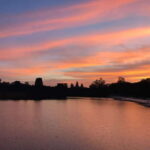
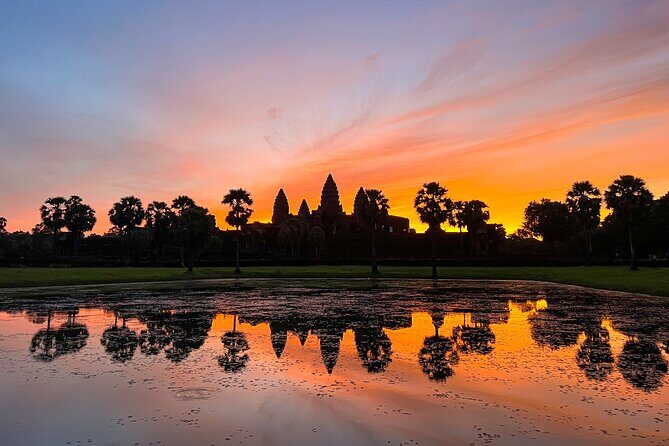
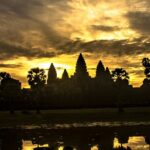
- Sunrise at Angkor Wat: do it once, do it right
- Ta Prohm: the jungle temple with roots
- Pre Rup: stepped views and easy-to-miss carvings
- Eastern Mebon and Ta Som: smaller stops, better breathing room
- Neak Pean and Preah Khan: longer routes with payoff
- Lunch, then the art stop: Banteay Srei
- Banteay Srei: why this small temple feels like a highlight
- Tonle Sap and Kampong Phluk: a floating village visit with real daily life
- Guides, vehicles, and the little things that make Angkor work
- What to pack (so the day doesn’t pack you)
- Is this the right tour for you?
- Should you book this 2-Day Angkor Wat Tour with Banteay Srei and Floating Village?
- FAQ
- Is hotel pickup included?
- What’s included in the tour price?
- Are admission fees included?
- Is the floating village visit included?
- How long is the tour?
- Can I cancel for a full refund?
Key points worth knowing before you go
- Sunrise timing at Angkor Wat: a 4:40 AM hotel pickup sets you up for the light everyone comes for.
- A full Angkor Thom circuit: Bayon, Baphuon, and the king’s terraces are packed into Day 1.
- Air-conditioned private comfort: you travel between temples with cool towels and cold water.
- Banteay Srei is the art stop: tiny scale, sharp sandstone reliefs, and great photo angles.
- Kampong Phluk on Tonle Sap: expect a real daily-life village visit, not only scenic viewpoints.
- Guide-led photo help: several guides associated with this tour are known for finding good standing spots and quiet routes.
Price and tickets: what the $130 covers (and what doesn’t)
At $130 per person for two days, this tour can be good value if you want a guided run through a lot of highlights without having to plan the logistics yourself. The big win is the private vehicle: you’re not waiting around for other groups, and you can spend a little longer where your eyes want to linger.
That said, don’t walk in thinking the price includes everything. The tour lists key extras:
- Angkor Thom South Gate admission: $62 per person
- Tonle Sap pass + private boat ride for Kampong Phluk: $15 per person
Also, the tour notes that admission tickets are not included for multiple temple stops. So your real cost is “$130 + site fees + your lunch and drinks.” The good news: this structure is common in Angkor, and it helps the tour stay flexible about what you focus on across two long temple days.
If you’re traveling as a couple or family, private tours often feel like better value than you expect because you’re paying mostly for access and guidance, not for crowd-management.
You can also read our reviews of more tours and experiences in Siem Reap
Your two-day game plan: how the timing works
This is not a casual sightseeing loop. It’s a timed rhythm built around light and shade:
- Day 1 starts with Angkor Thom’s inner monuments and works toward Angkor Wat later in the day, plus a possible sunset viewpoint from Phnom Bakheng if conditions allow.
- Day 2 is the early one: pickup at 4:40 AM to watch the sunrise at Angkor Wat, then a long sequence of temples (Ta Prohm, Pre Rup, Eastern Mebon, Ta Som, Neak Pean, Preah Khan), and then the finishers: Banteay Srei and Kampong Phluk on Tonle Sap.
That split matters. You get a full Angkor Thom day for the “city inside the jungle” feeling on Day 1, then Day 2 turns into the “iconic Angkor Wat + carved detail + water village” finale.
If you hate early mornings, this tour will still be memorable—but you’ll need to mentally prepare for the alarm clock life.
Day 1: Angkor Thom’s terraces and Bayon’s faces
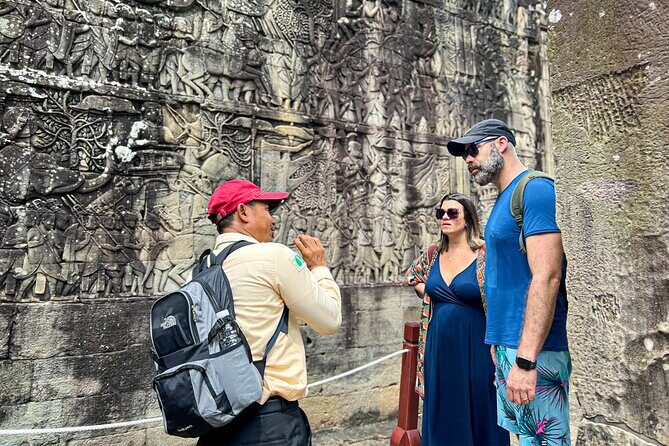
Day 1 centers on Angkor Thom, the capital area of the Khmer empire under Jayavarman VII. This part of Angkor is powerful because it feels like a civilization, not just a single temple. Even the name of the story behind the place fits: one inscription describes Jayavarman as groom and the city as bride.
Here’s what you’ll move through, and what it’s good for:
Bayon Temple: the faces you keep seeing
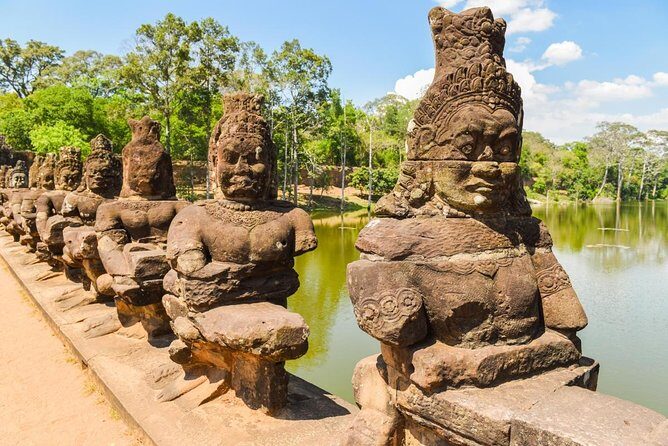
Bayon sits at the center of Angkor Thom and is famous for the Khmer stone faces that look in every direction. The site is also tied to Jayavarman VII’s state temple for Mahayana Buddhism. Practically, the guide matters here. You want help with where to stand for the best angles and how to read the layers of bas-relief without getting lost.
Baphuon: temple-mountain, layered and striking
Next is Baphuon, a three-tiered temple-mountain built in the mid-11th century as a state temple for Udayadityavarman. Compared to Bayon’s face focus, Baphuon rewards you for slow looking—especially if you’re interested in how temple architecture changes over time.
Terrace of the Elephants: a viewing platform with theater energy
The Terrace of the Elephants is short on time but big on atmosphere. It was used as a platform for the king, so you can imagine ceremonies and power displays. It’s also a handy pause point, because it breaks up the longer temple walks.
Terrace of the Leper King: a name with a story
This terrace is built in the Bayon style under Jayavarman VII. The modern name comes from a 15th-century carving someone read a certain way—so even here, part of the value is learning how these sites acquired their labels over time.
Lunch and Angkor Archaeological Park time
You’ll take lunch in the Angkor Park area, about 45 to 60 minutes, and you pay for your own food and drinks. After lunch, the tour continues inside the broader Angkor Archaeological Park zone for the right timing and flow.
The practical takeaway: bring cash for snacks and water. Even with cold towels and bottled water provided during the stops, lunch and drinks are on you.
Angkor Wat late in the day: the calm before the big day
Angkor Wat is included on Day 1, with plenty of time to walk and understand the layout. You’ll see it in daylight first, which helps on Day 2 when you come back at sunrise. This sequencing is smart: you get your bearings fast on Day 1, then you’re not trying to decode everything while the sky is changing on Day 2.
Phnom Bakheng sunset viewpoint: weather will decide
The tour includes Phnom Bakheng for sunset if the weather allows and you’re not too tired. This stop can be a good “cap” after a heavy day of walking. If clouds block the light, you’re not stuck with a guaranteed disappointment—you just trade it for a more comfortable finish.
Day 2: 4:40 AM sunrise, then Ta Prohm through the quieter temples
Day 2 is the long arc from sunrise to sandstone carvings to water life. The pickup at 4:40 AM means you’ll want to dress for comfort more than fashion.
Sunrise at Angkor Wat: do it once, do it right
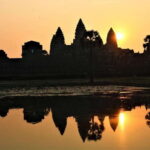
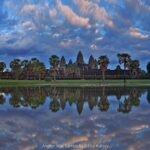
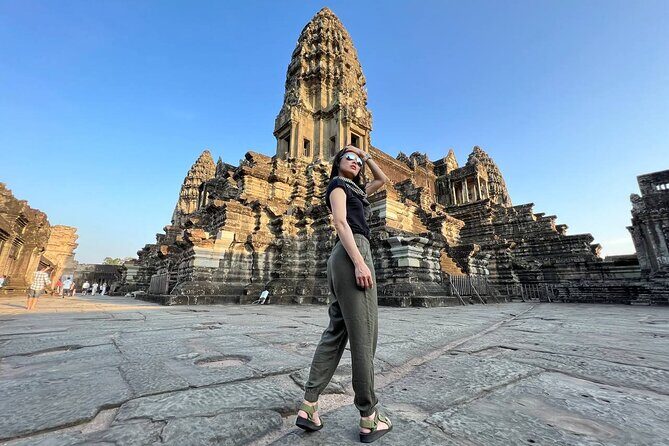
You’re starting early enough to catch the changing light at Angkor Wat. Sunrise here is not just pretty; it makes the geometry easier to understand. The temple reads like structure, not just stone.
If you care about photos, this is where your guide’s instincts matter. Several guides linked to this tour are praised for timing and for finding the right spots—things like guiding you to better standing positions and adjusting the plan based on light and crowds.
Ta Prohm: the jungle temple with roots
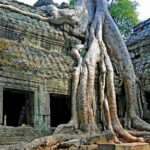
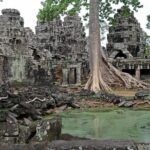
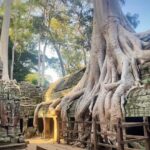
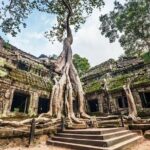
After breakfast, you go to Ta Prohm, the famous temple partly left in its original state—trees and huge roots included. Ta Prohm is special because the vegetation isn’t a backdrop. It’s part of the temple’s visual story, and it turns the walk into a maze of shadows and textures.
Pre Rup: stepped views and easy-to-miss carvings
Then Pre Rup, a Hindu temple built as the state temple for Khmer king Rajendravarman. It’s a good middle stop: you can take it slower, climb when you want, and still feel like you’re progressing through the Angkor map.
Eastern Mebon and Ta Som: smaller stops, better breathing room
Eastern Mebon is a 10th-century temple on what used to be an artificial island in the East Baray reservoir. Nearby, Ta Som adds variety with its 12th-century Jayavarman VII-era Buddhist connection.
These are the spots where you’ll start noticing details: carvings, door frames, and the way ruins change the sound of your footsteps.
Neak Pean and Preah Khan: longer routes with payoff
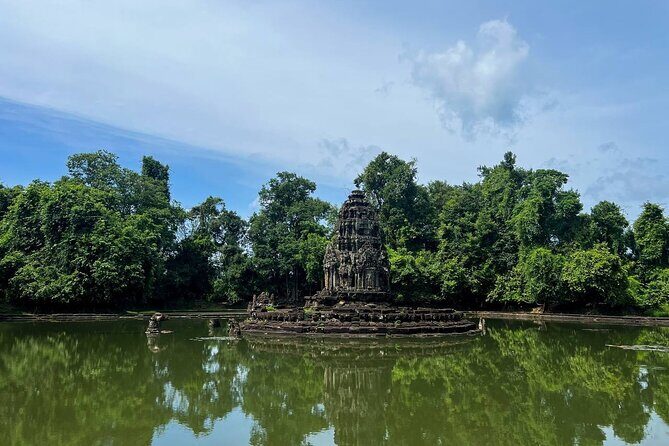
Neak Pean (built in 1191) is a temple linked to water symbolism, and it feels different from the more famous “single centerpiece” temples. Preah Khan follows, built in the 12th century for Jayavarman VII to honor his father.
Time-wise, this is a day where you’ll be glad the tour is private. You don’t have to keep pace with a generic group tempo.
Lunch, then the art stop: Banteay Srei
There’s lunch before Banteay Srei. Then the tour shifts to what many people call Angkor’s fine-art chapter: Banteay Srei.
Banteay Srei: why this small temple feels like a highlight
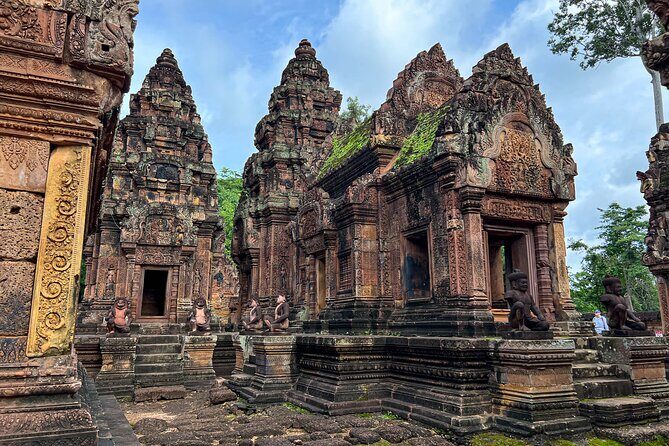
Banteay Srei is included with 45 minutes, and the tour notes admission as free for this stop. That’s a nice bonus because it lets you spend more time looking and less time calculating.
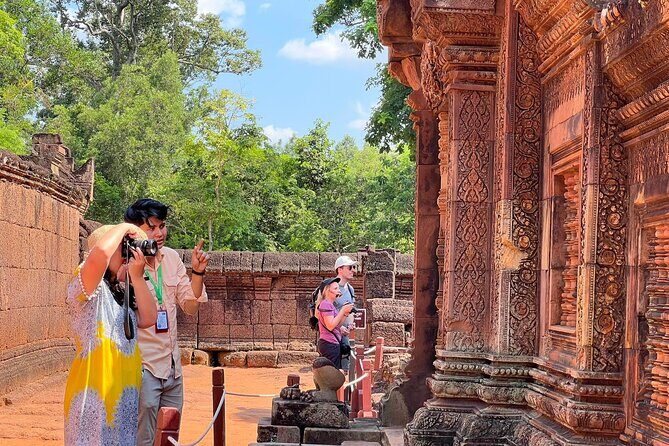
This is the temple of intricate reliefs, and it feels like the opposite of the big sweeping Angkor Wat scenes. Here, your eyes do more work. The reliefs are detailed, and the sandstone craft is the point—especially if you enjoy close-up carving rather than massive scale.
Practical tip: save your energy. This is a stop where slowing down is rewarded. If you rushed through the morning climbs and terraces, Banteay Srei is where you should re-learn patience.
Tonle Sap and Kampong Phluk: a floating village visit with real daily life
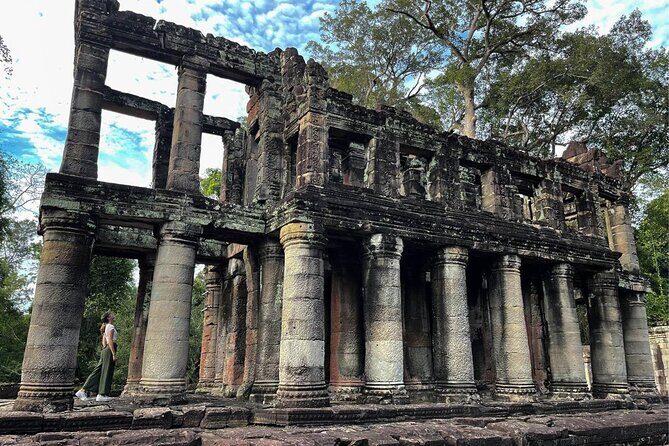
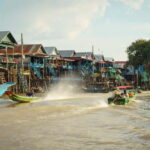
After Banteay Srei, you head to Kampong Phluk on Tonle Sap Lake, about 21 kilometers from Siem Reap. You’ll spend about 1 hour 30 minutes here, with the visit including a boat ride that requires that extra $15 per person Tonle Sap pass/private boat arrangement.
What makes this meaningful is how different Tonle Sap life looks from the Angkor temple world. Instead of stone and carvings, you’re dealing with water levels, daily work, and a living village economy tied to the lake.
The tour also flags an important seasonal reality:
- From the end of March through the end of July, water levels start to recede.
- The village can look less postcard-perfect, but you get a different view of daily life during the dry season.
- Some boats can be less flexible during lower water, and you may see the village in a new way that most visitors miss.
So if your dream is a classic floating panorama, plan your expectations. If your dream is learning how communities adapt to seasonal change, this stop can hit hard.
Guides, vehicles, and the little things that make Angkor work
This tour is built around private transport in an air-conditioned car/minivan, with cool towels and cold water during the day. Those details are not fluff in Siem Reap. When you’re doing long temple walks under bright sun, staying cool affects your energy and your patience.
One thing I also appreciate: the guide is English-speaking and the tour is private, which creates room for timing adjustments. In the same way, you’ll see mentions of guides like Sean, Phanne, Saylor, Seila, Makara, Raman, Kamsan Sreng, David, and Mony—names tied to guests praising smooth timing, good explanations, and help with photo spots. You might not get the exact same guide, but the pattern tells you what to value: someone who can explain, move you efficiently, and know where to stand.
What to pack (so the day doesn’t pack you)
For a trip like this, comfort gear matters:
- Insect repellent
- Sunscreen
- Sun hat
- Comfortable shoes
Also, think in layers. Early mornings are cooler, and later afternoons warm up quickly. Bring water habits you can manage without constantly stopping.
Is this the right tour for you?
This tour is a strong fit if:
- You want two intense days that cover the big Angkor names plus Banteay Srei and a Tonle Sap floating village stop.
- You want private transport so you can keep a smoother pace between sites.
- You like having a guide connect the dots: temple purpose, reigns, and the stories behind what you see.
It may be less ideal if:
- You dislike early starts. Day 2 begins before sunrise.
- You’re trying to keep costs super tight. Entrance and Tonle Sap boat-related fees are additional.
Should you book this 2-Day Angkor Wat Tour with Banteay Srei and Floating Village?
If you’re visiting Siem Reap for a short time and you want the highlights handled with a private guide and comfort transport, I think this is an easy yes to consider. The sunrise structure alone is worth it, and the combination of temple scale (Angkor Wat and Angkor Thom) plus detail (Banteay Srei) plus water life (Kampong Phluk) gives you a more complete picture of Cambodia than temple-only schedules.
Just budget for the extra site fees, go into Day 2 expecting an early wake-up, and plan your lunch breaks like part of the strategy, not an afterthought. Do that, and this two-day run becomes less about ticking boxes and more about understanding why these places are unforgettable.
FAQ
Is hotel pickup included?
Yes. The tour includes pickup from your hotel lobby, and on Day 2 pickup is scheduled before sunrise at 4:40 AM.
What’s included in the tour price?
Included are a professional English-speaking tour guide and driver, private air-conditioned transport, free cool towels during the tour, and breakfast only on Day 2.
Are admission fees included?
No. Admission tickets are listed as not included for many stops. The tour specifically notes an additional admission fee for Angkor Thom South Gate ($62 per person).
Is the floating village visit included?
Yes, Kampong Phluk on Tonle Sap Lake is included on Day 2, but the Tonle Sap pass and the private boat ride are not included in the base price (listed as $15 per person).
How long is the tour?
It’s a 2-day tour, approximately.
Can I cancel for a full refund?
Yes. Free cancellation is allowed up to 24 hours in advance for a full refund. If you cancel less than 24 hours before the experience starts, the amount paid is not refunded.