REVIEW · SIEM REAP
Full-Day Angkor Wat Sunrise & Sunset & All Must-See Private Tour
Book on Viator →Operated by Happy Angkor Tour · Bookable on Viator
Angkor starts before your alarm clock. This private day is built around the big moments: sunrise at Angkor Wat and a packed route through Ta Prohm, Ta Nei, and the heart of Angkor Thom, then ending with sunset at Phnom Bakheng. I like that you’re picked up and dropped back at your hotel, which keeps the day sane. One possible drawback: the start is early, with pickup at 4:45am, and you’ll be standing and walking a lot for 11 to 12 hours.
What makes this tour feel practical is how it balances the light of temples with time on the ground. You’ll ride in an air-conditioned vehicle, get cool water and cool wet towels, and have a licensed English-speaking guide to help you place what you’re seeing. You’ll also get a private experience with only your group, which matters when you’re trying to move efficiently through crowded temple areas.
In This Review
- Key Highlights You’ll Actually Notice
- Sunrise Starts at 4:45am: What This Private Day Really Covers
- Getting to Angkor Wat Early: Pass, Timing, and What to Watch For
- Ta Prohm and Banteay Kdei: Trees, Mood, and a Crowd-Realistic Pace
- Ta Nei and the Small-Circle Shift: Smaller Temples, Better Breathing Room
- Angkor Thom Highlights: Victory Gate, Bayon Faces, and Royal Platforms
- Phnom Bakheng Sunset: The Steps, the Limits, and the Payoff
- Price and Value: What $88.50 Covers (and What It Doesn’t)
- Who This Tour Fits Best (and Who Might Skip It)
- Little Logistics That Make the Day Easier
- Should You Book This Private Sunrise to Sunset Angkor Day?
- FAQ
- What time does the tour start?
- How long is the tour?
- Is pickup and drop-off included?
- Are temple admission fees included?
- What about lunch?
- Is this tour private?
- What is the cancellation policy?
Key Highlights You’ll Actually Notice
- 4:45am hotel pickup keeps you out of the worst late-morning crush
- Licensed English-speaking guide helps you read the temples instead of just photographing stones
- A morning sweep plus afternoon Small Circuit timing means fewer rushed stops
- Angkor Thom in one run: Victory Gate, Bayon, Baphuon, Phimeanakas, and key terraces
- Phnom Bakheng sunset planning with crowd limits on the peak
- Admission and lunch are extra, so you can budget without surprises
Sunrise Starts at 4:45am: What This Private Day Really Covers
This is a long but well-structured Angkor day. You’re looking at roughly 11 to 12 hours, starting with pickup at 4:45am and finishing with drop-off back at your hotel. The appeal is simple: in one go, you hit Angkor’s most famous clusters without having to figure out timing, transport, and routes on your own.
The tour is private, so it’s just your group in the vehicle and with your guide. That can make a big difference when you’re dealing with temple crowds and lots of photo stops. You also travel in an air-conditioned vehicle, and the day includes cool water plus cool wet towels, which you’ll appreciate once you’re moving in the heat.
The tradeoff is energy. This is early, it’s temple-heavy, and you’ll spend time walking between sites. If you’re the type who hates long days or struggles with stairs at viewpoints, you’ll want to think twice.
You can also read our reviews of more private tours in Siem Reap
Getting to Angkor Wat Early: Pass, Timing, and What to Watch For
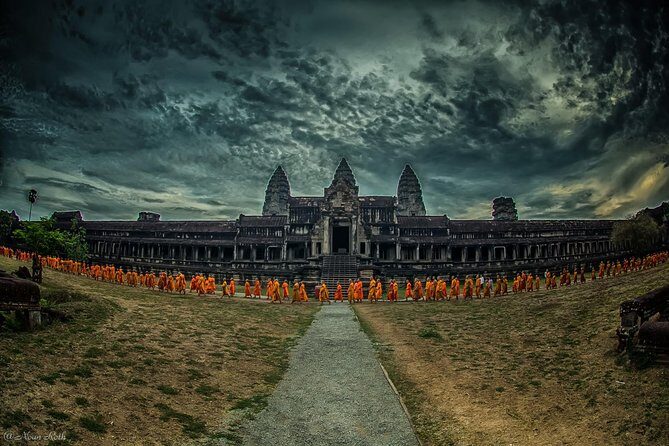
Your day begins with the pick-up in the lobby around 4:45am. The guide also takes care of getting your temples pass as you head toward the complex, so you’re not stuck doing paperwork while the sunrise clock keeps ticking.
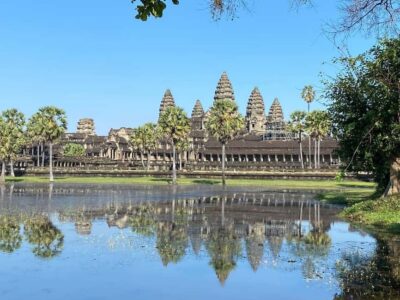
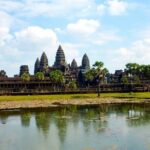
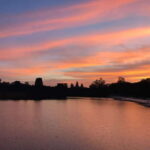
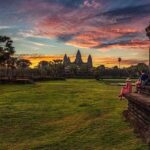
Angkor Wat at sunrise is famous for a reason. Even if you’re not a “sunrise person,” it’s the light. The early hours soften shadows and help you see the temple’s geometry instead of just the scale. You’ll usually get time to take in the main scene and then move through Angkor Wat as the morning progresses.
A practical note: admission isn’t included in the tour price. The data provided lists the Angkor Wat fee as $37 per person, so plan for that. If you’re budgeting tightly, this is where your “real cost” starts to add up.
Ta Prohm and Banteay Kdei: Trees, Mood, and a Crowd-Realistic Pace
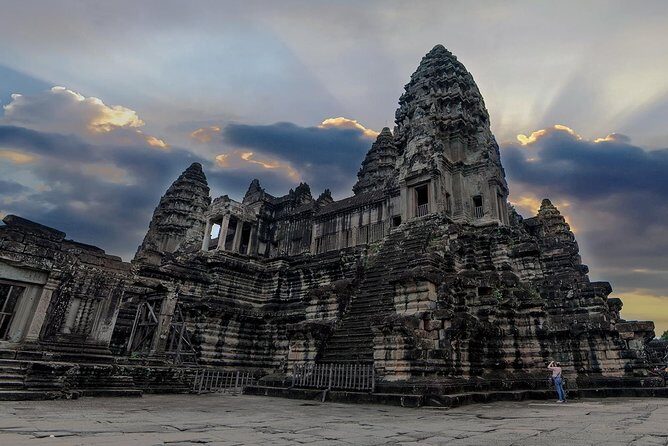
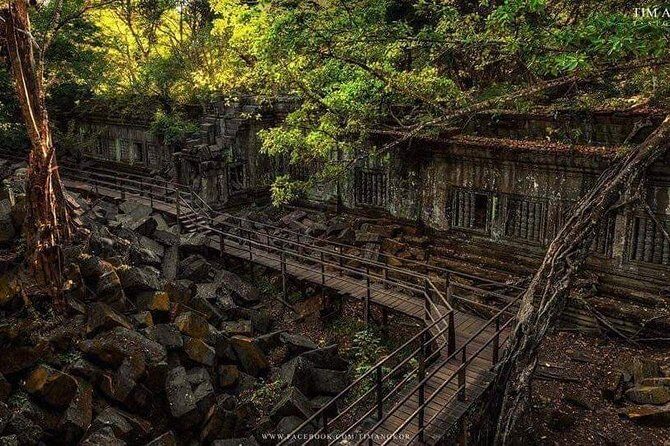
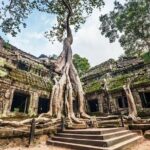
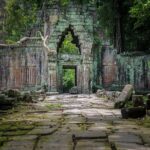
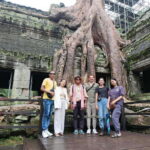
After Angkor Wat, the route heads to Ta Prohm, one of the temples people recognize even if they can’t place it on a map. The reason is the famous movie connection, since this is the place Hollywood used for Tomb Raider. Expect big, dramatic roots and a scene that looks like the jungle is actively reclaiming the stone.
This stop is timed to feel like a morning highlight: about 1 hour 30 minutes. That’s enough to see the main view areas, walk the key paths, and take photos without feeling like a ticket line. You’ll still want good shoes, because temple ground can be uneven.
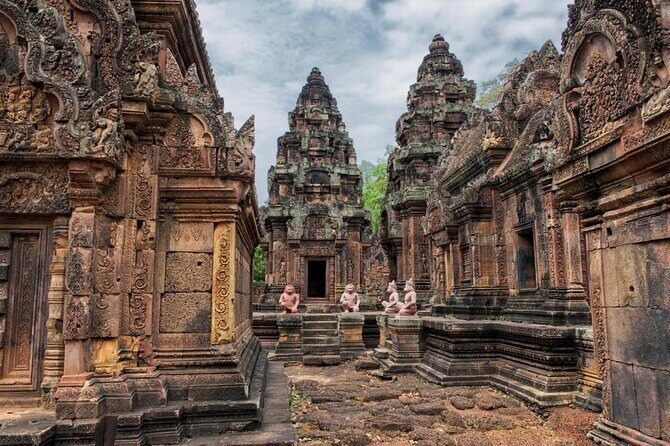
Next comes Banteay Kdei, a massive Buddhist monastery from the later part of the 12th century. What I like about this kind of follow-up is the change in mood. Ta Prohm is wild and visually busy; Banteay Kdei is described as quieter and more peaceful. It’s a good chance to slow down, reset, and absorb the temple style without chasing every photo angle.
Admission at each stop is listed as not included, so budgeting-wise you’ll want to account for your passes. The upside is that the guide’s route order is designed so you’re not constantly doubling back.
Ta Nei and the Small-Circle Shift: Smaller Temples, Better Breathing Room
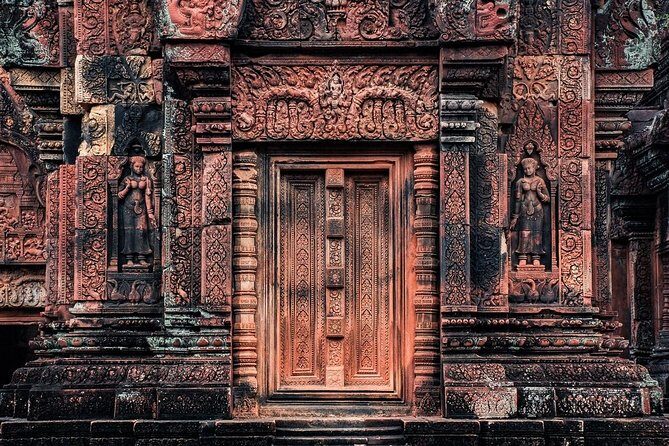
After the main jungle-and-monastery hits, the itinerary turns toward Ta Nei, a smaller and quieter temple. It’s described as less restored, tucked among large trees. That matters because it can feel more “real” in the sense that you’re seeing details before they’re smoothed into a polished, tourist-friendly version.
The visit is shorter, about 30 minutes. That works well here: you can look, take notes, and move on before the day heats up too much. If you love travel days that feel like a sequence instead of a blur, this stretch is where the tour begins to feel balanced.
This is also where your guide’s storytelling matters. You’ll start to connect how these temples relate to Angkor Thom and the larger royal and ceremonial layout. Even without extra museums, you get a sense of why this region became such a center of power and belief.
Angkor Thom Highlights: Victory Gate, Bayon Faces, and Royal Platforms
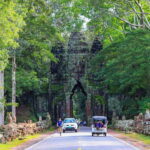
The tour then enters Angkor Thom, and this is where you’ll feel the “main-event” density. You start with a quick stop at the Victory Gate on the east side. Expect a photo moment and a short orientation, then you head onward into the complex.
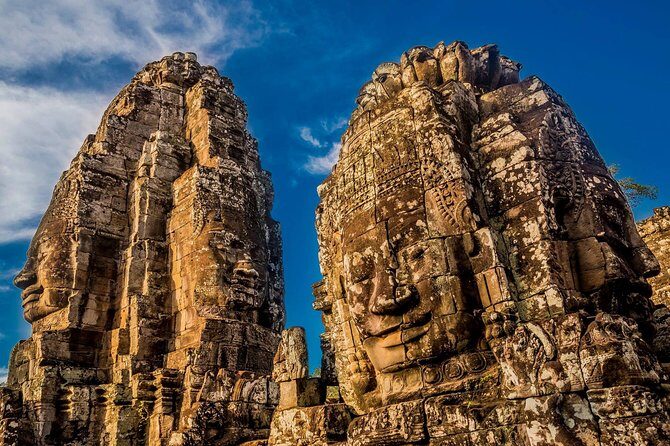
From there, the big set piece is Bayon, located in the center of Angkor Thom city. The scale is explained in a very concrete way: there are 49 towers, and each tower has four faces. That’s 196 faces total, described here as Avalokiteshvara. It’s one of those places where you’ll understand why people stare upward for a long time.
Bayon is about 1 hour, which is a reasonable window to walk the key sections without rushing. The practical trick is to look for symmetry and repetition. Don’t just photograph faces; follow how the layout guides your movement. Your guide’s route helps you avoid getting lost in the sea of stone.
After Bayon, you continue through several royal and religious stops inside Angkor Thom:
- Baphuon (about 30 minutes): a Hindu temple from the 11th century, with a reclining Buddha added in the 16th century. This mix of time periods makes it feel layered, like the site kept evolving instead of staying frozen.
- Phimeanakas (about 20 minutes): a 10th-century pyramid Hindu temple in the center of the old Royal Palace area. It’s a short visit, but it helps you understand the “center of gravity” of Angkor Thom.
- Terrace of the Elephants (about 10 minutes): a platform used by kings to view victorious returning armies, decorated with elephant carvings. Even in a short stop, it gives you context for ceremonial power.
- Terrace of the Leper King (about 10 minutes): another nearby platform on the north side. It’s brief, but it adds to the sense that these weren’t casual walkways; they were part of court life.
- Preah Palilay (about 20 minutes): a quiet Buddhist temple behind the Royal Palace within Angkor Thom. After the heavier “icon” stops, this one can feel like a breath of calm.
A key benefit here is that you’re not just ticking names off a list. The itinerary is arranged so you move from gates into the center, then out through connected royal terraces. That flow helps your brain build a mental map fast.
You can also read our reviews of more evening experiences in Siem Reap


Phnom Bakheng Sunset: The Steps, the Limits, and the Payoff
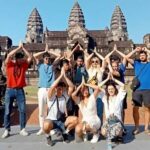
Toward the end of the day, you head to Phnom Bakheng for sunset. This is the part many people remember most clearly because the viewpoint is what ties the whole long day together.
The tour includes about 2 hours here, which is smart. At Phnom Bakheng, the peak has limited capacity for tourists. The information provided also says the guide will adjust if it’s busy, which matters because you don’t want to spend your final hour stuck in a bottleneck.
Even when you can’t reach every angle on the peak, the sunset effort is still worth it. The hilltop views help you see why Angkor’s temples made sense as a visual statement. You’re not just looking at buildings; you’re looking at a designed view.
If you’re worried about stairs, wear shoes with grip and take your time. Sunrise and sunset both reward pacing, and you’ll enjoy it more if you don’t treat it like a sprint.
Price and Value: What $88.50 Covers (and What It Doesn’t)
At $88.50 per person, this is priced for a full private day with a driver and a licensed English-speaking guide, plus included comforts like cool water and cool wet towels. You also get hotel pickup and drop-off, and the tour includes parking fees and road tolls.
The big cost items not included are:
- Angkor Wat admission listed at $37 per person
- Lunch, listed as $5.00 per person, depending on the menu
So the real comparison isn’t just the tour price. It’s the combination of tour fee plus the admission and the lunch choice. Still, this structure can be good value if you’re first-timing Angkor and want someone to manage the sequence and timing. For a day this long, removing transport stress often saves more than you think.
Also, the tour is booked about 22 days in advance on average, which suggests it’s popular for good reason. If you’re traveling during peak periods, booking earlier can help lock in the timing you want.
Who This Tour Fits Best (and Who Might Skip It)
This tour fits best if you have limited time in Siem Reap and you want maximum highlights in one day. It’s also a strong match if you like the idea of starting at sunrise, then having a full temple circuit planned for you. The private format helps, especially if you’re traveling with friends or family and you don’t want to merge your pace with strangers.
You might want a different approach if:
- you know you won’t enjoy very early mornings, since 4:45am pickup is non-negotiable
- you prefer a slower, less packed itinerary with fewer temples
- you’re sensitive to lots of walking and climbing, since the day ends with a hill viewpoint at Phnom Bakheng
For most people, the included vehicle, water, and guide guidance makes this feel doable rather than chaotic.
Little Logistics That Make the Day Easier
This tour is designed to cut down on friction. You’ll ride in an air-conditioned vehicle, and you get cool water and cool wet towels during the day. That’s not a luxury detail in this heat; it’s a comfort factor that helps you keep moving.
The route also makes sense from a crowd-management perspective. Starting early gives you better light for Angkor Wat and helps you get through key stops before later-day congestion. Then, by the time you reach Angkor Thom and the later afternoon sites, you’re already in the rhythm of the complex.
One more practical point: this is private, and your group goes together. That usually means you can ask your guide questions and pause when needed, instead of being rushed by a fixed schedule for a big group.
Should You Book This Private Sunrise to Sunset Angkor Day?
If your goal is a one-day overview that still hits the headline temples, I think this is a smart booking. You get sunrise at Angkor Wat, a stop at Ta Prohm, a full run through Angkor Thom highlights, and a proper end with Phnom Bakheng sunset. The private format and included comfort touches (water, wet towels, hotel pickup/drop-off) make the long day feel organized.
The main reasons to hesitate are also clear. The day is long, the start is early, and admission plus lunch add to the total. If you’re the type who wants a relaxed afternoon and minimal walking, you’ll probably feel the pressure of the schedule.
If you’re going to Angkor for the first time and you want the biggest sights without guessing logistics, this tour is built for you.
FAQ
What time does the tour start?
Pickup is at 4:45am from your hotel or guest house lobby.
How long is the tour?
The tour runs about 11 to 12 hours.
Is pickup and drop-off included?
Yes. The tour includes hotel pickup and hotel drop-off.
Are temple admission fees included?
No. Admission tickets are not included, and the Angkor Wat admission fee is listed as $37 per person.
What about lunch?
Lunch isn’t included. Lunch meals depend on the menu and are listed as $5.00 per person.
Is this tour private?
Yes. It’s a private tour/activity, and only your group participates.
What is the cancellation policy?
You can cancel for a full refund up to 24 hours before the experience’s start time.