REVIEW · PHNOM PENH
From Phnom Penh: Angkor Wat, Bayon, and Ta Prohm Day Trip
Book on GetYourGuide →Operated by Cambodia Taxi Driver · Bookable on GetYourGuide
Angkor in one day is a tall order. This tour turns that challenge into a smooth, early start to see Angkor Wat, Bayon, and Ta Prohm with a live guide at the temples.
What I like most: you get a real orientation as you walk the ruins, and drivers are repeatedly praised for safe, comfortable road time between Phnom Penh and Siem Reap. The only real drawback is the pace: it’s a 14-hour push, plus entrance fees are extra (and the heat is real).
In This Review
- Key takeaways before you go
- Phnom Penh to Angkor: the long drive that sets the tone
- Angkor Wat first: Hindu design, Buddhist change, five-tower geometry
- Bayon and its faces: the 216 smiles that make you slow down
- Ta Prohm: the Tomb Raider mood with real jungle takeover
- Outer temples and grounds: extra time is worth it
- Timing, heat, and temple etiquette: how to survive 14 hours well
- Price and logistics: is $179 worth it once you add entrance fees?
- Guides and drivers: what repeatedly makes this day feel special
- What to pack (and what to skip) for Angkor Wat, Bayon, and Ta Prohm
- Should you book this Phnom Penh Angkor day trip?
- FAQ
- Do I need to pay Angkor entrance fees separately?
- What’s included in the $179 price?
- How long is the day trip from Phnom Penh?
- Is pickup from my hotel included?
- Are flash photos allowed in the temples?
- What should I bring and wear?
Key takeaways before you go
- Private driver + air-conditioned car: you’re not hustling for transport after a long drive.
- Live English guide at Angkor: you’ll understand what you’re seeing, not just take photos.
- Three big temples in one run: Angkor Wat, Bayon, and Ta Prohm without needing an overnight stay.
- Ta Prohm’s jungle atmosphere: the scenery includes the kind of forest chaos that makes the site feel alive.
- Comfort-minded road stops: water, bathroom breaks, and leg-stretch pauses are part of the experience.
- No-flash rule: plan your photography with that in mind so you don’t waste time worrying.
Phnom Penh to Angkor: the long drive that sets the tone
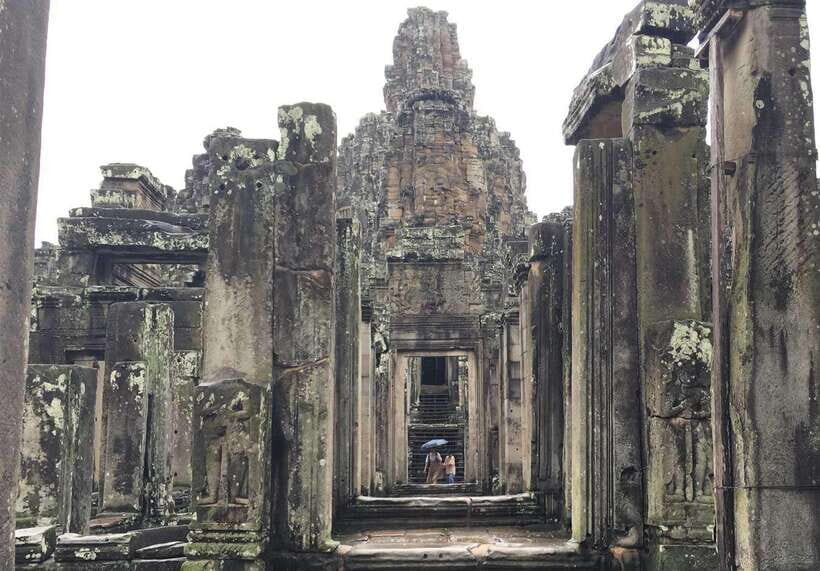
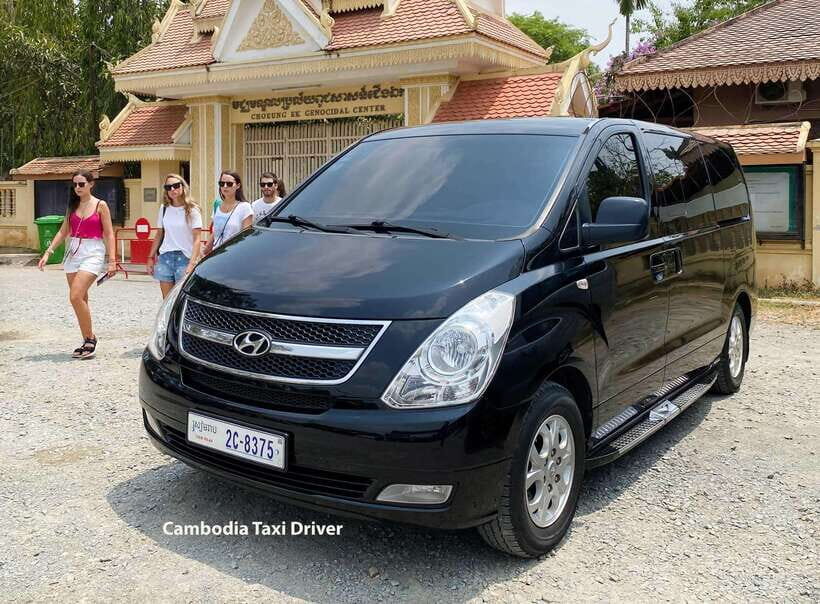
This is a day trip, and it starts with a commitment: you leave Phnom Penh early and face about a 5.5-hour drive to Siem Reap before you even begin walking temples. That travel time is part of the deal, but you’re paying for the convenience—private transport, cold water, and a driver who meets you with a nameplate.
One thing I appreciate: the car time isn’t treated as dead time. In many recent experiences, the driver kept things calm and comfortable, made room for bathroom and coffee stops, and helped passengers settle in for the day (some cars even come with very comfortable seating). The route also gives you a sense of Cambodia outside the tourist bubble—if you’re up for it—while still getting you to the archaeological area at a good hour.
Main consideration: it’s still a long day. If you’re sensitive to heat or you prefer slow sightseeing, this won’t feel leisurely. Also, the tour is not suitable for wheelchair users, and people with heart problems should think carefully about a full day on the road plus walking.
You can also read our reviews of more tours and experiences in Phnom Penh


Angkor Wat first: Hindu design, Buddhist change, five-tower geometry
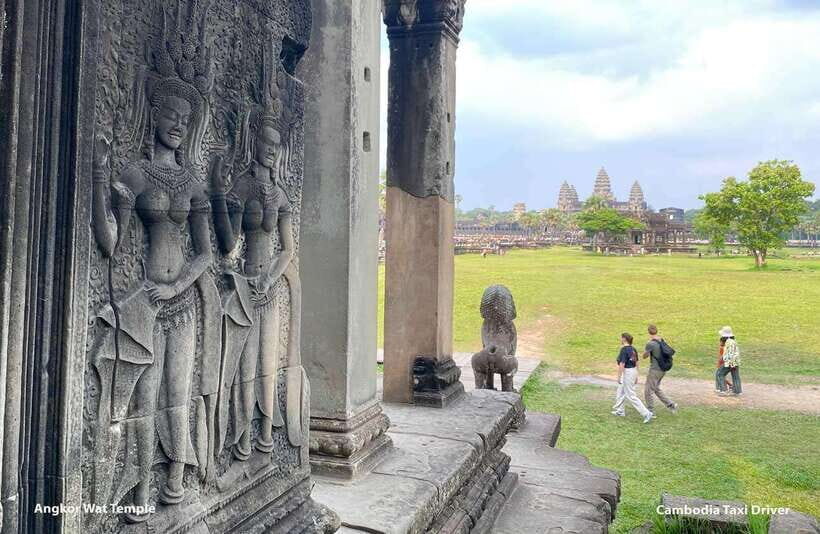
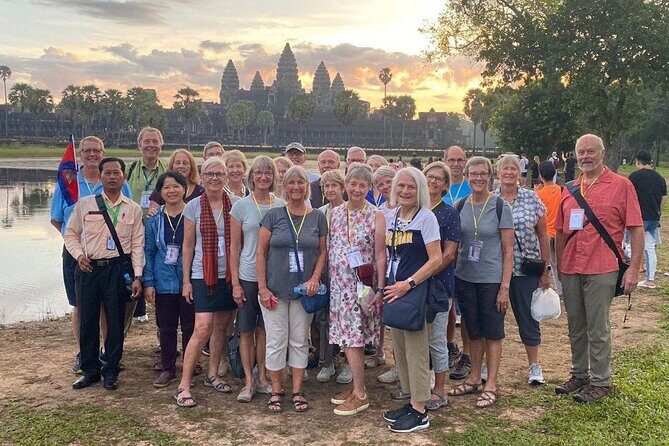
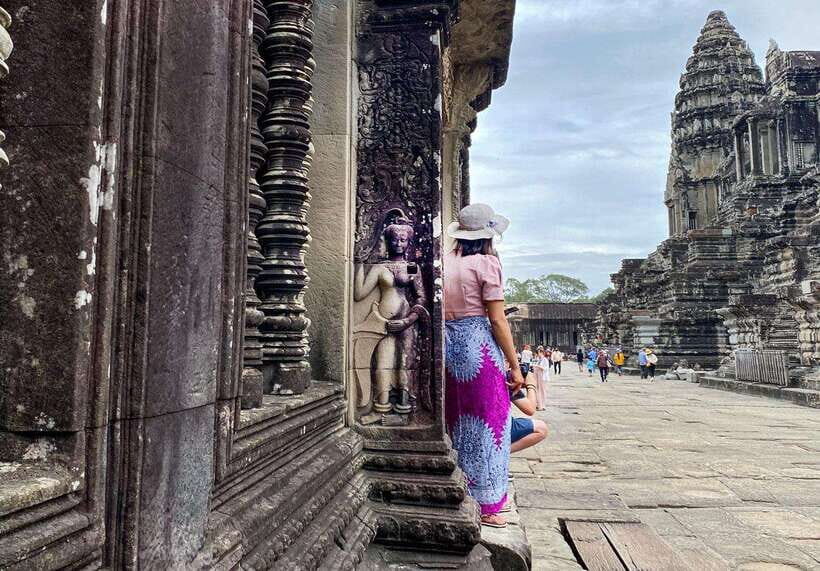
Angkor Wat is the big moment, and starting here makes sense. It’s Cambodia’s largest religious monument, and it wears its history in layers: built in the 12th century as a Hindu temple, then later transformed into a Buddhist temple.
I love the way the guide’s explanation changes the experience. When someone points out how the five towers relate to the Hindu cosmic mountain idea, Angkor Wat stops being just a pretty silhouette. You start seeing a plan—symmetry, elevation, and meaning—built into the stonework.
What to expect on site:
- You’ll walk through the main areas while the guide connects what you see to why it was built.
- You’ll have time to appreciate details like the temple’s architectural style and the shift in religious use over time.
- The early start matters because Angkor Wat gets crowded and hot.
A practical note: bring comfortable shoes and set a pace that allows you to pause. You’ll likely move faster than you want if you’re trying to do it like a sprint. And remember the rule: no flash photography inside the temple areas.
Bayon and its faces: the 216 smiles that make you slow down
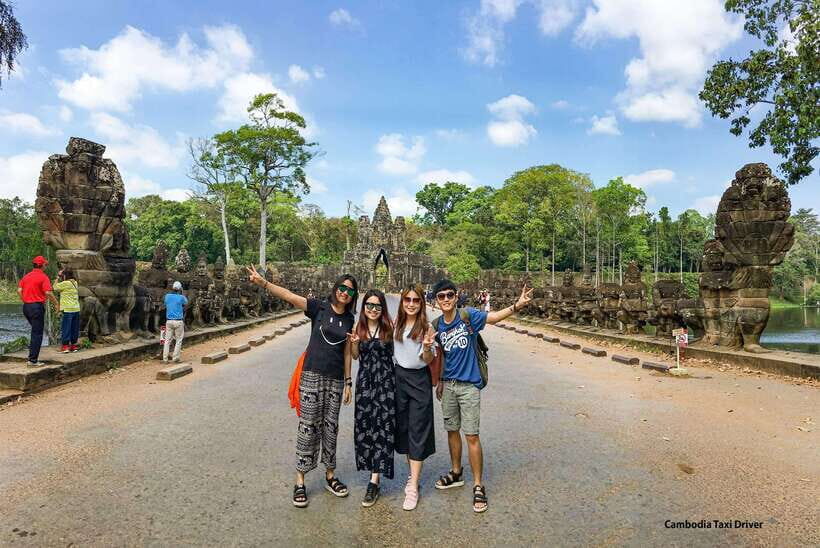
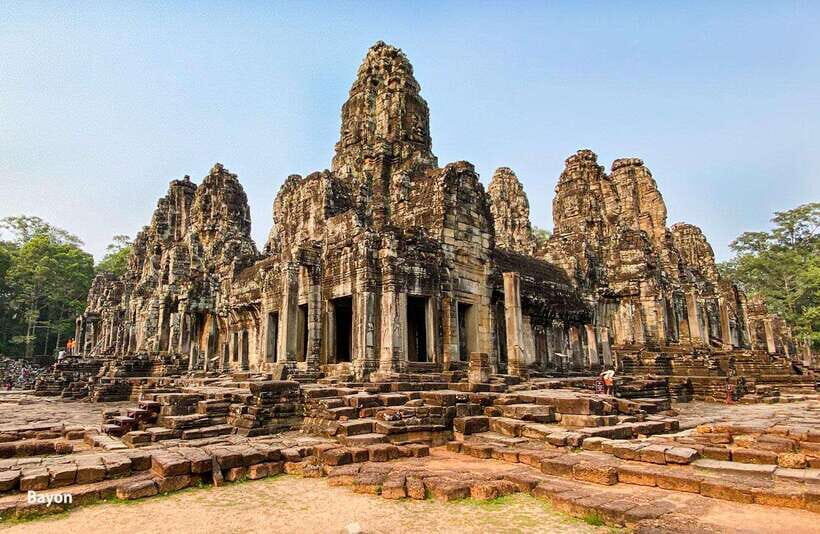
After Angkor Wat, the mood shifts. Bayon is known for its serene, smiling stone faces, and it’s one of the most memorable ways to spend a second chunk of the day in the complex.
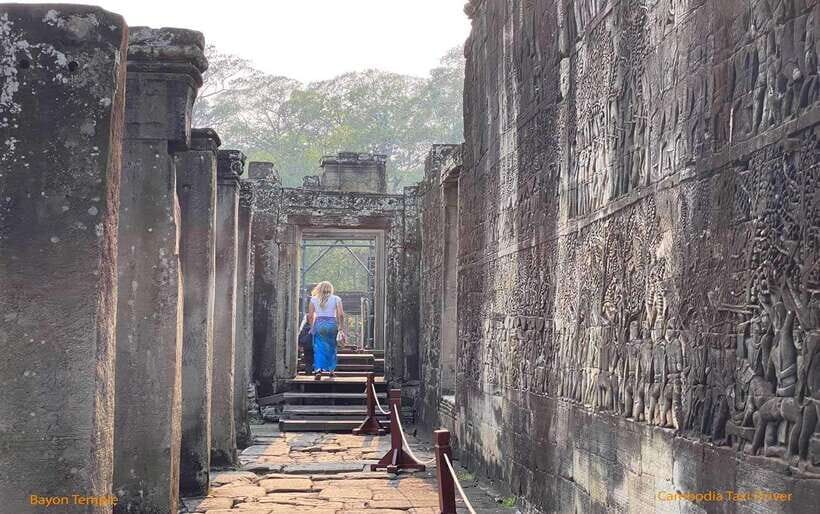
Bayon was completed in the late 12th or early 13th century and was the last state temple built at Angkor. The 216 faces are often linked to Avalokiteshvara (a bodhisattva) or to the king—either way, the effect is the same: you feel like the temple is watching you back, from multiple angles.
This is where a good guide really matters. The corridors, staircases, and viewpoints can feel confusing if you’re alone. With a guide, you learn how to move through the space so you don’t just rush past the best angles.
What I’d watch for:
- Don’t treat Bayon as a quick stop. The stairways and narrow passages are part of the experience.
- Pay attention to where you stand for the face views; tiny changes in position can change the whole look.
The tour keeps you moving, but Bayon is also one of those places where you can slow down for a few minutes without ruining the day.
Ta Prohm: the Tomb Raider mood with real jungle takeover
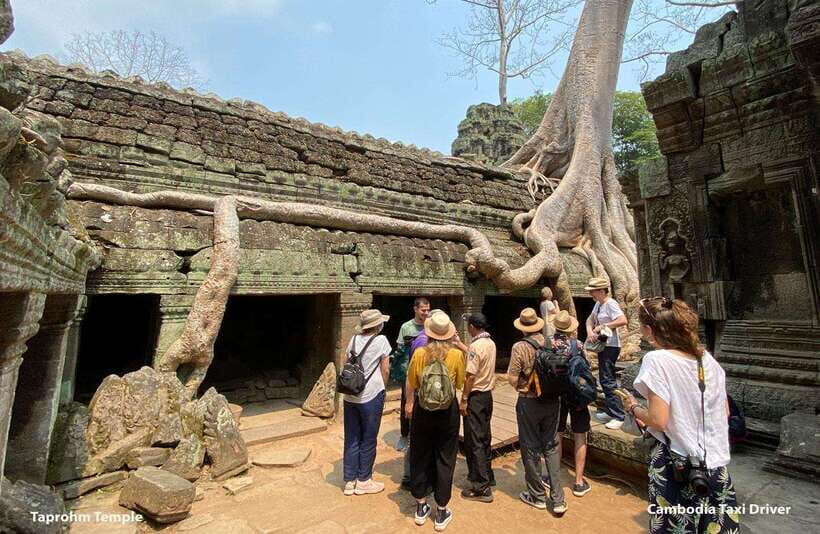
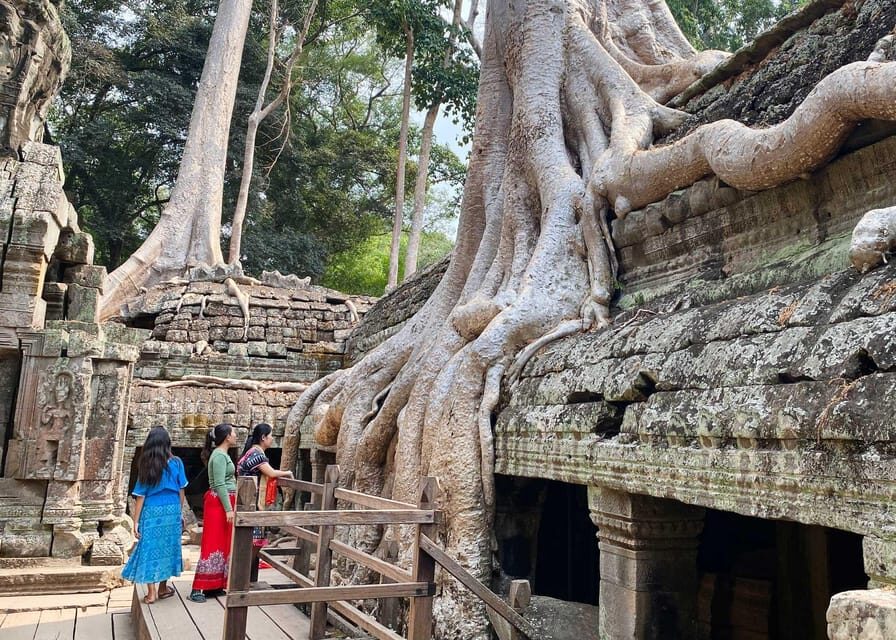
Then comes Ta Prohm, the temple people talk about for a reason. It’s often called the Tomb Raider temple, but you don’t need the movie to understand why: this is the temple where the jungle feels like a co-author.
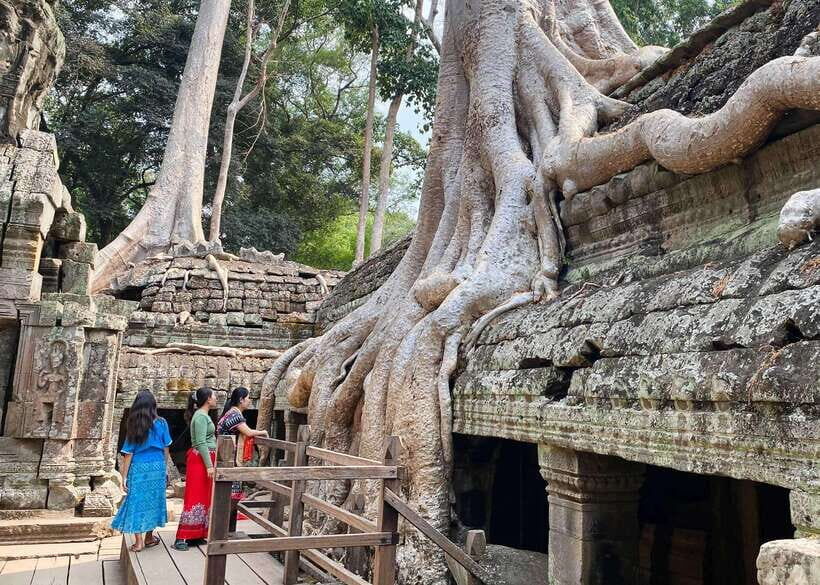
Ta Prohm was built in the late 12th century as a Buddhist monastery and university. What makes it different is that it has been left largely unrestored, so parts of the site are reclaimed by trees and roots. The result is atmospheric in a very physical way—you see how nature and architecture wrestled for centuries.
In many experiences, you also get an added dose of life in the form of wildlife sightings in forest areas, including monkeys. That’s not something you can plan for, but it’s one of the reasons Ta Prohm feels less like a museum stop and more like a living landscape.
Trade-offs here are normal for a day trip:
- You may feel the walking accumulate by this point, especially on uneven ground.
- It’s easy to over-focus on photo spots and lose time. I’d set a rhythm: a few minutes of photos, a few minutes of looking, then move on.
Outer temples and grounds: extra time is worth it
After the three headline temples, the tour doesn’t end instantly. You’ll also spend time exploring the outer temples and grounds of the Angkor Archaeological Park before heading back.
That matters because the Angkor experience isn’t only the three big names. Even when you’re short on time, seeing additional areas helps you understand the scale of the whole site and makes Angkor Wat, Bayon, and Ta Prohm feel less like isolated postcards.
The downside: on a packed schedule, outer areas can become a blur if you’re too tired to focus. Bring water, take shaded breaks when you can, and don’t try to “win” the day by seeing everything. Your best memories will come from the sites where you actually stop to look.





Timing, heat, and temple etiquette: how to survive 14 hours well
This tour runs about 14 hours, with a long drive each way. In practice, that means you’re dealing with heat, sun, and the simple fact that you’ll be on your feet for multiple temple blocks.
Here’s how I’d set yourself up for a smoother day based on what’s been emphasized for this experience:
- Wear comfortable shoes with grip. Stone can be slippery and uneven.
- Bring a hat, sunscreen, and a camera you’re comfortable using one-handed while walking.
- Hydrate early and often. You’ll get cold bottled water in the car, and it’s still smart to treat water like a task, not an afterthought.
- Dress modestly. Temples are religious spaces, and respectful clothing is part of getting to move comfortably.
If you’re aiming for sunrise-style vibes, many recent departures have been very early (often around 4am pickup from Phnom Penh). Even if your exact timing varies, plan for an early start that steals your sleep.
Also, the no-flash photography rule is real. If flash is your default, switch your habits before you get there.
Price and logistics: is $179 worth it once you add entrance fees?
The listed price is $179 per person for a private day trip with:
- Private driver from Phnom Penh
- Transport to and from Siem Reap
- Cold bottle of water
- Live tour guide (English) and local guide at the Angkor temples
But two cost items matter for your budget:
- Angkor Archaeological Park entrance fees are not included: $37 per person.
- Lunch isn’t included (you’ll eat at a local restaurant during the day).
So your day trip cost is closer to $216 per person before lunch. That’s not cheap, especially if you compare it to shared bus tours. The value comes from what you’re buying: not only transport, but also time. Flying to Siem Reap and arranging your own guide/driver for a tight schedule can easily become more complicated than paying extra to have it handled.
To judge the value fairly, consider what you would do if you weren’t on a guided private schedule:
- You’d need a driver who can handle the full Phnom Penh–Siem Reap round trip safely.
- You’d still need someone to explain Angkor Wat’s religious and architectural context so you don’t miss the point.
- You’d be doing that while also managing the early start and the long walking day.
This tour solves that by bundling transport and temple interpretation. That’s why many people end up calling it a hassle-free way to see Angkor without an overnight stay.
Guides and drivers: what repeatedly makes this day feel special
The most praised part of the day is usually the human layer: the guide’s storytelling and the driver’s calm professionalism.
A name that appears often is Siyan, frequently described as excellent at explaining temple history in an engaging way and helping with great photo angles. Drivers mentioned by name—like Vuthy, Heng Thearak, Vannack, Phat, and Om—are repeatedly credited with safe driving, clean and comfortable cars, and helpful stop management.
Even when the itinerary is fixed on paper, the best teams tend to make the day feel less rigid:
- They wait at the right times when people are taking a moment to look.
- They offer practical breaks for comfort on the drive.
- They help people get the best photo spots without dragging the group off schedule.
You should still keep your own expectations realistic. It’s a private group, but you’re still bound by daylight, heat, and the time it takes to move between sites.
What to pack (and what to skip) for Angkor Wat, Bayon, and Ta Prohm
For this day trip, your packing list is basically about comfort and heat control:
- Comfortable shoes
- Hat
- Camera
- Sunscreen
- Water
Skip anything that encourages slow chaos. You won’t enjoy the day if you’re constantly adjusting gear, hunting for shade, or carrying more than you need.
Also note: flash photography is not allowed. If you’re photographing seriously, set your camera up for lower light and bring a plan for steady shots.
Should you book this Phnom Penh Angkor day trip?
Book it if you:
- Want Angkor without flying or staying overnight.
- Like the idea of a guide at the temples who explains the meaning behind what you’re seeing.
- Prefer private transport and a team that manages the long drive for you.
Think twice if you:
- Have mobility limits or expect a lot of leisurely walking (this isn’t set up for wheelchair users).
- Get worn down by long, early travel days and hot temple walking.
- Are on a tight budget, since entrance fees and lunch add to the total.
If you’re choosing between skipping Angkor from Phnom Penh entirely versus paying for a structured, guided day, I’d choose the structured day trip. Angkor Wat, Bayon, and Ta Prohm are exactly the trio you want when time is tight—and a good driver plus a strong guide makes the difference between seeing temples and actually understanding them.
FAQ
Do I need to pay Angkor entrance fees separately?
Yes. Entrance fees to the Angkor Archaeological Park are not included and are listed as $37 per person.
What’s included in the $179 price?
It includes a private driver from Phnom Penh, transportation to and from Phnom Penh, a cold bottle of water, and a live English tour guide at the Angkor temples plus a local guide.
How long is the day trip from Phnom Penh?
The duration is listed as 14 hours, including the drive time to Siem Reap and back.
Is pickup from my hotel included?
Yes. Pickup is included, and the driver meets you in the lobby of your hotel with nameplates.
Are flash photos allowed in the temples?
No. Flash photography is not allowed.
What should I bring and wear?
Bring comfortable shoes, a hat, sunscreen, water, and a camera. Dress modestly to be respectful of the temples.