REVIEW · SIEM REAP
Full-Day Angkor Wat Sunrise and Sunset Private Tour
Book on GetYourGuide →Operated by Happy Angkor Tour Cambodia · Bookable on GetYourGuide
One day at Angkor can feel impossible. I love the way this plan builds around Angkor Wat sunrise and then turns into a full Small Circle day of temple highlights. I also like the small comfort wins: an air-conditioned ride, plus water and cold towels that show up right when the heat hits. The only real drawback is the day is long and early, and you’ll still pay for the temples pass and food on top of the tour price.
The schedule starts with hotel pickup around 4:45am, so your Siem Reap morning begins before most coffee shops wake up. You’ll come back for a break after sunrise (breakfast depends on your hotel), then keep rolling through Ta Prohm, Pre Rup, Angkor Thom, and Baphuon before climbing Phnom Bakheng for sunset. Because it’s private, the order and timing can flex if crowds or weather shift.
The best part is how the guide turns stone and myths into a story you can follow without effort. Guides like Jimmy, Thean, and Bun were repeatedly praised for clear explanations, great photo spots, and adjusting the flow for hot conditions. Just know this is a walking-heavy temple day, including a hill climb at the end, so good shoes matter.
In This Review
- Key strengths of this sunrise-to-sunset Angkor Wat private day
- 4:45am pickup and the real reason sunrise tours start so early
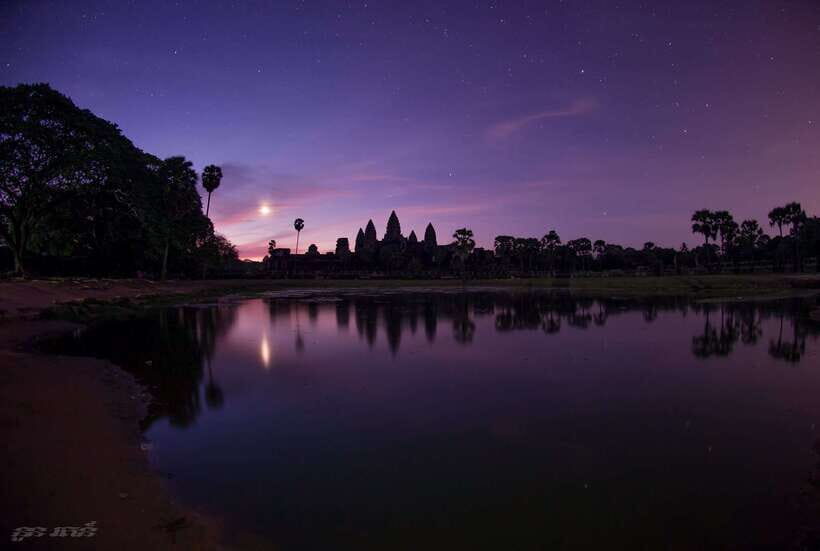
- Angkor Wat sunrise: what to expect when you arrive before the world wakes up
- Breakfast break, midday heat, and why the schedule gives you a breather
- Ta Prohm like you’ve seen in Tomb Raider, with roots that steal the show
- Pre Rup: Hindu temple design and why it matters to Cambodian beliefs
- Angkor Thom and Bayon: the 49 towers and 196 Bodhisattva faces
- Baphuon and the reclining Buddha: the perfect palate cleanser before sunset
- Phnom Bakheng sunset: why you climb early for crowd control
- Price and logistics: how $71 becomes a full day out
- The guide-driver team makes or breaks an Angkor day
- Who this private tour is best for
- Should you book this sunrise-and-sunset Angkor Wat private tour?
Key strengths of this sunrise-to-sunset Angkor Wat private day
- One-day coverage of major hits: Angkor Wat sunrise plus sunset at Phnom Bakheng, with the core Small Circle temples in between
- Private flexibility for heat and crowds: your guide can shift the pace and sequence so the day feels workable
- Guides who also help with photos: people highlight guides like Jimmy and Thean for finding strong viewpoints
- Comfort extras that are actually useful: A/C vehicle, bottled water, and cold towels at key stops
- Temple variety in a single arc: Hindu temples, Bayon faces, and later additions like the reclining Buddha
4:45am pickup and the real reason sunrise tours start so early
Plan for an early start. Pickup is around 4:45am, and you’ll head straight toward Angkor Wat for sunrise viewing before the crowds truly surge.
Here’s the trick: sunrise at Angkor is not about being inside every doorway. It’s about light, atmosphere, and getting a viewpoint before it gets packed. Many guides aim for spots that give you a great view without you feeling trapped in a bottleneck.
And yes, this is an all-day rhythm. You’ll spend most of the day outside, then climb for sunset later, so think of this as a full experience rather than a quick hit.
You can also read our reviews of more private tours in Siem Reap
Angkor Wat sunrise: what to expect when you arrive before the world wakes up
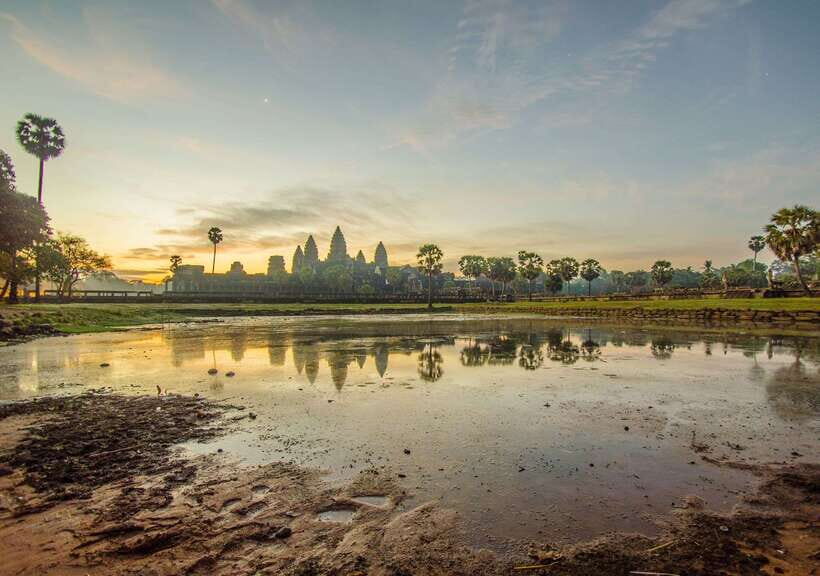
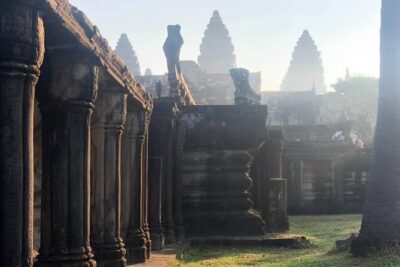
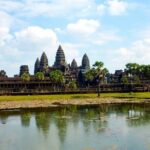
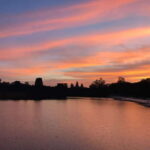
At sunrise time, the vibe changes fast. The temple complex looks different in morning light, with softer shadows and a calm that you just do not get at midday.
After the sunrise moment, the day moves into a breakfast pause. If your hotel includes breakfast, you go back there; if not, you’ll eat at a nearby restaurant close to Angkor Wat. Breakfast isn’t included in the tour price, so budget for it either way.
Then you continue with more time at Angkor Wat. This is where a good guide earns their keep, because you’re not just looking at walls and towers; you’re learning what you’re actually seeing and why it mattered to the people who built and used these spaces.
Practical tip: bring a plan for your phone battery. Between sunrise, temple details, and a long day of photos, power drains faster than you expect.
Breakfast break, midday heat, and why the schedule gives you a breather
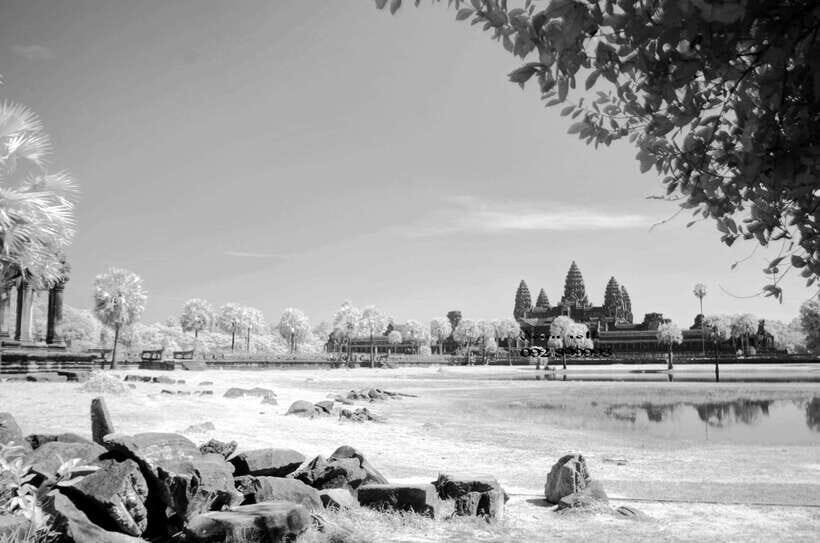
The pace is intense, but it’s not random. You’ll have a real break after the morning’s big highlight, typically paired with breakfast, before you tackle the rest of the route.
Lunch comes around 12:30pm at a local restaurant nearby, and it’s not included. This helps you keep energy for the afternoon temples, especially when the light and temperature become harsher.
One of the best value parts here is that private guides can help you survive the heat. In real life, that means pacing you more gently, pausing when needed, and keeping you hydrated. People consistently mention cold water and cold towels showing up at the right moments, plus A/C comfort between sites.
Ta Prohm like you’ve seen in Tomb Raider, with roots that steal the show
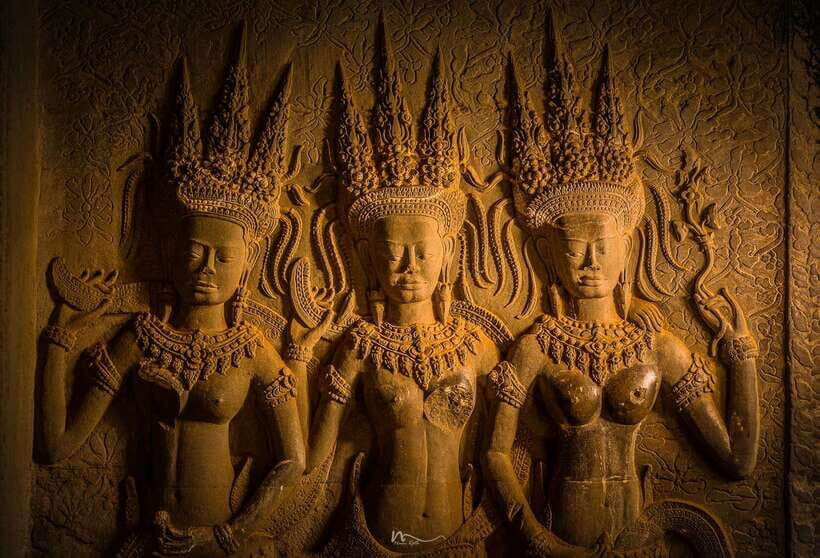
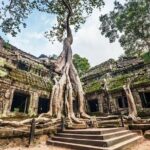
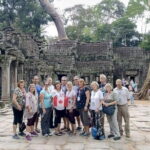
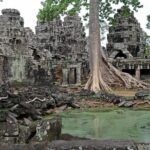
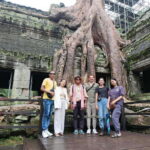
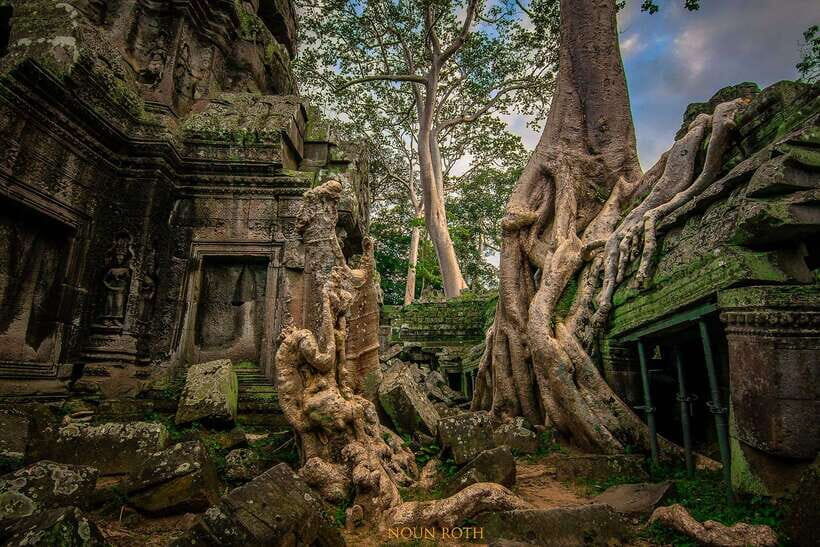
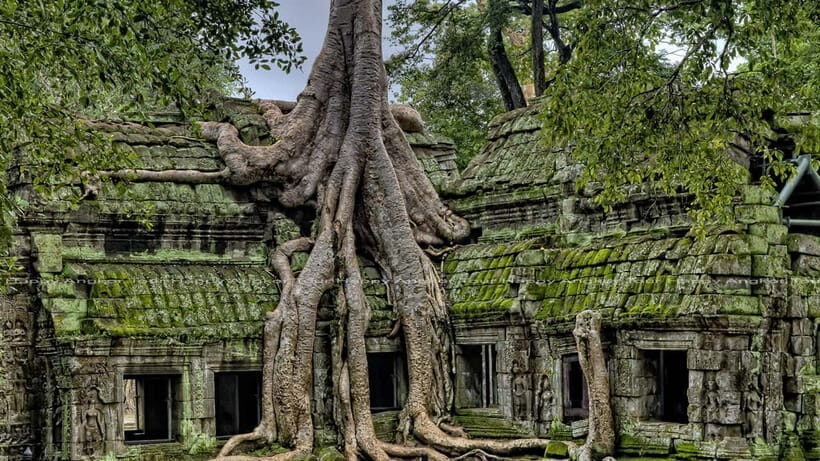
Ta Prohm is the temple people remember for a reason. You’ll see huge tree roots taking over stone, making the place feel half-ruin, half-living jungle city.
It’s also directly connected to Hollywood’s Tomb Raider filming. Even if you’re not a movie person, the plant takeover makes Ta Prohm visually different from the more structured, symmetrical temples.
What I like about putting Ta Prohm into the middle of the day is contrast. After Angkor Wat, you see another face of Angkor: less grand and formal, more wild and strange, like nature moved into the blueprint and refused to leave.
What to watch for: the way roots twist around doorways and columns, turning straight lines into organic shapes. A guide can help you spot those details quickly, so you’re not just walking past the dramatic parts.
Pre Rup: Hindu temple design and why it matters to Cambodian beliefs
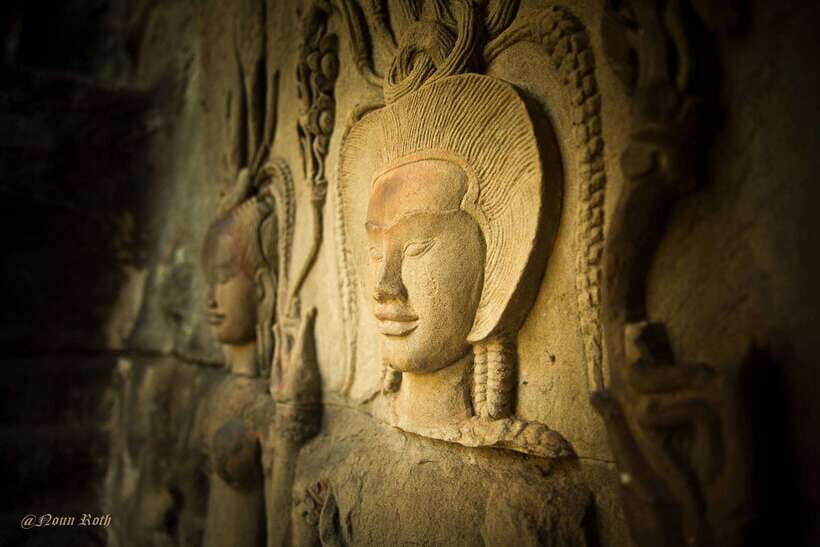
After lunch, you’ll head to Pre Rup, constructed in the late 10th century and dedicated to Hindu gods. This is a key stop because it connects the Angkor story to the religious beliefs that shaped temple design early on.
There’s also a belief you’ll hear about from your guide: funerals were conducted at the temple. That means Pre Rup is not only architecture to photograph; it’s part of how people understand life and death in the Cambodian cultural landscape.
Pre Rup can feel like a shift in tone from Ta Prohm’s tangled takeover. Instead, you get temple form, intention, and symbolism you can read with a bit of context.
Tip for comfort: plan to take your time on the uphill sections. It’s not just about the climb, it’s about staying focused on the story you’re learning.
You can also read our reviews of more evening experiences in Siem Reap

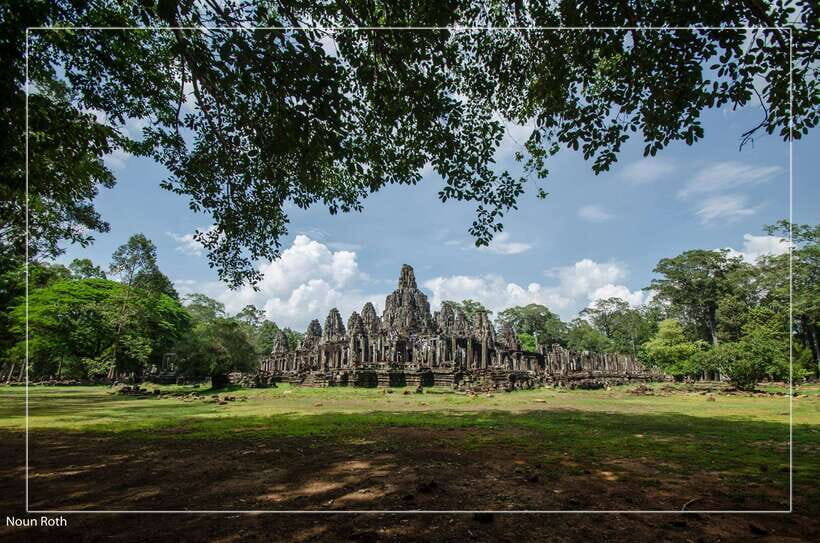
Angkor Thom and Bayon: the 49 towers and 196 Bodhisattva faces
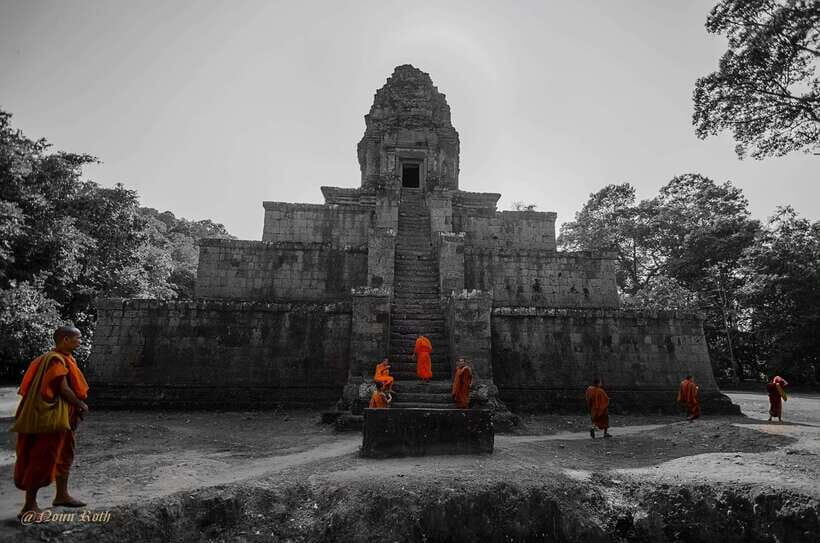
The day’s “wow” moments keep stacking. Next up is the city of Angkor Thom, centering on Bayon temple.
Bayon is famous for its 49 towers, and each tower has four faces. That adds up to 196 faces of Bodhisattva Avalokitesvara staring out in every direction.
This stop is worth your attention because it changes how you interpret the entire complex. With Angkor Wat, you’re often thinking in geometry and massive structure. With Bayon, you get a human scale through the repeated faces, and the space feels more alive and watching.
Between viewpoints and walkways, you’ll also cover nearby key sights around Angkor Thom. The route includes the Royal Enclosure Wall, Elephant Terrace, Leper King Terrace, and Phimeanakas. Your guide’s job is to connect these names to what you can actually see in front of you—carving details, terrace purpose, and how the city layout supports the temple core.
Baphuon and the reclining Buddha: the perfect palate cleanser before sunset
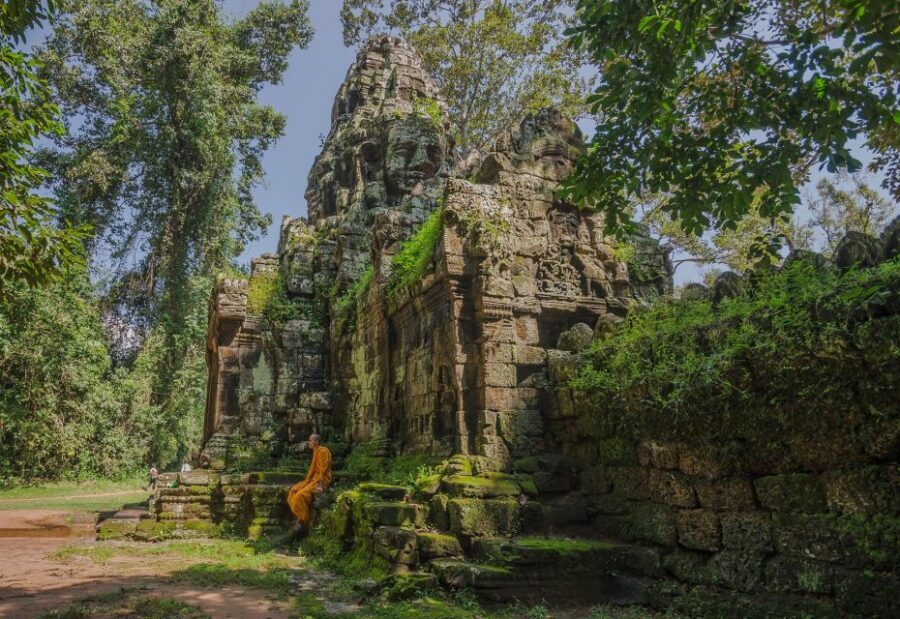
Later you’ll visit Baphuon. It was built before Angkor Wat, in the 11th century, which gives it a distinct place in the timeline.
Behind Baphuon, you can see a large reclining Buddha that was built later in the 16th century. That mix of periods is one of the most interesting parts of Angkor for me: the site keeps evolving, and the meaning shifts as beliefs change.
This is a smart point in the day to catch your breath for a minute. By now you’ve already seen major landmarks, so the reclining Buddha offers a different kind of focus—less on tower symmetry, more on a single powerful scene.
Phnom Bakheng sunset: why you climb early for crowd control
The final act is Phnom Bakheng. You’ll climb the hill to see sunset from the top, but here’s the big practical note: access at the peak is limited.
So you’ll be asked to climb 1:30 to 2:00 hours before sunset. That means you’re not waiting until the last minute to rush upward. Instead, you get time to settle, adjust your position, and find a view before the area fills.
This is also where a guide’s pacing helps most. If you go too fast, you arrive breathless and drained. If you go too slow, you miss the best spot changes as the light improves.
Expect stairs and uneven ground. Bring shoes you trust, and keep sipping water even if you don’t feel thirsty yet. The day is long, and sunrise helped you wake up; the climb helps remind you to keep your body in the game.
Price and logistics: how $71 becomes a full day out
The tour price is $71 per person, and it includes hotel pickup and drop-off, an English-speaking guide, transportation in an A/C vehicle, water, and towels.
That’s meaningful value because Angkor days can be expensive in the hidden ways: heat fatigue, long travel between sites, and time lost if you’re navigating on your own early in the morning.
But remember the additional costs you pay separately:
- Temples pass: $37 per person
- Food: lunch (and breakfast if your hotel doesn’t include it) isn’t included
So the real comparison isn’t just $71. The real question is whether you want to spend time and energy solving sunrise timing, temple routes, and the afternoon-to-sunset climb. With a private guide and driver handling the flow, you’re buying time and comfort, not just a checklist of temple names.
If you only have one day in Siem Reap, this type of private plan can be a smart value play. You’re compressing the highlights into a single day rather than spending a second day just to repeat logistics.
The guide-driver team makes or breaks an Angkor day
This itinerary works best when the guide manages details and the driver keeps you moving smoothly.
Across the praised experiences, the pattern is clear: guides like Jimmy, Thean, Bun, Vanna, and Chhay were noted for strong explanations, adapting the route when heat or crowds shift, and making it easy to understand what you’re seeing. Drivers like San, Sreang, Hai, Leis, and others were repeatedly credited for safe, comfortable rides and for keeping cold water and towels ready.
There’s also a photo advantage. Many guides were singled out for picking viewpoints that people might miss and for helping you get good shots without spending the entire day fighting crowds.
And because Angkor weather can be unpredictable, some teams even showed up with umbrellas when rain moved in. That kind of readiness matters on a day that already starts at 4:45am.
Who this private tour is best for
I’d book this if you want a one-day Angkor highlight push with a guide who can explain what you’re seeing and adjust for real-world conditions.
This also makes sense for families and mixed ages because the transportation is A/C and the day is organized around breaks. One family example included a 10-year-old, and the team still kept the day functional.
I’d think twice if you:
- hate very early mornings
- don’t enjoy long walking days
- struggle with climbs, including the Phnom Bakheng hill
If those are you, Angkor can still be amazing, but you might prefer a slower day built around fewer stops.
Should you book this sunrise-and-sunset Angkor Wat private tour?
Book it if you’re short on time and you want sunrise at Angkor Wat plus sunset at Phnom Bakheng in a single day, with a private guide who can keep the day organized. The included water, cold towels, and A/C transport are not perks you can ignore in Siem Reap heat—they’re the difference between a memorable day and a miserable one.
Don’t book it if you want a low-energy day or you’re very sensitive to crowds and physical effort. You’ll be climbing and walking all day, and the Phnom Bakheng timing forces an earlier-than-you-might-expect ascent.
If you’re comfortable with that trade-off, this tour is a strong way to turn a single day into a full Angkor story.