Floating villages deserve a closer look.
This private 3.5-hour trip connects Kampong Khleang and Tonle Sap with real local life, not just photo stops. I like the relaxed pace of a private vehicle and the way your English-speaking guide explains how families live through dry and wet seasons. I especially like the boat segment, which gives you water-level views and easy chances to take strong photos. The only real drawback: this experience depends on good weather, and water conditions on Tonle Sap can vary by season, which affects what you’ll see.
I recommend this when you want culture plus nature, on a short timeline. It’s also a smart choice if you don’t want big-bus crowds—your group rides together and explores at your own speed. One more consideration: since the total time is short, you won’t see everything. You’ll see the essentials, and you’ll leave wanting more (in a good way).
In This Review
- Key things I’d note before you go
- Kampong Khleang and Tonle Sap: what you’re really seeing
- The Siem Reap drive: comfort, time on the road, and how it shapes your day
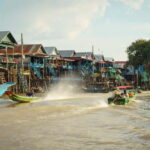
- Stop 1: Kampong Khleang floating village and stilted life up close
- Stop 2: your Tonle Sap lake cruise (and why the lake is more than a backdrop)
- Guide moments: how Lin and JB shaped the experience (and why you should care)
- Price and value at $60: what you get (and what you’ll still need to pay)
- Timing, weather, and what to wear for Tonle Sap water-level reality
- Who this tour fits best (and who should look elsewhere)
- Should you book Kampong Khleang and Tonle Sap now?
- FAQ
- How long is the Kampong Khleang and Tonle Sap half-day tour?
- Is this tour private, or will I share it with strangers?
- Do I get pickup from Siem Reap?
- What’s included in the $60 per person price?
- How much time do we spend at Kampong Khleang and on Tonle Sap?
- What happens if the weather isn’t good?
Key things I’d note before you go
- Private pickup and air-conditioned comfort: You’re not stuck lining up or crisscrossing town.
- Two hours in Kampong Khleang: Enough time to walk around stilted homes and understand daily routines.
- A Tonle Sap cruise with photo-worthy angles: You’ll be on the water, not just watching from shore.
- Guide stories that explain dry vs wet season life: Expect practical, human-scale history and how livelihoods work.
- UNESCO Biosphere Reserve context: The lake’s biodiversity and seasonal flooding make the trip feel bigger than it looks.
- Clear value at $60 with entrances and boat included: You pay once and don’t get nickel-and-dimed at every gate.
Kampong Khleang and Tonle Sap: what you’re really seeing
People often think floating villages are a single, static scene. They’re not. On Tonle Sap, life shifts with the seasons, because the lake’s water level and flow change dramatically when the monsoon arrives. The Mekong floods in the rainy months, reversing direction and swelling Tonle Sap into a seasonal floodplain. That seasonal change matters for fishing, for where people build, and for what you can view during your visit.
Kampong Khleang is one of the best-known areas around the lake to understand that rhythm. You’ll get a look at traditional stilted homes and the daily routines of families who live with the water, not around it. This is the part I like most: you’re not just sightseeing—you’re watching how a place works.
And then there’s Tonle Sap itself. It’s a UNESCO Biosphere Reserve and supports a lot of wildlife, including fish and migratory birds. Even if you’re not a hardcore bird spotter, the way your guide connects the ecology to daily life helps the whole half day feel purposeful.
You can also read our reviews of more tours and experiences in Siem Reap.
The Siem Reap drive: comfort, time on the road, and how it shapes your day
This is a half-day tour, so timing matters. The drive to Kampong Khleang takes about an hour total for the trip from Siem Reap and back. That’s a big deal because it keeps the day from feeling swallowed by transit.
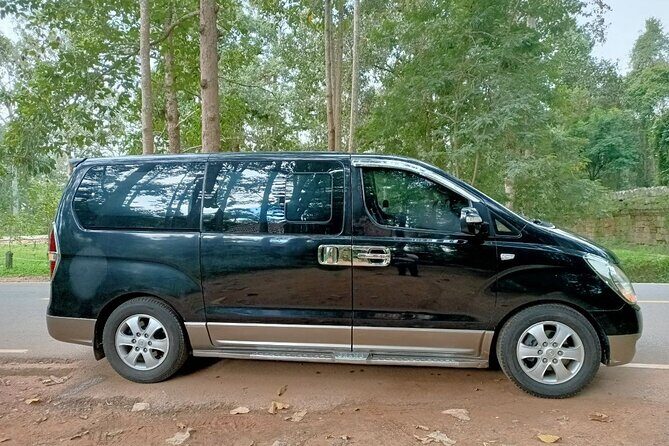
You’ll ride in an air-conditioned private vehicle, with pickup offered. That comfort is worth it in Cambodia’s heat, especially if you’re visiting during hotter months. Also, since the tour is private, you won’t be waiting on strangers to find their matching sandals or asking everyone to regroup after a restroom stop.
If you’re the kind of traveler who likes a clean schedule and less stress, this format is a win: you get the key stops without turning it into a full-day logistics puzzle.
Stop 1: Kampong Khleang floating village and stilted life up close
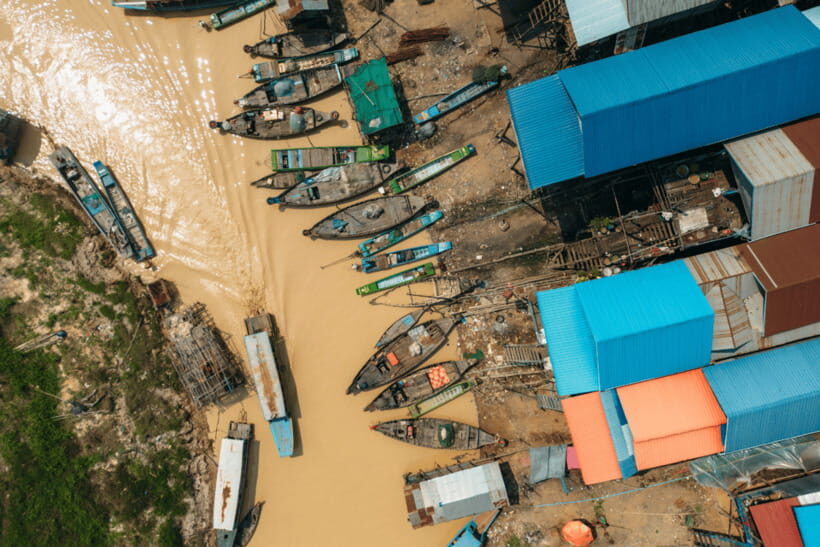
Your first stop is Kampong Khleang, and you’ll spend about 2 hours there. That’s enough time to do more than snap a few pictures and move on. You’ll have time to look at stilted houses, take in the layout, and observe how people live in a place where water level is part of everyday planning.
What makes this visit feel real is the focus on local stories. Your guide will explain how life can look different across dry and wet seasons—where daily activity may shift, how people adapt, and what living arrangements mean when the lake changes size. I find that kind of context turns the village from a visual experience into an understanding experience.
A couple practical notes for your own visit:
- Bring your camera, but plan for natural movement and bright reflections on the water.
- Wear shoes you don’t mind getting a little dusty. Village paths can be uneven, even when the walking is light.
You may also be routed through smaller roadside moments that larger group tours often skip. The point isn’t “hidden wonders.” It’s that you get more flexible viewing opportunities and a calmer feel along the way.
Stop 2: your Tonle Sap lake cruise (and why the lake is more than a backdrop)
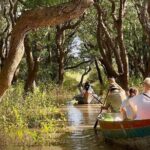
After Kampong Khleang, you’ll shift to Tonle Sap for a short cruise—about 30 minutes. This is the part where you get the water-level perspective. The tour’s highlight is the boat trip through the floating village area, and it’s exactly what you want if you’re chasing photos that feel different from the shore.
Tonle Sap isn’t just big. It’s dynamic. During the monsoon season, the Mekong floods reverse the lake’s flow and dramatically expand the floodplain. That’s why this lake supports so much life, including many fish species and migratory birds. Your guide should be able to connect those facts to everyday livelihoods, especially fishing, which is closely tied to seasonal water changes.
Even in a short cruise, the difference between land-view and water-view is huge. From the boat, stilted homes and mangrove edges look more layered, and you’ll likely notice details you’d miss from the dock.
Photo tip that actually helps: if your boat offers stable angles, shoot a few frames early for sharp composition, then switch to wider shots to capture the village-water-mangrove relationship. Those wider shots are the ones that usually feel most “you were there.”
Guide moments: how Lin and JB shaped the experience (and why you should care)
The tour lives or dies on the guide. And here, that matters because the area is easy to misunderstand if you only look at buildings. Good guides connect what you see to why it exists.
Two guide names come up: Lin and JB. One guide can make the dry vs wet season story feel practical—like you’re learning how families plan meals, work, and shelter around the lake’s changes. Another can bring extra warmth and clear answers to your questions, which is helpful when you’re curious about how people manage daily life in a floating environment.
What I’d look for in your own guide interaction:
- Ask how the lake changes across seasons and how that changes day-to-day routines.
- Ask what people do during different parts of the year for fishing and livelihood.
- Ask what outsiders commonly get wrong about floating villages.
Even if you don’t ask much, a strong guide will offer those explanations naturally. And that’s when the tour stops being just “a boat ride” and becomes a real cultural connection.
Price and value at $60: what you get (and what you’ll still need to pay)
At $60 per person, this is priced like a well-packed half day. What makes it feel fair is that key costs are handled upfront:
- Air-conditioned private vehicle
- Boat trip through the floating village and on Tonle Sap
- English-speaking guide
- All entrance fees and taxes
- Bottled water
That combination matters because floating-village tours can otherwise add small extras that creep up. Here, the big items are included, so you can budget with less stress.
What isn’t included is personal spending. That could mean snacks, drinks beyond the bottled water, tips, or souvenirs. If you’re the type who likes a cold drink mid-tour, it’s smart to plan a little extra cash.
One more value point: since it’s private, you’re paying for fewer people per vehicle. That can make the experience feel more personal without turning it into a full private-day price.
Timing, weather, and what to wear for Tonle Sap water-level reality
This experience requires good weather. That’s not just a safety thing; it also affects what the lake looks like and how comfortable you’ll be on the boat. If the weather turns, you should expect the operator to offer a different date or a full refund—so don’t panic, but do keep an eye on forecasts close to your day.
Tonle Sap’s biggest “variable” is water level. The lake swells in monsoon season, thanks to the reversed flow during floods. In the dry season, things can look more exposed and lower. That doesn’t mean one season is better for everyone—it means your expectations should match reality. Your guide can usually explain what you’re seeing and why it looks that way today.
What to wear:
- Light layers for the drive and walking
- Sun protection (hat/sunglasses)
- Shoes you can walk in comfortably
- A way to protect your phone/camera from splashes
And if you’re choosing between morning vs later in the day, consider light and crowd levels. Later-day light can flatter photos, and fewer boats can make the water feel calmer.
Who this tour fits best (and who should look elsewhere)
This tour fits best if you want:
- A short half day that still feels meaningful
- A private setup with pickup and an English guide
- Both culture (Kampong Khleang) and nature context (Tonle Sap)
- Boat time for better photos than you’d get from shore viewpoints only
It may not be the best match if you want lots of long walking, deep stops in many villages, or a full day of cruising. This one is built for efficiency: you get the key highlights, not a marathon.
It’s also a good option if you’re pairing it with other Siem Reap sights. In a travel plan full of temple time, this adds a different kind of Cambodia—one connected to water, livelihoods, and seasonal change.
Should you book Kampong Khleang and Tonle Sap now?
I’d book this tour if you want an easy, well-paced half day that explains what you’re seeing. The private vehicle, the included boat segment, and the way the guide connects the village to dry and wet season life are the big wins. At $60 with entrance fees and taxes handled, it’s also a clean value for what you get.
Skip it only if you’re chasing an all-day, do-everything itinerary. This is a focused experience. You come for Kampong Khleang, you come for Tonle Sap’s seasonal story, and you leave with a stronger sense of how people truly live with the lake.
If you’re flexible with dates and weather looks good, this is one of those “short but memorable” tours that fits the way most people actually travel in Siem Reap.
FAQ
How long is the Kampong Khleang and Tonle Sap half-day tour?
The tour is approximately 3 hours 30 minutes.
Is this tour private, or will I share it with strangers?
It’s a private tour/activity. Only your group will participate.
Do I get pickup from Siem Reap?
Yes, pickup is offered.
What’s included in the $60 per person price?
It includes an air-conditioned vehicle, a boat trip through the floating village and Tonle Sap, an English-speaking guide, all entrance fees and taxes, and bottled water.
How much time do we spend at Kampong Khleang and on Tonle Sap?
You spend about 2 hours at the floating village area (Stop 1) and about 30 minutes on the Tonle Sap lake cruise (Stop 2).
What happens if the weather isn’t good?
The experience requires good weather. If it’s canceled due to poor weather, you’ll be offered a different date or a full refund.