REVIEW · SIEM REAP
Explore Angkor Temple Sunset With Tour Guided
Book on GetYourGuide →Operated by Angkor Pro Travel · Bookable on GetYourGuide
Sunset at Angkor is a timing game. This guided day is built around getting you into the temples while the atmosphere is calmer, then moving through the big hitters: Angkor Wat, Angkor Thom, and Ta Prohm.
I especially like the way the guide turns stone into story, with Khmer culture and temple history explained in plain language. I also appreciate the pacing that includes a break and enough guided time to understand what you’re seeing, not just shuffle from photo spot to photo spot. One consideration: it’s a long day with several walking sections, and the Phnom Bakheng sunset option includes a hike.
You’ll start with a hotel pickup and get dropped in the temple area with an air-conditioned car or minivan. Once you’re there, the tour focuses on key sites and gives you context for the carvings, the religious symbolism, and the changes through time—so Angkor feels less like a checklist. Still, the day is long (7 hours), and sunset lighting can mean you’ll be outside for stretches without much indoor refuge.
In This Review
- Key Things I’d Watch for on This Angkor Sunset Tour
- A 7-Hour Temple Day With Real Guidance (Not Just Tickets)
- Angkor Wat After the Rush: Sunset Timing and Suryavarman II
- Entering Angkor Thom Through the South Gate’s Giant Faces
- Bayon’s Smiling Faces and the Terrace Stops You’ll Remember
- A Local Restaurant Break: Real Fuel Before Ta Prohm
- Ta Prohm’s Tree Roots: The Tomb Raider Look in Real Life
- Phnom Bakheng Sunset Option: The Hike You Choose
- Price, Tickets, and Value: What $25 Covers (and What It Doesn’t)
- Who This Angkor Sunset Tour Fits Best
- Should You Book This Guided Angkor Sunset Experience?
- FAQ
- What’s the starting time for pickup?
- How long is the tour?
- What’s the price and what’s included?
- Do I need an Angkor ticket?
- Which temples are visited?
- Is sunset included?
- Is the Phnom Bakheng sunset stop a hike?
- Will I get lunch?
- What language is the guide?
- Is there free cancellation?
Key Things I’d Watch for on This Angkor Sunset Tour
- Crowd-conscious rhythm that aims to let you enjoy Angkor Wat with fewer people around
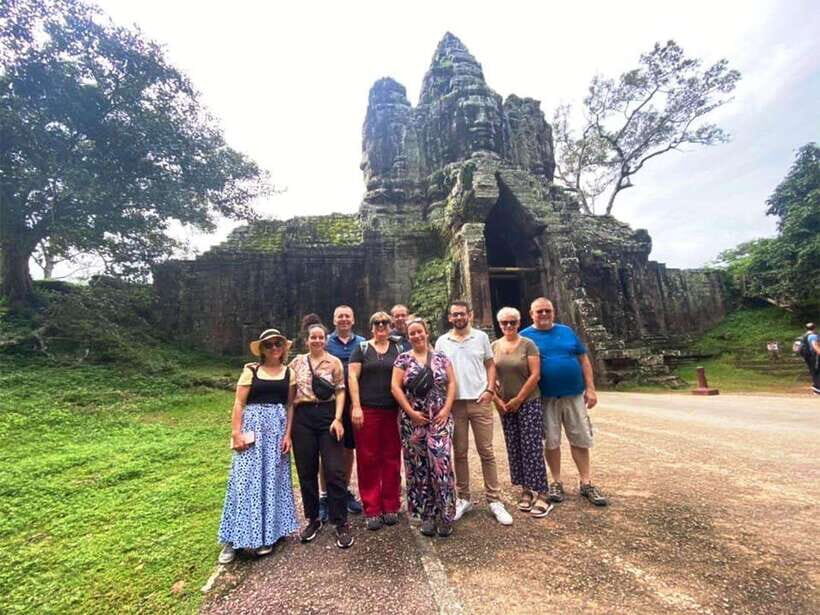
- South Gate of Angkor Thom on the route of the four giant faces tied to compassion, sympathy, equanimity, and charity
- Bayon’s 200+ smiling faces plus nearby landmark terraces like the Terrace of the Leper King and Terrace of the Elephant
- Ta Prohm tree roots where the Lara Croft Tomb Raider film look comes from
- Phnom Bakheng sunset hike if you want it, with an approx. 25–30 minute climb each way
- Local English-speaking guides with deep temple explanations, including guide examples like Vichu and Chaat Long
A 7-Hour Temple Day With Real Guidance (Not Just Tickets)
If you’re short on time in Siem Reap, this kind of structured temple route can be the difference between a fun day and a tiring blur. The big win here is that you’re not just buying access. You’re buying someone local who can point out what matters—religion, architecture, and Khmer history—while you’re walking through it.
The schedule starts at 8.00am with pickup from your hotel lobby. The driver holds a sign with your last name, and you’re asked to wait in the lobby about 10 minutes early. Then you ride into the Angkor area in an air-conditioned car/minivan (or a tuk-tuk if you request it). That matters because the temple grounds are spread out, and this tour keeps transitions organized.
Duration is 7 hours. That’s not a complaint—just a reality check. Angkor is big, and even with guided stops, you’ll be on your feet for multiple sections. If you prefer slow sightseeing with lots of pauses, you may feel it. If you like “see the main sites with context,” it’s a good match.
You can also read our reviews of more guided tours in Siem Reap
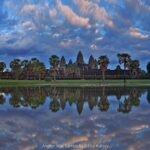
Angkor Wat After the Rush: Sunset Timing and Suryavarman II
Angkor Wat is the anchor, and the tour is set up to let you get there in a better mood than a pure midday sprint. You’ll have a guided visit at Angkor Wat with Sunset timing included. That’s where the day earns its name.
What you’re seeing here isn’t casual sightseeing. Angkor Wat was built by Suryavarman II in the 12th century, and it’s UNESCO-listed (1992). It’s also described as the world’s largest unrivaled monument, which is a mouthful—but the scale is real once you’re standing in the complex. The guide’s job is to connect that size to meaning: how the temple was designed, what the carvings communicate, and why this site became such a symbol for the Khmer Empire.
Practical upside: you get time with a guide while the light changes. You’ll be learning and looking at the same time, which makes the experience stick. Practical downside: sunset moments can make you feel a little rushed if you’re someone who likes to linger quietly. Still, the guided approach helps you know where to focus.
Entering Angkor Thom Through the South Gate’s Giant Faces

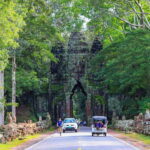
Next you head to Angkor Thom, and the route starts at the South Gate. This is a great introduction to the complex because it’s not random walking—you’re shown a main entrance and the symbolism right away.
At this gate, you’ll climb and walk on the structure with four giant faces. Each face is tied to religious concepts: compassion, sympathy, equanimity, and charity. Even if you only catch parts of the explanation, it gives you a framework for what you’ll see next. Angkor Thom isn’t just old stone. It’s a layout designed around beliefs and ideas about how power and spirituality were expressed.
You’ll also do a guided walk through the area that includes the next big stop: Bayon and nearby highlights. This is where guidance really pays off. Without context, it’s easy to admire the architecture but miss what specific parts are doing—who they’re honoring, what they’re communicating, and why the temple style looks the way it does.
Bayon’s Smiling Faces and the Terrace Stops You’ll Remember
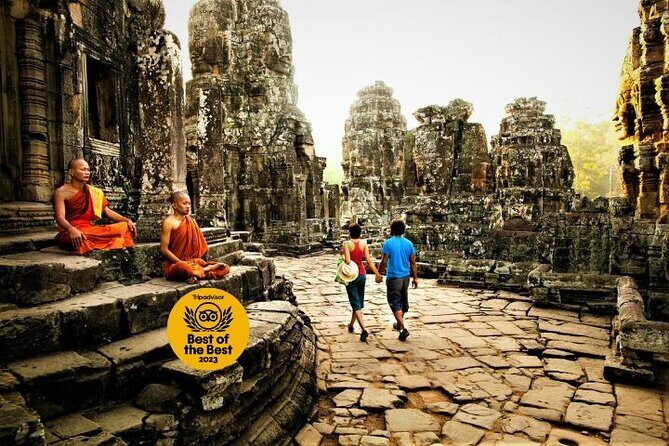
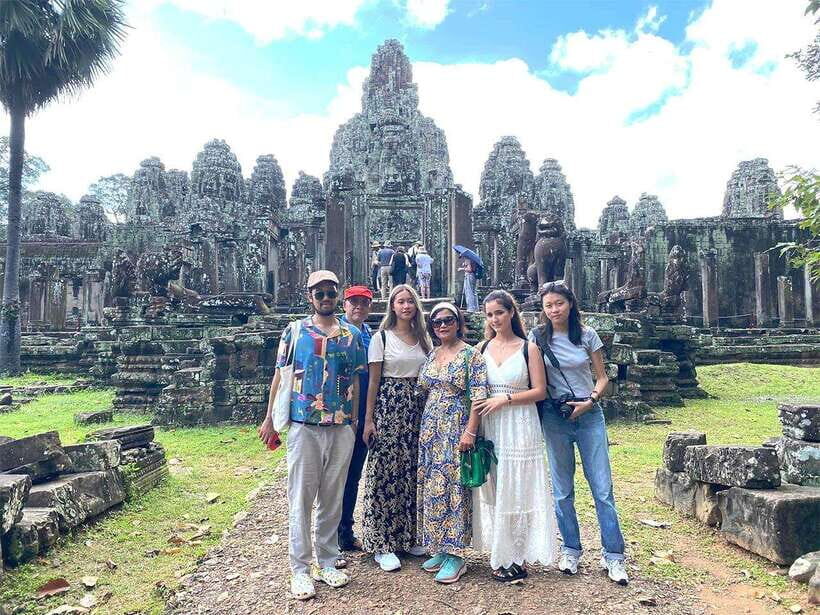
Bayon is the moment many people came for. The tour visits Bayon with a guided stop and walking time designed to let you actually see the details.
The key hook: Bayon is famous for more than 200 smiling faces carved into stone. It sounds like a statistic until you’re standing there and realize how different angles make the faces feel like they’re watching you back.
But Bayon isn’t the only reason the stop is worth it. The tour also points out nearby temples and terraces, including Baphuon, Phimeanakas, and terrace landmarks such as the Terrace of the Leper King and the Terrace of the Elephant. The guide’s explanations help these names feel connected rather than like trivia.
Why this works for you: these added stops fill the gaps between “wow” moments. You see how the complex thinks visually—how viewpoints, elevation, and carvings push you from one idea to the next. If you like photos, you’ll also get pointers on good angles. One guide experience from past bookings mentioned that Chaat Long knew the best photo spots and took plenty of photos for the group, which is the kind of practical help that saves time.
A Local Restaurant Break: Real Fuel Before Ta Prohm
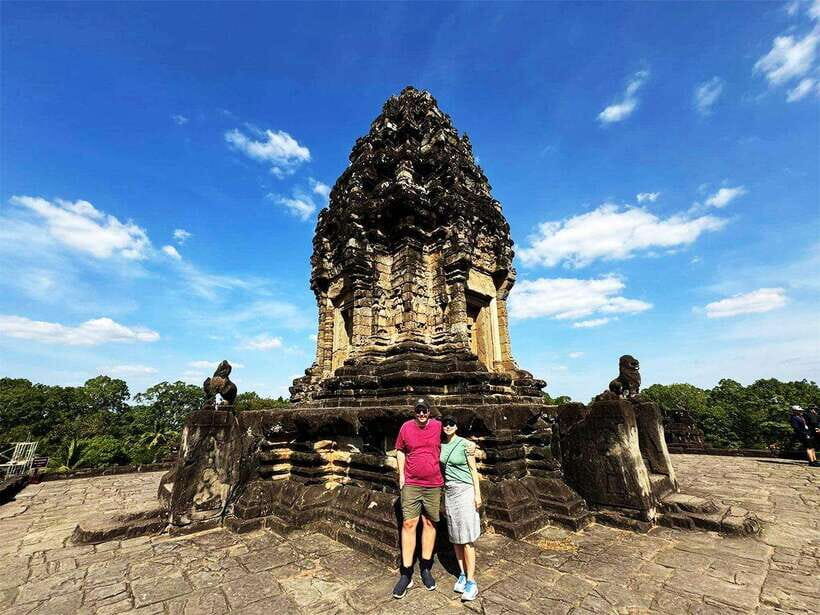
Between temple-heavy walking, you get a break at a local restaurant. The schedule gives you about 1 hour for this stop. Meals aren’t included, so you’ll need to pay for your own food and drinks, but the point is simple: you’re not left hanging with no plan.
This matters because the rest of the day includes more walking and later sunset-focused time. A tired body ruins the best monuments. This break is built in so you can recharge, use the bathroom, and reset your eyes before you move on.
You can also read our reviews of more evening experiences in Siem Reap



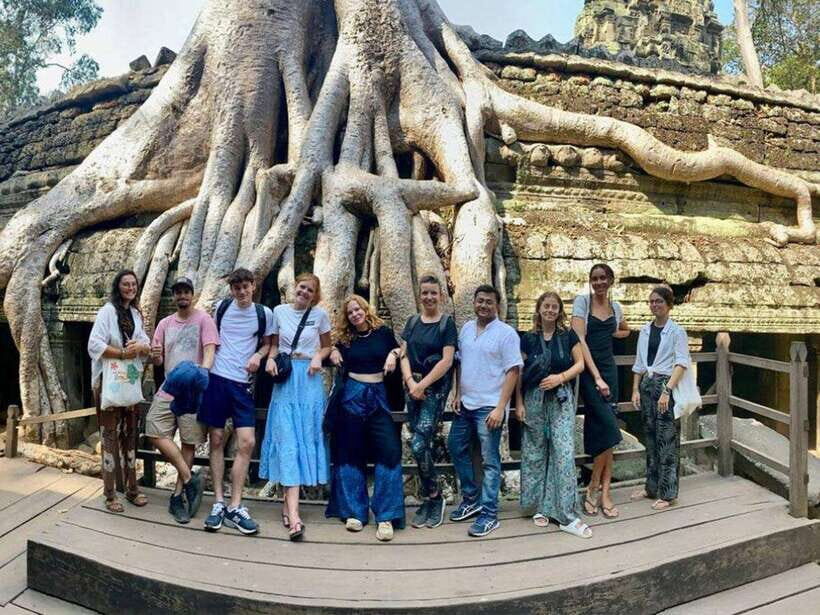
Ta Prohm’s Tree Roots: The Tomb Raider Look in Real Life
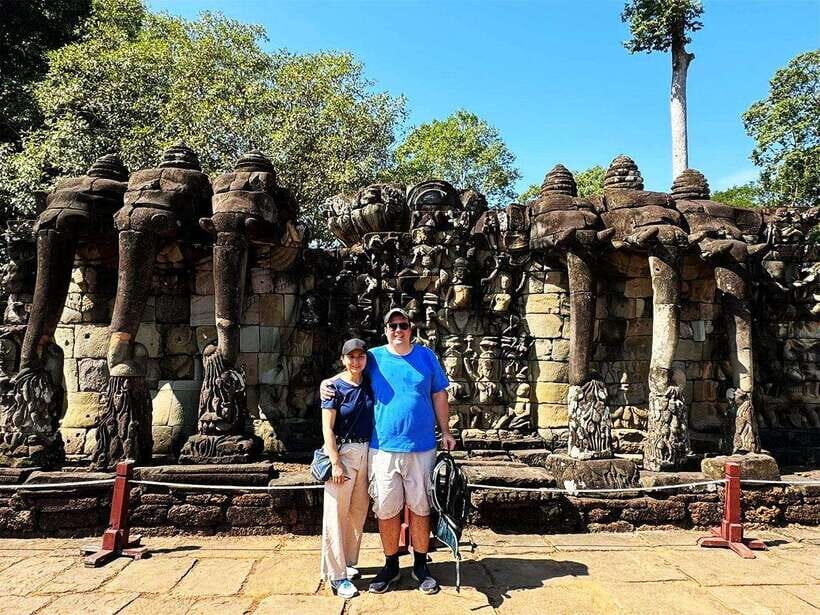
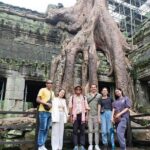
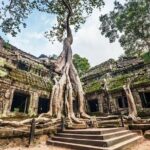
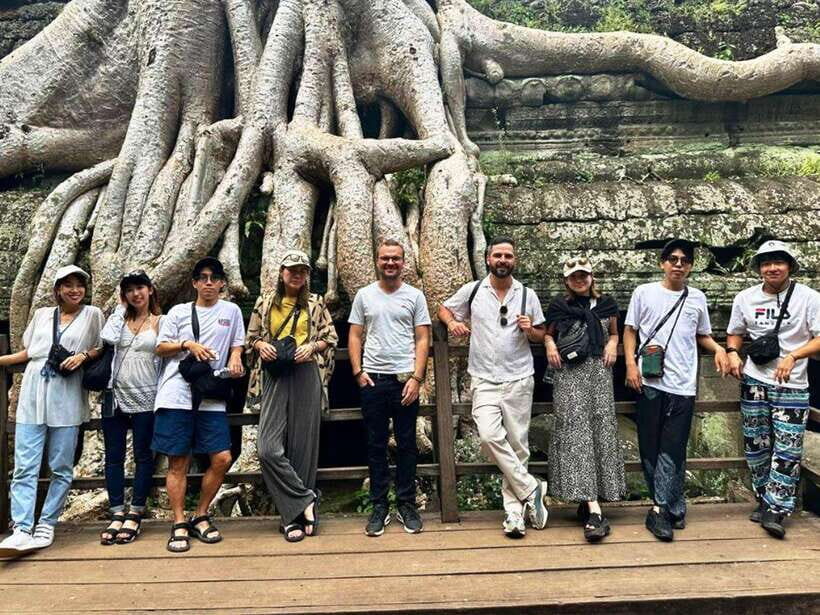
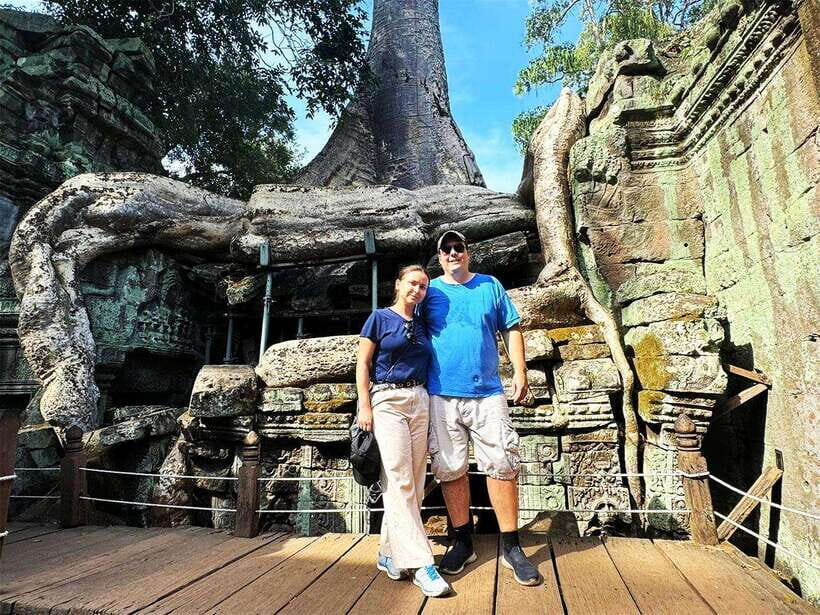
Ta Prohm is where Angkor starts feeling like a movie set—but not in a fake way. The tour includes a guided visit and walking time at Ta Prohm, with stunning tree roots that are part of why the site is so famous.
If you’ve seen Lara Croft Tomb Raider, you’ve already got a visual reference point. The tour notes that those dramatic roots are the kind of setting that was used in the film. Even if you’re not into the movie, Ta Prohm’s style hits a different note from the more symmetrical, formal look of Angkor Wat.
The tour schedule also lists a Sunrise element for this segment. Timing can affect how busy the area feels and how the light lands on stone and roots. Either way, this stop is worth slowing down for. It’s one thing to read descriptions of nature taking over ruins. It’s another to walk through and see how the roots and stone structure were always in dialogue.
If you’re hoping for “must-see photos,” this is one of the best stops on the route. Just keep your expectations realistic: Ta Prohm is popular, and it’s still a working tourist site. What you gain from this tour is guidance—where to focus and how to interpret what you’re seeing.
Phnom Bakheng Sunset Option: The Hike You Choose
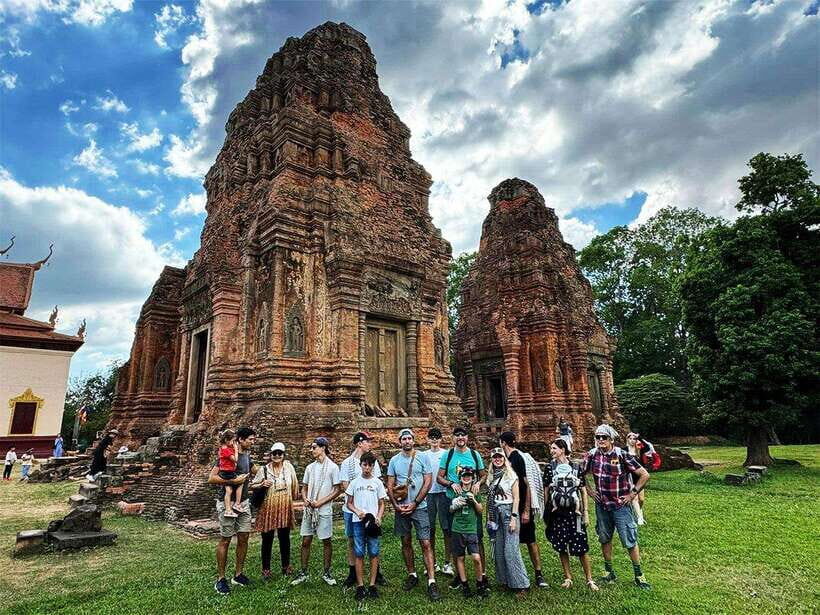
The day’s sunset highlight isn’t automatic for everyone—it’s an option. The note is clear: sunset is available at Phnom Bakheng, and you’ll need to talk with your guide to manage it for you.
If you go, you hike up the hill. The climb is approx. 25–30 minutes per way. That time estimate helps you plan your effort. The tour also warns it’s always touristy or you can skip it if you feel tired.
Is it worth it? Often, yes, because Phnom Bakheng sunset is one of those classic Angkor viewpoints. But your decision should be based on your legs and your patience for crowds. If you’ve already walked a lot that day, skipping can still leave you with a great Angkor experience—especially since the schedule already includes sunset timing at Angkor Wat.
Price, Tickets, and Value: What $25 Covers (and What It Doesn’t)
Let’s talk value straight. The price is $25 per person, and it includes:
- an experienced local English-speaking guide
- hotel pickup and drop-off in Siem Reap
- air-conditioned transport (or tuk-tuk on request)
- the sightseeing and tour activities per the program
- mineral bottled water and fresh wet tissues
What it does not include is the Angkor ticket, which is listed at $37/pax. Meals and drinks also aren’t included (there is a local restaurant break, but you’ll cover your own costs). You’ll also want to budget some tipping for the guide and driver, since that’s typical and noted.
So your rough baseline cost is $25 + $37, or about $62 before food. Is that a fair deal? For Angkor, yes—because you’re not just paying for entry. You’re paying for a guided route that covers major sites in one day and handles logistics from your hotel. If you can’t comfortably plan the temples and routes yourself, the guide turns your ticket into a guided day, not a stressful DIY scramble.
Also, the tour can run as private or small groups. Past bookings showed that group tours can sometimes become private when numbers are low, which is a bonus if you want quieter, more tailored explanations.
Who This Angkor Sunset Tour Fits Best
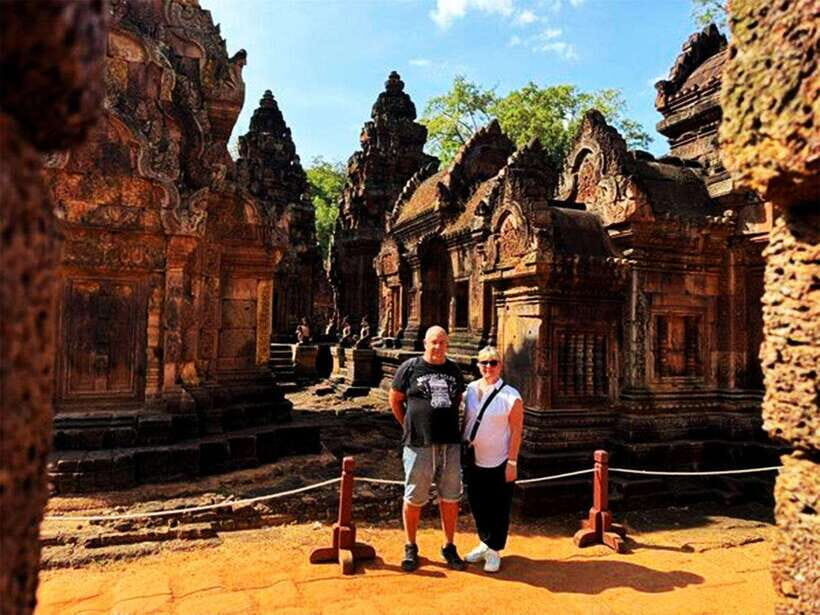
This is a strong fit if you want a structured Angkor highlights day without doing the hard planning. It’s also ideal if you like learning while you walk—because the guide explanations are a big part of the experience.
It’s especially good for:
- first-time Angkor visitors who want the main temples in a logical route
- people who care about Khmer culture and temple symbolism, not just selfies
- couples or small groups who enjoy guided context and practical photo help
It may not be best if you hate walking. The day includes multiple guided walks, plus a hike option at Phnom Bakheng. If you prefer to sit more often and move slower, you may feel pressured by the schedule.
Should You Book This Guided Angkor Sunset Experience?
I’d book it if you want Angkor Wat + Angkor Thom + Bayon + Ta Prohm in one organized day with an English-speaking local guide and air-conditioned transport. The best reason to choose it is the story focus—guides like Vichu and Chaat Long have a reputation for making Khmer culture and religious concepts easier to understand, including differences between Buddhism and Hinduism.
I’d think twice if you’re sensitive to long days or you’re unlikely to do the Phnom Bakheng hike. In that case, you can still enjoy the sunset timing built into the Angkor Wat portion, and you can skip the hill climb.
If your goal is a high-value, guided Angkor day that saves you planning time and helps you see the temples as more than landmarks, this tour makes sense.
FAQ
What’s the starting time for pickup?
Pickup starts at 8.00am from your hotel lobby. You should wait about 10 minutes before the scheduled pickup time, and the driver will have a sign with your last name.
How long is the tour?
The tour duration is 7 hours.
What’s the price and what’s included?
The tour price is $25 per person. Included are an experienced local English-speaking guide, hotel pickup and drop-off, air-conditioned transport (or tuk-tuk on request), guided activities, and mineral bottled water plus fresh wet tissues.
Do I need an Angkor ticket?
Yes. Angkor tickets are not included and cost $37 per person.
Which temples are visited?
You’ll visit Angkor Wat, Angkor Thom (including the South Gate area), Bayon, and Ta Prohm. There’s also a sunset option at Phnom Bakheng.
Is sunset included?
Sunset is included in the Angkor Wat portion of the day. Sunset at Phnom Bakheng can also be arranged by asking your guide, and there is no additional cost for sunset.
Is the Phnom Bakheng sunset stop a hike?
Yes. It involves hiking up an approx. 25–30 minutes per way climb. The tour notes it’s always touristy and you can skip it if you feel tired.
Will I get lunch?
There’s a local restaurant break of about 1 hour, but meals are not included in the tour price.
What language is the guide?
The guide is English-speaking.
Is there free cancellation?
Yes. Free cancellation is available up to 24 hours in advance for a full refund.