REVIEW · BENG MEALEA TOURS
Siem Reap: Kulen Mountain, Beng Mealea and Tonle Sap Tour
Book on GetYourGuide →Bookable on GetYourGuide
Siem Reap is better when it leaves Angkor. This day trip strings together Kulen Mountain’s holy hills, a waterfall picnic with swimming time, and the wild jungle ruin at Beng Mealea, then finishes with the lake’s stilt-house life and mangrove boat rides. Guides like Sam or Sareik (you may get a different one) tend to keep the day lively with clear explanations and practical stop-by-stop timing.
Two things I really like: the waterfall lunch setup (hot grilled food, seasonal fruits, and time to cool off) and the feel of real Cambodia outside the main temple circuit. If you like temples, you still get your dose at Beng Mealea, but it is the overgrown, walk-in-the-jungle quality that people rave about the most. One consideration: it is a long, walk-heavy day with uneven ground, and you should budget for extra entry passes on top of the $48 tour price.
In This Review
- Quick hits before you go
- Kulen Mountain and the waterfall that anchors the whole day
- Preah Dak and the small stop snacks that change your mindset
- Phnom Kulen National Park: Wat Preach Angthom, reclining Buddha, and the River of Thousand Lingas
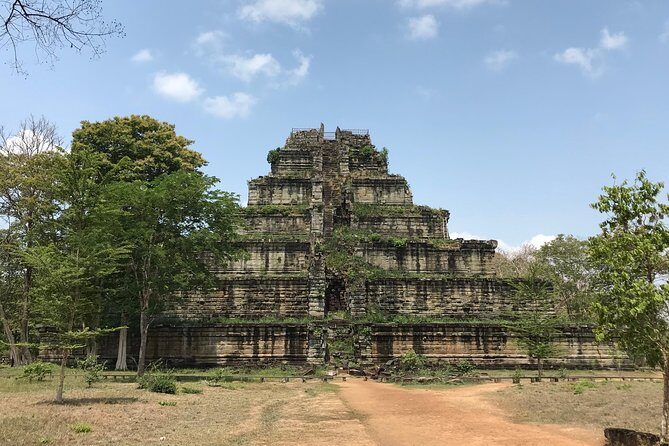
- Beng Mealea: the jungle-temple experience you can actually walk into
- Tonlé Sap and Kampong Phluk: stilt houses, mangroves, and sunset timing
- A Buddhist monastery on an artificial island: a calmer finish
- Price and passes: how to budget the real cost
- Transport comfort and the small kindnesses that make a long day easier
- What to pack, and how to dress so you do not get turned back
- Who should book this Kulen–Beng Mealea–Tonlé Sap day trip
- Should you book it
- FAQ
- How long is the tour?
- Is the price $48 all-inclusive?
- What extra tickets should I expect to pay at sites?
- If I have an Angkor pass, do I still need to buy the Beng Mealea ticket?
- What is included for food and is there a vegetarian option?
- Do I get time to swim?
- What should I wear?
- Is this tour suitable for children?
Quick hits before you go
- Kulen waterfall time with a picnic lunch and a chance to swim and refresh
- Beng Mealea in the jungle: 12th-century temple ruins after centuries of vines and moss
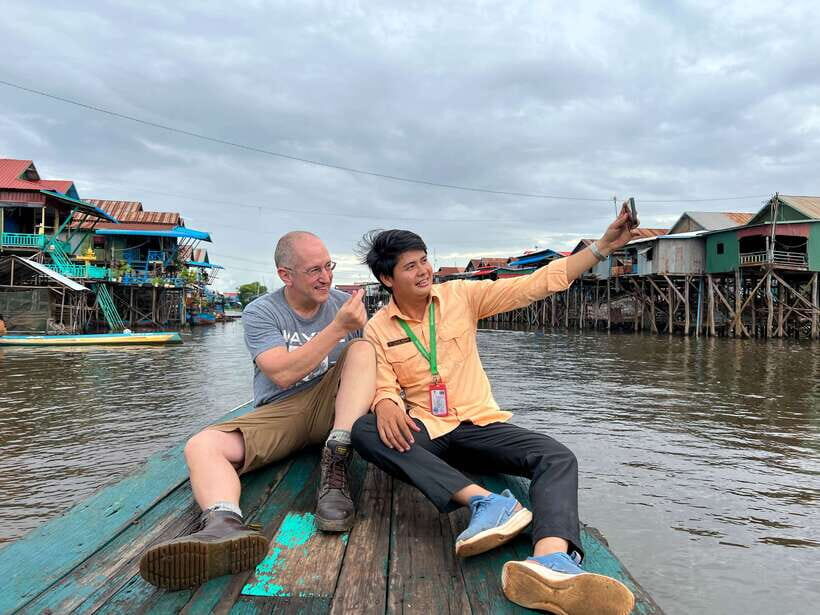
- Tonlé Sap floating village by boat, with stilt houses and mangrove wildlife like crab-eating macaques
- Palm cake and temple moments that break up the drive and add local texture to the day
- Comfort that matters: air-conditioned transport, unlimited bottled water, and frequent cold-towel resets reported by many groups
Kulen Mountain and the waterfall that anchors the whole day
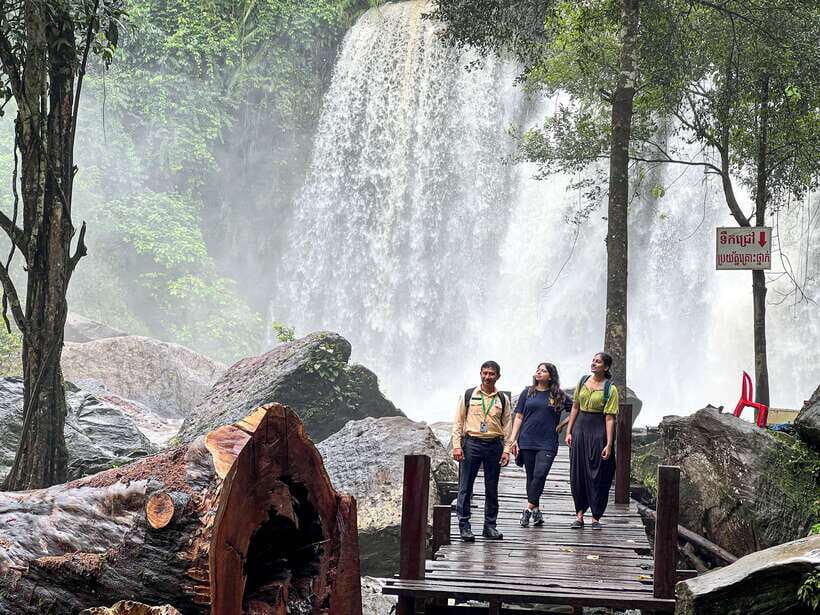
This tour works because Kulen Mountain sets the pace. You start with a morning pickup in Siem Reap and then roll out through rice paddies and village scenery. The day doesn’t just show you ruins; it gives you heat, humidity, and the rhythm of rural Cambodia, which makes the later stops feel less like checkboxes.
At Phnom Kulen National Park, you get guided context before you start walking the key viewpoints. The highlight for most people is the waterfall portion: you arrive, have your picnic lunch near the falls (grilled chicken plus seasonal fruits), and then you can swim. That swim time is not just a fun break. It also keeps the day humane when Beng Mealea and the lake village involve plenty of walking and sun.
Guides often manage the day so you are not sprinting from one place to the next. In multiple accounts, people appreciated the way the guide explains what you are seeing and keeps refreshing water ready. That matters when you are dealing with steep steps, uneven paths, and long travel stretches.
Preah Dak and the small stop snacks that change your mindset
Not every highlight is a temple. Early on, you make a short stop at Preah Dak with guided time and local snacks. It may not be the most famous location on a Siem Reap map, but it helps you get oriented to the day’s theme: sacred sites mixed with everyday life.
Next comes the Palm Cake Village stop. This is one of those tiny moments that makes the trip feel local instead of staged. You get to try palm cake and learn how the treat fits into daily food culture around Siem Reap. If your guide is in a sharing mood, you may also get small offerings like lotus flower moments for temple practice and simple keepsake-style gifts that add a personal touch.
These stops also do practical work. They break up the ride so you stay alert for the longer walks ahead, and they give you a quick taste of flavors before you hit the wetter, green, temple-and-jungle sections.
Phnom Kulen National Park: Wat Preach Angthom, reclining Buddha, and the River of Thousand Lingas
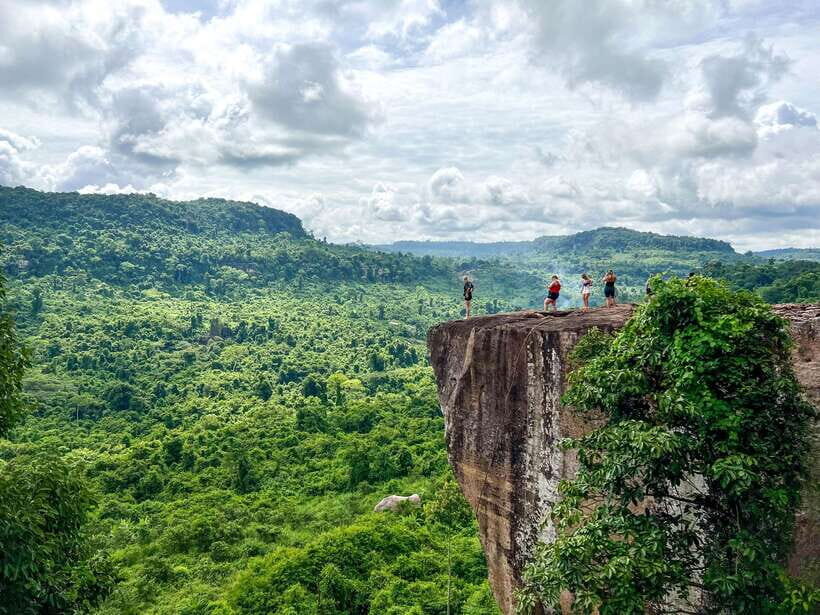
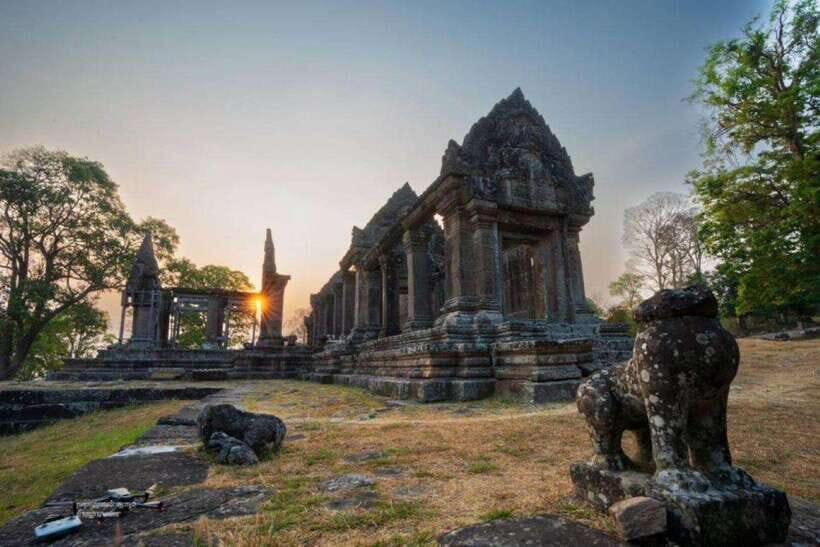
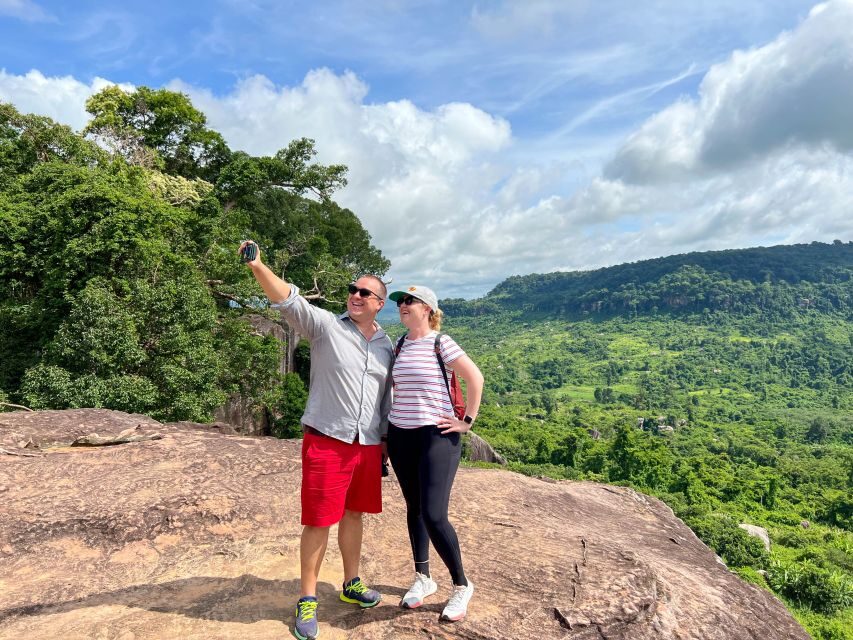
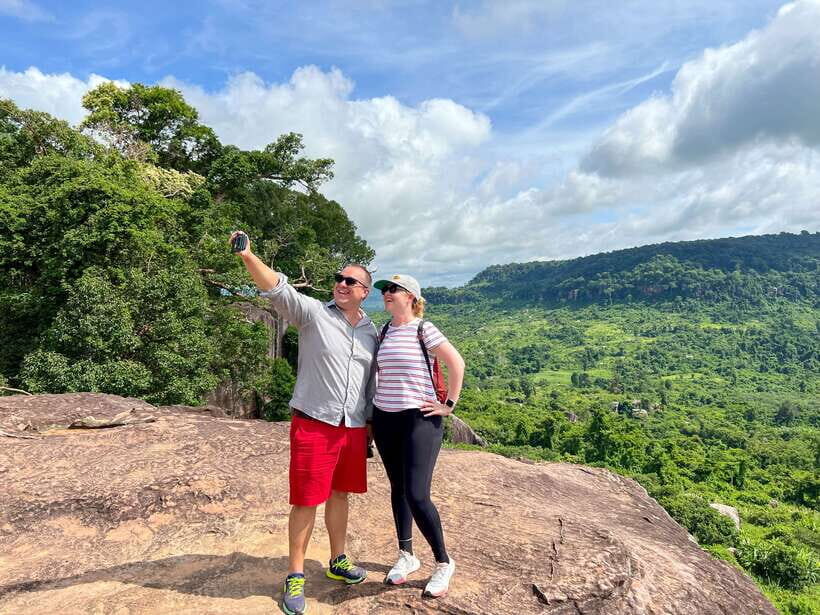
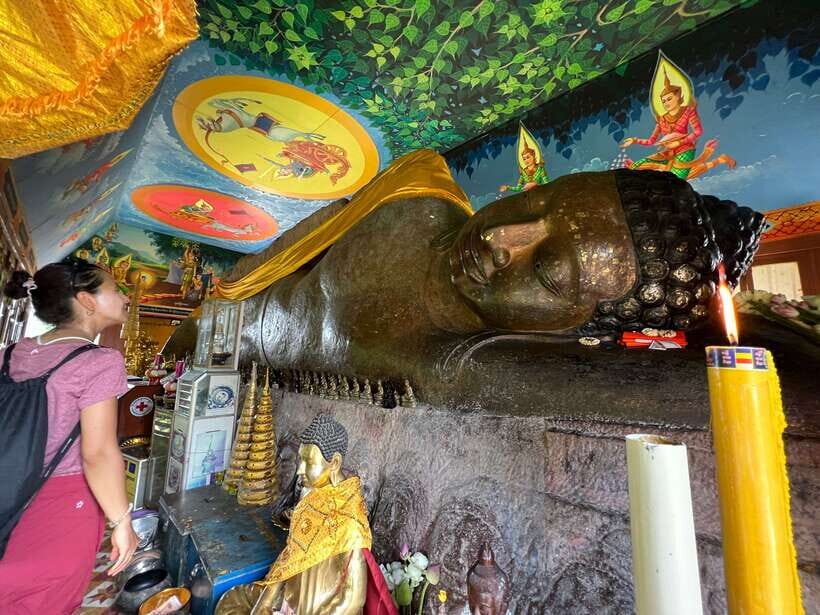
Once you are up on Phnom Kulen, you hit the sacred core of the mountain. The park includes Wat Preach Angthom, a reclining Buddha sculpture, and the River of Thousand Lingas area tied to the 802 AD tradition. You also get viewpoints along the way, including the cliff-style scenery at Poeng Ta Kho.
Here is how to think about these carvings and statues so you get something out of them:
- The lingas are a historic religious marker. Even if you are not a religion expert, the scale of the stonework helps you understand why people consider this place spiritually important, not just scenic.
- The reclining Buddha gives you a different kind of focus than Angkor’s main temple halls. It is more intimate, and the guide’s explanations can help you notice what you might otherwise miss.
One word of balance: the 1000 lingas section is not everyone’s favorite. A few people found it underwhelming compared with the waterfall or the jungle temples. That’s not a reason to skip the area, but it is a heads-up that your top moment might land elsewhere, especially at Beng Mealea.
Time wise, you still get a reasonable break and guided walks without feeling like you are constantly hustling. The key is your shoes and your pace. If you keep to the plan and listen for where the guide wants you to pause for photos or explanations, it flows well.
Beng Mealea: the jungle-temple experience you can actually walk into
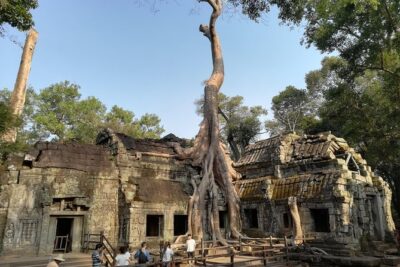
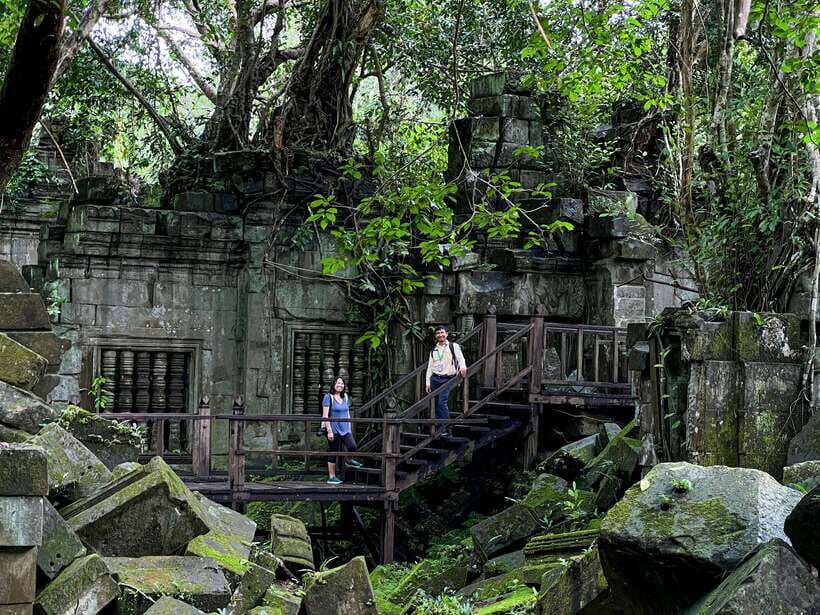
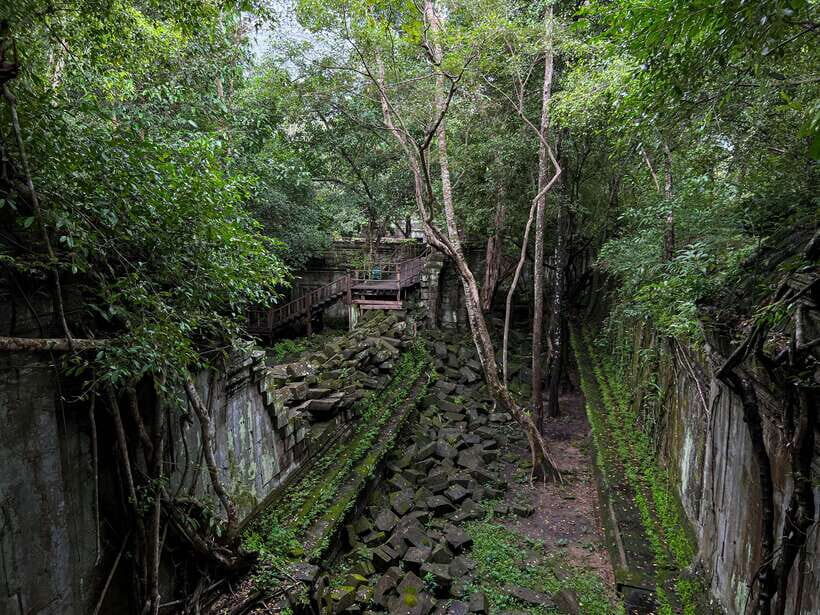
This is the stop that gives the day its mystery. Beng Mealea is from the Khmer period and has been overtaken by nature for centuries. What you are really seeing is a temple that looks like it has been waiting for you to notice the details: roots, moss, lianas, and the way mossy stones turn ruins into a kind of living labyrinth.
Many people say Beng Mealea is worth the detour on its own, and I get why. It feels different from restored Angkor structures. Here, you do not get a polished, museum-style scene. You get a ruin scale you can walk through, with shadows and jungle growth that make the place feel older than a timeline.
There is also a practical upside: the guide helps you understand what you are looking at as you move through the temple areas. That can make the walk feel purposeful instead of wandering. And because the site is overgrown, it is a good moment to slow down, breathe, and use your camera without feeling rushed.
The only caution is physical. Uneven ground and slippery moss happen. A few people also pointed out that Beng Mealea can be tiring, so if you have knee issues or limited mobility, go slow and consider whether you can handle long walks in heat.
Tonlé Sap and Kampong Phluk: stilt houses, mangroves, and sunset timing
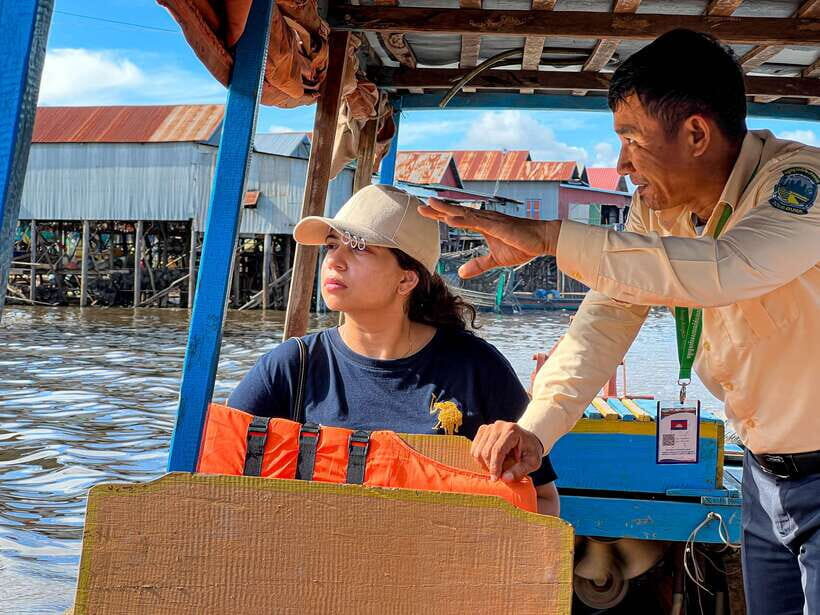
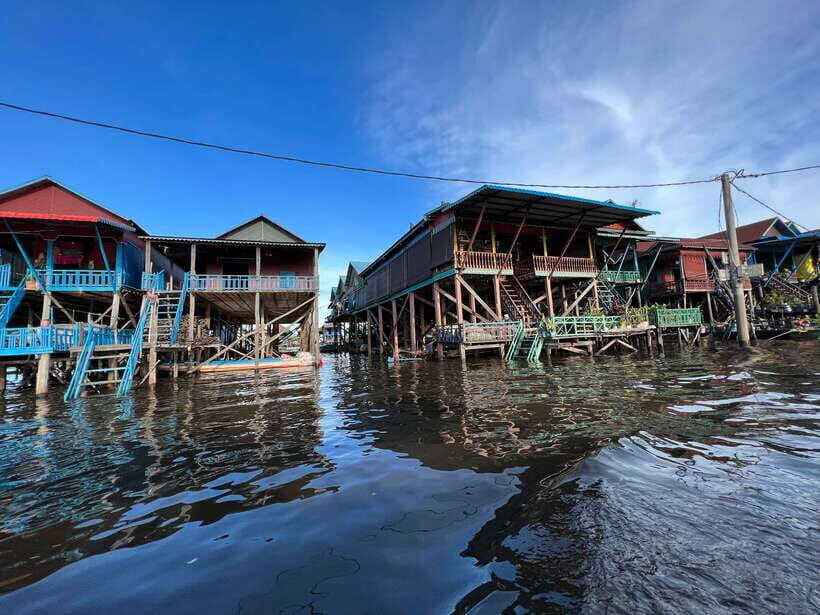
The day turns from stone and jungle into water and daily life at Kampong Phluk on Tonlé Sap. You get there by boat, which changes everything. It is one thing to look at water villages from shore, and another to glide through the flooded edges of the landscape and see houses built on stilts.
This part of Cambodia is about adaptation. You can see how families keep their homes above water during monsoon seasons. Many stilt houses sit in bright colors, and you get a sense of the day-to-day dependence on fishing and lake rhythms.
Wildlife is part of the boat experience too. The tour includes time on mangrove areas, and you may encounter animals such as crab-eating macaques during the boat ride. That detail adds a little extra reason to look around instead of staring only at the houses.
Timing is a big deal here. Several groups mention the lake segment is set up so you catch a sunset moment, which can turn a simple boat ride into the emotional payoff of the day. Even if you have seen other lake areas before, the combination of stilt village life plus mangrove cruising feels distinct.
One more reality check: modern conditions mean the village setup may not look exactly like older photos you might know. Still, the experience of seeing how people live on the water remains strong.
A Buddhist monastery on an artificial island: a calmer finish
Toward the end, you visit a Buddhist monastery on an artificial island. This stop works as a reset after temple chaos and jungle walking. It is a chance to slow down, watch how people practice, and connect the day’s spiritual sites to living communities.
The guide’s explanations can help here, especially if they talk about how beliefs show up in daily routines, not only in major monuments. Even if you are not visiting for religious reasons, this is where the tour feels human and grounded again.
Then you start the ride back to Siem Reap. Many groups report arriving around the evening, and the late-day finish at the lake village helps it feel worth the full-day time commitment.
Price and passes: how to budget the real cost
The tour price starts at $48 per person, and that includes the heavy logistics: hotel pickup and drop-off, air-conditioned transport, an English-speaking guide, unlimited bottled water, plus a picnic lunch (vegetarian option if requested ahead) and seasonal fruits.
But the main temple and park access fees are not included. Plan on paying extra for:
- Kulen Mountain pass: $20 per person
- Beng Mealea pass: $10 per person, or use a valid Angkor pass
- Tonlé Sap Lake pass with a boat ride: $15 per person
So if you do not already have the right pass, your all-in day can climb fast. That said, the value comes from doing three very different regions in one managed day, with a guide who keeps you moving and helps you understand what you are seeing.
If you already hold a valid Angkor pass, you can often reduce the Beng Mealea ticket cost. If you do not want to pay extra for the Beng Mealea pass, the tour provides an option to wait outside with the driver for the rest of the group.
Bottom line: budget the passes up front. If you do, this becomes a solid deal for a full-day program that includes transport, guide time, and food.
Transport comfort and the small kindnesses that make a long day easier
Transport tends to be a strong point. Many accounts mention air-conditioned minivans or minibuses, spacious seating, and even WiFi in some vehicles. You also get unlimited bottled water during the excursion.
The small comfort touches are what people remember: cold towels at stops, snacks, and the way the guide and driver keep the schedule moving without feeling cold about it. Some groups noted cold-towel moments described as refreshing resets in Cambodian heat, which can make a real difference once you are walking in sun.
In terms of people, the guide is a major factor. You may get a guide like Sam, Sareik, Dara, Jan, Seila, or other English speakers depending on the schedule, but the common thread is they usually explain the sites and answer questions in a friendly way. Drivers like Moon and Theara are repeatedly praised for careful driving and keeping the ride comfortable.
What to pack, and how to dress so you do not get turned back
This is where you can save time and hassle. The tour asks for covered knees and shoulders. That means no shorts and no sleeveless shirts.
Bring:
- sunglasses
- sunscreen
- insect repellent
- a camera (obviously, because the lighting changes fast)
- a towel
For the waterfall swim, bring a swimming suit or at least a towel. There may be changing room setups for a small charge, so having a towel handy keeps things smooth.
Also note that the guide will likely manage you in heat. Plan to drink water often and pace yourself on the steps.
Who should book this Kulen–Beng Mealea–Tonlé Sap day trip
This works best if you want variety in one day: mountain sacred sites, jungle ruin walking, and lake life by boat. If you are short on time in Siem Reap, this is also a strong option compared with trying to assemble everything alone.
You might skip or reconsider if:
- You are sensitive to uneven ground and lots of steps
- You prefer only fully restored temple areas
- You do not want to pay additional entry passes beyond the base tour cost
If you do have the right expectations, the day feels like a guided map of the wider Siem Reap region instead of only the Angkor headline acts.
Should you book it
I think you should book this tour if you want real texture to your Cambodia day: a mountain waterfall swim, the sense of Beng Mealea as a temple reclaimed by nature, and Kampong Phluk as a living water community. The price looks reasonable until you add passes, but those passes are tied to the big experiences, not add-ons.
Book it with confidence if you like guides who keep you informed and a plan that ends with sunset timing on Tonlé Sap. And if you want one practical tip: bring the right clothing and a towel. It is the kind of day where small preparation turns into a smoother, happier experience.
FAQ
How long is the tour?
It runs about 10 hours, from morning pickup to your return to Siem Reap in the evening.
Is the price $48 all-inclusive?
No. The $48 covers the guided tour and included items, but admission passes for Kulen Mountain, Beng Mealea, and Tonlé Sap are not included.
What extra tickets should I expect to pay at sites?
Kulen Mountain pass is $20 per person. Beng Mealea pass is $10 per person (or you can use a valid Angkor pass). Tonlé Sap Lake pass with a boat ride is $15 per person.
If I have an Angkor pass, do I still need to buy the Beng Mealea ticket?
You may be able to use your valid Angkor pass for Beng Mealea. If not, you would need to pay the Beng Mealea pass fee.
What is included for food and is there a vegetarian option?
A picnic lunch is included, with a vegetarian option available if requested in advance. Seasonal fruits are also included. The vegetarian option is not vegan.
Do I get time to swim?
Yes. There is swimming time at the Kulen waterfall, and you should bring a towel or swimming suit.
What should I wear?
You should cover your knees and shoulders. Shorts and sleeveless shirts are not allowed.
Is this tour suitable for children?
Children under 10 are not suitable for the small-group tour option.