REVIEW · SIEM REAP
City Tour & Cooking Class
Book on Viator →Operated by Easy Angkor Trip · Bookable on Viator
A day that feeds both mind and stomach. This tour mixes city sights with a hands-on market-to-pot cooking class, often in a local, home-style setting with small-group attention. I like that you also get a guided arc through Siem Reap beyond the temple headlines, with stops like Wat Thmey and the Old Market. One thing to plan for: key sights have extra entry fees, notably the National Museum and Wat Thmey.
Two parts make it especially fun and practical: an English-speaking guide who ties the stories together, and a real cooking class with the meal included (not just a demo). Guides you might meet, like Kosorl or Mr. K, are described as friendly and willing to talk about food, daily life, and even bigger questions beyond dinner. Still, because it’s 3 to 5 hours on the move, it’s best for you if you can handle some walking and heat.
In This Review
- Key moments worth your attention
- A half-day city tour that ends in your own cooking bowl
- Price and what your $40 actually covers
- Wat Thmey Killing Fields: historical weight with guided context
- Psar Chaa Old Market: the everyday Cambodia stop you’ll remember
- Angkor National Museum: the timeline that makes temple visits click
- Wat Preah Prom Rath: Buddha Hall stories you can actually follow
- The cooking class: from ingredient picking to fish amok and beyond
- What you should do to enjoy the cooking more
- Is this tour for you? A quick fit check
- Should you book this Siem Reap cooking and city tour?
- FAQ
- FAQ
- How long is the tour?
- What’s included in the price?
- Are admission fees included?
- Where does the tour start?
- Is it a private tour?
- What kind of cooking experience is it?
- What’s the cancellation policy?
Key moments worth your attention
- Wat Thmey (Killing Fields) with a clear, guided look at the Khmer Rouge era
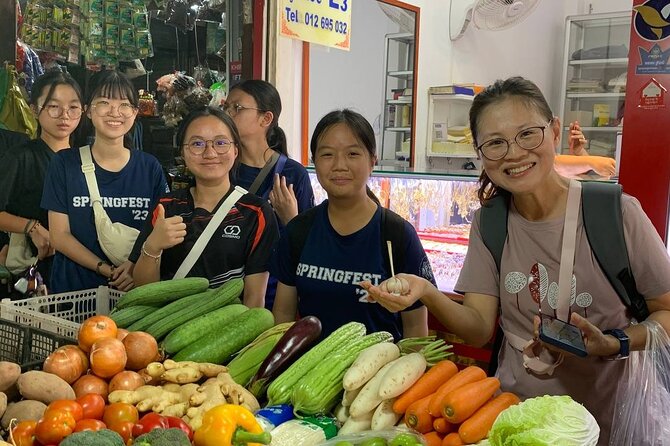
- Psar Chaa (Old Market) for fresh produce, flowers, and Khmer sweets before class
- Angkor National Museum to place Angkor in a broader timeline (before, during, after)
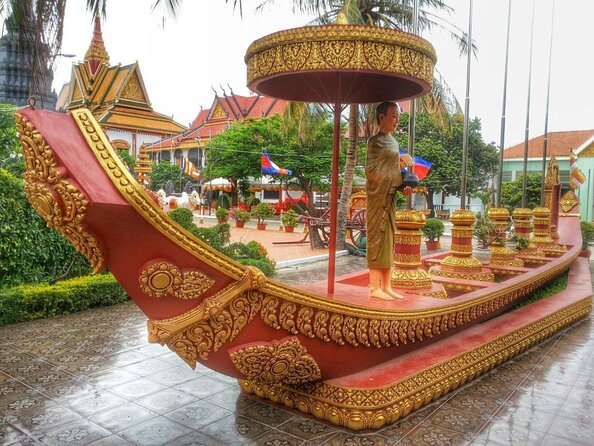
- Wat Preah Prom Rath and its Buddha Hall wall scenes explained by your guide
- Hands-on Khmer cooking that starts with shopping and ends with eating what you make
A half-day city tour that ends in your own cooking bowl
This is the kind of Siem Reap experience that makes the day feel full without turning into a long temple slog. You start with meaningful history and local life, then shift into something warm, aromatic, and very hands-on. The flow matters: you’re not just looking at Cambodia from the outside—you’re learning how culture and ingredients connect.
The cooking part is the heart of the value. You’re there to learn actual techniques and Khmer flavors, not just watch someone else work. And you get that classic “buy it, cook it, eat it” rhythm, usually after selecting ingredients with your chef/instructor.
The best part for you, if you like practical travel, is that the day has built-in payoffs. Even if one stop feels heavy (Wat Thmey does), the rest of the route gives you context and breathing room. Then the meal brings it back to normal human joy: food you helped make.
You can also read our reviews of more tours and experiences in Siem Reap.

Price and what your $40 actually covers
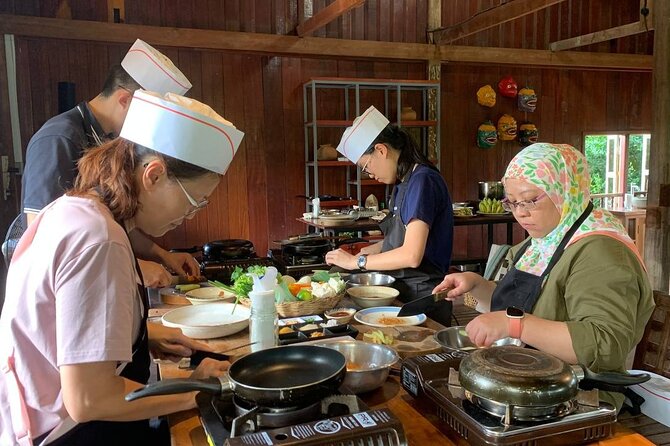
At $40 per person, this tour is priced like a value play—especially because it includes more than sightseeing. You’re getting:
- Pickup and drop-off
- English-speaking tour guide
- Cooking class and meal
- Cold drinking water
What’s not included is important to calculate before you book. You’ll have extra entry fees for:
- Angkor National Museum: $12 per person
- Wat Thmey Killing Fields: $4 per person
So, if you plan to see both paid sites, you should budget $16 more per person. That pushes the effective cost to about $56 total, but it still compares well to paying separately for a guide plus a proper cooking class plus transportation.
Also note this is set up as a private tour/activity for your group, so you’re not squeezed into someone else’s plans. That usually makes the guide more responsive and keeps the pacing from feeling like a factory line.
Wat Thmey Killing Fields: historical weight with guided context
Wat Thmey (often tied to the Killing Fields) is one of those stops where you go in expecting emotion and you come out with a clearer sense of what happened. The tour frames it as Siem Reap’s Killing Field connected to the Khmer Rouge / Pol Pot regime (1975–1979), when people were forced into brutal conditions and many city dwellers were targeted.
Your guide’s role is key here. This isn’t the kind of place where you’ll get the most out of it just by wandering and reading a plaque. A good guide helps you connect the facts to what you’re seeing, so you leave with understanding instead of only heaviness.
Practical note: Wat Thmey is 1 hour, and the $4 admission fee is not included. If you’re the type who likes to keep surprise costs low, bring small bills for it ahead of time.
Psar Chaa Old Market: the everyday Cambodia stop you’ll remember
After the heavier start, Psar Chaa (Old Market) feels like a reset you can taste. This is a local market that covers everything from fruit and vegetables to flowers and the sweet stuff. You’ll see the kind of daily shopping rhythm that tourists often skip when they focus only on temples.
What makes this stop useful for you is that it supports the cooking later. Markets are where flavors are chosen, not guessed. Even if you don’t buy anything, seeing what’s available—and what looks freshest—makes the cooking class feel grounded.
This stop is free and runs about 1 hour. It’s a good moment to slow down, take in the colors, and notice the ingredients that will show up again when you’re cooking.
A small tip: if you’re sensitive to strong smells or crowds, decide where you’ll stand and take photos quickly. Markets can be busy, and you’ll enjoy the cooking class more if you don’t get overwhelmed here.
Angkor National Museum: the timeline that makes temple visits click
Many people see Angkor Wat and only catch a few angles of the story. The Angkor National Museum helps you get the big picture first, and it’s scheduled for about 1 hour.
You’ll see an artifact collection that tells history through the periods:
- before the Khmer Empire
- during the Khmer Empire
- after
Why this matters: when you later look at temple carvings or styles, you’ll have a mental reference for what you’re seeing. Even a brief museum visit can make the rest of the day feel more intelligent, not just scenic.
This is one of the two paid stops. The $12 museum admission fee is not included, so plan for that. If you’re traveling with limited time, you can still treat the museum as a “choose your own focus” visit: look for the sections your guide points out and don’t try to read everything cover to cover.
Wat Preah Prom Rath: Buddha Hall stories you can actually follow
Wat Preah Prom Rath is centrally located, just north of the Old Market and Pub Street area. It’s a calmer stop compared with markets and museums, and it lasts about 1 hour.
What you’ll get here is guidance on what you’re seeing, especially around the Buddha Hall and the wall paintings. Your guide can explain the stories behind what’s painted, which is where many temple visits become more rewarding—when the art turns into meaning instead of just color.
This stop is free, so it’s also a nice balance after the paid museum.
If you’re visiting in hotter hours, go into this one with a strategy: take shade when you can, keep your water close (you’ll have some included), and let the explanations set the pace.
The cooking class: from ingredient picking to fish amok and beyond
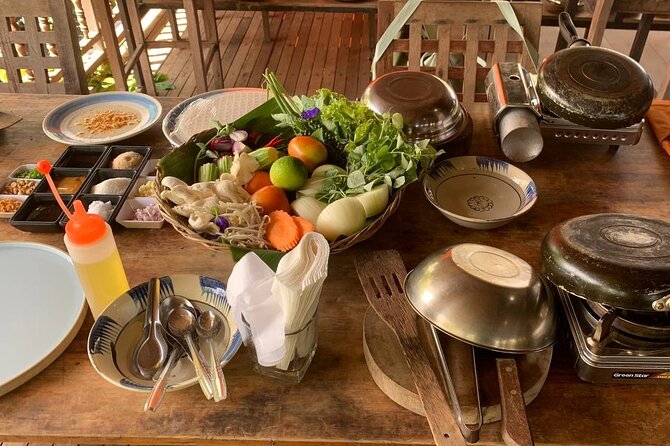
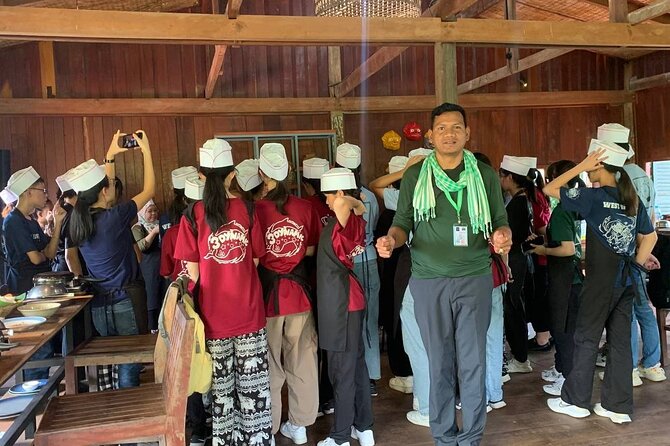
This is where the day turns into a personal win. The tour’s cooking experience is described as a Khmer cooking class with a chef/instructor, and it usually follows a familiar and smart structure:
- Visit a local market to select ingredients
- Cook traditional Khmer food in a hands-on class
- Eat what you cook
The market step is more than a nice photo moment. It teaches you how Khmer cooking starts: with fresh herbs, aromatic spices, and the right balance for Khmer dishes. It also helps you understand why ingredients matter in a way you can’t get from a list of recipes.
In the hands-on class, you’ll be guided through making Khmer dishes. Fish amok comes up in the experience, which is a great sign because it’s not a simple “throw ingredients together” dish. Learning it (or at least the process behind it) gives you a real technique you can recognize later in restaurants.
You also get a meal included, so you’re not left hungry after a lesson. This is one of the best parts for value: your payment turns into both a cultural experience and actual food.
What you should do to enjoy the cooking more
- Keep an open mind about ingredients you might not name easily.
- Ask your guide how the flavors are built. You’ll remember the logic later.
- Wear something you can move in. Cooking hands-on work often means leaning forward and getting flour or sauce on you, even if it’s not chaotic.
Is this tour for you? A quick fit check
This works well if you want three things in one day:
- History and culture in a guided, readable format
- Local life through a real market stop
- A hands-on cooking class where you actually eat what you make
It’s also a good fit if you like small-group attention. The experience is run as a private activity for your group, which usually keeps things flexible.
You might want to think twice if:
- You dislike paying extra entry fees on the day (the museum and Wat Thmey add up).
- You want something purely light and casual. Wat Thmey can be emotionally intense.
- You’re trying to fit in a lot of extra stops after, since the day is about 3 to 5 hours and it’s an active route.
Should you book this Siem Reap cooking and city tour?
Yes, if you like the idea of pairing meaningful stops with a real skill you take home—how to approach Khmer cooking, not just what to eat. The $40 price is a solid entry point because pickup, an English guide, and the cooking class plus meal are included. Just be ready to budget the $12 museum and $4 Killing Fields admissions.
I also like that the day isn’t only temples. You get a balance of places that teach you different kinds of context: historical facts at Wat Thmey, everyday shopping at Psar Chaa, a timeline at the museum, and spiritual storytelling at Wat Preah Prom Rath. Then you end with food you made yourself, which makes the whole trip feel more personal than a quick sightseeing circuit.
FAQ
FAQ
How long is the tour?
The tour runs about 3 to 5 hours.
What’s included in the price?
The price includes an English-speaking tour guide, pickup and drop-off, the cooking class and meal, and cold drinking water.
Are admission fees included?
No. Angkor National Museum costs $12 per person, and Wat Thmey Killing Field costs $4 per person. Other stops listed are free.
Where does the tour start?
You get pickup and drop-off, and the experience is in Siem Reap, Cambodia.
Is it a private tour?
Yes. It’s listed as a private tour/activity, meaning only your group participates.
What kind of cooking experience is it?
It’s a hands-on Khmer cooking class. The plan includes a local market visit to select ingredients, then cooking traditional Khmer food and eating the meal.
What’s the cancellation policy?
You can cancel for a full refund up to 24 hours before the experience starts. If you cancel less than 24 hours before, the amount paid is not refunded.