REVIEW · SIEM REAP
Bantey Srei, Kbal Spean and Landmine museum Private Tuk-Tuk
Book on GetYourGuide →Operated by Angkor Wat Combine Tours · Bookable on GetYourGuide
Three stops, one smart day.
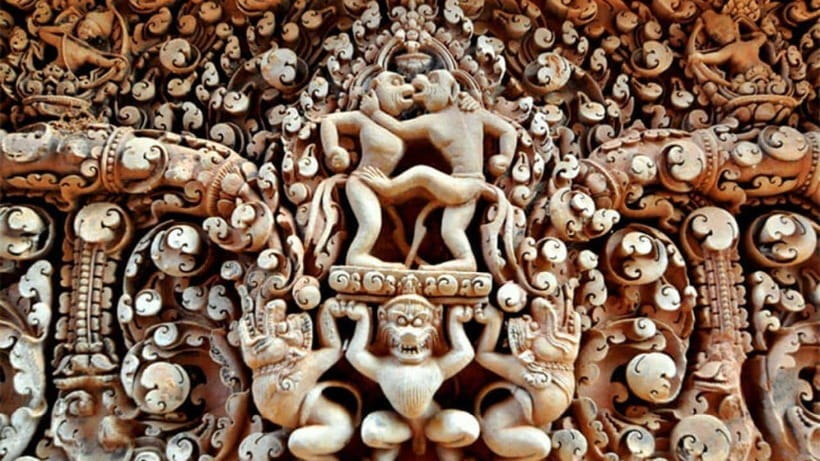
This private tuk-tuk route is a good way to get out past the usual Angkor circuit and still come home with a packed day. I especially like the chance to see Banteay Srei up close, with some of the most intricate temple carving in Cambodia, in a temple often called the Pink Lady.
The second highlight for me is the Kbal Spean visit, because it’s not just ruins on a map—it’s a jungle walk to a carved riverbed. One consideration: temple entry fees aren’t included (so bring cash), and Kbal Spean has a practical cutoff in the afternoon, so plan to start early.
In This Review
- Key Things I’d Plan Around
- Getting Out of Siem Reap: The Convenience of Private Tuk-Tuk
- Banteay Srei (The Pink Lady): Small Temple, Big Carving Focus
- Practical tips for Banteay Srei
- Kbal Spean: The Jungle Hike to a Carved Riverbed
- The hike is short, but you still need to be ready
- Timing note: the afternoon cutoff is real
- What to expect at the carvings
- The Landmine Museum: Sobering, Necessary, and Human
- What makes this stop worth your time
- How the 6 Hours Feel: Pace, Comfort, and Flexibility
- Comfort level
- Water
- Price and Value: What You Pay, What You Still Need to Budget
- Who This Trip Suits Best
- Should You Book This Private Tuk-Tuk Day Trip?
- FAQ
- How long is the tour?
- Where does pickup happen?
- Is this a private tour?
- What’s included in the price?
- What isn’t included?
- Is there an English-speaking driver?
Key Things I’d Plan Around
- Banteay Srei is about carving detail more than size, and it’s older than Angkor Wat
- Kbal Spean rewards walking: expect a short jungle hike through woods to reach the carvings
- Timing matters at Kbal Spean since access stops in the afternoon (plan earlier if you can)
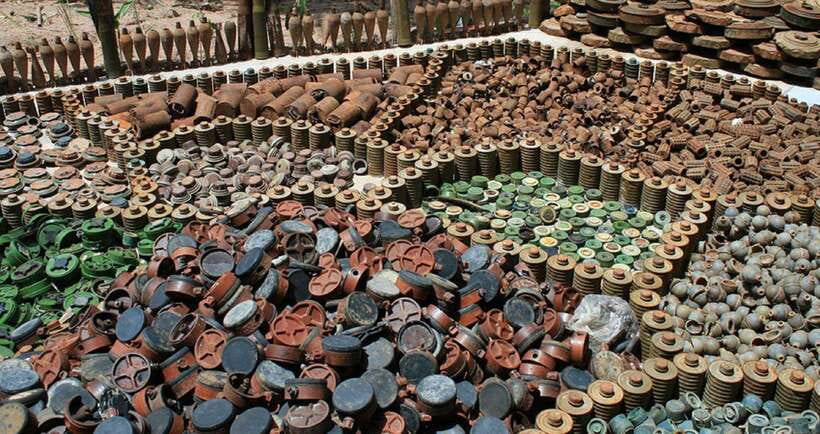
- The Landmine Museum hits hard with real context on mines, UXOs, and ongoing demining work
- You’ll want decent shoes for the Kbal Spean hike, even though it’s not a marathon
- It’s private transport, not a guaranteed full guide at every stop, so come with curiosity
Getting Out of Siem Reap: The Convenience of Private Tuk-Tuk
If your goal is to see more than the classic Angkor highlights in a limited number of days, this kind of day trip is a lifesaver. You’re starting in Krong Siem Reap, and you’re picked up from your hotel area. The driver meets you in the lobby about five minutes before departure, which keeps the morning calm instead of chaotic.
The price is set per private group (listed as up to 2 people). For a couple, that can be good value because you’re not paying per person like you would on larger shared tours. You’re also not stuck fighting for seats in another crowded vehicle.
Two small realities I’d keep in mind:
First, this is private transport with an English-speaking driver, so you’ll get help navigating and timing, but you shouldn’t assume a full museum-style guide voice will be present the whole time. Second, the schedule is tight enough that you’ll want to keep your pace steady once you start moving between sites.
You can also read our reviews of more tours and experiences in Siem Reap.
Banteay Srei (The Pink Lady): Small Temple, Big Carving Focus
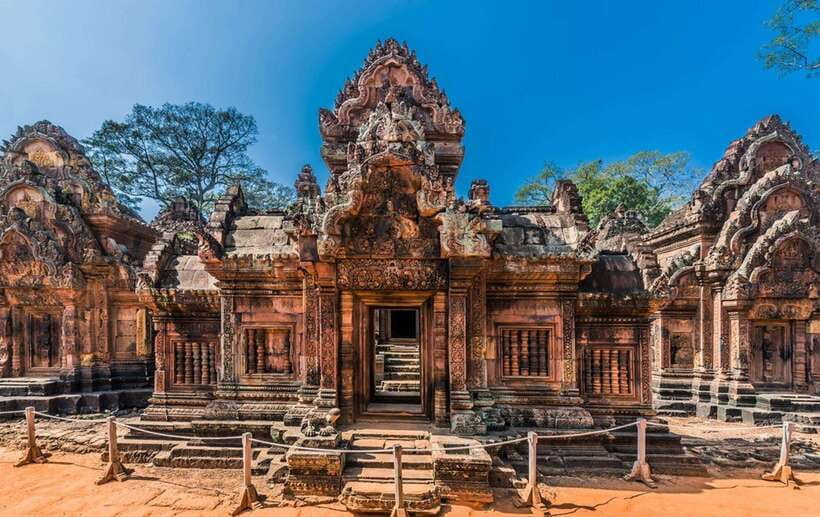
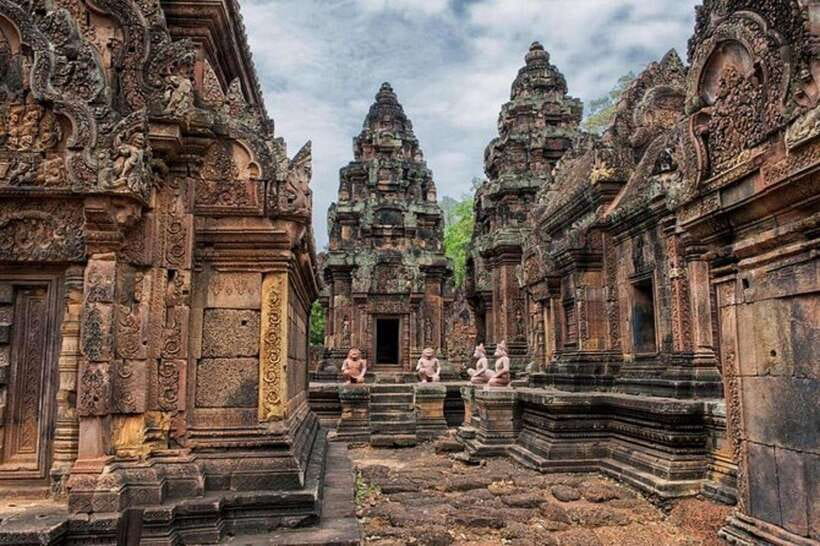
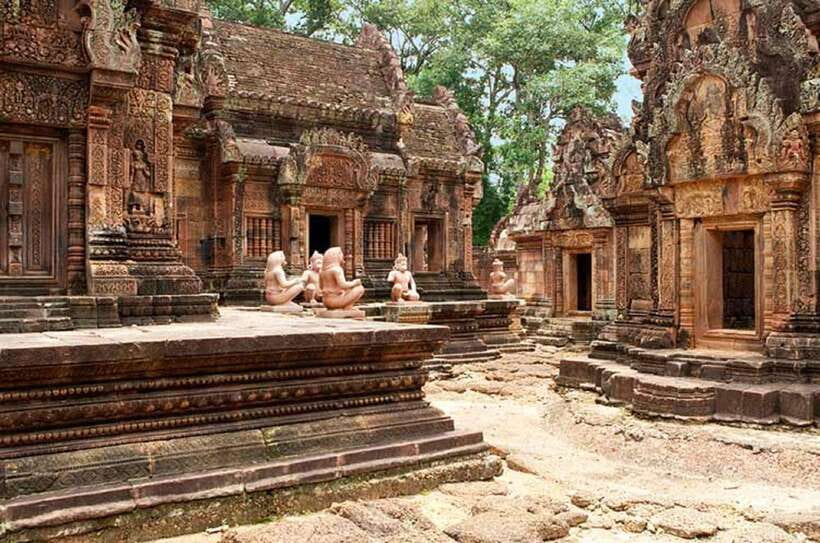
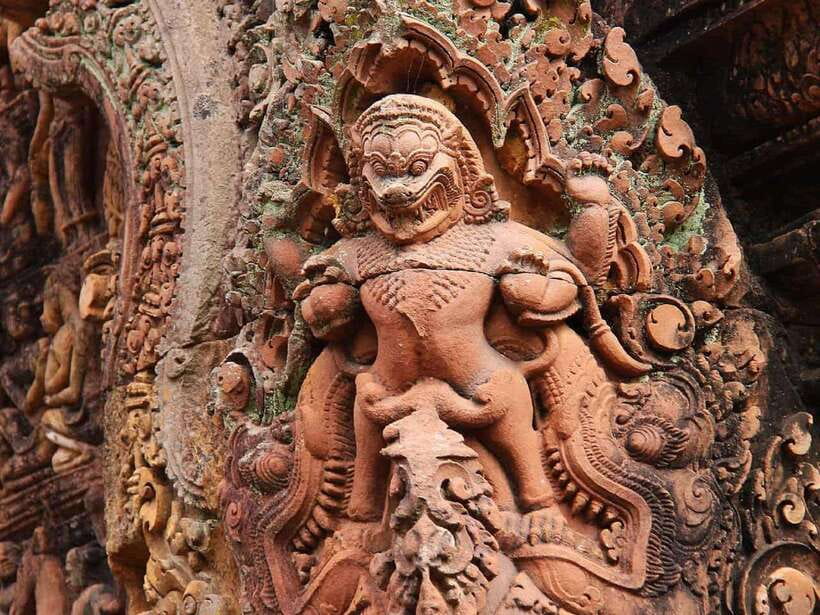
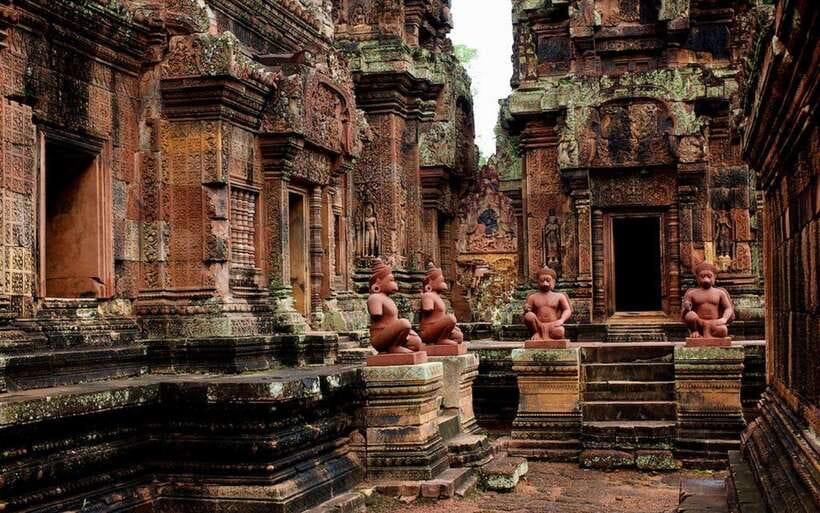
Banteay Srei is the kind of place where you slow down because you can’t help it. It’s renowned for having some of the finest temple carvings in Cambodia—and the world—and it’s also older than Angkor Wat. That matters. When a temple is older and the carving is that finely executed, it gives you a different feeling than a more “grand and massive” ruin.
This stop is also a relief from Angkor-style scale. If you’ve been temple-hopping all week, Banteay Srei gives your eyes a new kind of challenge: focus on detail. You’re looking at intricate work that’s meant to reward patience. Expect to spend about an hour here to really take it in without rushing through the best parts.
Practical tips for Banteay Srei
- Plan on temple tickets separately, since they’re not included
- Bring sun protection. You’ll be in open areas as you move
- If you care about restoration and preservation, slow down. One of the most meaningful moments at Banteay Srei is how the site explains how it was restored, so the ruins feel more real and less like guesses
Kbal Spean: The Jungle Hike to a Carved Riverbed
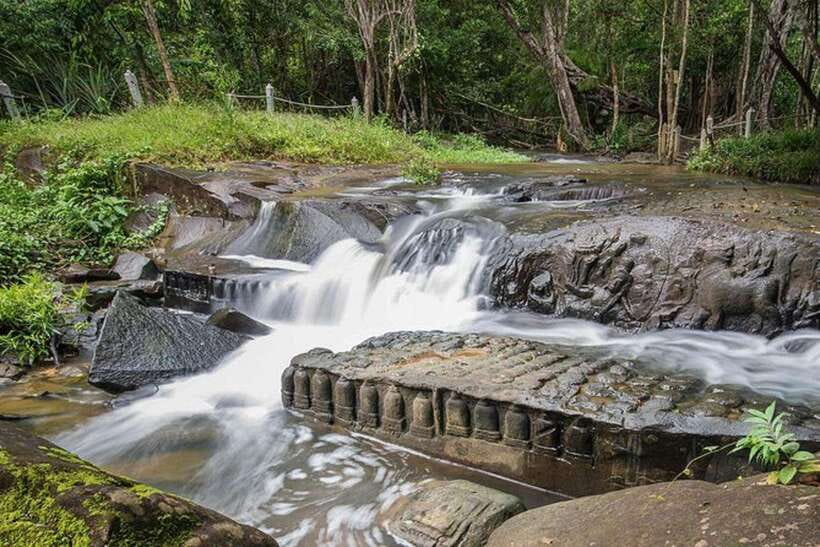
Kbal Spean is described as a spectacularly carved riverbed tucked deep in the jungle northeast of Angkor. The key idea: this isn’t just a temple stop with a viewpoint. It’s a walk through the woods to a place where carvings meet the natural setting.
What you’re aiming for is the carved sandstone work in the riverbed area, tied to Hindu mythology. The river there connects to a broader water system in the Siem Reap region (including Stung Kbal Spean), and you’re essentially seeing myth rendered into stone, shaped by time and water flow.
The hike is short, but you still need to be ready
You’re looking at about a 1 km hike through wooded paths to reach the area with the carvings. It’s not described as extreme, but it’s still a jungle walk. In practice, that means you’ll appreciate proper footwear. I’d treat it like a real trail, not a casual stroll.
One thing that stood out in the experience of other visitors: the hike can be beautiful in a living way, with wildlife activity along the route. Butterflies and a sense of being “away” from the city come through, especially if you move at a steady pace.

Timing note: the afternoon cutoff is real
Kbal Spean has a practical access limit in the afternoon. One useful tip: the entry stops around 3 pm, so if you want a full carving experience, you’ll do better arriving well before that. If you’re leaving your schedule open, you might end up rushing—and the whole point of Kbal Spean is noticing detail.
A helpful strategy: keep your day flexible enough that you can adjust the order. Some drivers have taken people to Banteay Srei on the way back, especially when timing matters for Kbal Spean.
What to expect at the carvings
The carvings are often described in terms like “thousand lingas,” but don’t expect every carving to be huge from a distance. In one account, the lingas were quite small, yet still interesting because they’re carved and preserved from around 700 years ago. The value is in close looking and in understanding the riverbed as a carved storytelling medium.
If the day’s conditions are right, some people also end up enjoying a refreshing break at a nearby waterfall. That’s not something you should plan on like it’s guaranteed, but it’s a nice possibility if water conditions are favorable.
The Landmine Museum: Sobering, Necessary, and Human
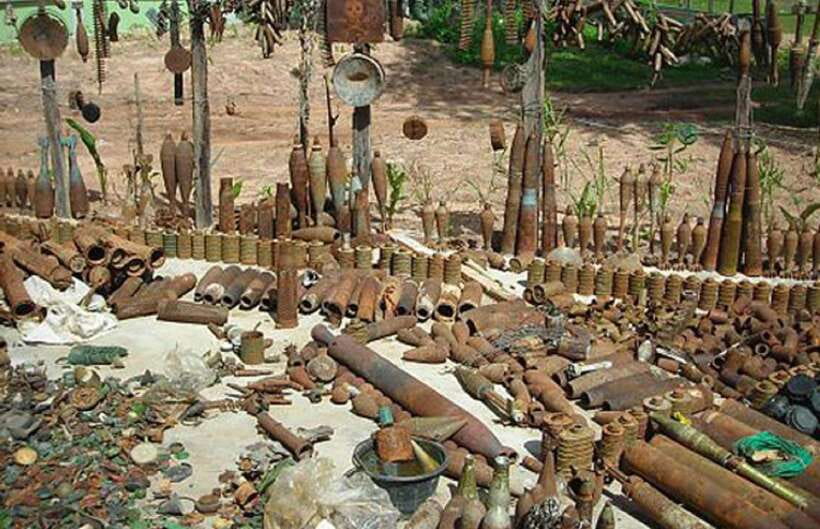
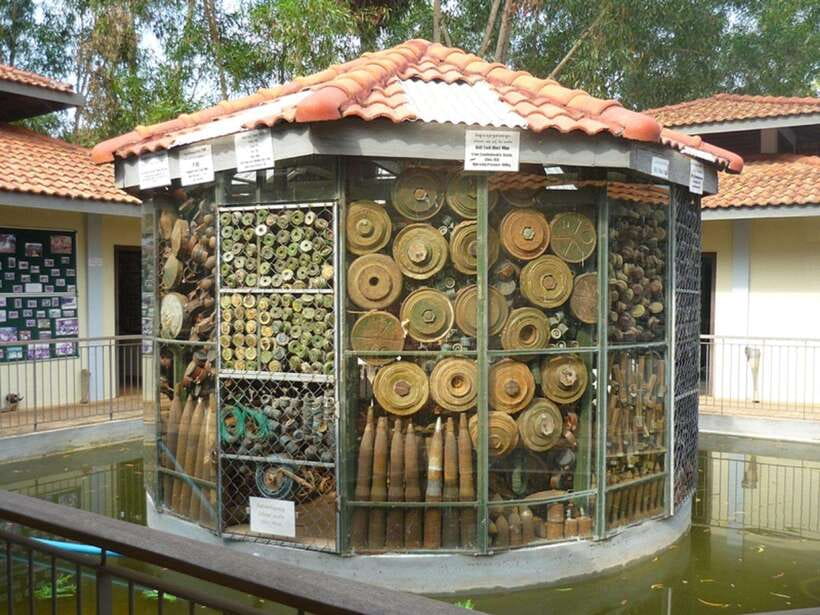
If Banteay Srei and Kbal Spean give you art and myth in stone, the Landmine Museum gives you the real world consequence of conflict. Cambodia remains heavily affected by landmines and unexploded ordnance left from years of violence, including civil war, the Khmer Rouge era, American bombing, and Vietnamese occupation.
This place is not about abstract history. It explains that mines and UXOs still cause injuries and deaths every year, and that the risk has been part of daily life—found in backyards, in rice fields, and on roads where children walk to school.
A million mines may have been cleared, but the work continues. The museum presentation includes the fact that Cambodia is estimated to not be entirely free of landmines for several decades.
What makes this stop worth your time
The reason this museum lands so strongly is that it connects you to:
- the brutal past (including the Khmer Rouge period)
- the ongoing reality (de-mining efforts today)
- the global issue of UXOs and landmines beyond Cambodia
It can feel heavy, but it’s also valuable because it turns knowledge into action-oriented understanding. Some people also mention meeting key figures connected to the demining work—stories that often point back to well-known deminer Aki Ra and other founders connected to clearance efforts. Even if you don’t meet anyone personally, the message still hits because it’s framed around people, not statistics.
How the 6 Hours Feel: Pace, Comfort, and Flexibility
A 6-hour private day trip sounds simple on paper. In reality, it’s a matter of pacing. You’ll have driving time between sites, and you’ll also have “active time” at Kbal Spean where the hike and carving looking take energy. If you try to move slowly everywhere, you can lose time fast.
One thing I like about the private setup is flexibility. With a driver who communicates well, you can tweak the order or add a small stop if you’re passing something interesting. Some experiences include drivers arriving early and coordinating to start sooner when it works. That kind of small responsiveness helps you protect the most time-sensitive part of the day: Kbal Spean.
Comfort level
Tuk-tuk transport is a practical choice here. It’s easy for short and medium distances, and you often feel a breeze that makes the ride less tiring. Safety also matters. Multiple accounts emphasize calm, careful driving, and that’s what you want on roads to the countryside.
Water
Drinking water is listed as included. Still, one practical note: it’s smart to bring a little backup water of your own anyway, since on-the-ground details can vary.
Price and Value: What You Pay, What You Still Need to Budget
The listed price is $43 per group up to 2 people for a 6-hour private tour. That’s the big win: you’re paying for private transport for a full day of three meaningful stops—temple, carved riverbed, and a major museum—without the cost of a large tour group.
What’s not included is the temple ticket. So if you’re budgeting, treat entry fees as separate. The Landmine Museum’s cost isn’t specified in the information given here, so I’d check when you book, but at minimum you should expect some site fees along the way.
Here’s the value logic I’d use:
- If you were to hire separate transportation to each far-away stop, you’d likely spend more than the private tour price
- If you want to do Banteay Srei and Kbal Spean in one go (places that aren’t always in the same day plan), this reduces decision fatigue
- If you want a day that mixes “beautiful carving” with “life-and-death context,” the Landmine Museum makes the day feel real instead of purely sightseeing
Who This Trip Suits Best
This is a strong fit if you:
- want to see Banteay Srei and Kbal Spean without adding extra stress to your schedule
- like the idea of a short jungle hike and close-up carving time
- want one stop that carries context beyond temples—the Landmine Museum is essential if you care about understanding Cambodia’s past and present
- are traveling as a couple (since the price is per group up to 2)
It may be less ideal if:
- you want a highly guided, narration-heavy tour at every stop. Based on experience, this is mainly private transport with an English-speaking driver, and some learning moments may depend on how the driver handles explanations
- you’re not comfortable walking on trails. The Kbal Spean part requires reasonable footwear and a basic level of fitness
Should You Book This Private Tuk-Tuk Day Trip?
I’d book it if you want a day that feels both meaningful and efficient: intricate temple carvings, a jungle hike to myth carved into stone, and a museum that explains why demining work still matters. The private tuk-tuk setup is also a nice match for couples who don’t want to squeeze into something bigger.
I’d think twice if your top priority is a full-on guided experience at every stop, or if you can’t manage a short hike. Also, if you’re planning around an afternoon schedule, prioritize getting to Kbal Spean early enough—its cutoff time is the easiest way to end up rushing.
FAQ
How long is the tour?
The tour duration is listed as 6 hours.
Where does pickup happen?
Pickup is from your hotel area in Krong Siem Reap, and the driver meets you in the lobby about 5 minutes before departure.
Is this a private tour?
Yes. It’s a private group.
What’s included in the price?
Drinking water is included.
What isn’t included?
Temple tickets are not included.
Is there an English-speaking driver?
Yes, the driver is listed as English speaking.