REVIEW · SIHANOUKVILLE
Discover Bokor National Park
Book on Viator →Operated by Scooter Trails · Bookable on Viator
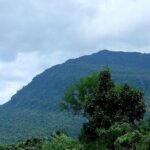
Bokor has a haunting way of changing the mood fast. This short scooter tour out of Kampot-area country takes you from a French mountain resort past to Khmer Rouge hideouts, with ruined palaces and churches that still feel heavy. I like the scenic drive up Bokor Mountain and the way you get big-picture views over Kampot before the history hits.
The guide quality is another win. On a trip I can point to, the guide named Rithy rode calmly for a slower pace and explained each stop’s background in clear English, even adding political context where it mattered. That mix makes the abandoned buildings feel less like props and more like places where real decisions were made.
One drawback to keep in mind: the tour has had pickup trouble when operations were disrupted, including cases where no one showed up and refunds were the only fix. Also, the experience needs good weather, so plan with some flexibility.
In This Review
- Key highlights to look for
- Why Bokor Hill Station feels like a time machine
- Bokor Mountain views over Kampot: the quick start that sets the tone
- Black Palace and the Yeay Mao angle: abandoned grandeur you can read
- Wat Sampov Pram (1920): a calm counterweight to the ruins
- The old Catholic church: where the Khmer Rouge story lands hardest
- Scooter Trails: what the guide quality and small group size mean for you
- Price check: is $35 good value for Bokor?
- Timing and logistics that can make or break the day
- Who this scooter tour is best for
- Should you book this Bokor National Park tour?
- FAQ
- What does the tour cost, and what’s included?
- How long is the tour?
- Where is the tour based?
- What stops will I see?
- Is an admission ticket included?
- Is pickup available?
- Does the tour run in any weather?
Key highlights to look for
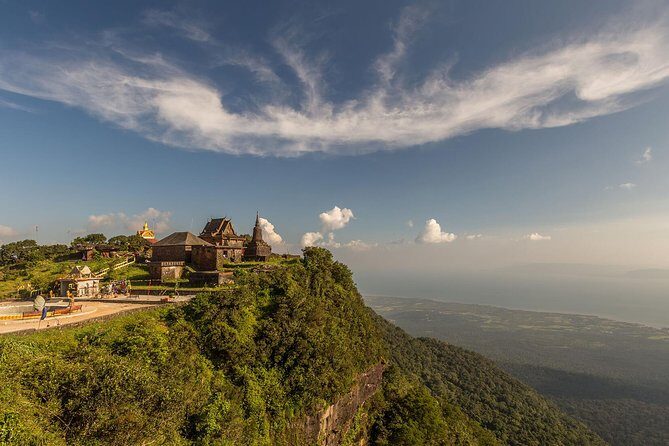
- Kampot panorama from Bokor Mountain after a roughly 12 km drive
- Black Palace (1936) and nearby abandoned structures facing the Yeay Mao statue
- Wat Sampov Pram (built 1920), a Buddhist temple stop with lasting visual presence
- Khmer Rouge-era story at the old Catholic church, one of the last strongholds
- Scooter + helmet + pickup/drop-off included, which keeps the day low-stress
- Small group size (up to 2 travelers) for a more personal pace
Why Bokor Hill Station feels like a time machine
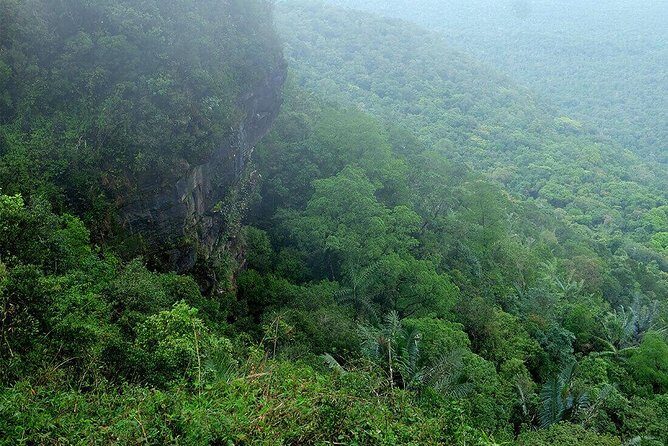
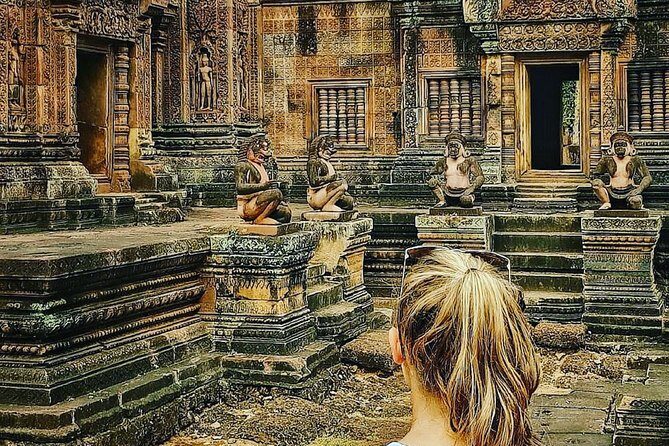
Bokor Hill Station started as a French colonial mountain resort in the 1920s. You can still see that origin in the architecture and layout of what’s left. Then Bokor’s story turns dark in the way Cambodia’s 20th century often did: after the resort’s heyday, the area became one of the last hideouts for the Khmer Rouge. Many buildings fell into ruin, so what you see now is not a clean museum setting. It’s decay with context.
The modern wrinkle is the casino built in 2012. That contrast matters. You’re not just looking at old stone; you’re standing in a place where the past is still negotiating with the present. That’s the reason this tour works even if you’re not a history fanatic. The buildings aren’t just pretty; they’re evidence.
I also like that the focus stays on a few key sites. Instead of rushing through ten quick photo stops, you get a small cluster of locations that connect to Bokor’s phases: the resort view, the palaces, the temples, and the Khmer Rouge-era church.
You can also read our reviews of more tours and experiences in Sihanoukville.

Bokor Mountain views over Kampot: the quick start that sets the tone
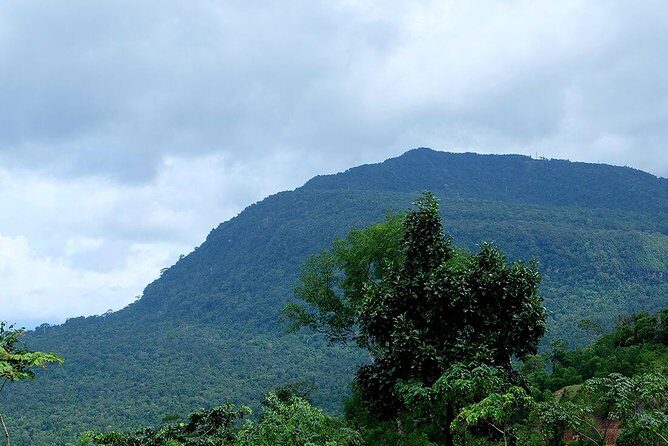
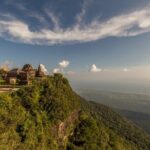
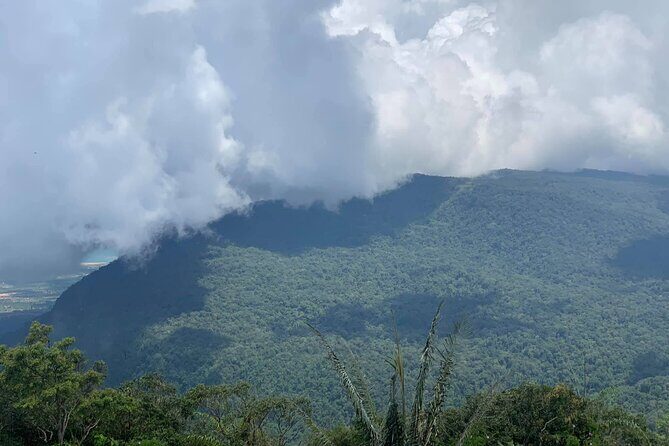
The tour begins with a drive up Bokor Mountain and a first stop that’s all about getting your bearings. You cover about 12 km up to the hill, then pause at a parking area for a sweeping view of Kampot town. From there, your guide helps you connect what you’re seeing to the geography, including how the river links town to the sea.
This matters more than it sounds. When you can see where the lowland spreads out below, the ruined mountain buildings feel connected to something real: trade routes, fishing areas, and daily life that continued even when the mountain turned into a refuge. It turns the day from a random drive into a story you can actually follow.
Practical tip: bring water shoes or something grippy if the ground is uneven around the viewpoint. The tour includes drinking water and a cold towel, which helps, but you’ll still want stable footing for photos.
Black Palace and the Yeay Mao angle: abandoned grandeur you can read
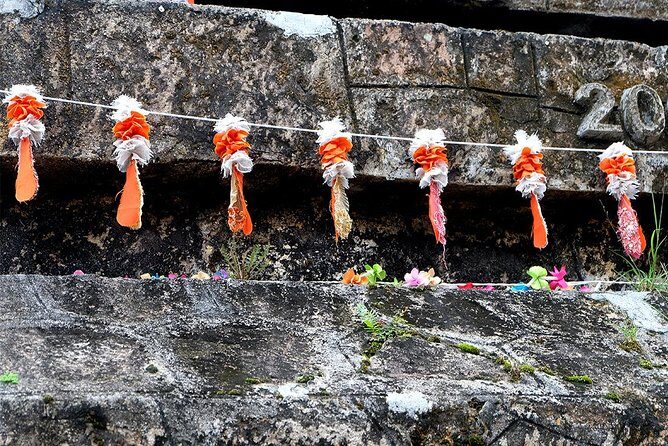
Next comes the stop at the Black Palace, built in 1936. This is one of Bokor’s best-known structures, and the tour pays attention to its position: it faces the Yeay Mao statue. That detail is useful because it gives you a way to “read” the site instead of just pointing at it.
You’ll also see the old restaurant behind the Black Palace and other abandoned buildings nearby. Even if you don’t speak a word of Khmer, you can spot how the area was meant to function. It wasn’t just one palace perched in isolation. It was a small world: visitors, staff, meals, religious symbols, and power all in one complex.
The big value here is your guide’s framing. In a well-run version of this tour, the explanation ties architecture to the era’s power structure and the shifts that came later. If you’ve ever visited ruined places and felt like you were guessing, you’ll probably appreciate how this stop is explained.
The downside is the same thing that makes it atmospheric: the buildings are abandoned. So expect patches of rough surfaces and limited shelter. If weather turns bad, your best view may be waiting on a cloudy day rather than clear skies.
Wat Sampov Pram (1920): a calm counterweight to the ruins
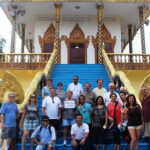
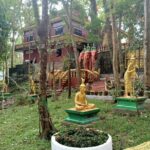
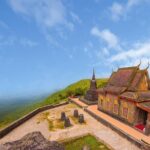
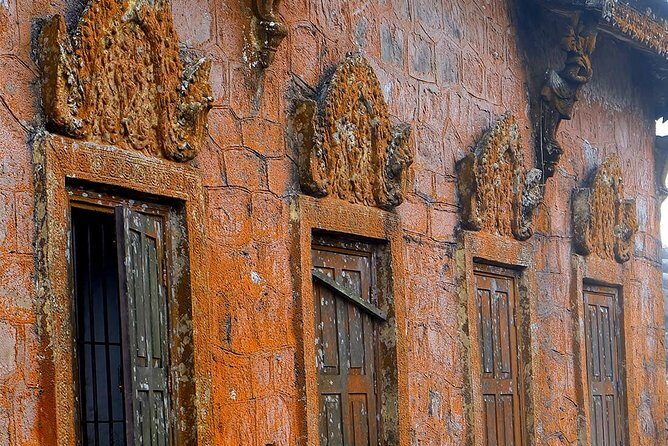
After the palace stop, you head to Wat Sampov Pram, an older Buddhist temple built in 1920. This stop slows the pace in a good way. Compared with the abandoned palaces, the temple feels like a living tradition with continuity. Even when you’re just looking from the outside, you can feel the difference in intent.
You’ll get time to visit and take in the temple’s details, and your guide will talk about Buddhism. That helps because it shifts your focus from politics and buildings to beliefs and daily meaning—exactly the balance you want in a tour like this, where so much of the story is tied to conflict.
One consideration: the time listed for the temple stop is around 30 minutes, but the overall tour time is described as short and flexible. If you’re someone who likes to linger, you might want to keep an eye on timing and don’t plan a second activity immediately after.
The old Catholic church: where the Khmer Rouge story lands hardest
The highlights include a visit to the old Catholic church, described as one of the last strongholds of the Khmer Rouge. That’s the kind of sentence that changes your body language once you’re there. In a place like Bokor, the ruins don’t feel like a backdrop. They feel like witnesses.
Even though you’re there in daylight, the site connects directly to one of the tour’s central themes: Bokor’s role as a refuge during the Khmer Rouge period. The church adds a religious dimension to that story, and you end up with a fuller picture of how different communities and institutions intersected under extreme pressure.
This is also where a great guide makes a real difference. In one experience I learned from, the guide blended historical context with political interpretation. That kind of explanation can help you avoid the common problem of seeing the site only as architecture. You understand it as a place that was used, protected, and endured.
If you prefer strictly factual tours, you may still like hearing political context—just know it’s part of how at least some guides tell Bokor’s story.


Scooter Trails: what the guide quality and small group size mean for you
This is a guided scooter experience with scooter and helmet included. Hotel pickup and drop-off are part of the package too. That combination matters in Cambodia, where the easiest option is rarely the safest or most efficient option unless you’ve got local help.
A big plus is the small maximum group size—up to 2 travelers. That typically means less waiting, a more personal pace, and more room to ask questions. If you like your history straight and specific, you’re more likely to get answers in a small group than in a larger one.
Also, based on a first-hand style note from a guide named Rithy, the riding can be done calmly and safely, even if you’re not a fast scooter driver. The helpful part is the guiding approach: safe and slow, with English explanations and friendliness. When you’re riding in a new country, that comfort is worth a lot.
Before you go, make sure you feel comfortable on a scooter with a helmet provided. The tour says most travelers can participate, but your personal comfort matters more than a general statement.
Price check: is $35 good value for Bokor?
At $35 per person, this tour is priced like a budget-friendly guided outing—especially because it includes several practical items. You get a local guide, scooter and helmet, plus drinking water and a cold towel. You also get hotel pickup and drop-off, which can easily add cost if you’re arranging transport on your own.
What’s not included is where you should pay attention. Admission tickets are listed as not included, and a waterfall ticket is also not included. Souvenirs and personal expenses are, of course, on you. Travel insurance isn’t included either.
If you’re comparing it to doing Bokor on your own, the biggest value is not the scooter itself. It’s the guide. Bokor’s meaning comes from the way the sites connect—French resort origins, Khmer Rouge hideout use, and the modern-day casino-era contrast. A good guide turns a pile of ruins into a readable route.
If you’re comparing it to another guided tour, double-check what that other tour includes. Here, the package tries to remove the usual friction: transport, helmets, and basic refreshment.
Timing and logistics that can make or break the day
The listed start time is 12:00 am, and the duration is shown as approximately 5 to 30 minutes. That looks confusing at first glance, and it’s worth taking seriously. Short durations like that sometimes reflect scheduling blocks rather than total time on the ground.
My practical advice: treat the written time as something to confirm, not something to build your entire day around. The experience also requires good weather, and if conditions are poor, you’re offered a different date or a full refund.
Also, there’s a theme of disruption in the booking history you should respect. In past cases, pickup didn’t happen when operations were closed, and refunds were part of the fix. You’re not paying a huge amount, but a wasted half day in a travel schedule still stings. If you book close to your travel window, build in buffer time.
Finally, the tour includes a mobile ticket and offers pickup. So you’ll want your phone charged and your accommodation details ready.
Who this scooter tour is best for
This works best if you want a guided route that covers key Bokor sites without turning the day into a logistics puzzle. It’s a good match for:
- People who like short guided history stops with photo-worthy views
- Anyone who wants Khmer Rouge-era context without having to research it on the spot
- Travelers who prefer intimate group size and a calmer pace on a scooter
- Visitors staying around Sihanoukville/Kampot who want an efficient outing
It may be less ideal if you’re expecting a full-day national-park hike or a long, slow wandering tour. The experience is described as short, and the stops are focused.
Should you book this Bokor National Park tour?
I’d book it if you want a compact, guided look at Bokor’s major eras—French resort views, ruined palaces like the Black Palace, the Buddhist temple at Wat Sampov Pram, and the Khmer Rouge-era church story—without arranging scooter logistics yourself. The included water, cold towel, helmet, and pickup are the kind of small comforts that keep the day moving.
I’d be cautious if timing reliability is a dealbreaker for you. There have been real no-show issues tied to disrupted operations, so confirm details and give yourself a little slack. And because good weather matters, don’t schedule something critical right afterward.
If your trip is flexible and you value a guide who explains both architecture and the human story behind it, this tour is a strong way to see Bokor Hill Station’s emotional weight while still leaving room for an easy rest of your day.
FAQ
What does the tour cost, and what’s included?
It costs $35.00 per person. The experience includes drinking water and a cold towel, first aids, local guides, scooter and helmet, and hotel pickup and drop-off.
How long is the tour?
The duration is listed as approximately 5 to 30 minutes.
Where is the tour based?
The location is Sihanoukville, Cambodia.
What stops will I see?
You’ll visit Bokor Mountain for a Kampot town view, the Black Palace, and Wat Sampov Pram. The tour highlights also mention an old Catholic church connected to the Khmer Rouge story.
Is an admission ticket included?
No. Admission ticket is not included.
Is pickup available?
Yes. Hotel pickup and drop-off are included.
Does the tour run in any weather?
It requires good weather. If it’s canceled due to poor weather, you’ll be offered a different date or a full refund.