REVIEW · SIEM REAP
Angkor Wat: Tuk Tuk and Walking Tour
Book on GetYourGuide →Operated by Journey Cambodia · Bookable on GetYourGuide
Angkor’s ruins get personal fast. This tour mixes a private tuk-tuk ride with real time on foot, so you can hear the Khmer story while you move through the gates, walls, and temple corridors at a comfortable pace. I really like the way the day focuses on the big hits of Angkor Thom and Ta Prohm without wasting time, plus the chance to understand what you’re looking at beyond postcard facts. I also like that you’re not just rushing to see stones; your guide is praised for sharing how people lived, not only what happened centuries ago. One consideration: it’s a walking-heavy day (around 9 miles has been noted), so you’ll want solid shoes and a good head for uneven ground.
Because it’s built around hotel pickup and a private vehicle, you get an easier flow from Siem Reap into the temple zone. The English-speaking guide experience seems to be a standout, with names like Sam, Monirom, Poleak, Bun, and Bob mentioned for clear explanations and friendly pacing. The tour also gives you water and soft drinks, which matters in Cambodia heat.
In This Review
- Key Things That Make This Angkor Tour Worth It
- Why This Tuk-Tuk + Walking Mix Works at Angkor
- First Stop: Getting Oriented at the Eastern Gate
- Angkor Thom on Foot: Gates, Stories, and the Old City Walls
- Bayon Temple: Those Faces Are More Than a Photo Stop
- Lunch Break and Timing: The Part That Can Make or Break Your Energy
- Ta Prohm: The Jungle Temple That Still Feels Like an Adventure
- The Value Math: What $49 Buys You (and What Costs Extra)
- What to Wear and Bring So You Don’t Hate Day 1
- Guides Matter: Why This Tour’s English Explanations Get Praise
- Realistic Expectations: Crowds, Footing, and Flexibility
- Who This Angkor Wat Tour Is Best For
- Should You Book This Angkor Wat Tuk-Tuk and Walking Tour?
Key Things That Make This Angkor Tour Worth It
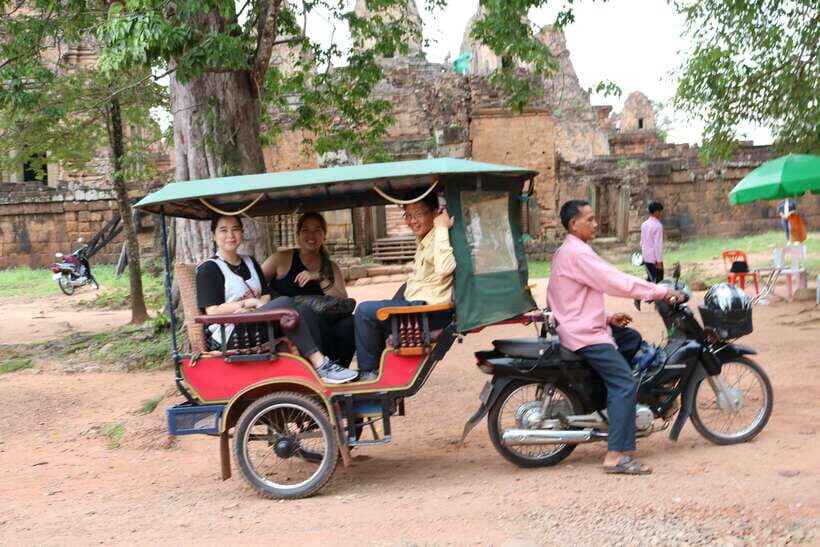
- Private tuk-tuk from your hotel: less hassle, more time for temples and photo breaks
- On-foot Angkor Thom with context: you’ll walk the old city and learn the meaning of the gates
- Bayon’s giant stone faces: seeing them with a guide helps you notice details you’d miss
- Dead Gate and the city walls: a good change of pace from the main crowd routes
- Ta Prohm’s jungle ruins: trees growing through the architecture makes the site feel alive
- English live guidance: guides are consistently praised for knowledge and communication
Why This Tuk-Tuk + Walking Mix Works at Angkor
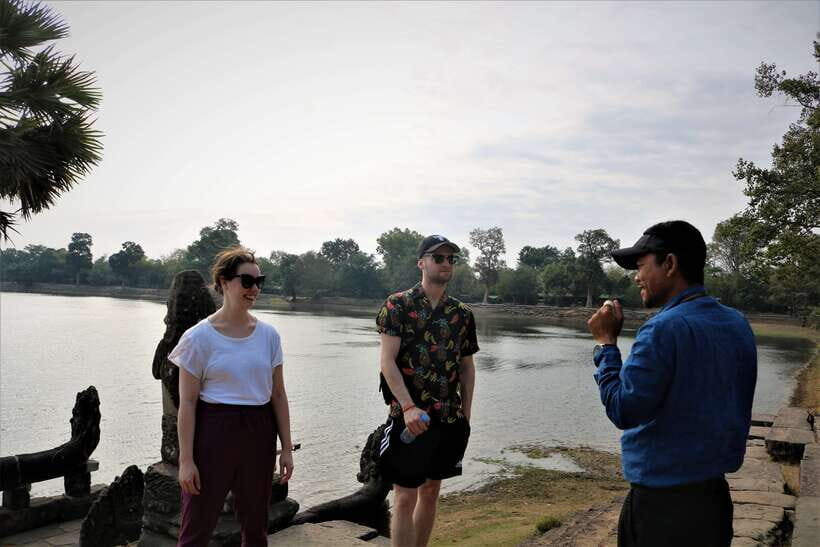
Angkor can feel like a machine: buses dump people, everyone moves at the same speed, and you end up staring at stone with no connection to the story. This tour’s strength is the rhythm. You’re not stuck in a vehicle all day, but you also aren’t relying on long, exhausting transfers. The private tuk-tuk gets you between major zones, then you walk where walking actually matters—through Angkor Thom and around the temple areas where the layout turns into the point.
On tours like this, the guide’s job is not just facts. It’s timing and direction. One of the most praised parts in this experience is that the guide keeps the day moving at a sensible pace, so you’re not constantly waiting around or running to catch up. English communication is also a frequent highlight, and that matters because Angkor isn’t simple. Terms like gates, carvings, and the roles of different temple spaces start to click when someone explains them clearly in real time.
And yes, you do still walk a lot. A guest noted roughly 9 miles total. That’s not a dealbreaker, but it’s real. Plan for it like you would a long museum day plus outdoor walking—hydrate, wear shoes you trust, and expect some uneven steps.
You can also read our reviews of more walking tours in Siem Reap

First Stop: Getting Oriented at the Eastern Gate
The day starts with pickup from your Siem Reap hotel, then a tuk-tuk ride toward the Angkor complex—specifically the eastern gate route. This is one of those small things that improves the whole day. Instead of arriving stressed, you’re already in the right mental gear when you start moving through the temple zone.
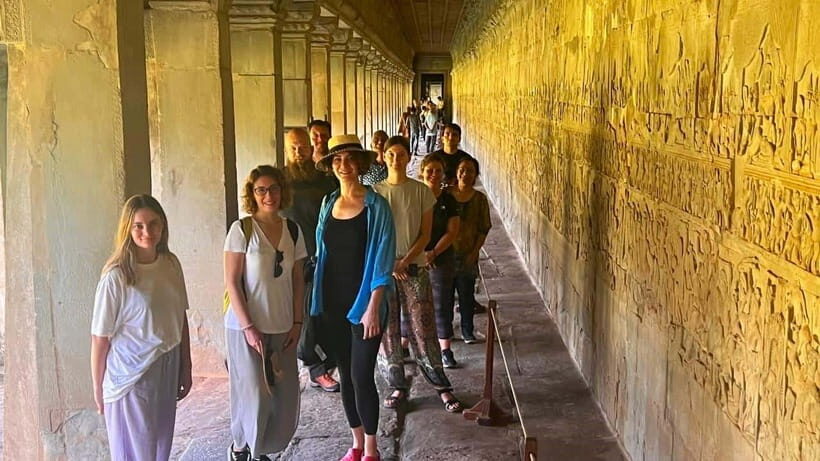
Once you’re in, the guide starts shaping your understanding. You’ll be looking at the Khmer Empire’s world through the structure of the city—how gates, walls, and temple spaces act like chapters. That orientation is one reason people love this type of tour: you don’t just see major monuments, you get a sense of what this city was meant to do.
If you’re the type who likes to know where you are before you take photos, you’ll appreciate this opening. It’s also a good moment to ask your guide what to look for next, since you’ll soon be walking through spaces where small details can change the whole scene.
Angkor Thom on Foot: Gates, Stories, and the Old City Walls
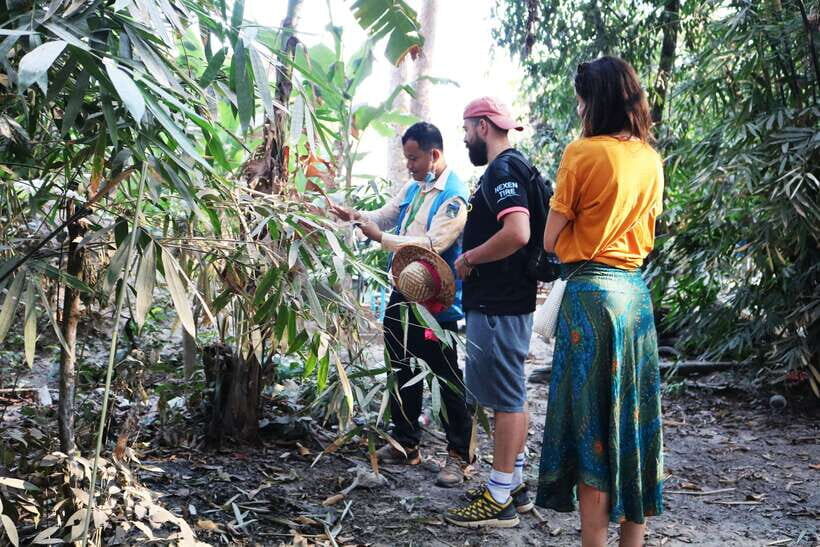
Angkor Thom is where the day earns its walking. You explore it on foot, which is the best way to absorb the layout. In broad terms, you’ll be moving through a maze of stone and pathways that feels almost built for slow wandering—except you’re guided, so you’re not wandering without direction.
Two stops tend to shape the Angkor Thom experience: the Bayon area and the route through the gates and walls. You’ll hear stories about the ancient city and the Khmer Empire as you go, and that’s what changes how the place lands. A guide’s explanation helps you see why the city walls and gates weren’t just decorative. They controlled movement, identity, and access.
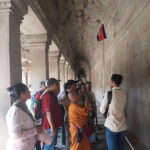
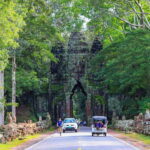
You also climb the Dead Gate and walk along the old city walls. The Dead Gate is one of those places that attracts attention because it sounds intense. With a guide, it becomes more than a name on a map—you start to understand how the city’s dramatic entrances and exits reflect the empire’s power and belief system. Then, you get to the Victory Gate, a key visual checkpoint that ties the route together.
If you’re worried about crowds, this portion can actually help. Being on foot through the city’s internal routes means you’re not always trapped in the loud, one-direction bus flow. A private vehicle also helps with moving between areas without wasting time.
Bayon Temple: Those Faces Are More Than a Photo Stop
Bayon is known for giant stone faces, and that’s the obvious reason to come. But the best experience is when you get past the initial wow and start noticing what those faces do in the composition of the temple.
With an English guide, you’re more likely to understand what you’re seeing as you move around. People who’ve taken this tour often mention that their guide knew a lot about both temple history and everyday life in Khmer culture. That blend matters at Bayon, because it’s easy to treat the faces like an art gimmick. A good explanation nudges you toward seeing them as part of a larger system of power and symbolism.
Even if you already know Bayon’s reputation, the benefit here is practical: you’ll have a guide telling you where to stand and what angles reveal more. That’s how you turn a quick stop into a satisfying exploration.
Lunch Break and Timing: The Part That Can Make or Break Your Energy
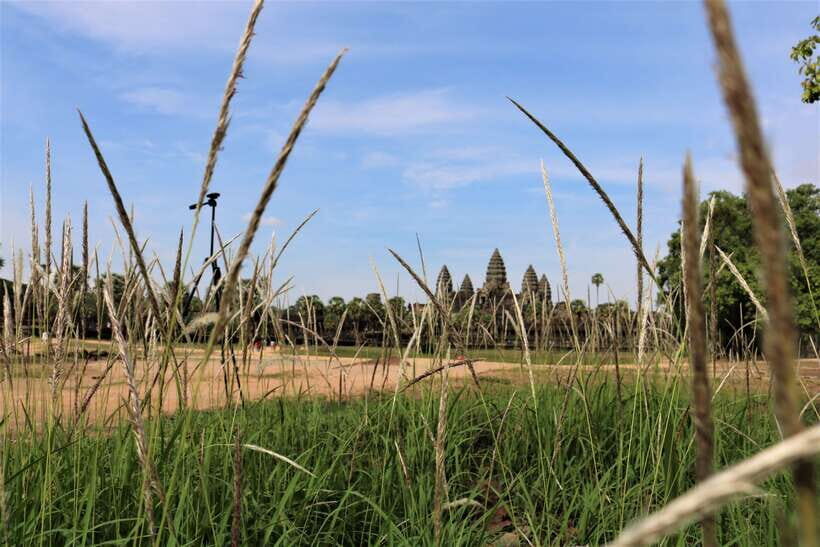
Lunch isn’t included, but you do get a break. That might sound obvious, but in a full Angkor day it’s essential. When you’re walking and climbing, the smartest move is to eat before you’re wiped out.
One guest noted that their guide adjusted the plan because of rain and mud, including skipping a village walk near the Angkor Wat area and returning quickly to the tuk-tuk at the start of the walk. That’s a useful reminder for you: the day can flex based on weather and ground conditions. In Cambodia, wet paths can become slow and unpleasant fast.
So when it’s time to eat, I’d think of it as energy management, not just food. If you’re prone to getting cranky when hungry, this is your buffer zone.

Ta Prohm: The Jungle Temple That Still Feels Like an Adventure
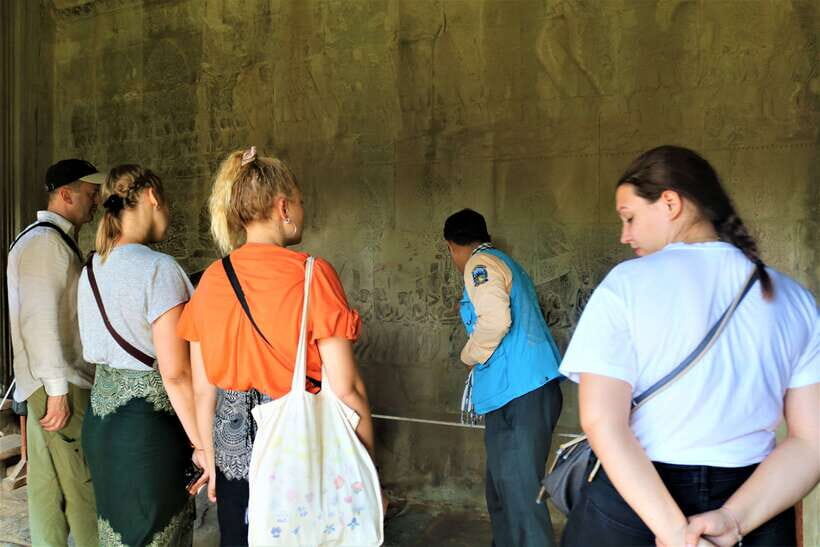
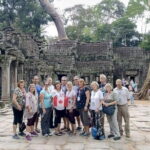
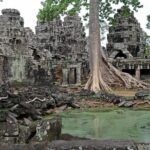
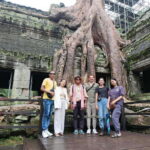
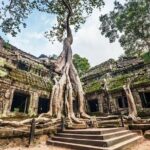
Ta Prohm is the temple people call the jungle temple, and honestly, it earns the nickname. Trees grow right through the ruins. Walls and doorways feel framed by roots and branches in a way that makes the whole place look suspended in time.
This stop is special for two reasons. First, you get variety. After moving through gates and walls at Angkor Thom, Ta Prohm is a different mood—more wild, more tangled, and more visually chaotic in a way that feels natural rather than planned. Second, the site’s interior spaces create a sense of discovery. The experience highlight specifically points to the maze-like interior, and that’s exactly what makes it fun: you can keep walking and still feel like you’re revealing new angles of stone and greenery.
If you like photographing textures—roots, carvings, moss, and the way light lands through the ruins—you’ll probably spend extra time here. One practical note: insect repellent is recommended, and that makes sense. You’ll be around vegetation, and Cambodia insects don’t care about your temple bucket list.
Ta Prohm is also where crowds can spike. A guide’s pacing helps you avoid the worst bottlenecks, and the private vehicle setup helps you reposition your next move without losing your whole day to waiting.
The Value Math: What $49 Buys You (and What Costs Extra)
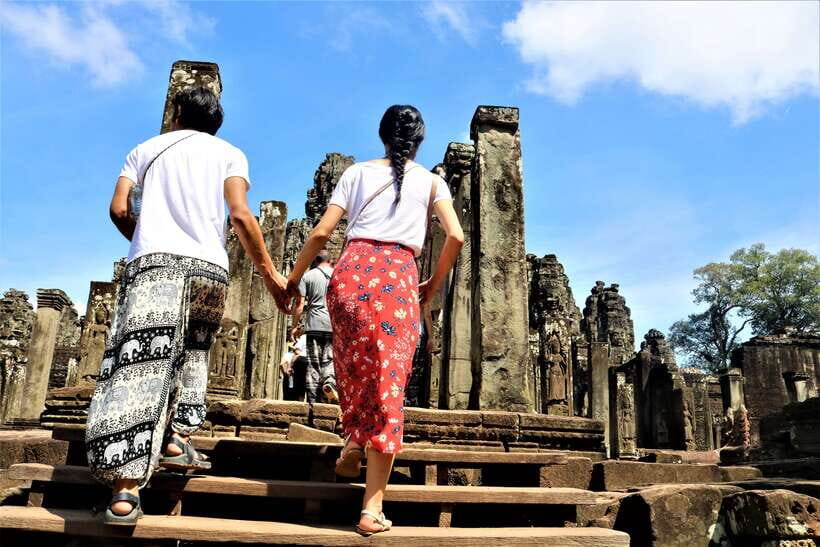
Price is $49 per person for the 7-hour experience. That’s not just for sitting in a car. What you’re paying for is the structure: hotel pickup and drop-off, a professional local guide, private tuk-tuk transportation, and included bottled water plus soft drinks.
The big separate cost is temple entrance fees. Entrance fees for a 1-day pass are listed as $37 per person, and lunch is not included. So the real out-the-door reality is closer to $86 per person if you add the entrance ticket and then choose lunch.
Is that worth it? For many people, yes—because the entrance fee is mandatory anyway once you commit to Angkor temples, and the tour price buys you the guidance and logistics. If you tried to do it solo, you’d still need transportation, time, and a way to understand what you’re seeing. This tour wraps those needs into one plan.
Also, you get a skip-the-ticket-line advantage. That’s a small thing that can feel huge once you’re standing there with sun on your shoulders. Less waiting means more time in temples.
What to Wear and Bring So You Don’t Hate Day 1
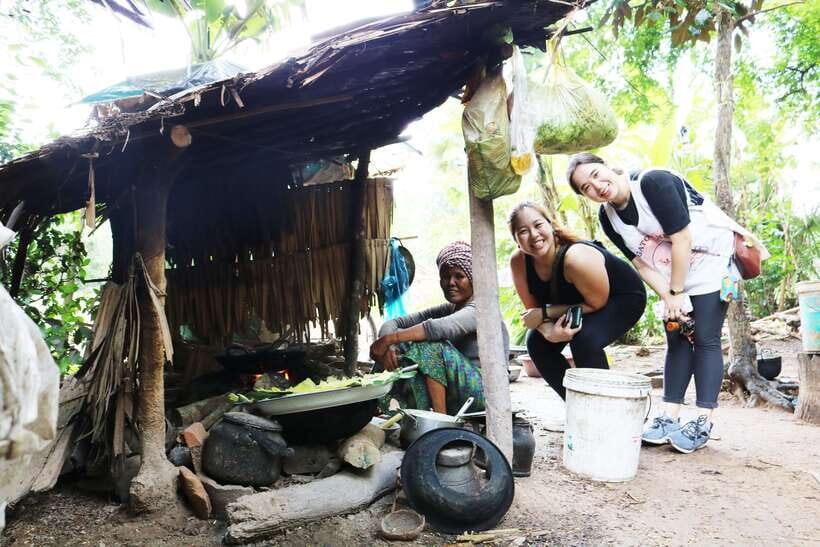
This is not a sit-and-glance tour. You’ll be walking and climbing, sometimes on uneven surfaces. The essentials are in the instructions, and they’re correct:
- Comfortable shoes (non-negotiable)
- Insect repellent (the vegetation around Ta Prohm makes sense of this)
- Consider long layers or breathable fabric because shorts are not allowed
Shorts are listed as not allowed. You might not notice this until you’re trying to enter a temple and someone points it out, so plan ahead. Wearing clothing that covers your legs also makes you feel less exposed in hot sun.
Not allowed also includes feeding animals. It sounds obvious, but it keeps the experience respectful and safe.
And if you’re dealing with mobility impairments, this tour isn’t suitable. That’s consistent with the walking demands and the temple steps. Even if someone could manage the distance, the uneven ground and climbs are part of the experience.
Guides Matter: Why This Tour’s English Explanations Get Praise
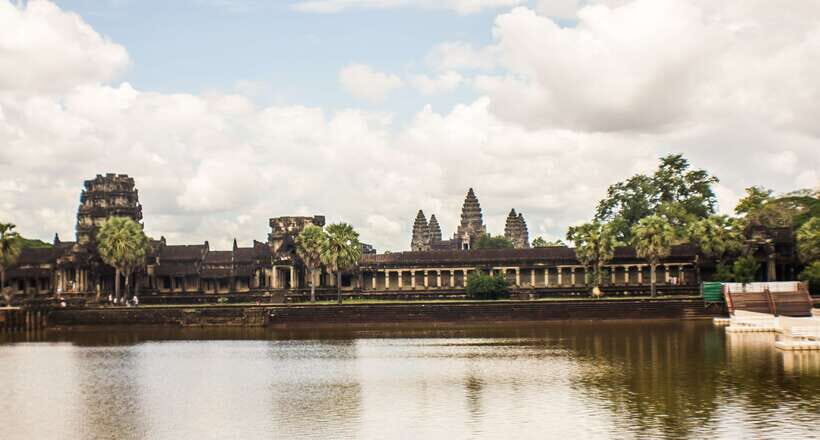
One reason this tour holds up is the human element. In the feedback you’ll see the guides called out by name—Sam, Monirom, Poleak, Bun, and Bob. The common thread is not just that they know temple facts. People describe guides as friendly, good communicators, and especially good at explaining both temple history and Khmer culture beyond monuments.
That’s a big difference for you. Angkor is one of the world’s most famous temple areas, but it can become a blur if you don’t have context. When a guide ties the architecture to the story—gates, walls, entrances, and what the city meant—you leave with a mental map, not just photos.
It also helps that the timing is described as spot on. In other words, you’re not dragged through the day. You’re shown what you came for, then you move on while energy is still in your legs.
Realistic Expectations: Crowds, Footing, and Flexibility
Angkor can be busy. This tour is designed to help you escape crowds by breaking the day into guided segments and using private transport between zones. You’re still in a major destination, but the combination of on-foot exploring and private tuk-tuk movement usually keeps you from being stuck in a constant rush.
Footing is the other reality. Even if you’re physically prepared, temple paths can be uneven and steps can be unpredictable. Bring shoes with grip. If rain hits, mud can slow you down fast. One guest described how their guide avoided a muddy village section and pivoted the timing so they could return sooner to the tuk-tuk. That kind of adjustment is exactly what you want from a guide: not ignoring the situation, just managing it.
Who This Angkor Wat Tour Is Best For
This experience is a great fit if you want:
- A guided day where you understand what you see at Angkor Thom, Bayon, and Ta Prohm
- A mix of tuk-tuk comfort and real temple walking
- English explanations that cover more than just names and dates
- A day plan that works well in a 7-hour window
It may not be ideal if you’re traveling with mobility limitations or if you know you struggle with long walking days. If you’re expecting a light stroll, you’ll likely feel it by the end.
Should You Book This Angkor Wat Tuk-Tuk and Walking Tour?
If you want your Angkor day to feel organized, meaningful, and not exhausting for the wrong reasons, this is an easy yes. The included guide quality, hotel pickup/drop-off, private tuk-tuk transport, and water make it practical. The main extra costs are known up front (temple entrance fees and lunch), and you’ll walk enough that you should wear proper shoes and plan for a full day’s effort.
Book it if you like temples with context and you’re comfortable with a long, on-foot day. Skip it if you need a low-walking plan or have mobility concerns.