REVIEW · SIEM REAP
Siem Reap City Walking Tour
Book on Viator →Operated by Adventure Travel Co. · Bookable on Viator
Siem Reap clicks when you walk. This small, guided orientation tour helps you see the parts of town you might otherwise miss, without the stress of getting steered around by touts. I really like the private feel (it’s just your group and a local guide), and I also love that the stops are straightforward city highlights, not a marathon. One thing to consider: because it’s a walking tour with temple stops, you’ll want to plan for uneven sidewalks and respectful dress.
It’s a handy first-day activity, especially if you’re trying to learn where things are before you start temple-hopping. Expect a calm pace through Royal Residence gardens, Pub Street in daylight, Wat Preah Prom Rath, Kandal Village, and two markets—then you finish near the Old Market area so you can keep exploring.
In This Review
- Key highlights to look for
- Siem Reap Beyond Angkor: why this 90-minute walk works
- Meeting point and the flow from riverfront to Old Market
- Stop 1: Royal Residence and gardens—more than a photo stop
- Stop 2: Pub Street in daylight—so you can plan your night
- Stop 3: Wat Preah Prom Rath—the largest pagoda and a reclining Buddha
- Stop 4: Kandal Village—boutiques, coffee, and colonial bones
- Stop 5: Psar Chaa (Old Market)—the city’s central pulse
- Stop 6: Made in Cambodia Market—shopping with an artisan angle
- Price and value: why $6 feels almost too good
- Pacing and comfort: the walking part still matters
- Guide quality: what you can expect from the people leading the walk
- Who should book this Siem Reap city walk
- Should you book this tour?
- FAQ
- How much does the Siem Reap City Walking Tour cost?
- How long is the tour?
- Where does the tour start and end?
- Is hotel pickup included?
- What places are included in the itinerary?
- Are there dress requirements since you visit a pagoda?
- Is this a private tour?
- What is the cancellation policy?
Key highlights to look for
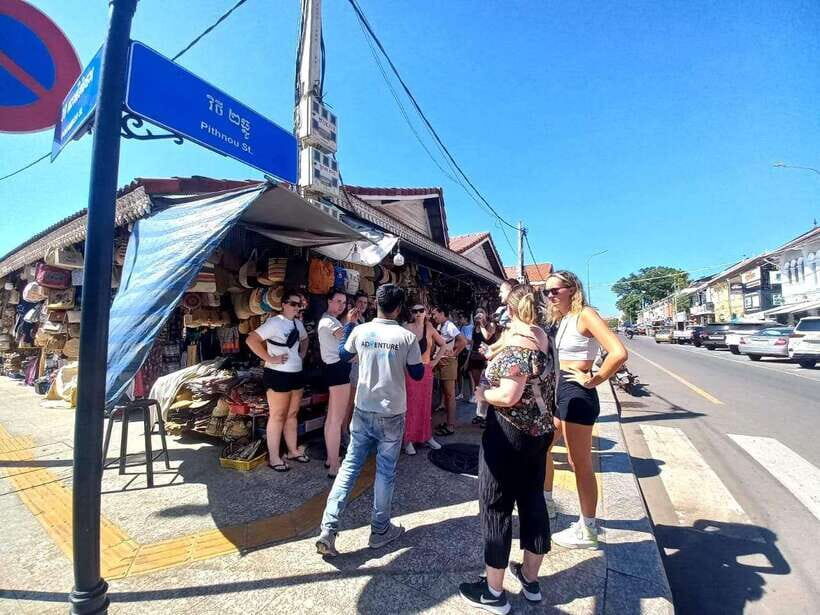
- Private group time with a local guide instead of a bus-style crowd
- Royal Residence + Wat Preah Prom Rath for royal and religious context in one loop
- Pub Street and Kandal Village so you understand where the nightlife and café crowd actually gather
- Psar Chaa (Old Market) for everyday Siem Reap shopping energy
- Made in Cambodia Market to buy items made locally, with artisan-focused sales
Siem Reap Beyond Angkor: why this 90-minute walk works
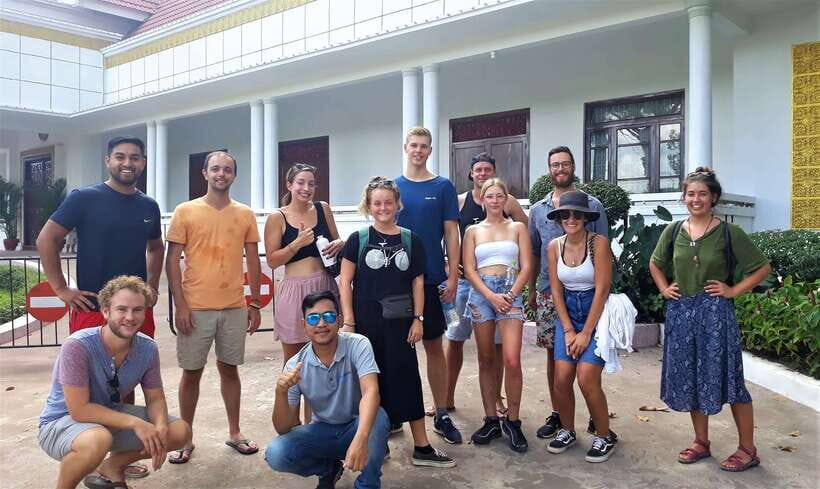
Siem Reap is famous for Angkor, yes. But the real skill on arrival is learning how the city itself moves—where people shop, where they pray, and where they hang out when the temples are off the list. This tour is built for that exact job: a compact, city-center route that gives you a mental map fast.
At $6 per person for about 1 hour 30 minutes, it’s one of those rare deals where the price isn’t the point—it’s the usefulness. You’re paying for local context: what each place is, how it fits into Khmer daily life, and what areas are worth a second pass later when it’s cooler or you have more time.
And you’re not stuck doing it alone. Having a guide matters here because Siem Reap’s center has a lot going on. Without guidance, it’s easy to walk past the story and just see streets and signs. With a guide, the same streets start making sense.
You can also read our reviews of more walking tours in Siem Reap
Meeting point and the flow from riverfront to Old Market
The tour meets near the Siem Reap River at Damnak Supermarket (7 Makara St), then ends at Old Market Bridge on Pokambor Ave. That means you start where the city feels connected and finish right where you’ll naturally want to wander next.
This routing is practical for your day:
- You get orientation early (or mid-afternoon) and can pivot to other plans.
- The finish point is central, which makes it easier to continue with shopping or dinner without backtracking.
One practical consideration: the start is a specific local landmark. If you’re arriving by Grab or tuk-tuk, ask to be dropped at Damnak Supermarket, not just something vague like near the river. Also keep in mind that temple stops can involve slowdowns—people pause for photos, and you’ll need time to adjust your pace and clothing.
Stop 1: Royal Residence and gardens—more than a photo stop
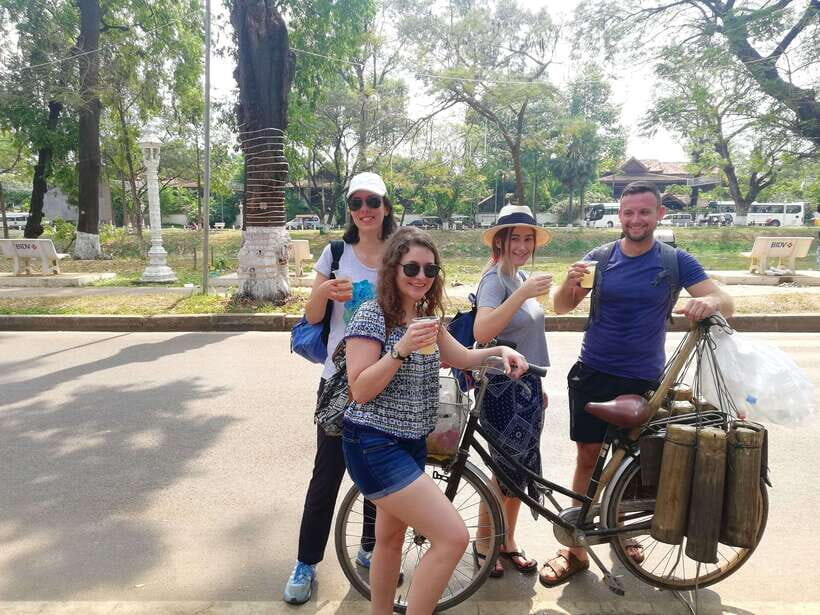
The first major stop is the Royal Residence area. You’ll tour the pagoda and take a stroll through the Royal Gardens. Even if you’ve seen royal architecture in other countries, the context here helps. The guide experience makes it easier to understand what you’re looking at and why this space matters in Cambodian history and civic life.
What I think you’ll enjoy most is the pacing. Gardens create a natural rhythm: you slow down, look carefully, and let the place register. This is also a good stop to ask questions—royal buildings and religious spaces are often linked in ways that are obvious once someone points them out.
Possible drawback: gardens and grounds can mean a bit of uneven walking. Bring shoes that can handle small shifts in surface level and don’t rely on perfect pavement.
Stop 2: Pub Street in daylight—so you can plan your night
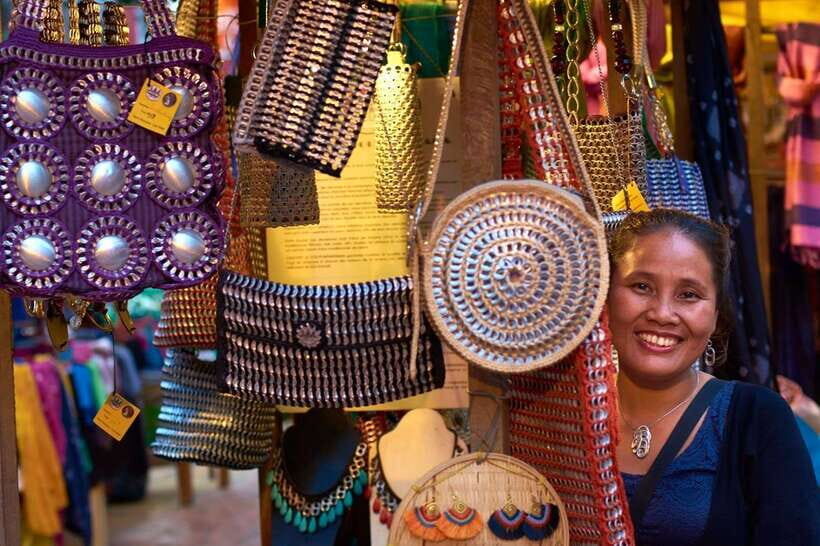
Next up is Pub Street. Seeing it by day changes how you experience it. At daylight it’s less about neon and more about layout: which lanes connect, where the main crowds pass, and where you’ll want to head when it gets later and livelier.
The value here is simple. Pub Street can feel chaotic at night. This stop helps you understand the street geography so you don’t end up zigzagging with no plan.
A smart way to use this time: listen for the guide’s local tips on timing and what to expect. Even without naming specific bars, you’ll leave knowing the general vibe and where you can go back to later.
Stop 3: Wat Preah Prom Rath—the largest pagoda and a reclining Buddha
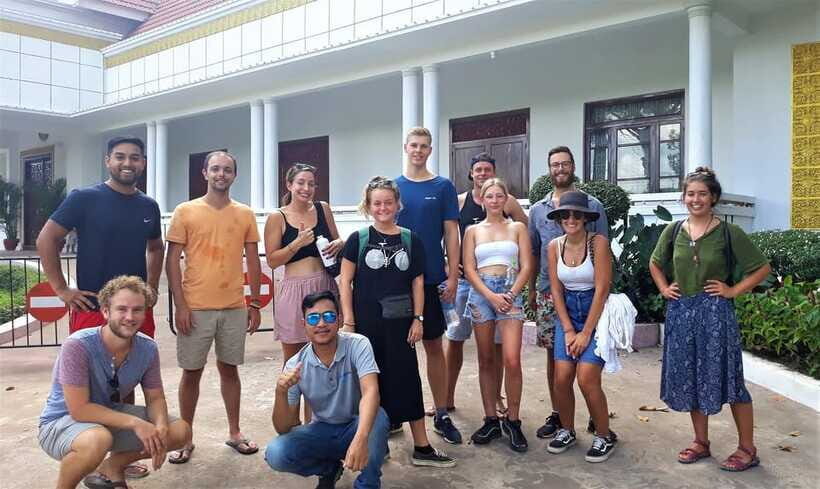
Then you move to Wat Preah Prom Rath, noted for being the city’s largest pagoda and for the reclining Buddha. This is the stop where your “city tour” shifts into something more meaningful. It’s religious space, not just scenery.
Here’s what to be ready for:
- You’ll need to keep your body respectful and your voice level.
- Photo expectations are different inside temple grounds than on streets.
Dress code is clearly important for pagoda visits. Plan to cover your knees and shoulders. Cambodia can be hot and humid, so it helps to use breathable fabric that still meets the rule. If you show up in shorts and a bare-shoulder shirt, you may find yourself scrambling for a cover at the last minute.
If you’ve only seen temples at Angkor before, this one offers a different feeling: it’s in-town, used by people locally, and the scale feels more familiar and walkable.
You can also read our reviews of more city tours in Siem Reap



Stop 4: Kandal Village—boutiques, coffee, and colonial bones
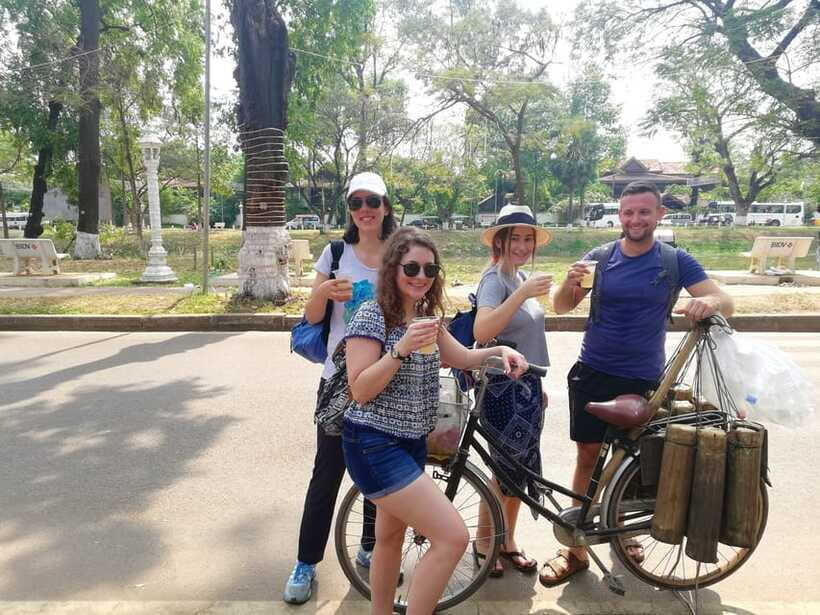
After the temple, you’ll shift into a more relaxed, modern Siem Reap mood at Kandal Village. This stop is known for its boutique stores and coffee houses set among historical colonial architecture.
Why it works on this tour: it connects the spiritual and the street-level. You’ve just seen a major place of worship; now you see how people live their afternoons and evenings—shopping, meeting friends, grabbing drinks, and wandering through streets with older building styles.
This is also the part of town where you’ll start recognizing brands and shopfronts when you return later without a guide. It’s a practical stop for memory-building.
Watch for uneven spots again. Colonial-era streets and walkways sometimes have rougher textures than you expect, especially off the smooth main paths.
Stop 5: Psar Chaa (Old Market)—the city’s central pulse

Next is Psar Chaa, the Old Market. This is where you see Siem Reap as a working city. Markets don’t just sell souvenirs here; they reflect what people buy for daily life, and that’s where your sense of place deepens.
You’ll have time to stroll and browse, and the guide’s value is in steering you toward what’s actually worth looking at. Markets can become a blur if you don’t know where to focus. A good guide helps you notice patterns: what stalls cater to tourists, what sells for locals, what’s made locally, and what tends to be priced higher because it’s displayed more prominently.
Practical tip: keep water handy, but don’t assume the whole route has shade. Even a well-paced 90-minute walk can feel long if you’re wearing the wrong shoes or moving slowly in heat.
Stop 6: Made in Cambodia Market—shopping with an artisan angle
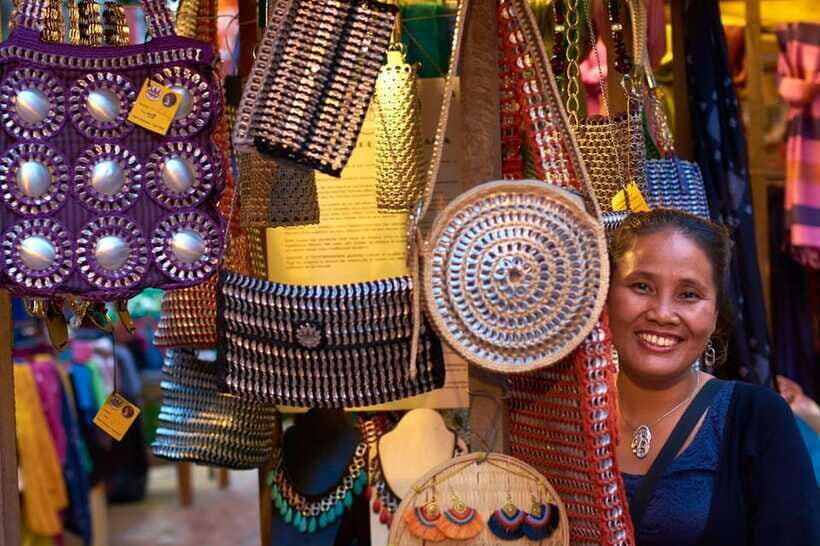
The final stop is Made in Cambodia Market, described as a place where products are made locally and where sales contribute directly to artisans. This is the most “intentional shopping” stop on the route, in the sense that you’re not just browsing goods—you’re looking at craft and production.
Even if you’re not a shopper, it’s still worth the visit because it helps you understand what Cambodian artisans are making right now. For souvenir buyers, this is the moment to slow down. If something catches your eye, ask how it’s made and what the material is. If you don’t buy today, you’ll at least know where to return later.
One consideration: markets often have lots of visual stimulation, so it’s easy to overspend. If you want to control your budget, pick one item category before you enter—like small art prints, textiles, or a single handcrafted souvenir—then stick to it.
Price and value: why $6 feels almost too good
Let’s talk straight about value. This tour includes a local guide, lasts about 1 hour 30 minutes, and covers multiple central landmarks: Royal Residence gardens, a major temple, Pub Street, Kandal Village, plus two market stops.
At $6, the main win is that you’re buying orientation. You’re also getting a guide who can reduce confusion in real time, which is often where people lose money anyway—wasted time, wrong turns, and overpriced detours.
There’s also an optional hotel pickup for $3, but it’s not built into the base price. If you’re staying close to the center, you might not need it. If you’re farther out, pickup can make the day feel easier—just remember it adds to your total cost.
If you’re the type who likes to get your bearings early, this is a strong fit. If you’re already deep into the city and you just want one specific site, you might prefer a different format. But for most first-timers, this route is a smart buy.
Pacing and comfort: the walking part still matters
This is marketed as a walking tour, and the route includes temple grounds and market sidewalks. That means your comfort matters more than usual.
A few things to plan for:
- Bring closed, comfortable shoes. Some surfaces can be rough.
- Dress for temples, not just for the weather. Cover knees and shoulders.
- If you’re traveling as a pair or small group, your guide can usually set a more human pace, but you should still be ready for occasional uneven ground.
If you need extra time at any stop—especially inside the temple—say so early. Most guides are used to visitors moving at different speeds. The earlier you align on pace, the smoother the rest of the walk will feel.
Guide quality: what you can expect from the people leading the walk
The guide is the heart of this experience. Across the range of guides who have led this tour, English ability and friendly explanations are recurring strengths. People often single out guides who keep the walk moving without rushing and who share both site context and everyday life in Siem Reap.
You might be guided by names like Sai, Te, T, Ti, or Tia—and in many cases, those guides are praised for being approachable and good at tailoring the experience to the group’s questions.
Still, do one basic safety check: confirm the meeting location ahead of time and don’t assume your driver will magically know the exact spot. The meeting point is specific, and arriving early gives you time to get sorted before the walk starts.
Who should book this Siem Reap city walk
This is a great pick if:
- You’re arriving in Siem Reap and want orientation fast.
- You’d like a break from temple-only days, with a full picture of the city center.
- You prefer walking with a guide so you can ask questions while you go.
- You want to shop smarter at Psar Chaa and then finish at a craft-focused market.
It may not be the best fit if:
- You dislike walking on uneven sidewalks or you have mobility limits.
- You want a strict “see one famous thing, then leave” schedule. This tour is a route with multiple stops, so it’s more about connection than concentration.
If you can only pick one short activity on your first afternoon, I’d lean toward this one. It sets you up for better temple days and better shopping days afterward.
Should you book this tour?
Yes, if you want a low-cost, high-use introduction to Siem Reap beyond Angkor. The $6 price works out well for what you’re getting: a focused route with a guide, a major temple stop, key market experiences, and an end point right where you’ll naturally keep exploring.
Book it especially if it’s your first day in town. You’ll come away knowing where Royal Residence and Wat Preah Prom Rath are in relation to Pub Street and the markets—and that makes the rest of your trip feel easier.
Just do two things before you go: wear respectful temple clothes and confirm the Damnak Supermarket start so you’re not wasting time figuring it out while you should be walking.
FAQ
How much does the Siem Reap City Walking Tour cost?
It costs $6.00 per person.
How long is the tour?
The tour is about 1 hour 30 minutes.
Where does the tour start and end?
It starts near Damnak Supermarket on 7 Makara St by the Siem Reap River, and it ends at Old Market Bridge on Pokambor Ave.
Is hotel pickup included?
No. Pick up from your hotel is available for an additional $3.
What places are included in the itinerary?
You’ll visit the Royal Residence (including pagoda and gardens), Pub Street, Wat Preah Prom Rath, Kandal Village, Psar Chaa (Old Market), and Made in Cambodia Market.
Are there dress requirements since you visit a pagoda?
Yes. You should cover both your knees and your shoulders (men and women).
Is this a private tour?
Yes. It’s private, so only your group participates.
What is the cancellation policy?
You can cancel for a full refund up to 24 hours before the experience’s start time. If you cancel within 24 hours of the start time, the amount paid is not refunded.