REVIEW · SIEM REAP
Angkor Wat: Highlights and Sunrise with Spanish Guide
Book on GetYourGuide →Operated by Journey Cambodia · Bookable on GetYourGuide
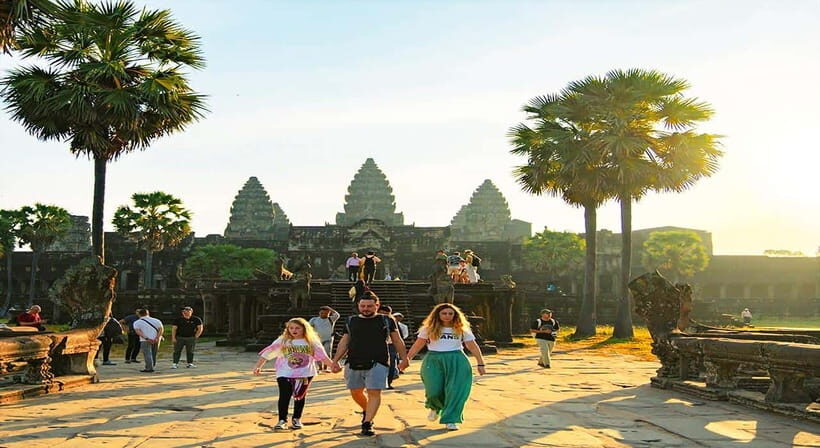
Angkor Wat before sunrise changes your pace fast. This tour strings together sunrise drama and a well-paced guided crawl through the big-name temples, all with a Spanish-speaking professional explaining what you’re actually seeing.
I especially like the early eastern-side entry approach and the storytelling that connects the bas-reliefs to real Khmer life. I also like that the route hits the next-day highlights—Ta Prohm, Angkor Thom, and Bayon—so your money buys one long, efficient morning instead of separate tickets and tours.
One drawback to plan for: the Angkor Wat portion begins in the dark, so you’ll want your own flashlight and you should be ready for walking on ancient, uneven stone.
In This Review
- Key things that make this tour worth your time
- Why sunrise at Angkor Wat is the smart choice
- The Spanish guide factor (and how it affects what you actually get)
- Practical logistics: what you bring and what you should expect
- Angkor Wat at sunrise: from darkness to bas-relief corridors
- The two-hour interior visit: when carvings stop being wallpaper
- Ta Prohm: the temple that looks like it grew in the jungle
- Angkor Thom and Bayon: faces, terraces, and the main dramatic route
- Timing and comfort: eight hours that actually fit a day
- Who should book this sunrise tour
- Should you book? My take
- FAQ
- Do I need a flashlight for Angkor Wat?
- What language is the guide?
- Are temple entrance fees included?
- Is breakfast included?
- What time does the tour finish?
- Is hotel pickup and drop-off included?
Key things that make this tour worth your time

- Sunrise at Angkor Wat with an eastern-side entry, including corridors you only see if you come early enough
- Spanish narration that helps bas-reliefs and temple layouts make sense instead of looking like random carvings
- Photo-friendly timing at both Angkor Wat and the jungle and face-tower stops
- Comfort extras on the move, like cold water and damp towels to cool down
- A tight but not rushed morning, ending around late morning so you can keep the day going
Why sunrise at Angkor Wat is the smart choice
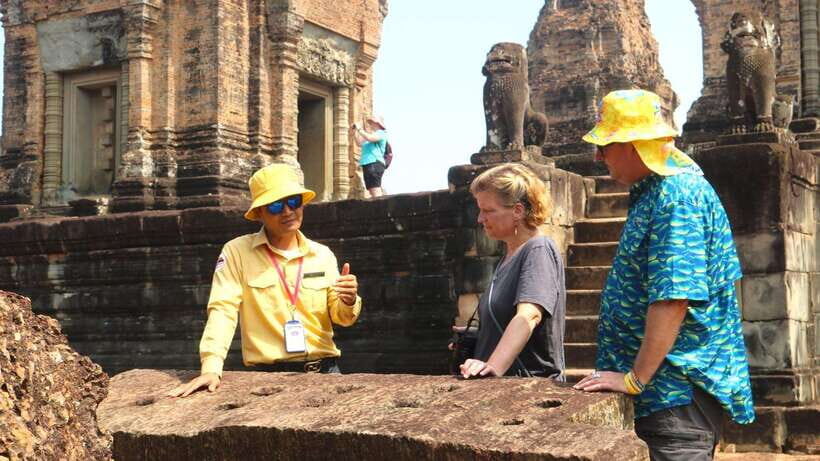
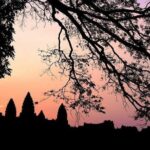
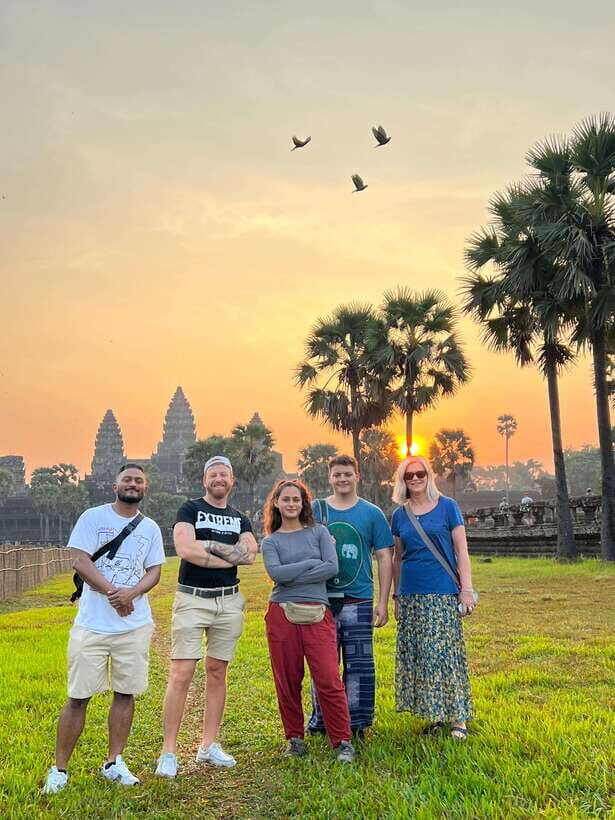
Most people arrive when the light is already high. You’ll do the opposite. Leaving before dawn means you catch Angkor Wat while the air is cooler and the temple feels quieter and more… present.
That matters because Angkor isn’t just a pile of famous stones. It’s built like a staged experience. When you enter early, you get the temple’s mood before your brain has time to turn it into a checklist. You’ll start in darkness, then slowly work your way toward the sunrise viewpoints. It’s a simple sequence, but it changes how the whole place lands.
You also get a rare kind of access: the route begins through an eastern side entry rather than the usual main flow. That can help you avoid the most crowded moments and gives the tour a more exploratory feel.
You can also read our reviews of more guided tours in Siem Reap
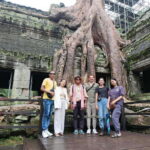
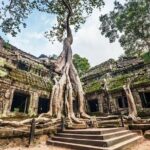
The Spanish guide factor (and how it affects what you actually get)
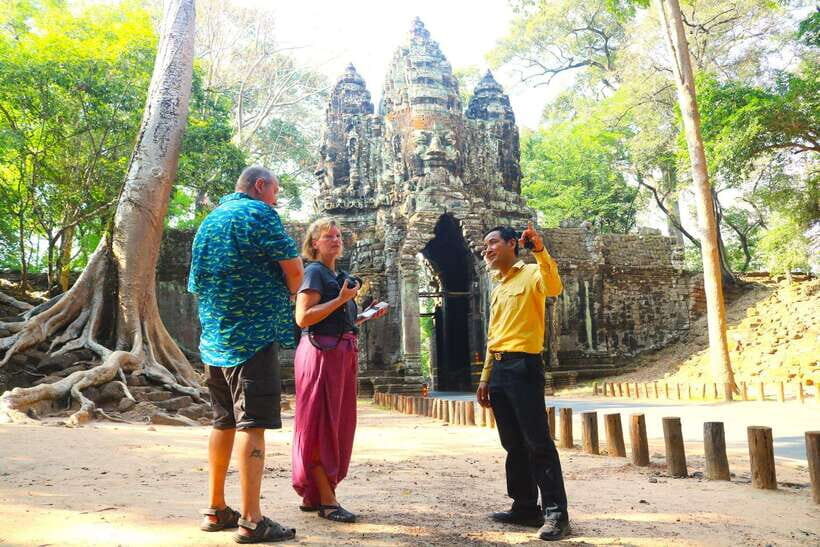
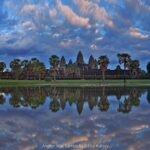
This tour is led by a professional local guide who speaks Spanish and narrates as you move. That’s not a minor detail at Angkor, where so much is carved into walls and left for you to interpret on your own.
The guide’s job here is practical and story-driven: you’ll be guided through corridors and chambers, and you’ll get explanations tied to the reliefs you’re walking past. The tour description specifically calls out that you’ll spend about two full hours inside Angkor Wat, including central chambers and upper terraces. In plain terms, you’re not just stepping inside for a quick photo. You’re there long enough for the explanation to actually connect.
One Spanish guide associated with these departures, Sokha, has been singled out for being attentive and for guiding people to the best viewpoints and photos. Even if your guide isn’t Sokha, the pattern is clear: this is set up for explanation, not silence.
If you like asking questions while you walk, this tour style fits that. If you don’t speak Spanish, you’ll still get some visuals and structure, but the value is highest when you can follow the narration.
Practical logistics: what you bring and what you should expect
Before sunrise, you’re not just early. You’re really early. The tour also asks you to bring a flashlight, because you enter the great temple in the dark from the eastern side. If you forget, you’ll be stuck playing flashlight roulette with your phone at the exact time when visibility matters.
Pack for real sun and heat afterward:
- Sun hat
- Sunglasses
- Sunscreen
- Comfortable shoes you trust on uneven stone
Also note what’s not included. Temple entrance fees are not included in the $29 price. The tour states $37 per person for all temples. That’s a big part of your total cost, so you’ll want to plan on paying that on top of the tour.
Good news: the tour includes skip-the-ticket-line handling, plus cold water and a damp towel. Those comfort bits matter more than you think when you’re switching between dawn chill and midday sun.
Angkor Wat at sunrise: from darkness to bas-relief corridors
This is where the tour earns its name.
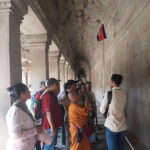
You’ll leave your hotel before dawn for sunrise in front of Angkor Wat. The plan is to enter in the dark, then descend through ancient cloistered corridors. The description highlights the long walk through corridors and especially mentions that you’ll reach the longest stretch of bas-reliefs in the world. That detail isn’t just trivia. It tells you what the guide will anchor: you’ll have a lot of stone narrative to look at, and you’ll be walking through it instead of just stopping at a single wall.
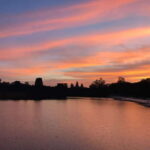
From there, you’ll reach a sunrise moment at the edge of one of the library’s ancient pools. It’s a classic Angkor setting: stone, water, early light, and the kind of reflections that make even tired people stand up straighter.
One smart tip: if you want photos, keep your movements simple. You’ll be juggling flashlight time in the dark, then sunrise timing. If you’re the type who spends 20 minutes switching lenses, you’ll start feeling behind.
The tour also promises fantastic aerial views. Since aerial views can mean different things depending on the vantage points used, treat this as a heads-up that you’ll get viewpoints worth photographing, not necessarily a literal drone shot.
The two-hour interior visit: when carvings stop being wallpaper

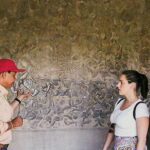
After the sunrise portion, you’ll explore the interior of Angkor Wat with guided time that totals around two hours. The description specifically calls out corridors, central chambers, and upper terraces.
This is the part many short tours skip, because it takes longer than people expect. But when you’re moving through interior spaces, bas-reliefs and carvings aren’t just decoration. They’re a visual library—scenes stacked across time, showing how power, religion, and daily life showed up in stone.
Your guide’s job is to pull stories out of what you’d otherwise read as generic patterns. You’ll get insight into what life was like during the Khmer Empire’s height, based on what the guide points to in reliefs and temple layout.
Practical note: upper terraces mean stairs and sun exposure. Even if you feel fine at dawn, the warmth builds quickly once the light climbs. That’s where the cold water and damp towel support really pays off.
At the end of the Angkor Wat segment, you’ll have breakfast outside the temple. Breakfast is included in the tour flow as a stop, but the breakfast itself is not included, so bring money or plan to buy something nearby. Then there’s a short rest before the next temples.
You can also read our reviews of more tours and experiences in Siem Reap

Ta Prohm: the temple that looks like it grew in the jungle
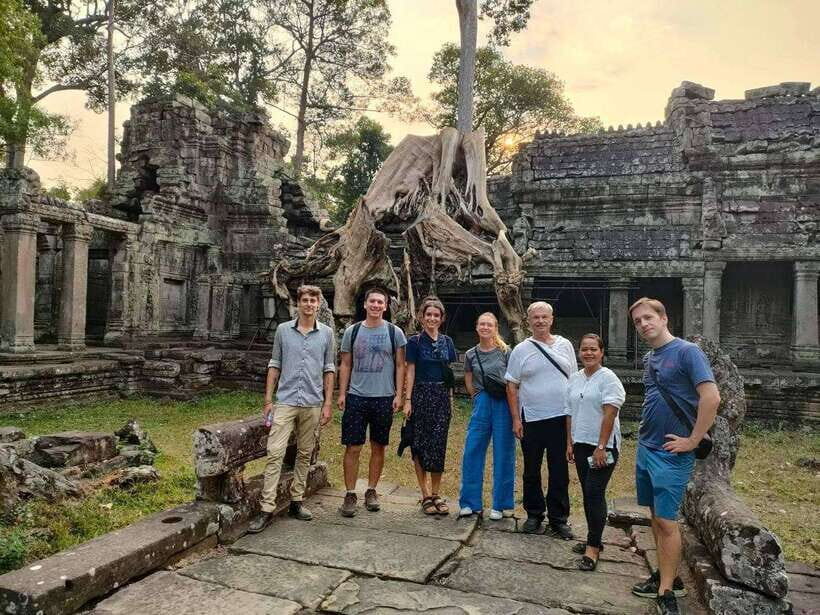
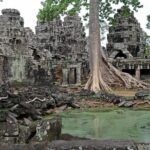
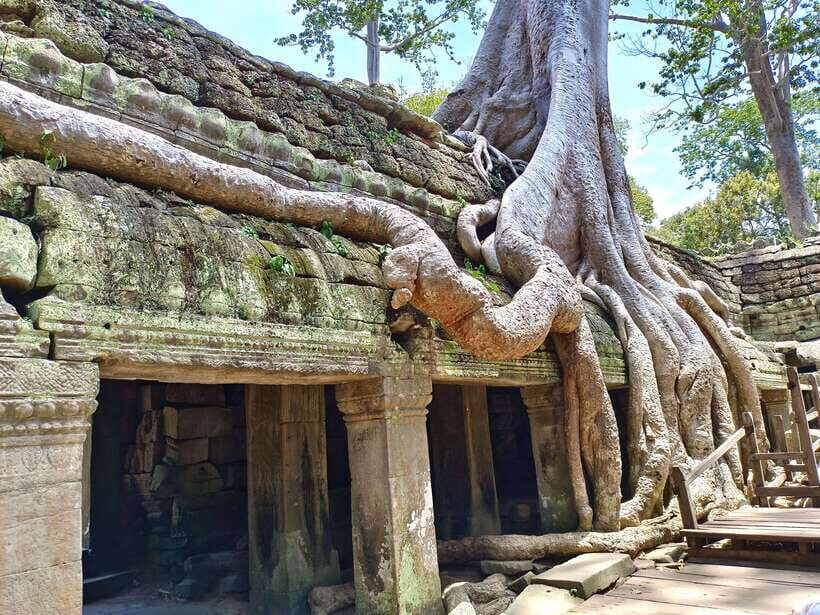
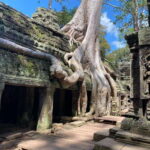
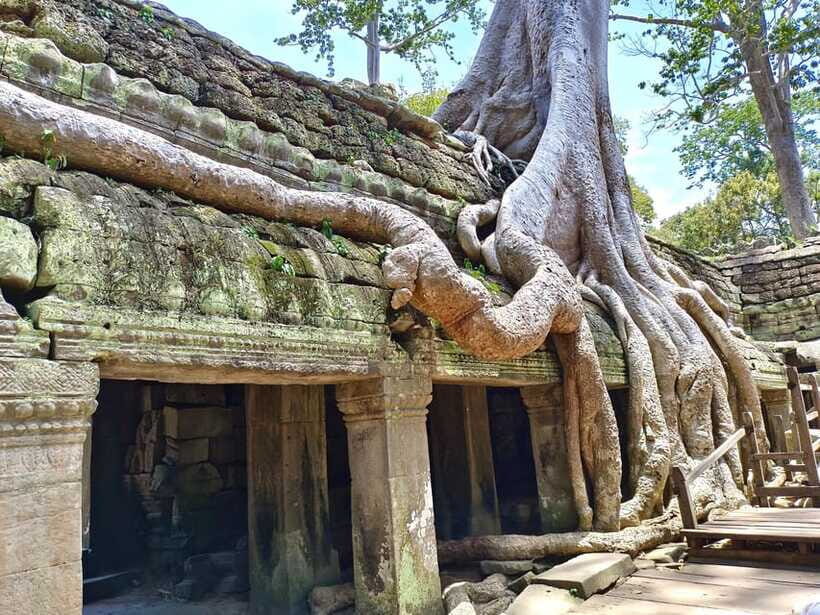
After breakfast and a reset, you head to Ta Prohm. This stop is famous for a reason: it’s one of Angkor’s most symbolic temples covered by jungle.
The guide context includes a standout fact—Ta Prohm once housed 2,740 monks. That number matters because it frames the ruins. You’re not looking at random roots and stones. You’re seeing a place that once held a full community, and the jungle presence is a reminder of time passing without permission.
The description also notes that Ta Prohm looks much the same as it did after French explorer Henri Mouhot “rediscovered” the site in the early 1850s. In practice, this tour gives you time to see the atmosphere that made that rediscovery matter: intertwined trees, broken walls, and views that feel almost theatrical even when the scene is still and quiet.
This is also a good spot for photographs. Bring your patience and keep moving. The roots and stone create tight angles, so you’ll get better results by waiting for your turn and then shooting quickly rather than trying to set up a full production.
Angkor Thom and Bayon: faces, terraces, and the main dramatic route
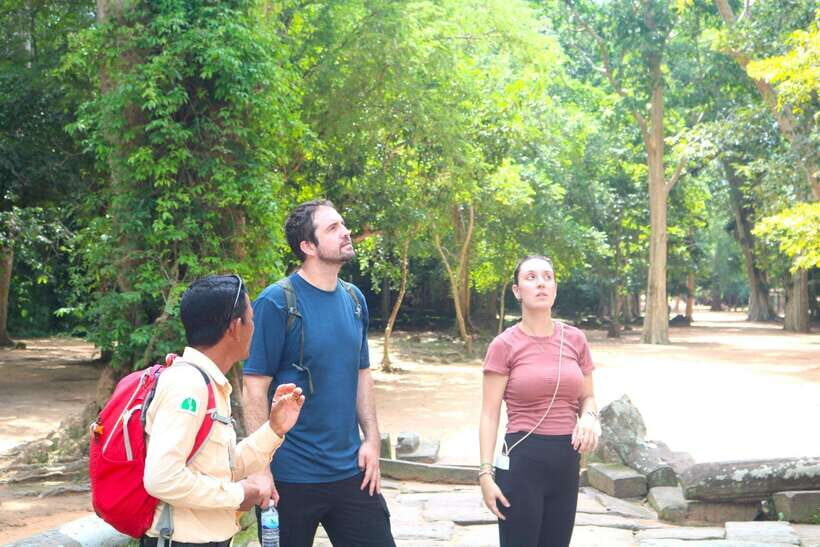
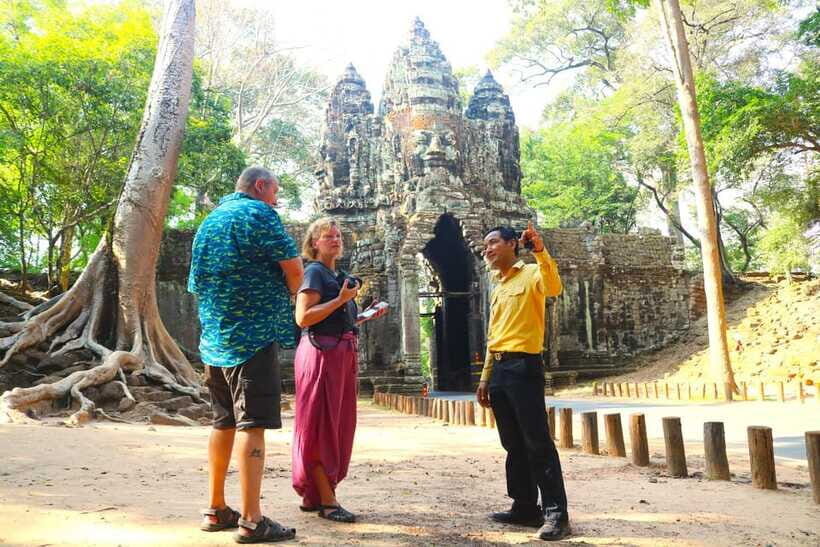
Next comes Angkor Thom, the walled city area. You’ll pass the Terrace of the Leper King and the Terrace of the Elephants before reaching Bayon Temple.
These terraces are more than scenic pauses. They help you understand how Angkor Thom was designed for viewing and processional movement—places meant for crowds, rituals, and the kind of power display that needed an audience.
Then you arrive at Bayon Temple, listed in the description as a 12th-century temple with central towers covered with more than 200 enormous faces. You’ll see these towers up close, and the faces do more than decorate. They create a repeating focus point from different angles, which is why Bayon often feels like the most visually confusing and exciting temple at Angkor Thom.
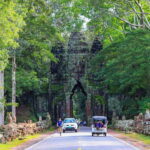
After Bayon, the tour continues toward the South Gate of Angkor Thom. The description includes a detail that’s worth imagining as you walk: the gate is flanked by a row of 54 stone figures on each side, with gods on the left and demons on the right.
That god-versus-demon layout is one reason Angkor Thom feels more theatrical than Angkor Wat. You’re moving through a designed narrative sequence, and the South Gate adds a final “frame” before you transition out of the city.
The tour ends with relaxed time in the Angkor Archaeological Park surroundings before returning to your hotel. The stated finish time is between 12:30 and 1:30 p.m., which is a great slot because you still have the rest of the day open for a market, a museum, or just sitting with a cold drink and processing what you saw.
Timing and comfort: eight hours that actually fit a day
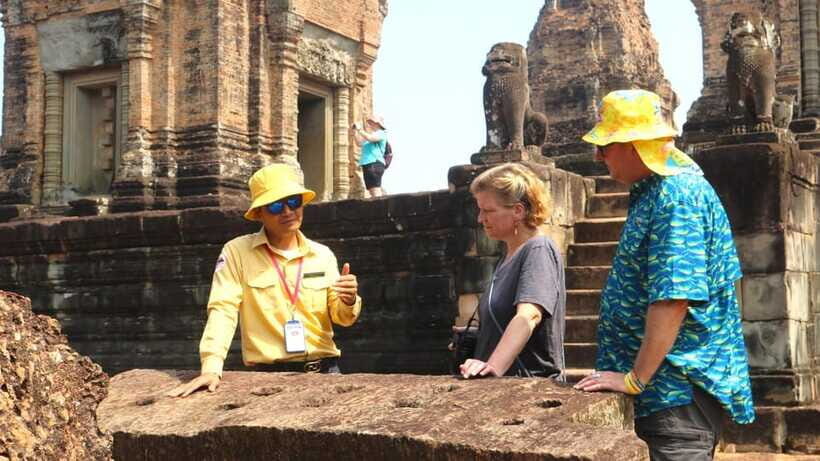
The tour runs about 8 hours, but it’s structured. You get the most magical light first, then you keep going while the day is still new enough to feel manageable.
You’re also traveling in an air-conditioned vehicle, which you’ll appreciate once sunrise has turned into real heat. The tour includes complimentary bottle water and a damp towel on the move. That combination helps you not feel drained early.
Value check: $29 for a guided Spanish sunrise tour is a reasonable base price. But because temple entrances are an additional $37 per person, your real cost is closer to the sum of both. Still, you’re not just buying access. You’re buying:
- a guided sunrise entry experience,
- a structured multi-temple morning,
- skip-the-ticket-line handling,
- and comfort support.
If you were planning to do Angkor Wat, Ta Prohm, and Angkor Thom on your own, you’d likely spend more time coordinating and more energy figuring out what you’re looking at. Here, the guide organizes the order and explains the carvings so you don’t wander for hours with a half-educated guess.
One more consideration: the tour is not suitable for wheelchair users and it’s also listed as not suitable for people over 95 years. It’s also not set up for pets or baby strollers. Plan around walking time and uneven surfaces.
Who should book this sunrise tour
This tour is a good match if you want:
- One efficient morning covering the big Angkor hits
- A Spanish-speaking guide explaining carvings and temple layouts
- Sunrise energy at Angkor Wat, including the dark entry and corridor storytelling
You might skip it if:
- you hate early mornings,
- you don’t want to navigate dark temple entry (even with a flashlight),
- or you expect a low-walking, sit-and-watch style.
If you’re the type who likes context—who wants stone to mean something—this format fits your style. If you just want skyline photos and quick stops, you might feel the pacing is too structured.
Should you book? My take
I think this tour is worth booking if you’re aiming for maximum impact in a single morning. The early sunrise start, the eastern-side entry, the long Angkor Wat interior time, and then the run to Ta Prohm and Bayon make it a strong value package.
The two big decision points are simple:
1) Can you handle dark temple entry and walking on ancient stone with a flashlight?
2) Are you comfortable paying temple entrance fees on top of the tour price?
If yes, book it. If you’re still on the fence, compare your priorities: this isn’t just another Angkor checklist tour. It’s designed around sunrise atmosphere plus guided meaning.
FAQ
Do I need a flashlight for Angkor Wat?
Yes. The tour description says you will enter the great temple in the dark, so you should bring a flashlight.
What language is the guide?
The live guide speaks Spanish.
Are temple entrance fees included?
No. Entrance to the temples costs $37 per person for all temples and is not included in the tour price.
Is breakfast included?
Breakfast is part of the morning plan outside the temple, but breakfast itself is not included.
What time does the tour finish?
The visit ends between 12:30 and 1:30 p.m., depending on the flow of the day.
Is hotel pickup and drop-off included?
Yes. The tour includes complimentary hotel pickup and drop-off in the Krong Siem Reap area.