REVIEW · KAMPONG PHLUK
Siem Reap: Kampong Phluk Floating Village Tour with Boat
Book on GetYourGuide →Operated by Siem Reap Experiences · Bookable on GetYourGuide
A floating village tour hits different when the water is part of daily life. This afternoon-to-sunset trip takes you from Siem Reap into Kampong Phluk, where houses on stilts (up to 9 meters high) sit among mangroves and families keep living through the tides. I especially love how the boat time on Tonle Sap feels both scenic and practical, not just sightseeing.
The day also includes a guided walk inside the community, plus a stop at a Hindu-Buddhist church covered in colorful murals. One thing to plan around: the tour runs late (pickup starts about 2:00pm for a 2:30pm departure and it ends by 7:30pm), and food isn’t included, so you’ll want to budget for dinner on the water.
In This Review
- Key things you’ll notice on this Kampong Phluk boat tour
- Getting there the easy way: late-afternoon timing from Siem Reap
- Kampong Phluk on foot: stilt homes, mangroves, and daily life
- Wet vs dry season: how your route changes with the tides
- Tonle Sap by boat: the ride that turns scenery into perspective
- Floating restaurant and sunset: where the magic actually happens
- Optional floating-forest canoe: worth $5 if you like mangroves
- Guides matter here: English, local pride, and good pacing
- Comfort, rules, and what to bring so the day runs smoothly
- Price and value: why $19 can work (and when it won’t)
- Who should book this Kampong Phluk boat tour
- Should you book Kampong Phluk with a boat?
- FAQ
- What time does the tour start and end?
- How long is the Kampong Phluk floating village tour?
- How much does the tour cost?
- What’s included in the price?
- Is food included?
- Is there an optional canoe ride?
- What should I bring?
- Are life jackets provided on the boat?
- Are alcohol or drugs allowed?
- Is the tour wheelchair accessible?
Key things you’ll notice on this Kampong Phluk boat tour
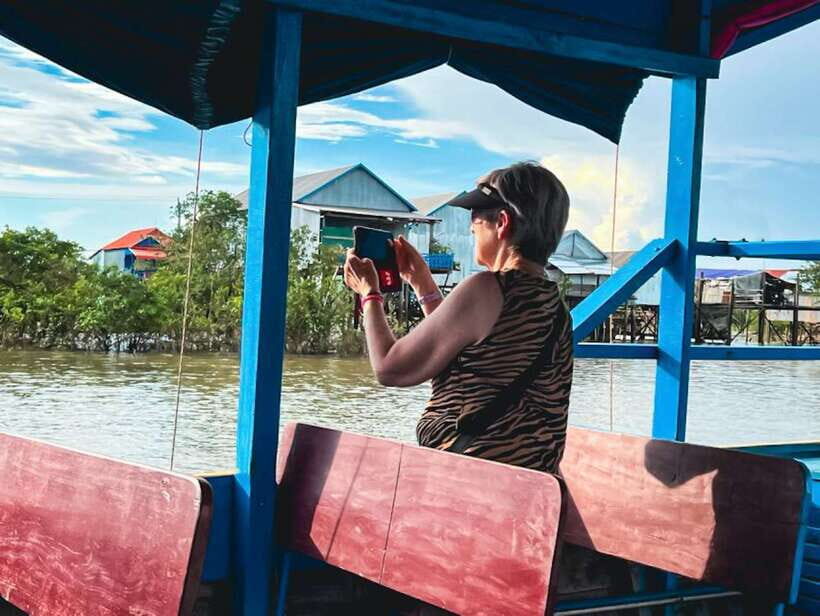
- Raised houses on stilts up to 9 meters, shaped by seasonal water levels
- A Hindu-Buddhist church with colorful murals showing how faiths coexist
- Tonle Sap and mangroves by boat, with life jackets on board
- Chilled bottled water and multiple restroom stops during the day
- Sunset viewpoints from a unique lake perspective (when the option is selected)
- An optional $5 floating-forest canoe add-on for extra mangrove flavor
Getting there the easy way: late-afternoon timing from Siem Reap
This is a 5–6 hour tour that starts with pickup from your hotel or meeting point about 30 minutes before departure. The scheduled departure is 2:30pm, and it ends by 7:30pm, which means you get the best kind of light for photos and a calmer pace than some all-day tours.
You drive from Siem Reap to Kampong Phluk, roughly 45 minutes away. On the way, the route can include a brief glimpse of smaller-town life (including markets in Roluos), which helps the day feel connected to Cambodia beyond Angkor.
The transport is an air-conditioned minibus with a guide riding with you. That matters here because you’re not just being driven to a viewpoint—you’re getting context while you travel.
You can also read our reviews of more tours and experiences in Kampong Phluk.
Kampong Phluk on foot: stilt homes, mangroves, and daily life
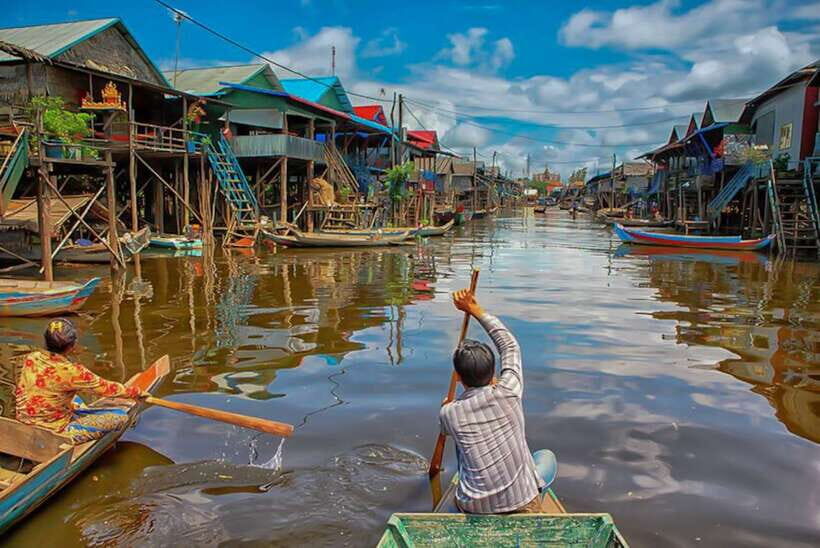
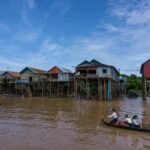
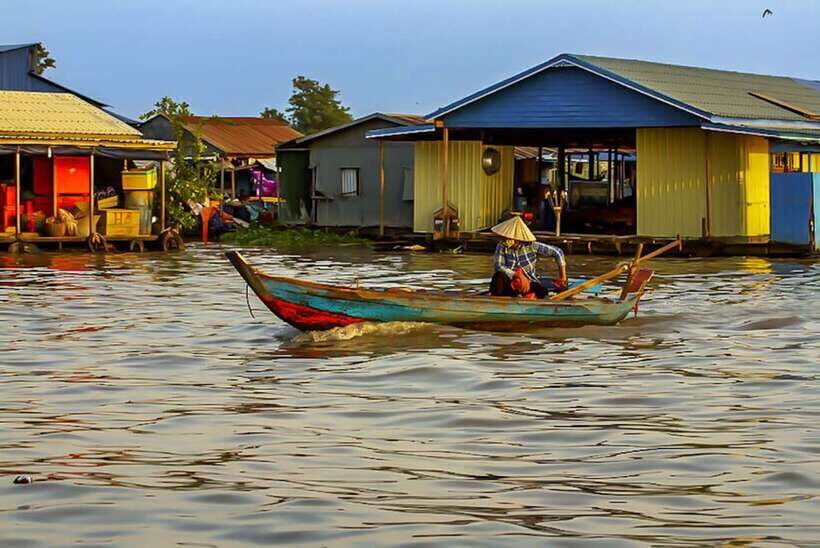
Kampong Phluk is built for the water. Houses are raised on stilts—reported up to 9 meters—so families can keep living as seasons change. Once you arrive, the guide helps you understand how the community stays self-sufficient and sustainable, something that’s been shaped by decades of hardship and recovery after the civil war ended.
Your walk through the village is where you’ll see the village as a place, not a stage. You’ll notice families are mostly fishermen and farmers, and the way daily routines are tied to the seasons is the point of the visit. If you’re curious about how people actually adapt—rather than just how something looks in a photo—this part lands.
A standout stop is a church that blends Hindu and Buddhist themes, with colorful murals covering the building. It’s a surprising but meaningful moment, because it visually answers the question of how different faiths can coexist in everyday life.
Practical tip: bring a charged smartphone. You’ll get lots of photo moments, but also a chance to capture murals, stilt details, and the way paths and spaces shift with the water.
Wet vs dry season: how your route changes with the tides
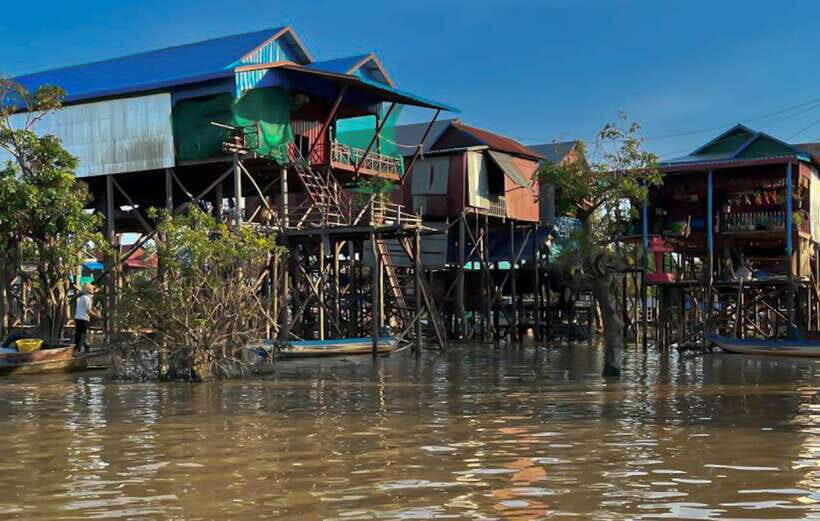
Season changes everything at Kampong Phluk. In the wet season (June to March), water levels rise and it becomes easier to travel by boat to see school, work areas, and the pagoda as part of your route through the community.
In the dry season, before the water rises, you may get more chances to walk along the main street and watch daily activities on land. Either way, the goal stays the same: you’re seeing how people live with the lake as a neighbor, not a background.
That seasonal flexibility is one reason the tour appeals to so many ages. It’s not a rigid checklist that looks the same every week; it’s the same community at a different water moment.
Tonle Sap by boat: the ride that turns scenery into perspective
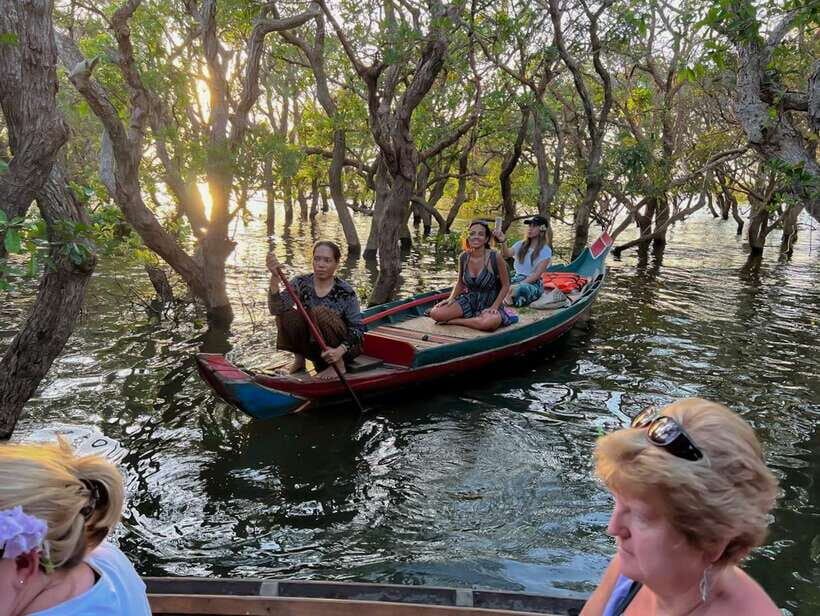
After the village time, the tour shifts to the lake. You head out to the mighty Tonle Sap, and you’ll ride a river boat into mangrove areas with life jackets provided. The boats can have a roof, which helps if the weather shifts or the sun gets strong later in the afternoon.
This is one of the highlights for a reason: the boat ride shows the scale of the ecosystem and how navigation is built into daily life. Even when you’re simply watching—boats passing, water moving under stilt structures—the lake doesn’t feel like an attraction. It feels like infrastructure.
You also get a smoother transition from walking around homes to seeing how the region functions at water level. It’s less about thrill and more about understanding.
Floating restaurant and sunset: where the magic actually happens
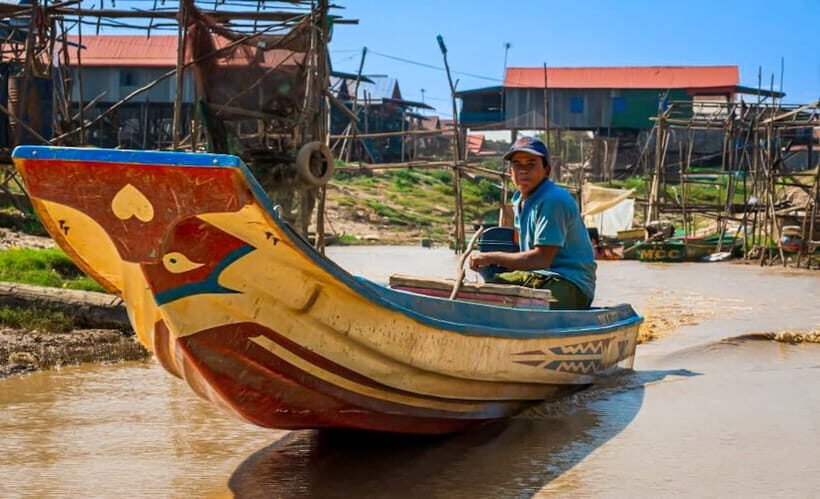
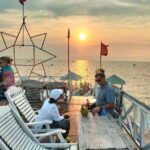
Next comes the floating restaurant, reached by river boat. This is where the day slows down a notch. You’ll have time to rest, cool off, and take in lake views before sunset, with the exact vibe depending on what time the boat ride and village walking finish.
Food isn’t included, but you can eat there, and the setting makes meals feel like part of the experience rather than an afterthought. The tour includes chilled bottled water, which is a small detail but a real comfort on a warm Cambodian afternoon.
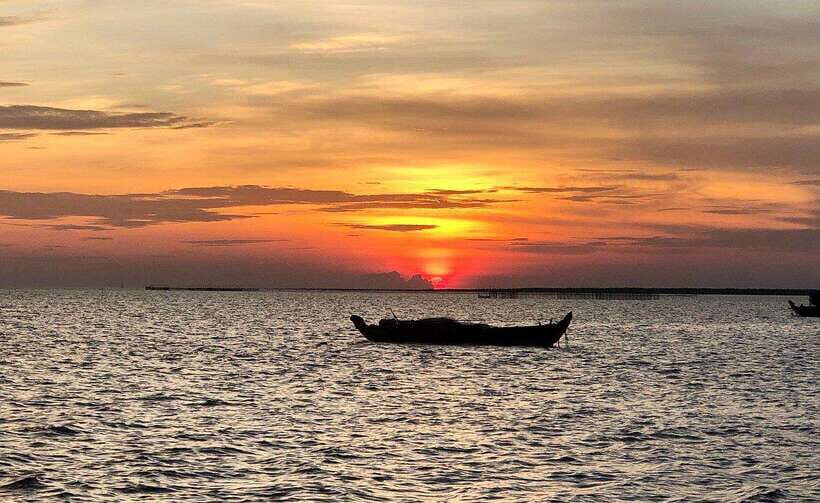
If you select the sunset option, your guide builds in time for sunset views from a unique lake viewpoint. One of the best parts here is that the sunset isn’t just something you watch from the road. You see it from water-level perspective, with reflections and wide sky overhead.
Practical tip: don’t leave everything to photos. Take a couple minutes to look away from your camera and just watch the light change. The whole mood of Tonle Sap shifts quickly.
Optional floating-forest canoe: worth $5 if you like mangroves
There’s an optional add-on: a floating forest canoe ride for $5. It’s not included in the base price, but it can be a nice upgrade if you want more time in the mangroves and less time seated.
This is the part to consider if you enjoy small-scale exploration. The canoe option tends to feel closer to the natural texture of the area than the larger boat ride does.
If you’re watching your budget, you can skip it and still get a full boat-and-sunset day. The core experience is built around the village walk plus the Tonle Sap boat segment.
Guides matter here: English, local pride, and good pacing
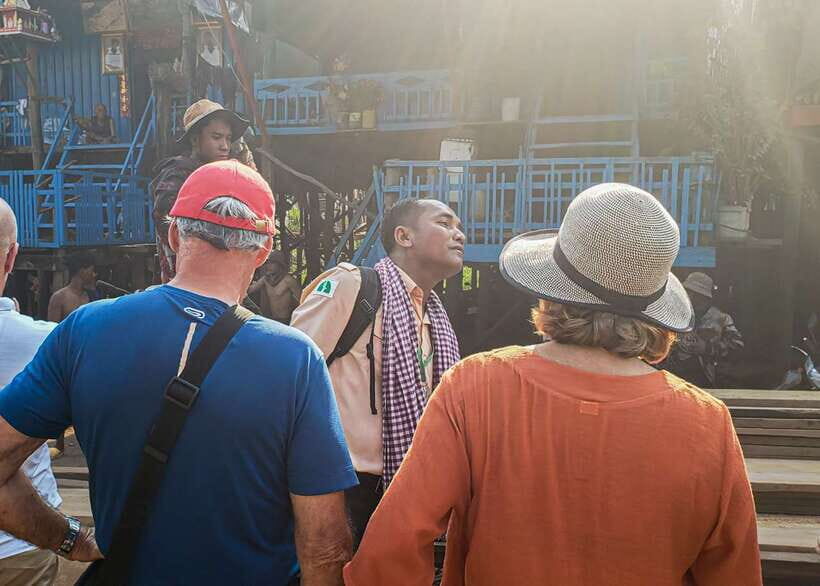
A big reason this tour scores so high is the quality of the guide experience. On the trip you might have English-speaking guides like Tom, Pon, Chout, Poun, or Ho Heang—and a number of them speak with real pride because they’re from the area or from the floating-village community.
You’ll notice they keep things moving but not rushed. Guides explain how homes are built for the water, why the church matters, and how daily life works through the seasons. Several guests highlight guides as funny and energetic, but the best part is that the humor isn’t random—it helps you stay relaxed while learning.
If you’re the type who likes asking questions, this is a tour where you’ll get answers. The village setting makes discussions feel grounded instead of abstract.
Comfort, rules, and what to bring so the day runs smoothly
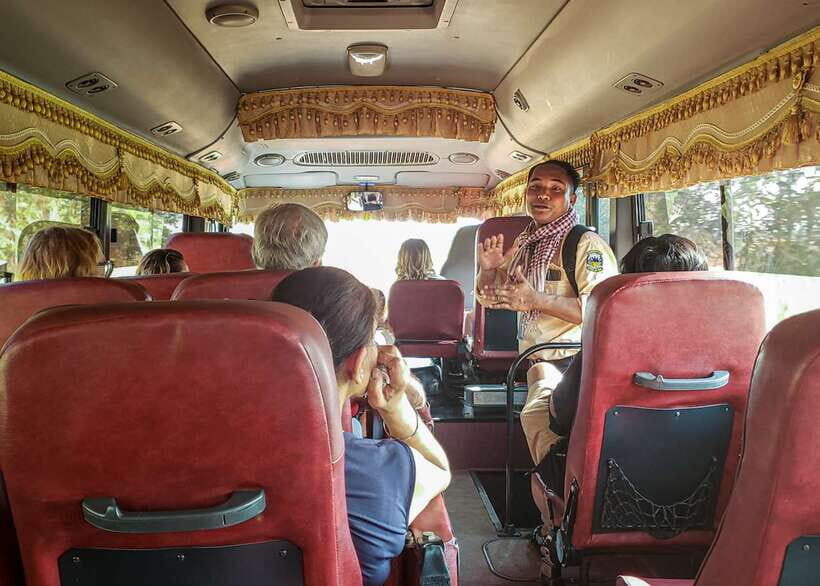
This tour includes hotel pickup and drop-off, an air-conditioned minibus, a guide, village admission, the boat ride, and chilled bottled water. There are also multiple restroom stops during the afternoon, which makes the late timing much easier.
On the water, life jackets are on board. Boats may have a roof, and the overall design of the day assumes you’ll spend time both walking and sitting.
A few rules to keep in mind:
- Alcohol and drugs aren’t allowed.
- Bring any personal medication you need.
- Wear something comfortable for walking around village areas and transferring between boats.
The tour isn’t suitable for wheelchair users, babies under 1 year, or people over 70 years. If you’re in an older age bracket or have mobility limits, this is one of those “confirm your comfort level first” situations.
Price and value: why $19 can work (and when it won’t)
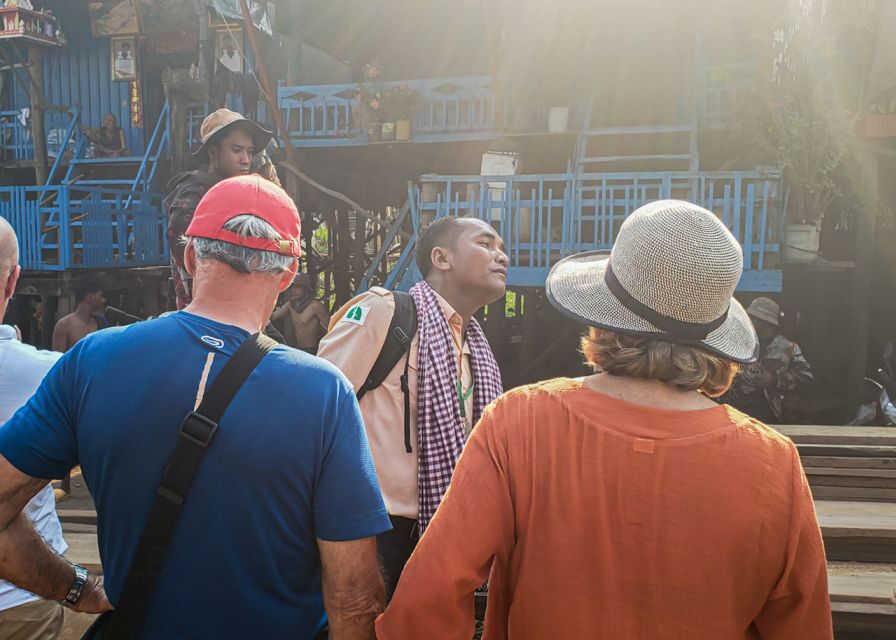
At $19 per person, the standout value is what’s bundled: pickup, guide, admission to the village, and the boat portion of the day. In Cambodia, transport and guided access can add up quickly, so having those pieces included makes the price feel reasonable for what you actually do.
The main catch is that food and additional drinks aren’t included. You should expect to pay for dinner at the floating restaurant if you choose to eat there. Also, the optional canoe is extra ($5).
So the real “all-in” cost depends on how you handle dinner and whether you take the canoe. If you’re fine with budgeting for a meal on the lake, this feels like a practical way to see Kampong Phluk without turning the day into constant taxi math.
Who should book this Kampong Phluk boat tour
This is a strong match if you want:
- A guided look at how people live with seasonal water
- Boat time on Tonle Sap, not just a photo stop
- A sunset-focused afternoon plan with a local guide
It’s also a good choice for families and mixed groups because the day is paced with stops, water provided, and time to sit at the lake restaurant.
If you want a fully self-directed experience with zero structured talking, you might find the guided elements a little much. But if you enjoy learning while you walk, this tour fits well.
Should you book Kampong Phluk with a boat?
Yes, I’d book it if you want a real sense of daily life in a place that changes with the tide. The combination of stilt houses, the church murals, and Tonle Sap boat time creates a more complete picture than a short sightseeing stop.
If you’re sensitive to walking, this might be harder, and the late-afternoon-to-sunset schedule may not suit everyone. Also plan for extra spending on dinner and the optional $5 canoe.
In the end, this tour works because it’s not only about scenery. It’s about how a community survives and adapts—and that makes the sunset feel earned rather than accidental.
FAQ
What time does the tour start and end?
Pickup begins about 30 minutes before departure time. Departure is scheduled for 2:30pm, and the tour ends by 7:30pm.
How long is the Kampong Phluk floating village tour?
The tour runs about 5–6 hours.
How much does the tour cost?
The price is listed as $19 per person.
What’s included in the price?
Included items are hotel pickup and drop-off, air-conditioned minibus, a guide, village admission, the boat ride, chilled bottled water, and sunset views if the option is selected.
Is food included?
No. Food and additional drinks are not included, though you can eat at the floating restaurant.
Is there an optional canoe ride?
Yes. The floating forest canoe is an optional add-on for $5.
What should I bring?
Bring a charged smartphone and any personal medication you need.
Are life jackets provided on the boat?
Yes. Life jackets are on the boat.
Are alcohol or drugs allowed?
No. Alcohol and drugs aren’t allowed.
Is the tour wheelchair accessible?
No. The tour isn’t suitable for wheelchair users.