REVIEW · SIEM REAP
Siem Reap: Tonle Sap and Kampong Phluk Tour with Street Food
Book on GetYourGuide →Operated by ASEAN ANGKOR GUIDE · Bookable on GetYourGuide
Siem Reap turns sideways on this tour. One minute you’re riding a wooden boat through flooded homes and mangroves on Tonle Sap, the next you’re sampling Cambodian street food you’d never hunt down on your own. I especially love the up-close look at daily life for fishing families in Kampong Phluk, and I love that the food stop mixes classic Khmer favorites with adventurous fried bites like cricket or tarantula. One thing to consider: the floating village experience changes a lot with the season, and during the dry stretch the water can look brown and some boats/canoes may have limits.
The best part is how the evening food portion ties the whole day together. I like that the tour keeps you moving at a comfortable pace, with an English-speaking guide (people like Yen, David, and Seila have led groups) and a small group limited to 10. If you’re sensitive to heat or insects, pack smart since you’ll spend hours outdoors.
In This Review
- Key Highlights You’ll Feel Fast
- From Siem Reap to Tonle Sap: the drive that sets the mood
- Kampong Phluk by boat: what the floating village really is
- Wooden boat time: the mangroves, the ports, and the pace
- Dry season timing (late March to late July): when photos are harder, but meaning is richer
- The monastery on an artificial island: a quiet break in the middle of the water world
- Street food in Siem Reap: why the evening tastes like the real city
- Night market after dinner: food, fruit, and everyday shopping
- Price and value: is $55 a good deal?
- The guide and group size: why small matters on this day
- What to bring (so the day doesn’t fight you)
- Who should book this Tonle Sap and street food combo
- Should you book it?
- FAQ
- How long is the tour, and when does it start?
- How big is the group?
- What boat and sightseeing do I do at Tonle Sap?
- What’s included in the street food part?
- What should I bring?
- What season matters for the floating villages?
Key Highlights You’ll Feel Fast
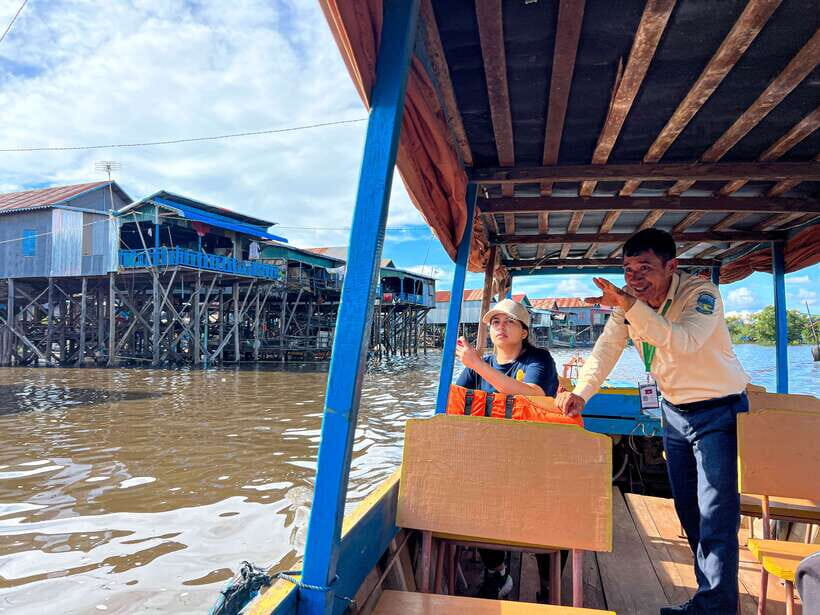
- A 4-hour boat cruise through Tonle Sap’s floating village area and mangrove scenery
- Floating homes on tall poles and the real rhythm of fishing families
- Food tour with a mix of familiar and adventurous Khmer snacks, plus 1 beer and dinner
- Street-food market focus so you eat where locals do, not just tourist counters
- Night market time to browse food stalls, fruit, and even mobile clothing vendors
- Guides who push you gently to try new things, with clear explanations of what you’re eating
From Siem Reap to Tonle Sap: the drive that sets the mood
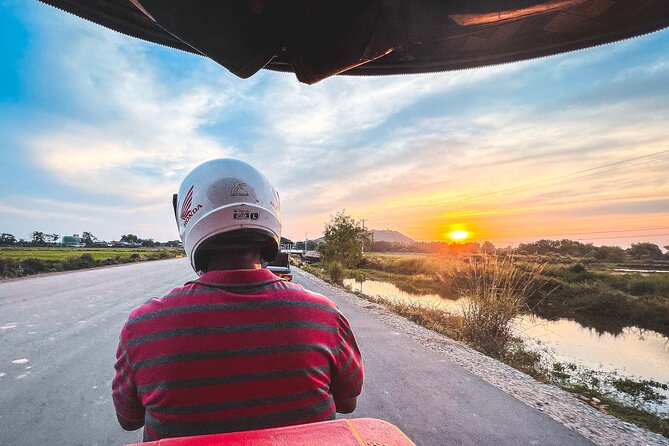
This tour starts with a hotel pickup in Krong Siem Reap, usually between 2:00 pm and 2:20 pm. You’ll head about 21 kilometers out toward Kampong Phluk, and the ride is done in an air-conditioned vehicle, so you’re not arriving sweaty and tired. For a late-afternoon start, it’s a smart schedule: you get daylight views on the water and still have plenty of time for dinner-level street food afterward.
Once you’re out of town, the countryside feel kicks in. That contrast matters. Instead of only seeing temples, you get a different Cambodia, where livelihoods depend on the lake’s water levels and the shoreline moves with the seasons.
You can also read our reviews of more food & drink experiences in Siem Reap
Kampong Phluk by boat: what the floating village really is
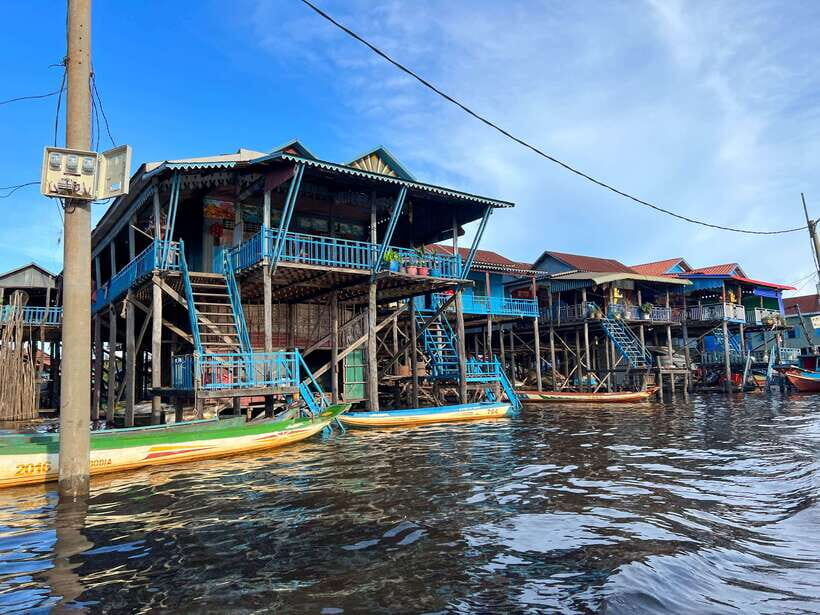
At Tonle Sap, the big idea is water. In rainy season, families live on stilted houses and the high water supports the system they rely on. In other months, the scenery shifts as the water recedes, and that’s exactly when the village shows a less postcard version of itself.
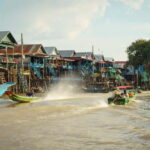
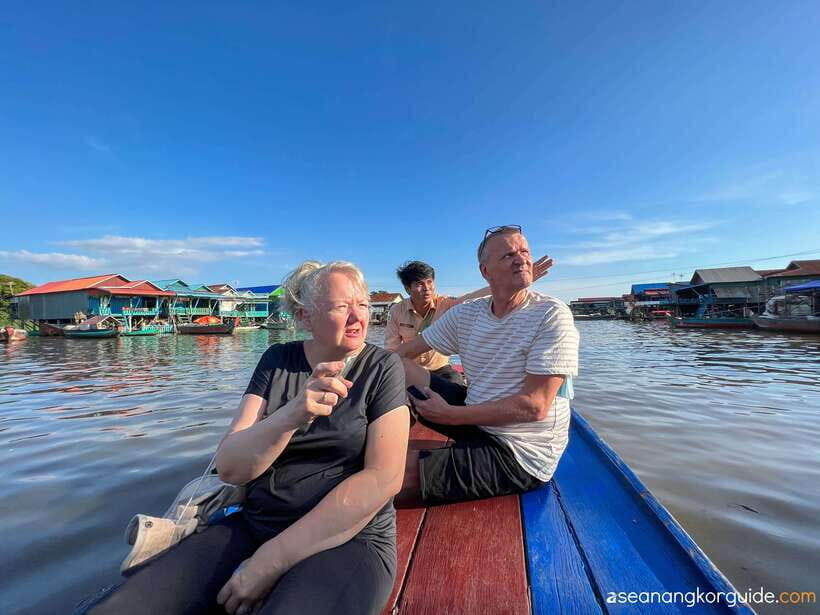
On the water around Kampong Phluk, you’ll see bright houses raised on long poles and understand how “floating village” doesn’t mean floating like a cruise ship. It’s homes built for changing conditions. You also get a view of the lake as working space, not just scenery, because fishing is the main source of life for many families.
The cruise area also includes the surrounding mangrove forest. The tour description points out species living there, and that helps you notice what’s different about this ecosystem compared to typical rivers or canals. You might hear guides talk about local wildlife sightings too, including crab-eating macaques.
Wooden boat time: the mangroves, the ports, and the pace
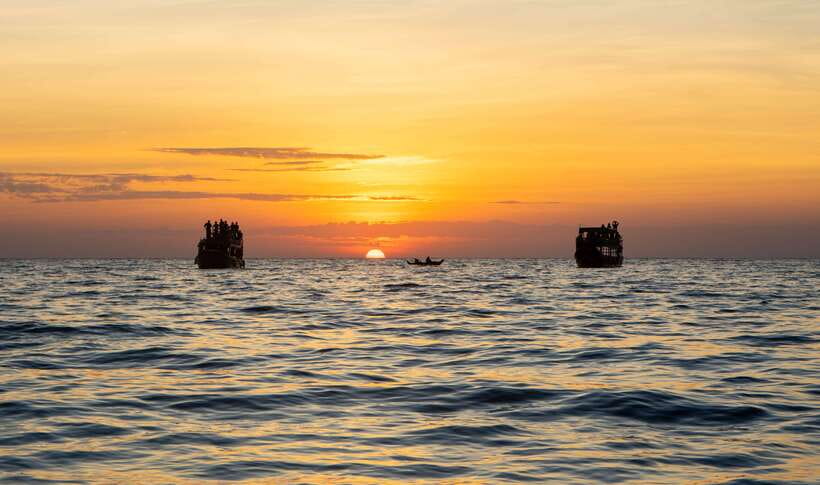
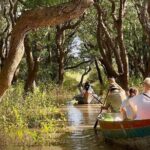
Your water time is the heart of the tour. You’ll make your way to the lake port, then transfer to a local boat to explore the famous floating villages of Kampong Phluk. The boat portion runs about 4 hours, which is long enough to actually watch how the area works as you move through it, not just snap a few photos and rush away.
The route typically mixes viewpoints with slower cruising so you can take in the layers: water, houses, shore edges, and the mangrove pockets. You also stop at a place along the way for refreshment and a break from sun and wind, which helps keep the day feeling relaxed instead of exhausting.
One practical note: the boat experience depends on conditions. The tour information flags that from the end of March through the end of July, water levels start to recede. That can mean different access routes. In that season, you might find the experience less picture-perfect, but more grounded in daily life.
Dry season timing (late March to late July): when photos are harder, but meaning is richer
This is one of the most useful pieces of reality in the tour info, and it affects what you see. From the end of March to the end of July, the floating villages start shifting as the water goes down. The description is clear that some boats can become stuck and smaller canoes may not travel through the jungle forest.
That doesn’t mean the trip is bad. It means you’re seeing the village from a different angle. The tour frames it like this: when water retreats, the daily life you normally miss during higher water levels becomes more visible. Instead of only seeing the dramatic stilt houses over deep water, you get a closer sense of how people adapt when the lake breathes in and out.
The downside is visual. In some months, the water can look muddy rather than crisp, and your photos may feel less “wow.” But your understanding grows. For me, it’s the kind of trade-off that turns a tourist outing into a lived-in experience.
The monastery on an artificial island: a quiet break in the middle of the water world
After the cruise portion, you’ll visit a Buddhist monastery built on an artificial island. This stop works well because it changes the pace and adds a cultural layer you won’t get just by riding boats.
Even without getting overly detailed, you’ll feel the difference. The water day can blur together, but a monastery stop gives you a structured moment to slow down, observe, and connect what you’ve seen on the lake with the spiritual life of people in the wider area.
If you like travel moments that are respectful and low-energy (as opposed to constant sightseeing), this part tends to land well.
You can also read our reviews of more tours and experiences in Siem Reap
Street food in Siem Reap: why the evening tastes like the real city
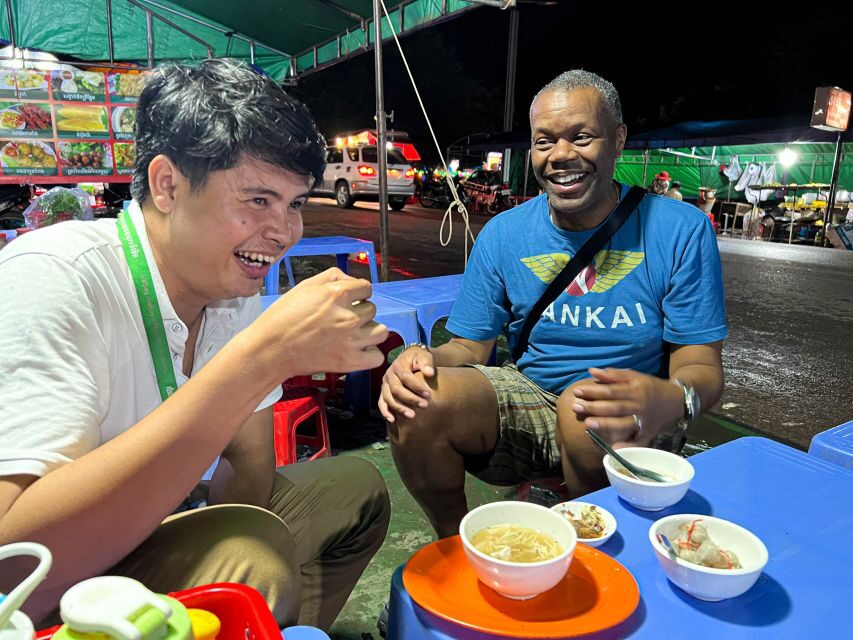
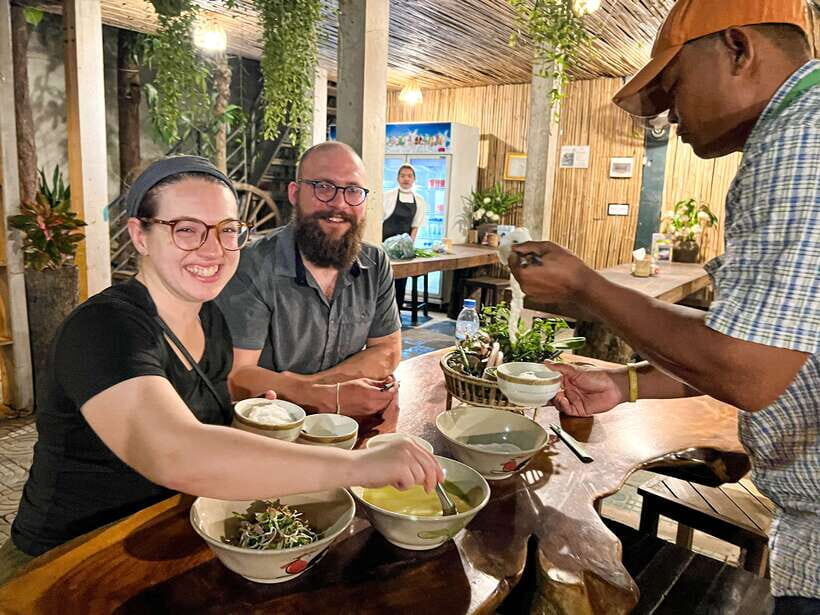
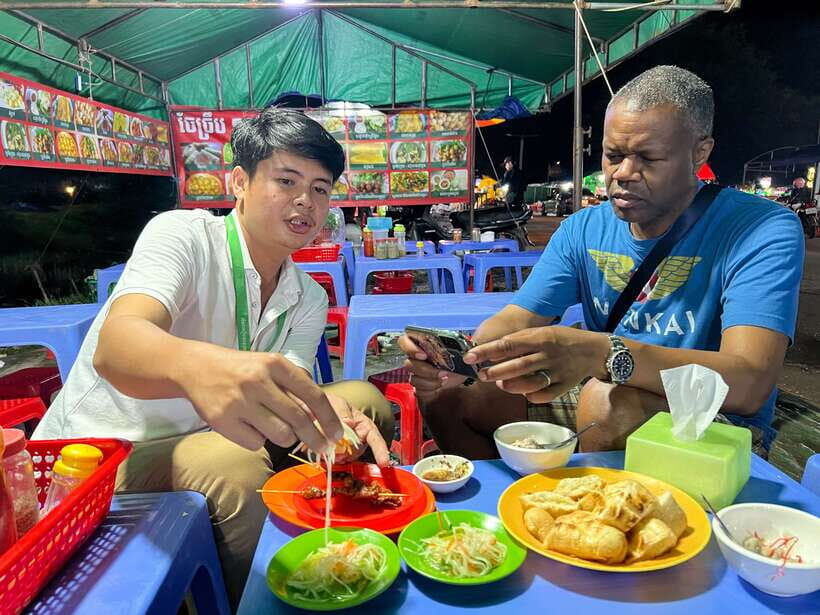
After the boat time, the tour pivots hard into food. The food tasting runs about 2.5 hours in Siem Reap, and it’s built to show you how locals eat. I like that it’s not only about famous dishes; it’s about variety, snack size, and a guided order so you try a bunch of things without getting stuck with one menu.
You can expect a mix of Khmer street favorites such as fresh and fried spring rolls, crispy rice pancake, and Khmer jasmine rice noodle with green curry soup. There are also sweet desserts, plus skewered meat that’s part of the classic street-food routine.
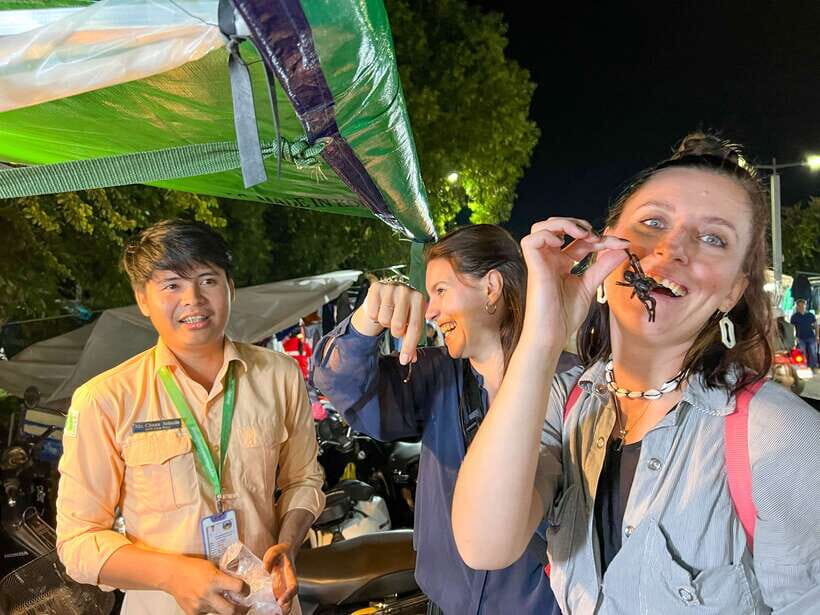
Then comes the adventurous section. The tour description includes fried insects such as fried cricket, fried tarantula, fried grasshopper, fried water beetle, and fried frog. The point isn’t just shock value. Guides like Yen and David have been noted for encouraging people to try insects and explaining what you’re eating, which helps you approach it with curiosity instead of fear.
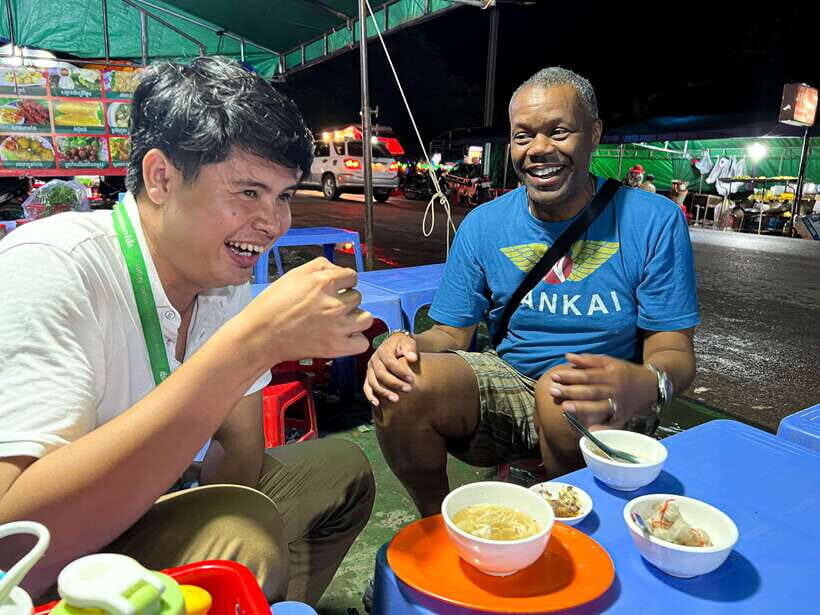
If you’re wondering what “street food crawl” really means, this is one of those tours where the guide’s storytelling matters. People have described guides as professional and organized, with explanations of each dish and culture around the food. That turns a “tasting” into something you can actually remember.
Also included: 1 beer and dinner, plus cool water and towels during the tour. It’s a practical touch that makes a long day feel manageable.
Night market after dinner: food, fruit, and everyday shopping
Before you head back to your accommodation, you’ll drive past and spend time at what the tour calls the most popular night market in Siem Reap for local people. This isn’t only about browsing for souvenirs. You’ll spend time around food stores and fruit stores, plus mobile clothes vendors.
For me, night market time works best after a guided food tour. You already understand what to look for, so you can move through the stalls with purpose. If you want a relaxed last stop, this delivers that without turning the night into a frantic shopping sprint.
Price and value: is $55 a good deal?
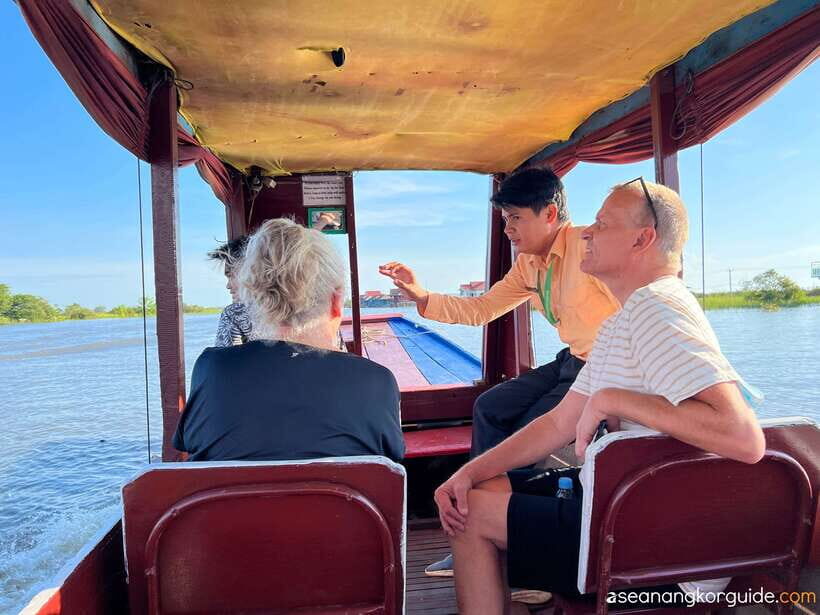
At $55 per person for about 6.5 hours, this tour stacks value in a way many single-activity trips don’t. Your money covers more than a boat ride. You’re also paying for hotel pickup/drop-off, A/C transport, entrance fees plus the boat ride, and a guided food tour that includes Cambodian snacks, 1 beer, and dinner.
If you tried to piece this together yourself, you’d likely end up paying separately for transportation, a guide, lake access/boat transfer, and then a proper evening meal. Here, the structure is what you’re buying: one day plan with timing that connects water-time and street-food-time without you scrambling.
The main costs to watch are personal expenses and anything like wine, since those aren’t included.
The guide and group size: why small matters on this day
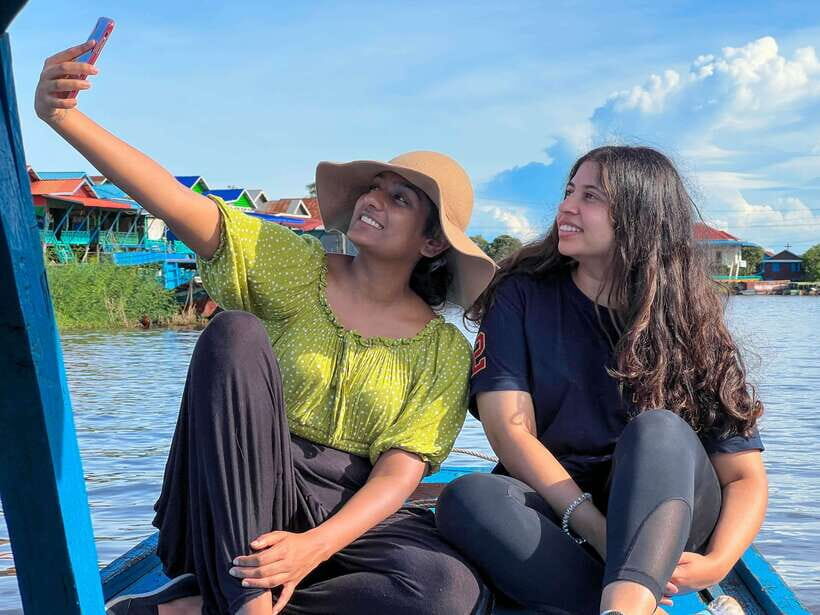
This is a small-group tour, limited to 10 participants. That matters because the day has two very different settings: a quiet-looking water scene and a lively street-food environment. Smaller groups tend to move more smoothly, and you’re more likely to get direct guidance rather than waiting for a big group shuffle.
You’ll also have an English-speaking guide, and names like Yen, David, and Seila have been mentioned in the experiences shared from this tour. Those guides didn’t just recite facts; they were described as open, informative, and willing to go the extra mile explaining culture and tradition tied to what you’re seeing and eating.
In at least one case, the group situation changed and the tour became effectively private when other participants were ill. So if you’re the type who likes a calmer, more personal pace, this setup gives it a chance.
What to bring (so the day doesn’t fight you)
The tour suggests a practical packing list, and I agree with all of it:
- Sunglasses
- Sunscreen
- Insect repellent
You’ll be outdoors for hours and you’ll be near water, so your skin and your comfort matter. Also, you’ll have cool water and towels provided during the tour, which helps, but it doesn’t replace sunscreen.
Who should book this Tonle Sap and street food combo
Book this if you want a single day that covers both Cambodian lake life and Cambodian eating culture. It’s ideal for food lovers who like guided sampling and don’t mind the occasional adventurous bite.
It also fits travelers who prefer small groups and clear explanations. The tour leans into context: why the floating homes are built the way they are, how lake water changes daily life, and what flavors mean at street stalls.
If you’re purely chasing perfect photos, you need to think about timing. Late March through late July can be less postcard. Still, it can be more interesting in a hands-on way.
Should you book it?
I’d book this tour if you enjoy real-life travel: boats, people, and food that locals actually eat. The mix is strong. The boat portion gives you understanding of Tonle Sap’s rhythm, and the street food portion turns that understanding into taste, especially with the guided sampling and the mix of familiar Khmer dishes and fried insects.
Skip or rethink it only if you’re very photo-focused and you can’t handle the seasonal reality of receding water. Also consider your comfort level with adventurous foods, since the tasting list includes fried insects like tarantula and cricket.
If you fall in the middle, you’re in the sweet spot: you’ll get a full evening story, not just a checklist day.
FAQ
How long is the tour, and when does it start?
The tour lasts about 6.5 hours and pickup is usually between 2:00 pm and 2:20 pm from your hotel in Siem Reap.
How big is the group?
It’s a small group limited to 10 participants.
What boat and sightseeing do I do at Tonle Sap?
You take a local boat to explore Kampong Phluk floating villages on Tonle Sap, which includes time in the flooded area and mangrove surroundings, plus a visit to a Buddhist monastery built on an artificial island.
What’s included in the street food part?
You’ll do a guided food tasting for about 2.5 hours with Cambodian snacks, dinner, and 1 beer included.
What should I bring?
Bring sunglasses, sunscreen, and insect repellent.
What season matters for the floating villages?
From the end of March to the end of July, water levels start to recede. The tour notes this can change access and the look of the village, but it also offers a different perspective on daily life during the drier period.