REVIEW · SIEM REAP
Angkor Wat & Bayon: the Smiling Temple
Book on Viator →Operated by Angkor Cycling Tour · Bookable on Viator
Two wheels can make Angkor feel peaceful.
This 5-hour morning mountain bike tour has you pedaling through the Angkor area at an easy pace, with a guide explaining what you’re seeing and why it matters, from the famous temples to quieter paths with sounds of nature.
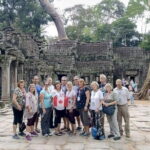
I like two things a lot. First, the tour gives you a premium Trek bike and helmet, plus lunch, pure drinking water, and coconut juice so you’re not juggling snacks while you’re sightseeing. Second, it’s a small group (maximum 10), which keeps the experience relaxed and makes the history talk actually land instead of getting lost in a crowd.
One thing to plan for: the temple pass is not included (it’s $37 for 1 day entry), and there’s no hotel pick-up or drop-off—so you’ll start and end at Taphul Rd in Siem Reap.
In This Review
- Key things to know before you pedal out
- How a 7:30 AM bike start changes your Angkor day
- The $50 price: what you’re really paying for
- Trek bike setup and the real meaning of leisurely
- Stop-by-stop: from Angkor Wat to Bayon’s 216 faces
- Pedaling toward Angkor’s two biggest stars
- Angkor Wat: the big one
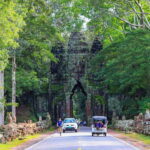
- South gate of Angkor Thom: defensive wall energy
- Climb the protection wall viewpoint (Prasat Chrung)
- West gate of Angkor Thom: the never-restored gate
- Bayon: the smiling face temple
- What lunch, water, and coconut juice do for your day
- Dressing for an active spiritual site at Angkor
- Heat and off-road reality: how to plan like a local
- Family-friendly, but timing matters for kids
- Who this tour suits best (and who should skip it)
- Should you book this Angkor Wat & Bayon bike tour?
- FAQ
- Is the temple pass included?
- How long is the tour?
- What’s included in the $50 price?
- What should I bring for Angkor?
- Do they pick up from your hotel?
- How big is the group?
- What if I can’t finish due to heat or fatigue?
Key things to know before you pedal out
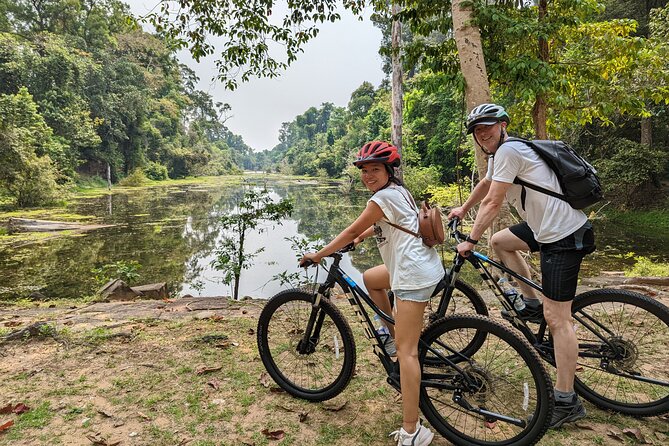
- Small group guarantee (max 10 travelers) keeps the ride calm and the guide easy to hear
- Trek bike + helmet included, so you show up and ride without extra rental stress
- Lunch, coconut juice, and drinking water included, helpful in Cambodia’s heat
- Angkor Thom gates and a protection wall viewpoint add more than just Angkor Wat and Bayon
- Bayon’s smiling faces (216 of them) are the payoff for the day’s temple time
- Some off-road riding and a protection-wall climb mean easy still has a little effort
How a 7:30 AM bike start changes your Angkor day
This tour kicks off at 7:30 am from Taphul Rd, Krong Siem Reap (17252). That timing matters in real life. Angkor can get hot, and riding a bike in the heat turns everything into a sweat test. Starting earlier gives you better odds of seeing the temples in more comfortable conditions and getting your energy sorted before the day ramps up.
Also, the experience is built around a leisurely rhythm. The ride is described as easy and non-adventurous, suitable for different fitness levels. That doesn’t mean it’s a casual stroll. You’ll be moving, stopping, listening, and sometimes climbing as part of the sights. Think: gentle touring, not extreme biking.
One more practical note: the tour ends back at the meeting point. If you’re staying far out, you’ll want to have your return plan ready so you don’t lose time after the ride.
You can also read our reviews of more tours and experiences in Siem Reap.
The $50 price: what you’re really paying for
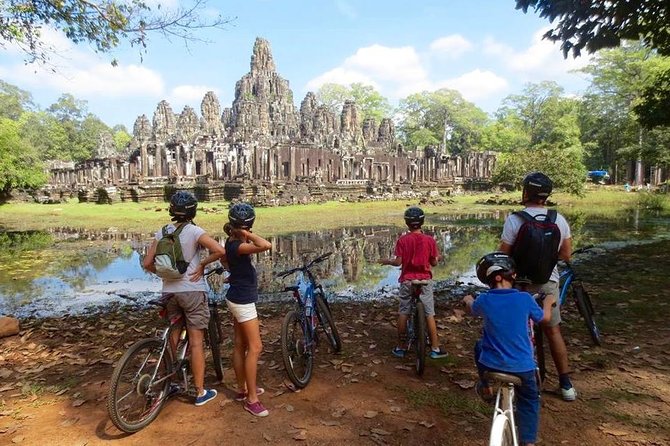
At $50 per person, this is not just a bike rental deal. What makes it feel like solid value is that several “day-of-tour costs” are rolled in.
Included:
- English-speaking tour guide
- Mountain bike rental (premium Trek) and helmet
- Lunch
- Coconut juice plus pure drinking water
Not included:
- Temple pass (1 day entry: $37)
- Hotel pick-up and drop-off
So your budget isn’t only the $50. It’s closer to $87 once you add the temple entry ticket. Even so, you’re still getting a guided temple route with a working bike setup and a meal, which is a big chunk of what usually costs extra on a temple day.
If you like the idea of paying one price for guide + transport gear + food, this format is convenient. If you prefer total freedom and you’d rather rent bikes yourself without a scheduled route, you may find it less flexible.
Trek bike setup and the real meaning of leisurely
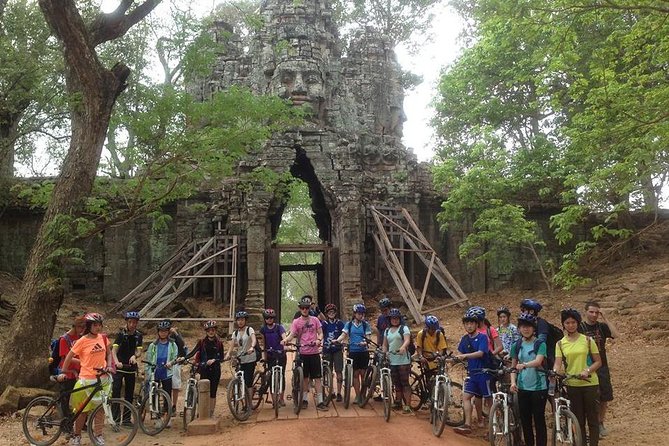
You get a premium Trek mountain bike and a helmet. That’s the right baseline. A good helmet matters, and Trek bikes are generally dependable for the kind of mix you’ll run into around Angkor.
The tour is paced as leisurely and easy for riders who aren’t training for a race. Still, two things are worth knowing so you’re not surprised:
- There’s a protection-wall climb included as you work your way through Angkor Thom. You’ll need to be comfortable with stairs and uneven steps.
- There can be some off-road biking. On a very hot day, one guest noted they didn’t finish the full route—but the company handled it well by arranging a car pickup.
In other words: easy, yes. Totally flat and totally smooth, no.
Stop-by-stop: from Angkor Wat to Bayon’s 216 faces
This is a single main riding-and-temple experience, but you’ll feel it as distinct sections as the guide brings you through the highlights.
Pedaling toward Angkor’s two biggest stars
You start on a fun, relaxed ride toward Angkor Wat and Bayon, with the guide sharing history as you go. One of the best parts here is the change in pace: instead of only staring at stone, you get a few stretches where you notice surroundings—things like flowers and butterflies and the sounds of the area. It’s a nice reset before you hit the densest temple moments.
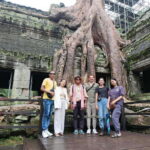
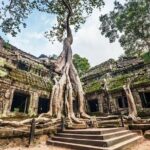
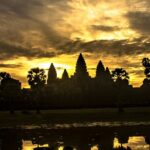
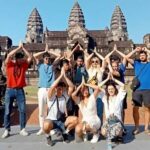
Angkor Wat: the big one
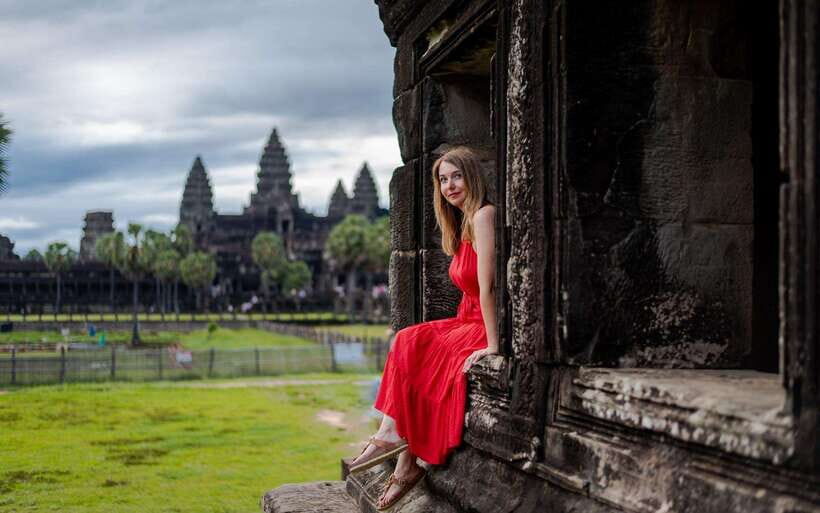
Angkor Wat is framed as one of the seven wonders of the ancient world. Even if you’ve seen photos before, being there in person makes a difference. You’re looking at a site that draws people for a reason, and the guide’s explanations help you see more than just the iconic shapes.
South gate of Angkor Thom: defensive wall energy
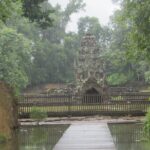
Next comes the South gate of Angkor Thom, described as the most appealing defensive wall of Angkor Thom. This stop helps you appreciate that Angkor wasn’t only ceremonial—it was also engineered for control and protection. It’s a good shift from the open awe of Angkor Wat to the more strategic architecture of the city.
Climb the protection wall viewpoint (Prasat Chrung)
Then you’ll climb up and venture on the protection wall to see a breathtaking view at Prasat Chrung. This is the portion most likely to separate comfortable touring from “I didn’t realize I’d be climbing.” It’s included in the route, so come ready for steps and effort.
The upside is worth it. Viewpoints like this are where you start understanding how the temples sit within the complex of the ancient capital.
West gate of Angkor Thom: the never-restored gate
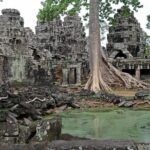
You’ll also stop at the West gate of Angkor Thom, called the never-restored gate. This adds texture to your visit. Not everything here is perfectly polished for easy viewing. Some angles and states of restoration make it feel more real, more like a living archaeological site than a staged attraction.
Bayon: the smiling face temple
The finale is Bayon, the second most important temple after Angkor Wat in this route. You’ll see 54 towers and 216 smiling faces. This is the part people remember, and for good reason: you’re basically surrounded by stone expressions that feel playful even while the scale is serious.
If you want a temple day where you move, learn, and then get a visual payoff, Bayon is a strong closer.
What lunch, water, and coconut juice do for your day
This tour includes lunch, pure drinking water, and coconut juice. That sounds small on paper, but it matters because Angkor temple time can stack up fast. When you’re biking and walking, you burn energy even if you call it “easy.”
Having lunch and hydration handled means you don’t have to decide on the spot where to eat while you’re already focused on temples. It also helps if you’re traveling with kids or you just don’t want to hunt down cold drinks in the middle of your itinerary.
If you have diet needs, you should advise them at booking. The tour data specifically asks you to share dietary requirements when you sign up.
Dressing for an active spiritual site at Angkor
Angkor isn’t a museum set. It’s an active spiritual site where Buddhist citizens do daily worship, prayer, and meditation.
That’s why the dress rules matter. Revealing clothing is prohibited in sacred palaces—specifically, shorts and skirts above the knees and bare shoulders. Even if you’re only visiting, follow the guidance. It’s respectful to the community and it helps you avoid problems at entrances.
Bring:
- Sunglasses
- Sunscreen
- A camera
And pack something you can pull on for coverage. Light layers work well in the heat.
Heat and off-road reality: how to plan like a local
Even on an easy ride, you’ll be outside for several hours. One review highlight noted that on an extremely hot day, the full route wasn’t completed. The important part: the company handled it by sending a car pickup.
So here’s the practical takeaway for you:
- Start hydrated (you’ll have water on board, but start the day ready)
- Wear sunscreen and sunglasses
- Expect some off-road biking, even if it’s not extreme
If you’re sensitive to heat, this morning start is your friend. If you feel cooked, don’t stubborn it out. Let the team know—because backup options exist.
Family-friendly, but timing matters for kids
This tour can be a good family choice. The ride is described as leisurely and non-adventurous, and one family experience included the guide organizing a tuk tuk home when kids couldn’t finish the ride back.
That said, there’s a practical consideration from the feedback: starting closer to the temple area would help families even more. So if you’re traveling with little ones, think about two things before booking:
- Can they handle a few hours of movement, stops, and heat?
- Do you need flexibility if they get tired?
This is one of those tours that works best when you plan for real kid energy, not ideal schedules.
Who this tour suits best (and who should skip it)
You’ll likely love this if you want:
- A guided Angkor day that mixes biking with temple viewing
- A small group experience (max 10)
- A format where lunch and drinks are included
- An itinerary with more variety than only Angkor Wat and Bayon
You might not love it if:
- You want total freedom to go at your own pace
- You strongly prefer smooth, flat roads with zero climb
- You don’t want to add the temple pass cost on top
Fitness-wise, it’s labeled suitable for all riders, but it does include a protection-wall climb and some off-road segments. If that’s a hard “no” for you, look for a more walking-light option.
Should you book this Angkor Wat & Bayon bike tour?
I’d book it if you like your temple days to include movement, guidance, and practical comfort. The included bike, helmet, lunch, and coconut juice make it a straightforward value play. The small-group size (max 10) keeps the experience calm, and the route hits more than the headline monuments—South Gate, West Gate, and the protection-wall viewpoint at Prasat Chrung bring variety.
I’d pause and double-check your plan if you’re working with strict budgets (because the $37 temple pass is extra) or if heat and climbs are your two biggest concerns. Also, if you need hotel pick-up, know that this one doesn’t offer it.
If you want a balanced way to see Angkor’s icons while still having time to enjoy the ride, this is a very reasonable pick—just plan for the entry ticket and dress respectfully for an active sacred site.
FAQ
Is the temple pass included?
No. The temple pass is not included, and it’s listed as $37 for 1-day entry.
How long is the tour?
The tour runs about 5 hours.
What’s included in the $50 price?
You get an English-speaking tour guide, a premium Trek mountain bike and helmet, lunch, coconut juice, and pure drinking water.
What should I bring for Angkor?
Bring a camera, sunglasses, and sunscreen. You should also dress respectfully since sacred palaces have dress rules.
Do they pick up from your hotel?
No. Hotel pick-up and drop-off are not included. You start and end at the meeting point on Taphul Rd.
How big is the group?
This is a guaranteed small-group tour with a maximum of 10 travelers.
What if I can’t finish due to heat or fatigue?
The data includes an example where the company sent a car pickup on a very hot day, so there is at least some flexibility if you need to stop early.