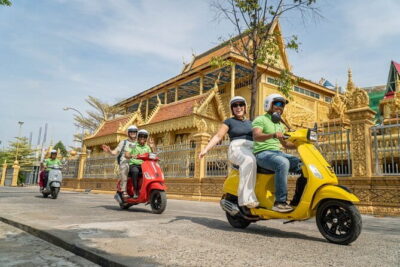
Silk Island is a fast escape from Phnom Penh. This half-day Tuk-Tuk trip with a local expert takes you out of the main city rhythm and into Mekong-side villages, where you’ll see daily life and stop for real craft work. Two highlights I really like: the hotel pickup and drop-off that keeps the day low-stress, and the silk-and-tofu making stops that turn a cultural story into something you can actually watch.
One thing to keep in mind: not every workshop site has admission included, and the route involves some walking on uneven village paths. Pack comfortable shoes and expect that a few stops may add small ticket costs.
In This Review
- Key Things You’ll Actually Feel on This Tour
- Why This Phnom Penh to Silk Island Half-Day Works
- Pickup, Tuk-Tuk Riding, and the Ferry Factor
- Mekong Silk Island 099: What to Expect When You Arrive
- Buddhist Temple and Market Stops That Add Context
- Heng Naysim Traditional Cambodian Weaving House: The Real Craft Moment
- To Much Tofu-Skin? Yes. And That’s a Good Thing.
- Guides Matter: Tin Tin, Kim, Lee, Sok, Nuth, and More
- Price and Value: Is $29 Fair for This Day?
- Timing, Comfort, and What to Pack
- Who Should Book This Tour (and Who Might Skip)
- Should You Book: My Decision Checklist
- FAQ
- How long is the Phnom Penh to Silk Island tour?
- Is hotel pickup and drop-off included?
- Do I need to pay for tickets at the silk and weaving stops?
- Are ferry rides included?
- What does the tour include for food and drinks?
- What language will the guide speak?
- How big is the group?
- Is a mobile ticket provided?
- What is the cancellation policy?
Key Things You’ll Actually Feel on This Tour
- Tuk-Tuk + ferry mix: you get road views and water crossings as part of the experience
- English-speaking guides like Tin Tin, Kim, Lee, Sok, and Nuth: clear explanations and good local humor
- Silk weaving in action: you’ll see how thread and cloth connect to everyday village life
- Tofu-skin and snack breaks: practical food stops, not just photo ops
- Small group size (max 12): easier questions, less waiting around
Why This Phnom Penh to Silk Island Half-Day Works
If you only have half a day in Phnom Penh, you don’t want a day that feels like a long bus ride followed by “quick photos.” This tour is built for the opposite mood. You start with pickup from your hotel, then head out by Tuk-Tuk to the riverside area, where the day shifts into village-country pace.
The “Silk Island” angle is more than a label. You’re not just looking at products behind a counter. You’re guided through where the materials come from, how the craft is done, and why it matters to the people living there. This is the part that makes the trip feel useful, not touristy: you leave with a clearer mental picture of how silk work fits into Cambodian life.
I also like that the day doesn’t run on speed. Multiple stops are spaced in a way that makes sense: you get temple and market time, then you get craft time, then you get snack/water breaks. It’s a half-day format that stays human-sized.
You can also read our reviews of more tours and experiences in Phnom Penh.

Pickup, Tuk-Tuk Riding, and the Ferry Factor
The day starts right with hotel pickup in Phnom Penh and ends with drop-off back at your hotel. That’s a big deal in Cambodia. Less time negotiating tuk-tuks, less time worrying about where the meeting point is, and more time simply being out of the city.
Once you’re moving, you’ll spend time on the road in a Tuk-Tuk before boarding a ferry to the island area. Expect that the river crossings are part of the rhythm, not a rushed transfer. Some departures involve multiple ferry rides, and either way you’ll feel the change from city noise to open-air countryside.
Time-wise, the tour is listed at about 4 hours 30 minutes. For a half-day outing, that’s a workable window: long enough to get meaningful craft exposure and a couple of cultural stops, but short enough that you won’t feel wrecked afterward.
Mekong Silk Island 099: What to Expect When You Arrive
One of your key stops is Mekong Silk Island 099. The tour route sets you up to reach it by ferry, then you continue through the island-side area with a mix of everyday sights.
Here’s the practical payoff: you’re seeing the countryside farming rhythm around Phnom Penh, including village activity and local market life. You’re also likely to pass by Buddhist temple areas during the countryside portion of the day, which helps you understand how religion shows up naturally in daily schedules rather than as a separate “performance” for tourists.
A note on costs: the admission for this island stop is marked as not included. That doesn’t automatically make the trip bad value, but it does mean you should expect potential extra spending if you want to enter the specific site(s). If you’re the type who hates surprise costs, bring a little buffer.
Buddhist Temple and Market Stops That Add Context
A lot of tours slap a temple onto the schedule like a checkbox. This one tends to use temples and markets more like context. While you’re moving through island villages, you can expect stops tied to Buddhist temples and local market time.
Why I like this: silk work doesn’t exist in isolation. The people who weave it live inside a whole culture of work, food, and faith. Temple stops help you see the spiritual backdrop without needing to over-explain it, and market stops help you connect what you’re seeing to what people actually eat and buy.
Also, these stops are where the day gets more relaxed. You’re not just “moving on.” You get small breaks that refresh you—exactly what you want before you sit down in a workshop and watch hands turning materials into thread and cloth.
Heng Naysim Traditional Cambodian Weaving House: The Real Craft Moment
The traditional weaving house stop is where the tour earns its name. This is the place focused on silk weaving practices—and the bigger value is that you’re not learning silk as a textbook topic. You’re learning it as a craft that people have carried forward for generations.
A few details that help you judge what you’ll experience:
- You’ll be walking through the process steps with a local explanation rather than just reading signage.
- You’ll see how silk production is organized around daily labor, not showroom production.
- You may also have a chance to interact with the local setting around the workshop area.
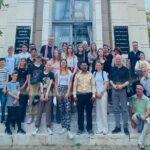
One of the most praised elements here is the human side. Guides often tell stories about families involved in the work, and that makes the silk feel less like a souvenir and more like a livelihood. Some days include a stop connected to a nearby school area, where children greet visitors—an emotional but very real moment that many people remember long after the workshop photos.
As for admissions: this weaving house stop is also listed as not included, so again, keep a small amount set aside for any required tickets.


To Much Tofu-Skin? Yes. And That’s a Good Thing.
You’ll also encounter a tofu skin / tofu processing stop as part of the day. It may not be in the headline name, but it’s a huge part of why the tour feels grounded.
Why it matters: silk is about thread, but tofu skin is about process too—how food and craft both rely on local technique, patience, and skilled hands. Seeing the tofu skin production makes the overall theme click faster. You start to notice how “craft” and “routine work” are intertwined in these communities.
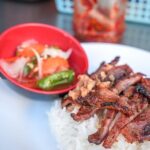
The other practical win is that this section tends to come with snack and drink breaks. You’re not just walking into workshops and waiting for thirst to kick in. Cold water and local snacks are part of what you’re provided, and you may also get tasting moments linked to the market stop.
If you have a sensitive stomach, you’ll still want to be smart with what you eat. But for most people, these snack breaks are one of the easiest ways to keep energy up during a half-day with some walking.
Guides Matter: Tin Tin, Kim, Lee, Sok, Nuth, and More
For this kind of trip, the guide is half the experience. The tour provides a professional English-speaking guide, and the best versions of this day are the ones where the guide adds stories, answers questions clearly, and keeps the flow relaxed.
From the guides you’ll see associated with the experience, names like Tin Tin, Kim, Lee, Sok, Nuth, Samanag, and Lucky come up often. What they share is a style that feels personal and practical:
- They explain what you’re looking at in straightforward English.
- They keep the timing smooth between stops.
- They make sure you’re not just dumped into a workshop and left to figure it out alone.
One more detail I appreciate: when someone needed mobility help, the guide effort showed up in the planning. That kind of attention makes a difference on workshop days, where you might step around equipment, wait for explanations, or move between areas that aren’t perfectly flat.
Price and Value: Is $29 Fair for This Day?
At $29 per person, this tour is priced for people who want structure without spending a full-day budget. And you’re not just paying for a car.
What’s included:
- Hotel pickup & drop-off
- Professional English-speaking guide
- Cold water & local snacks
- Ferry trips to the island
- Snacks (listed again in the included items)
What’s not included:
- Personal expenses
- Potential admission tickets at Mekong Silk Island 099 and the weaving house stop
Here’s how I think about the value. If you tried to piece this together on your own, you’d pay for transport to the riverside, likely multiple ferry rides, and you’d still need someone to interpret what you’re seeing. Paying a modest amount for an English guide can save you hours of confusion, especially when you want to understand how silk weaving works rather than just buy silk.
And because the tour is capped at a maximum of 12 travelers, you get the benefits of guided organization without the chaos of a huge crowd.
Timing, Comfort, and What to Pack
The tour runs about 4 hours 30 minutes. That’s short enough to fit into a Phnom Penh itinerary, but long enough that you’ll feel it if you pack poorly.
Bring:
- Comfortable shoes (workshop floors and paths may not be smooth)
- A light layer for sun and breezes
- Some cash just in case you want to cover any admissions at the craft sites or you want to buy something from the workshops
You’ll also be provided cold water and snacks, which helps a lot. Still, if you’re the type who likes extra peace of mind, keep a small personal snack in your bag.
Most people can participate, and the small-group size helps the guide keep pace with your group. If you have mobility limitations, it’s worth mentioning your needs when booking so the guide can plan around your comfort.
Who Should Book This Tour (and Who Might Skip)
This is a strong match if you want:
- A half-day outside the city, focused on local craft
- A route with Tuk-Tuk + ferry rather than only land transport
- Clear explanations in English
- Hands-on viewing of silk weaving and the related food-craft stop (tofu skin)
You might consider a different plan if you:
- Hate any chance of extra admission fees at workshop sites (since those are listed as not included)
- Want a schedule that maximizes sightseeing stops more than craft depth
- Prefer a purely urban itinerary while in Phnom Penh
Should You Book: My Decision Checklist
Yes, I’d book this if your goal is to see a real working side of Phnom Penh, not only temples and markets in a tight tourist loop. The biggest reasons are practical: pickup/drop-off, English guidance, and craft stops that help you understand how silk becomes something you can wear and buy with meaning.
Before you book, do one quick mental check:
- Do you have comfortable shoes ready for workshop walking?
- Are you okay with the possibility of site admission costs at the silk island and weaving house?
- Do you want a day with fewer stops but better explanations?
If those answers are yes, you’ll likely love the format.
FAQ
How long is the Phnom Penh to Silk Island tour?
It runs about 4 hours 30 minutes (approx.).
Is hotel pickup and drop-off included?
Yes, hotel pickup and drop-off are included.
Do I need to pay for tickets at the silk and weaving stops?
The admission ticket is marked not included for Mekong Silk Island 099 and the weaving house stop. Admission at the Phnom Penh stop is marked free.
Are ferry rides included?
Yes. Ferry trips to the island are included.
What does the tour include for food and drinks?
You’ll have cold water and local snacks, and snacks are listed as included.
What language will the guide speak?
The tour includes a professional English-speaking guide.
How big is the group?
The tour has a maximum of 12 travelers.
Is a mobile ticket provided?
Yes, the tour offers a mobile ticket.
What is the cancellation policy?
Free cancellation is offered if you cancel up to 24 hours in advance for a full refund. If you cancel less than 24 hours before the start time, the amount paid is not refunded.