REVIEW · SIEM REAP
Angkor Cycling Tour
Book on GetYourGuide →Operated by BULFROG by CAMOUFLAGE ADVENTURES CAMBODIA · Bookable on GetYourGuide
Angkor is best seen with mud on your wheels.
I like the 70% off-road riding most: you get canal and jungle-country tracks that feel a lot calmer than the main temple rush. I also love how the day mixes big Khmer icons with quieter corners, including time at Angkor Wat and a wall-ride along Angkor Thom’s fortifications. One thing to consider: the day is 7 hours and 35 km, so it’s not a casual stroll—bring proper shoes, hydrate, and expect a few moderate sections on the trails.
The tour runs every day with a 7:45 AM start, and it’s guided by a live English-speaking team (English and Spanish are offered). A big practical win is the separate-entrance flow for temple time, plus built-in breaks with water, snacks, and Khmer food during lunch in front of Elephant Terrace.
In This Review
- Key highlights you’ll feel on the day
- Cycling Into Angkor: How the 7-Hour, 35 km Route Really Feels
- Getting From Siem Reap to the Temples: Pickup and Bike Setup
- Angkor Wat With a Guided Two-Hour Plan: More Than a Quick Peek
- The Moat, Bakheng Hill, and the South Gate Wall Ride
- Bayon Temple and Elephant Terrace Lunch: Resetting Your Pace
- Ta Nie Temple: Quiet Forest Sanctuary Energy
- Jayatataka Baray Wildlife Stop: Birds, Butterflies, and Monkeys
- Ta Prohm, the Tomb Raider Look, and the Jungle-Ruins Blend
- The Ride Back to Siem Reap: Winding Single Tracks and Smooth Bike Lanes
- Mountain Bike Gear, Footwear, and Hot-Weather Tips That Actually Help
- Price and Value: What $65 Gets You (and What It Doesn’t)
- Who Should Book This Angkor Cycling Tour
- Quick practical FAQ
- FAQ
- How long is the Angkor Cycling Tour?
- How far will I cycle?
- What’s the bike setup and difficulty level?
- Is Angkor’s temple pass included in the price?
- What’s included with the meal?
- Does the tour include pickup and transfers?
- What language is the guide?
- What should I bring for the tour?
- Is this tour suitable for everyone?
- Should you book it?
Key highlights you’ll feel on the day
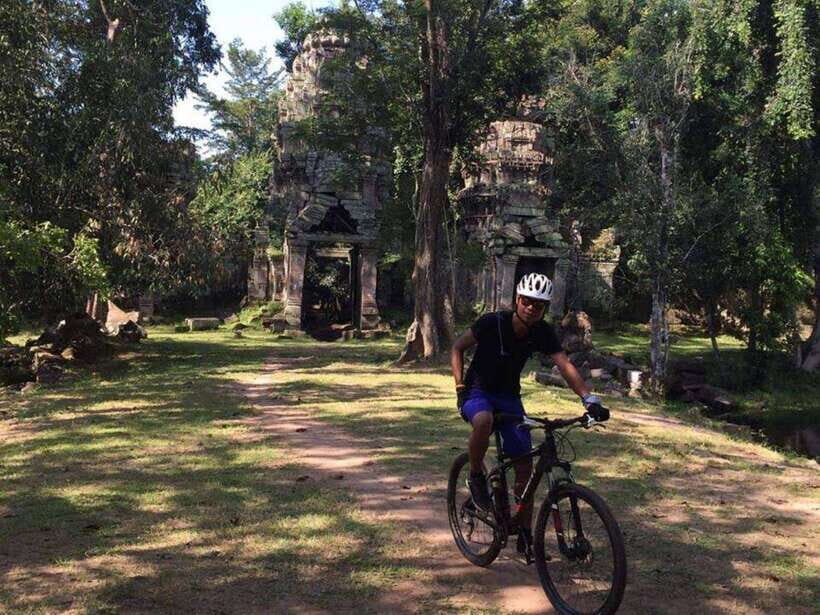
- 70% off-road trails through rainforest paths and countryside tracks
- Angkor Wat + Angkor Thom: classic monuments plus a ride along ancient fortifications
- Jayatataka Baray nature stop with birdwatching and a chance of seeing otters
- Ta Prohm with the tree-root-and-stone look people come for
- Lunch at Elephant Terrace with local food and a temple-view pause
- Free tuk tuk transfers plus bike fitting and spare parts support
Cycling Into Angkor: How the 7-Hour, 35 km Route Really Feels
This is a medium cycling day built for people who want challenge without turning it into a workout race. You’re set for about 35 km total, split roughly 30% paved for smooth cruising and 70% off-road for dirt, single tracks, and that slightly bouncy, adventurous feel that makes the scenery matter.
The timing helps. You start at 7:45 AM, ride out early, and then stack the temples so you’re not stuck doing everything in one chaotic block. Each stop includes short guidance, photo time, and a break setup, so the day doesn’t feel like you’re just burning through landmarks on a schedule.
You’ll also be riding in Cambodia’s heat, which is why water and snacks are part of the plan. If you’ve ever underestimated sun on a bike, learn from your future self now: bring sunscreen and sunglasses, and don’t skimp on hydration.
You can also read our reviews of more cycling tours in Siem Reap
Getting From Siem Reap to the Temples: Pickup and Bike Setup
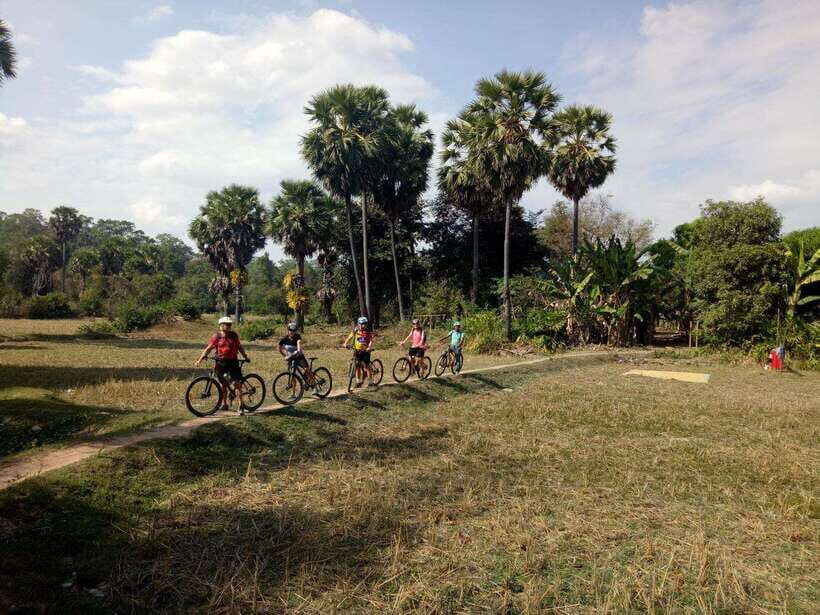
Pickup is included, with tuk tuk or minivan transfers depending on group size, and you’ll be collected about 15 minutes before from your Siem Reap-area hotel, apartment, or Airbnb lobby. There are two pickup options listed, including Krong Siem Reap, so you should be able to match your location easily.
After you meet your guide, you’ll do a quick bike fitting at the shop. They provide mountain bikes in multiple sizes, along with a helmet and a basic spare part kit support if something goes sideways. It’s a small detail, but it matters: being comfortable on the bike early makes the rest of the day smoother.
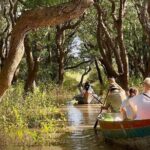
Then you head toward Angkor Wat, cycling through the Siem Reap River area and into the rainforest trails of the Angkor complex. This is one of those starts that makes the day feel like a journey, not a checklist.
Angkor Wat With a Guided Two-Hour Plan: More Than a Quick Peek
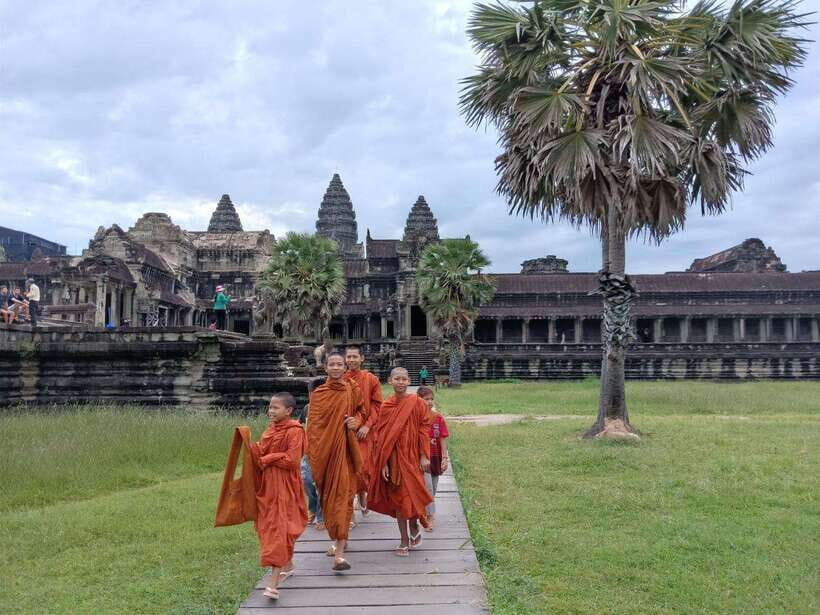
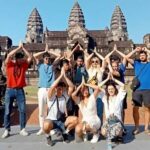
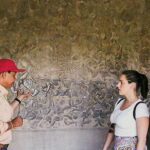
You’ll get about two hours at Angkor Wat, with your guide bringing stories to life as you explore. The value here isn’t just seeing the iconic temple. It’s the way the route and timing give you breathing room for orientation, photos, and understanding what you’re looking at.
You also get skip-the-line style access through a separate entrance. That saves time and frustration, especially when big temple circuits start to crowd up.
Practical note: temple time is where you should slow down. You’ll want modest clothing for visits, and the tour expects you to handle attire properly. Short cycling is allowed for biking, but you should plan to carry spare cloth for temple entry.
The Moat, Bakheng Hill, and the South Gate Wall Ride
After Angkor Wat, the day shifts into exploration mode. You cycle along the moat of Angkor Wat and then move into forest trails near Bakheng Hill, which helps you get away from the loudest crowd pockets.
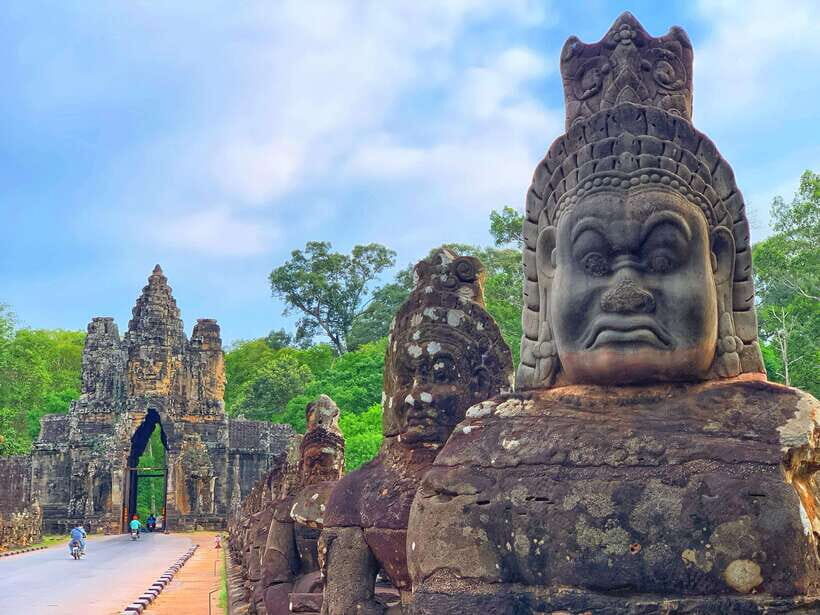
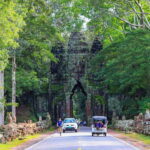
A key moment is entering via the South Gate and then climbing onto the ancient wall. From there, you ride along Angkor Thom City’s fortifications. That wall-ride is memorable because it feels different from walking: you’re literally traveling the perimeter line people usually view from a distance.
You’ll stop at Ghost Gate for stories and photos. This is one of the places where context matters. Even if you love temples, the best part can be what you’re told about the gateway’s role and how it fits into the larger Angkorian layout.
Bayon Temple and Elephant Terrace Lunch: Resetting Your Pace
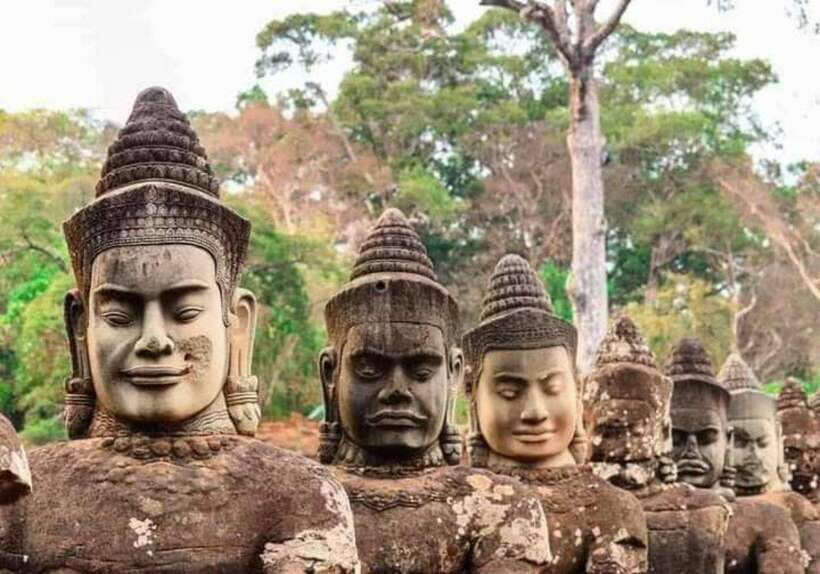
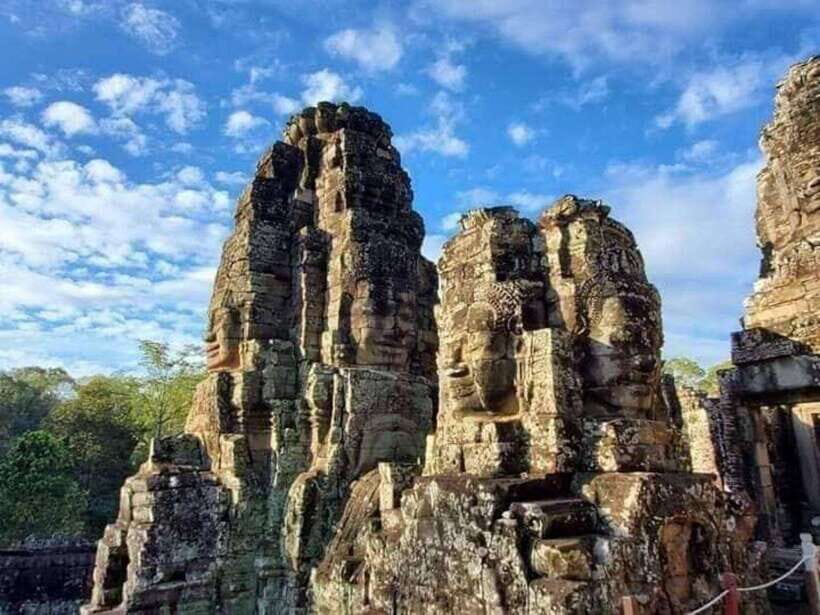
Not long after Ghost Gate comes Bayon Temple, about 1 km away in the tour flow. Bayon is famous for its stone faces high up, and the guide helps you spot key details without rushing you through everything.
Then you cycle a short distance to Elephant Terrace for lunch. This is a smart break point: you’re not eating in a random parking-lot situation. You eat while looking out over the terrace area and the surrounding temple world, which keeps the day feeling connected instead of chopped into segments.
Lunch is included at a local restaurant, and you’ll get water and snacks as part of the day’s support. The tour also lists a chance to taste Khmer specialties here, which is the kind of meal you’ll remember more than the same fried stuff you can find anywhere.
Ta Nie Temple: Quiet Forest Sanctuary Energy
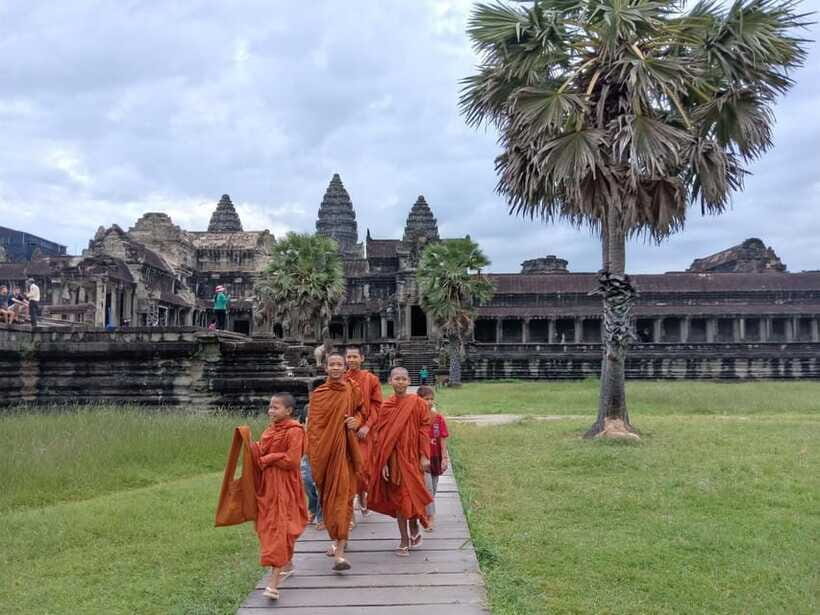
After lunch, you head out of the city toward Ta Nie Temple. This is described as hidden in the forest, which is exactly what you want after the larger, more famous stops. The temple setup tends to slow your body down even if your legs are still awake.
You’ll spend time there with guidance, focusing on how the setting changes the feel of the stones. Ta Nie is included as a contrast stop, so it doesn’t just repeat the same temple vibe.
This section also sets you up for the next big nature break at Jayatataka Baray, so if you like animals and bird life, you’ll be building toward it right here.
Jayatataka Baray Wildlife Stop: Birds, Butterflies, and Monkeys
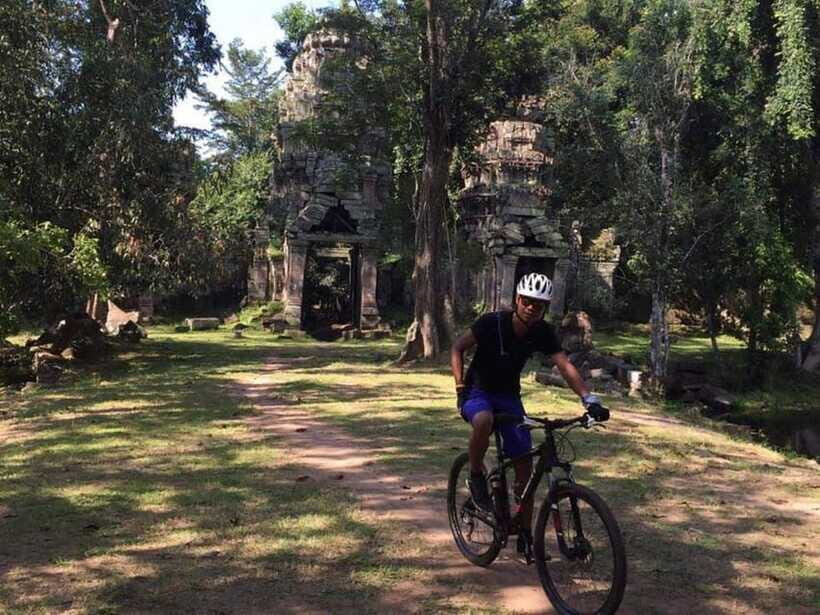
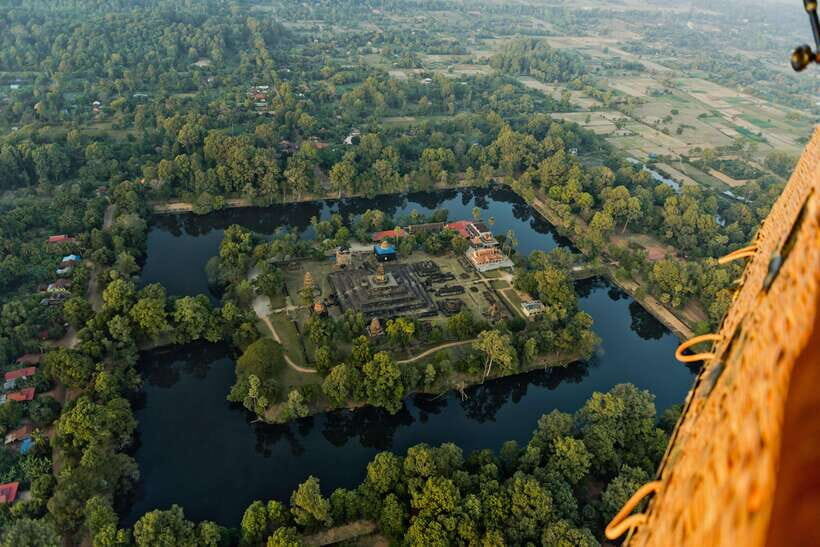
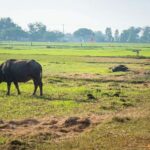
This is the nature highlight built into the cycling plan. At Jayatataka Baray, the tour is set up for birdwatching, and you might spot cranes, egrets, lesser whistling ducks, and kingfishers, depending on the moment.
The list of wildlife isn’t vague either. It mentions birds, butterflies, monkeys, and even the possibility of freshwater otters playing in the river area. You might not see everything every day, but the stop is designed around wildlife watching, not just passing through.
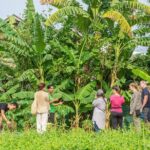
There’s also a peaceful tree nursery garden mentioned as part of this break. That little pause can be the most calming part of the whole day, especially after temple steps and sun.
Ta Prohm, the Tomb Raider Look, and the Jungle-Ruins Blend
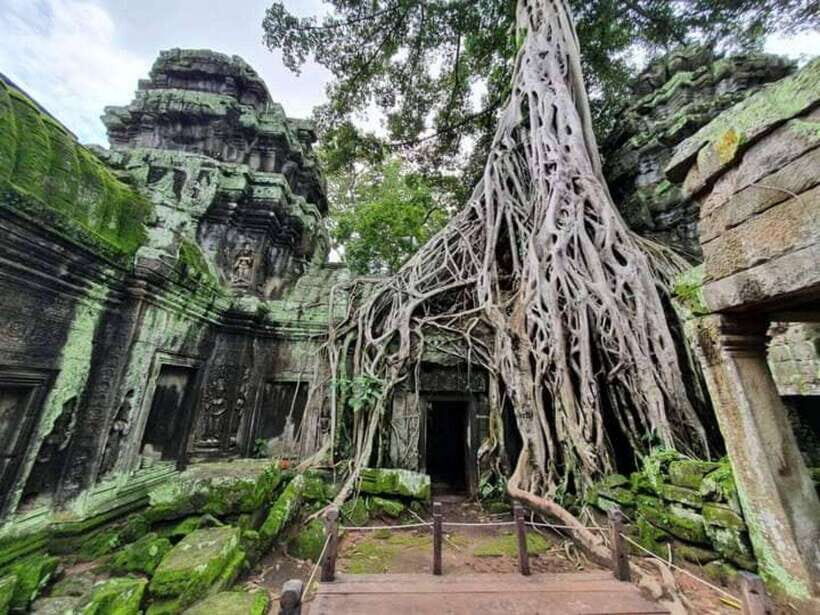
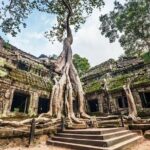
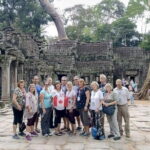
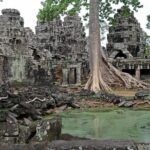
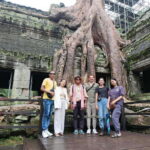
Next comes Ta Prohm Temple, the one people often call the Tomb Raider temple. The main visual is the signature mix of colossal tree roots embracing ancient stone walls—a strange, magical blend of architecture and jungle.
What makes it worth the time on a cycling tour is how you get there. You’re not just arriving on a bus. You ride into the experience through forest tracks and single track moments, so the jungle-temple vibe starts before you even reach the gates.
This stop is ideal for photographers, but you don’t need a serious camera to enjoy it. It’s one of those places where your brain keeps trying to make patterns, then gives up and just stares.
The Ride Back to Siem Reap: Winding Single Tracks and Smooth Bike Lanes
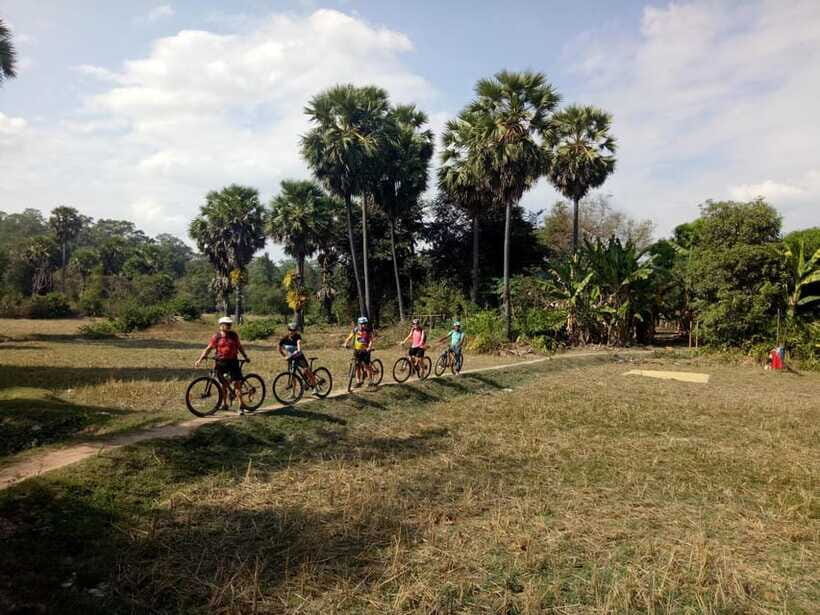
On the return, you do around 12 km guided riding back toward town. The route description calls out winding single tracks and smooth bike lanes, which is a good combination: you still get that off-road energy, but you also end with easier rolling.
This matters because it affects how you feel at the end of the day. If you’re going to be up for dinner plans later, you want the return to be manageable. This setup usually gives you a smoother landing than an all-trail backtrack.
Once you’re back, you’ve completed a full arc: temples, walls, forests, wildlife, lunch, and a ride that moves through the Angkor complex rather than bouncing between parking lots.
Mountain Bike Gear, Footwear, and Hot-Weather Tips That Actually Help
The tour provides a mountain bike and a helmet, and you’re advised to bring closed-toe shoes. Loose clothing is not allowed, so plan for light, breathable outfits that still behave well in temples.
For biking, short cycling clothing is okay, but you need spare cloth for temple visits. That’s a key detail many people miss. Also pack sunscreen and sunglasses; the tour notes sun exposure can be intense.
Hydration is non-negotiable. The plan includes water, snacks, and seasonal fruits, but you should still treat the day as a heat-exposure activity. Start early, keep sipping, and don’t wait until you’re thirsty. Bikes + sun can turn a nice ride into a grumpy headache if you forget that.
Price and Value: What $65 Gets You (and What It Doesn’t)
At $65 per person for a 7-hour tour, this is strong value—mainly because it bundles more than just guiding. You get:
- bike and helmet
- English-speaking guide
- lunch at a local restaurant
- water, snacks, seasonal fruits
- bike spare part support
- free tuk tuk transfers
- temple entry help via a separate entrance
The one major cost you need to plan for is the temple pass, which is required and not included. Temple tickets in Angkor are a separate expense, so your total trip cost will be a bit higher than the tour price alone.
Still, compared to paying for separate transport, separate meals, and separate bike rentals, this setup usually wins on convenience and time. You’re also paying for a guided route that prioritizes off-the-beaten tracks, plus a temple plan that aims to keep you moving without rushing.
Who Should Book This Angkor Cycling Tour
This fits best if you want a balanced day:
- You like nature + monuments together, not one or the other.
- You’re comfortable with a medium effort ride around 35 km.
- You want a calmer pace than only walking temples all day.
From the feedback style you can infer, the guides put effort into matching the rhythm to the group. One review highlights a guide who was punctual, patient, and genuinely dedicated. Another praises the personality and good mood from the Camouflage Adventure Cambodia team, and the overall organization that keeps history, cycling, and nature working together without feeling chaotic.
Also, if you’re the type who enjoys wildlife breaks, the Jayatataka Baray stop is a good reason on its own.
It may not suit you if you:
- prefer very flat, low-effort rides
- don’t like off-road surfaces
- have health constraints tied to a full day of cycling (the tour is not suitable for pregnant women)
Quick practical FAQ
FAQ
How long is the Angkor Cycling Tour?
The tour is listed as a full day lasting 7 hours, starting at 7:45 AM.
How far will I cycle?
You cycle about 35 km during the tour, including the ride back into town.
What’s the bike setup and difficulty level?
You ride a mountain bike with a helmet. The level is marked Medium, with 30% paved roads and 70% off-road trails.
Is Angkor’s temple pass included in the price?
No. A temple pass is required and it is not included in the tour price.
What’s included with the meal?
Lunch is included at a local restaurant, and the day also includes water and snacks.
Does the tour include pickup and transfers?
Yes. Pickup is included from your Siem Reap city accommodation, with free tuk tuk transfers, using tuk tuk or minivan depending on group size. Pickup is about 15 minutes before.
What language is the guide?
The live guide is listed as English, and Spanish is also available.
What should I bring for the tour?
Bring closed-toe shoes, plus sunscreen and sunglasses are recommended. Bring spare cloth for temple visits.
Is this tour suitable for everyone?
It’s not suitable for pregnant women. Loose clothing isn’t allowed, and you’ll need to follow the temple modesty rules.
Should you book it?
If your Angkor day is missing a cycling component, this is a very sensible way to fix that. You get the big classics—Angkor Wat, Bayon, and Ta Prohm—but you also get the stuff most people skip: off-road riding through jungle and countryside, a wall ride along Angkor Thom fortifications, and a proper wildlife-focused pause at Jayatataka Baray.
Book this if you want a slower, more peaceful rhythm while still seeing a lot. Just plan for the sun, carry spare temple cloth, and remember the temple pass is on you. If you do that, $65 buys you a full day where monuments and nature are part of the same story, not two separate tours.