Angkor needs more than one day. This 3-day Siem Reap plan hits sunrise and sunset at Angkor Wat and mixes in temples most people skip. You’ll also get pickup from your hotel and a private guide to keep the story straight across the ruins.
What I like most: the schedule is built around the best light, not just checkboxes. What I like most: Angkor Thom, Bayon, Ta Prohm, plus a second Angkor stretch makes the temples feel less repetitive. A possible drawback: temple admissions are not included, so you’ll need to budget extra on top of the tour price.
You’ll feel that “guided, not crowded” advantage right away. Multiple reviews single out guide Hok for being clear, funny, and serious when the sites demand it, which helps you connect Khmer art to the beliefs behind it. It’s also practical that the tour includes air-conditioning, cool water and towels, and meals on two lunches plus drinks.
One more consideration: the early starts are real, especially the sunrise run.
In This Review
- Key Things You’ll Notice on This 3-Day Route
- Why This Tour’s Structure Fits Angkor (Not Just Temples)
- Day 1: Angkor Wat Core + Angkor Thom, Then Sunset at Phnom Bakheng
- Day 2: Sunrise at Angkor Wat + Banteay Srei and the Smaller Circuit Temples
- Day 3: Phnom Kulen Sacred Mountain, Beng Mealea Jungle Ruins, and Tonle Sap Life
- The Guide Makes the Difference: Hok’s Style and Why It Matters
- What’s Included (and What You’ll Pay Separately)
- Price and Value: Is $250 a Good Deal?
- Timing, Tickets, and Packing Tips That Actually Help
- Who This Tour Suits Best (and Who Might Want a Different Plan)
- Should You Book This Tour?
- FAQ
- How long is the 3-Day Tour of Siem Reap, Angkor Temples & Phnom Kulen?
- Is hotel accommodation included?
- Do I get pickup from my hotel?
- Is the tour private?
- What language is the guide?
- Are temple and park tickets included?
- What meals are included?
- Does the tour include transport?
- Does the plan include both sunrise and sunset at Angkor Wat?
- What is the cancellation rule?
Key Things You’ll Notice on This 3-Day Route
- Sunrise timing at Angkor Wat with a very early pickup (4:30am) to beat the worst crowds and catch the light
- Sunset temple time from Phnom Bakheng as part of a packed Day 1 circuit
- Guide-led storytelling from Hok that blends humor with clear explanations of what you’re seeing
- The Banteay Srei small-circuit day with Preah Khan, Ta Som, Neak Pean, and Banteay Samre
- A switch on Day 3 from carved stone to Phnom Kulen National Park waterfalls and sacred features
- Tonle Sap lake visit for a different side of Cambodia beyond Angkor
Why This Tour’s Structure Fits Angkor (Not Just Temples)
Angkor Wat is famous for a reason, but it’s also huge. The smart move here is not trying to “get it all done” on your own. This tour is organized so you see the big highlights, then you loop into the quieter feel of the surrounding temple clusters.
I also like that the tour has a built-in rhythm. You get a first big day across Angkor Wat into Angkor Thom, then a second early start for sunrise and a more detailed second circuit, and finally a day that leaves Angkor behind for Phnom Kulen and Tonle Sap. That flow matters because Angkor can blur together if you only do one kind of temple tour.
The other win is the guide angle. With Hok, the emphasis is on helping you understand why these places look the way they do—religion, rulers, and symbols—rather than just naming carvings. When you understand what you’re looking at, the temples stop feeling like an endless photo stop.
Day 1: Angkor Wat Core + Angkor Thom, Then Sunset at Phnom Bakheng
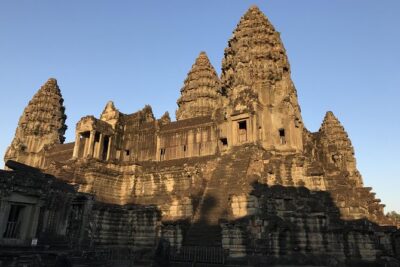
Day 1 starts with pickup at 8:00am and a trip to Angkor Wat. This part is your anchor. You’ll explore the temple itself and also have time around Angkor Wat for the feel of the area—local villages and the forest setting are part of the experience. If you’ve only seen Angkor Wat from postcards, getting the real layout in the morning helps you later when the light changes.
From there, the itinerary shifts to the Angkor Thom complex. You’ll spend time at Angkor Thom and then move into key structures within it—especially Bayon Temple, Baphuon, and the Terrace of the Elephants. These are not just “more temples.” They’re the heart of the Angkor Empire’s royal space, where you see the Khmer Empire’s political and religious ambition made into stone.
Bayon is often the emotional center, because it’s tied to Jayavarman VII and dedicated to Lord Lokesvara. You’ll likely feel the difference immediately: Bayon has that distinctive face imagery and a more intense sense of presence than the outer temples.
Then Ta Prohm enters the picture. This is one of Cambodia’s most recognizable jungle temples, famous from films and famous for how nature has grabbed back the stone. You get about an hour here, which is usually enough to take your time without feeling rushed.
The day ends by moving toward Pre Rup and then Phnom Bakheng, a popular sunset spot. Phnom Bakheng’s timing is the “big light” moment of Day 1. It’s also a good way to avoid the feeling of only seeing ruins in harsh midday sun.
What to watch for on Day 1: your energy level. You’ll be in motion from morning through sunset timing, and the route includes multiple temple stops packed into one day. If you get tired easily, plan for slower pacing at each stop rather than trying to cover everything fast.
Day 2: Sunrise at Angkor Wat + Banteay Srei and the Smaller Circuit Temples
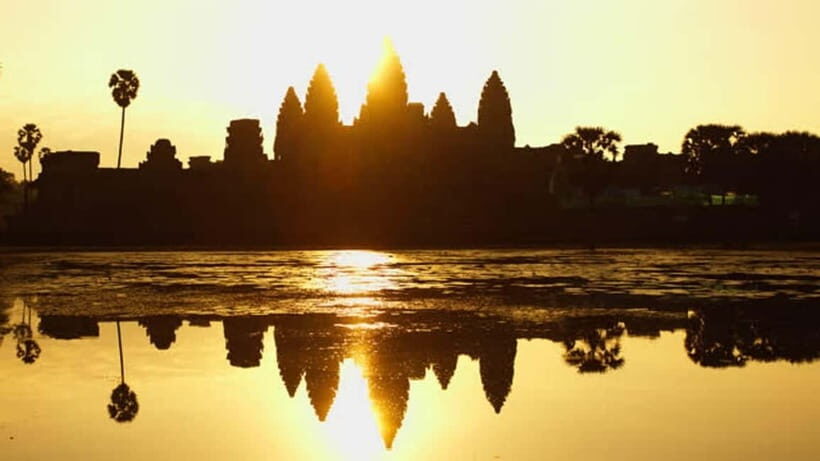
Day 2 begins early—pickup at 4:30am. Sunrise at Angkor Wat is the reason a lot of people come to Cambodia, and this schedule is built specifically so you don’t miss the best moment. You’ll have around 1.5 hours at Angkor Wat for sunrise viewing and time to take it in.
After sunrise, the route pivots north to Banteay Srei, often called the pink stone temple and known for intricate carving. It’s also described as the Lady Temple, and that matters because the craftsmanship here tends to feel delicate and human compared to some of the larger-scale monuments.
From Banteay Srei, you continue through a cluster of temples that feel like a more detailed, less famous version of Angkor’s core story. Preah Khan is next, with fine Khmer carvings and a large temple complex vibe. Then Ta Som and Neak Pean follow. Neak Pean is especially interesting because it’s surrounded by water and has meaning tied to ancient medical beliefs—so it’s not only about architecture, it’s about what Khmer people thought this space could do.
You’ll also stop at Banteay Samre, which is described as well preserved and dedicated to the king’s family and friends. Together, these temples give you a second look at Angkor that doesn’t feel like repeating Day 1 all over again.
What to watch for on Day 2: the balance between “early morning wonder” and “midday fatigue.” Sunrise is magical, but by late morning you’ll want to hydrate and slow down. The tour includes drinks and water support during the day, which helps.
Day 3: Phnom Kulen Sacred Mountain, Beng Mealea Jungle Ruins, and Tonle Sap Life
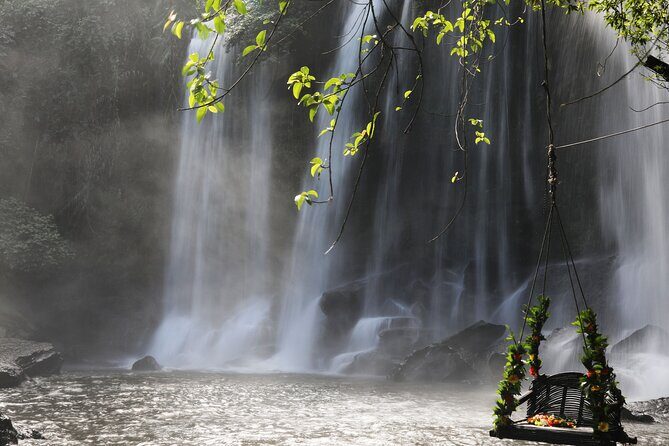
Day 3 is where this tour separates itself from the one-template Angkor-only options. Instead of staying in the Angkor zone all day, you go to Phnom Kulen National Park, a sacred mountain area with several features packed into a short window. You’ll have around 2 hours there, with time for the holy waterfalls, the reclining Buddha, a sacred river with thousand Lingas, Srash Damrei, and the Bat Cave area.
Phnom Kulen tends to feel more spiritual and outdoorsy than the temple complexes, mostly because the environment is part of the meaning. Even if you’re not deep into Cambodian history, you’ll likely notice how different the atmosphere is compared with Angkor’s carved stone.
Next comes Prasat Beng Mealea, described as a remote jungle temple about 66 km from Siem Reap. It’s popular partly because it feels less polished than Angkor Wat. That raw “nature meets ruin” feeling is the draw, and it’s also a good contrast after days of highly structured temple spaces.
Finally, the tour reaches Tonle Sap Lake for about an hour. This is the big shift: instead of ruins, you get a view into one of Cambodia’s most important water systems. The tour overview also mentions the floating village, which is exactly the kind of cultural contrast that makes your Angkor trip feel complete rather than just museum time.
What to watch for on Day 3: this is the day most likely to involve moving between different types of settings—sacred mountain features, jungle ruins, and then open lake life. If you want photos, this is the day to bring your best patience. It’s not “hard adventure,” but it does change gears fast.
The Guide Makes the Difference: Hok’s Style and Why It Matters
This is the part you can’t fully see from a schedule. You can build a great itinerary on paper, but you still need someone to translate what you’re seeing into meaning.
In these reviews, Hok comes up again and again for being dedicated and passionate. The comments also describe a pattern: he explains sites clearly, can be humorous and fun on the way between temples, then becomes serious when the story needs it. That pacing helps. You don’t just get facts; you get a sense of how the Khmer Empire viewed religion and power.
For you, that matters in two ways. First, it makes the carvings and temple layout easier to interpret, so you spend less time guessing. Second, it turns long temple days into a narrative instead of a pile of stops.
If you’re visiting Cambodia for the first time, a guide like this can also add peace of mind. One of the recurring themes in reviews is that people felt safe and well taken care of. A hotel pickup, a planned route, and a driver plus guide combo reduces the stress of coordinating transport in a place where things run differently than at home.
What’s Included (and What You’ll Pay Separately)
The tour price is listed at $250 per person for roughly 3 days, and it includes the practical stuff that makes a big temple trip workable.
Included:
- Air-conditioned vehicle
- English-speaking guide (this is the heart of the value)
- Cool water and towels
- Meals: 2 lunches and drinks
Not included:
- Angkor temple tickets
- Phnom Kulen ticket
- Hotel accommodation
This is the part where I’d advise you to do simple math. If you’re used to tours that bundle everything, you’ll need to add temple admissions to your budget. But from a value standpoint, the tour still earns its keep because it covers transport, guide time across three days, and the schedule built around sunrise and sunset.
Also, accommodation not being included can actually be a plus. You can choose the part of Siem Reap that fits your style and price, and the pickup makes it easy to plug into the tour without giving up control of where you sleep.
Price and Value: Is $250 a Good Deal?
For three days of structured temple time, sunrise planning, vehicle transport, and an English-speaking guide, $250 isn’t outrageous—especially because Angkor days can get expensive fast once you start adding taxis and guide hire day-by-day.
What pushes this option into the “worth a look” category for many people is that you’re not just buying access to sights. You’re buying someone else handling timing and sequencing, including the early 4:30am sunrise run and the first day’s sunset setup.
That said, your value depends on how you like to travel. If you want to move slowly, linger in fewer places, or don’t care about sunrise/sunset, you might find a cheaper approach fits you better. If you want a packed, guided Angkor experience with Phnom Kulen and Tonle Sap included, this price feels more reasonable.
Timing, Tickets, and Packing Tips That Actually Help
Because you’re seeing a lot, you want to plan for logistics. Temple tickets aren’t included, and Phnom Kulen’s ticket is separate, so you should expect to pay those on top of the tour price.
Then there’s the schedule reality:
- Day 1 begins at 8:00am
- Day 2 begins at 4:30am for sunrise
- Day 3 keeps the momentum with Phnom Kulen, Beng Mealea, and Tonle Sap
The tour does provide cool water, towels, and drinks, which helps you stay functional on long days. Still, I’d treat this trip like you’re doing full-day sightseeing three times in a row: comfortable shoes, sun protection, and a lightweight layer for early mornings can make the difference between enjoying the sites and feeling drained before you get your best views.
Also, admission tickets are not included, but the tour mentions mobile ticket use. That suggests your day-of process should be smoother than hauling paper everywhere—still, read ticket instructions carefully before you go so you’re not stuck right at the gate.
Who This Tour Suits Best (and Who Might Want a Different Plan)
This tour fits best if you:
- Want a structured Angkor visit without having to plan every connection
- Care about both sunrise and sunset and want timing that’s already handled
- Prefer a guide who explains the meaning behind the temples, not only their locations
- Want at least one day outside Angkor to see Phnom Kulen and Tonle Sap
It may be less ideal if you:
- Hate early starts (Day 2 is very early)
- Don’t want to think about separate temple and park ticket costs
- Prefer a self-guided pace where you choose stops without a set route
If you’re the kind of traveler who wants the best light, understands that Angkor is bigger than it looks, and values clear storytelling from your guide, this is a strong match.
Should You Book This Tour?
I’d book it if you want three days that cover the full Angkor emotional arc—early light at Angkor Wat, the royal story of Angkor Thom, Ta Prohm’s jungle drama, then the calmer second circuit with Banteay Srei and friends. The final day’s mix of Phnom Kulen sacred mountain life, Beng Mealea’s jungle ruin vibe, and Tonle Sap gives you contrast so the trip feels like more than a temple marathon.
I’d hesitate only if the sunrise alarm feels like a dealbreaker, or if you truly want everything bundled into one price. The separate temple admissions and park ticket costs can catch people off guard, and the schedule is packed.
If you’re flexible, though, and you like having a real guide in your corner, this tour’s value comes from more than transportation. It’s about getting the sites to make sense—especially with Hok’s style of storytelling that stays fun while staying focused.
FAQ
How long is the 3-Day Tour of Siem Reap, Angkor Temples & Phnom Kulen?
It’s listed as approximately 3 days.
Is hotel accommodation included?
No. Accommodation is not included, so you choose your own place to stay.
Do I get pickup from my hotel?
Yes. Pickup from your hotel is offered.
Is the tour private?
It’s described as a private tour/activity, and only your group will participate.
What language is the guide?
An English-speaking guide is included.
Are temple and park tickets included?
No. Angkor temple tickets are not included, and Phnom Kulen ticket is also not included.
What meals are included?
The tour includes 2 lunches and drinks.
Does the tour include transport?
Yes. An air-conditioned vehicle is included.
Does the plan include both sunrise and sunset at Angkor Wat?
Yes. The overview states you’ll enjoy both sunrise and sunset over Angkor Wat.
What is the cancellation rule?
You can cancel up to 3 days in advance of the experience for a full refund (cut-off is based on local time).