REVIEW · SIEM REAP
2-Day Angkor Wat Sunrise tour, Banteay Srei & Tonle Sap lake
Book on Viator →Operated by Ta Prohm Temple Tour · Bookable on Viator
Sunrise at Angkor comes with a checklist. This 2-day tour strings together the big-name temples at Angkor with a later-day reality check on Tonle Sap’s floating communities. You get the rhythm of Angkor Wat sunrise and the contrast of a Tonle Sap boat trip, both guided and paced with breaks.
I like the way the plan mixes the famous stops with the ones you usually skip when you’re on your own. My favorite part is how the English-speaking guide work shows up in the details, and one past guest specifically praised guide Dy as perfect. You’ll also get air-conditioned transport and mineral water during the day, which matters after hours in the heat.
Here’s the trade-off: this is a long, early schedule, starting with a pickup before sunrise, and the big-ticket temple access fees are not included. Expect extra spending for the Angkor Pass and the boat ticket, plus some walking on uneven stone.
In This Review
- Key highlights you’ll feel fast
- Chasing Angkor Wat sunrise, starting before the sun
- Angkor Thom’s South Gate to Bayon: stone faces and big city energy
- The terraces: why the middle stops matter
- Angkor Archaeological Park lunch break: where the day regains your energy
- Angkor Wat in daylight, plus a weather-dependent sunset plan
- Ta Prohm: the jungle temple look that needs time
- Pre Rup and the mid-tier temple sequence that avoids crowd burnout
- Preah Khan, then lunch and Tonle Sap reality
- Kompong Phluk on Tonle Sap: boat time with floating fishing village life
- Price, tickets, and the real value of this 2-day plan
- What to expect day-by-day, without the guesswork
- Who this tour is best for
- Should you book this Angkor Wat sunrise + Tonle Sap tour?
- FAQ
- What is the starting time for the tour?
- Do I get picked up from my hotel?
- What time is the sunrise pickup?
- Is Angkor Pass included in the price?
- Is the boat ticket included for Tonle Sap?
- Are meals included?
- How long is the Tonle Sap stop at Kompong Phluk?
- Is there an English-speaking guide?
- Does the tour include mineral water and transport?
- What is the cancellation deadline for a full refund?
- Is Phnom Bakheng sunset always included?
Key highlights you’ll feel fast
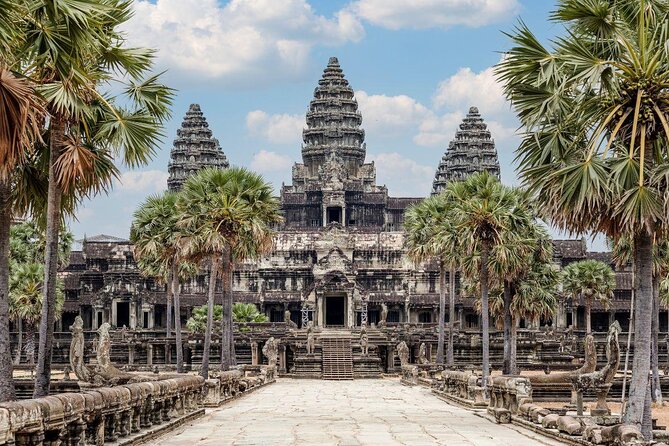
- 4:40 AM hotel pickup for Angkor Wat sunrise timing
- Angkor Thom circuit with Bayon and the royal terraces
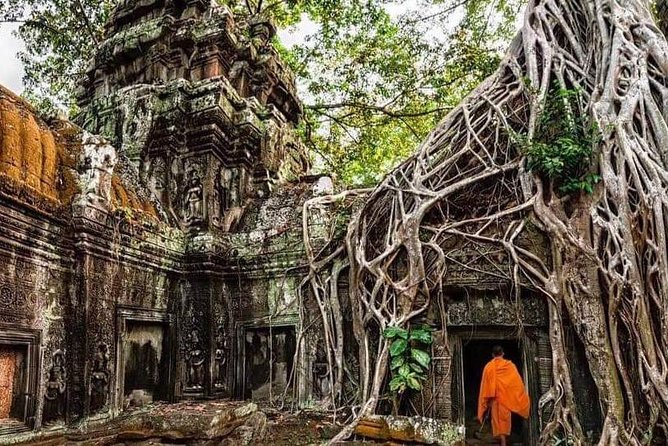
- Ta Prohm in its natural state with jungle roots and big trees
- Pre Rup and other mid-tier temples that spread the crowds out
- Kompong Phluk boat time on Tonle Sap’s flooded village life
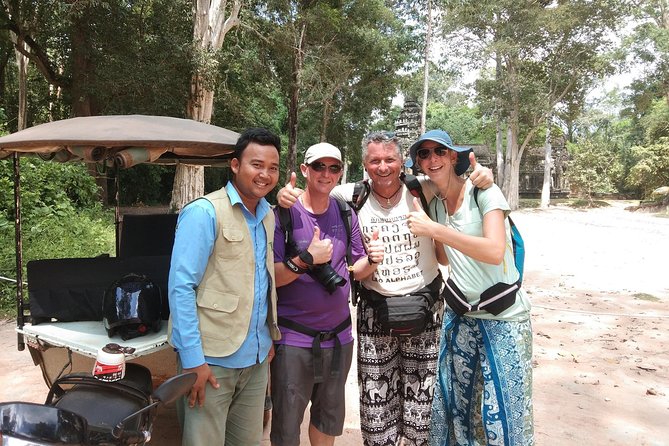
- Guide Dy gets standout praise for making the story make sense
Chasing Angkor Wat sunrise, starting before the sun
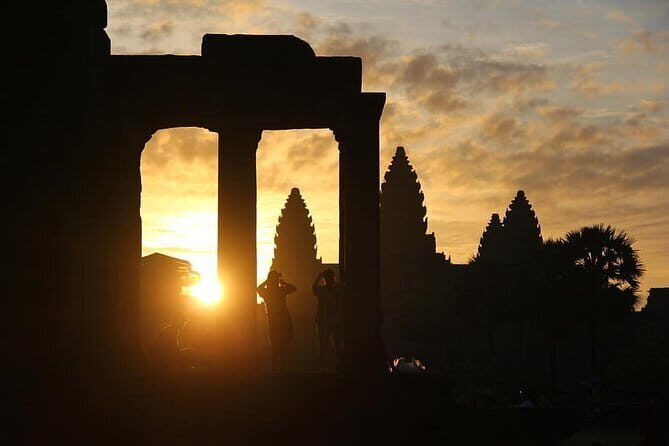
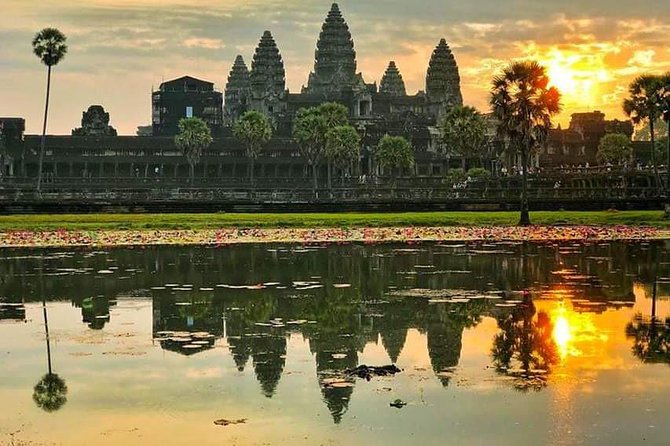
If you hate waking up early, this is not the day for you. Pickup is scheduled before sunrise at 4:40 AM, and the payoff is that you’re at Angkor Wat while the air is cool and the colors are starting to change. Sunrise here isn’t just a view; it’s the best time to see the temple’s scale without the full daylight crush.
Your guide will have you positioned to watch the sky and then move through the complex after the light shifts. Do not treat this like a quick photo stop. Plan to stand, look, and let your brain catch up to the geometry—Angkor Wat is huge, and the different angles can make you feel like you’re walking through separate spaces rather than one temple.
Practical tip: bring something for the morning chill (even in Cambodia it can feel cool before the sun climbs) and keep your water handy. The tour includes mineral water during touring, but you’ll still want easy access once you start moving.
You can also read our reviews of more tours and experiences in Siem Reap.
Angkor Thom’s South Gate to Bayon: stone faces and big city energy
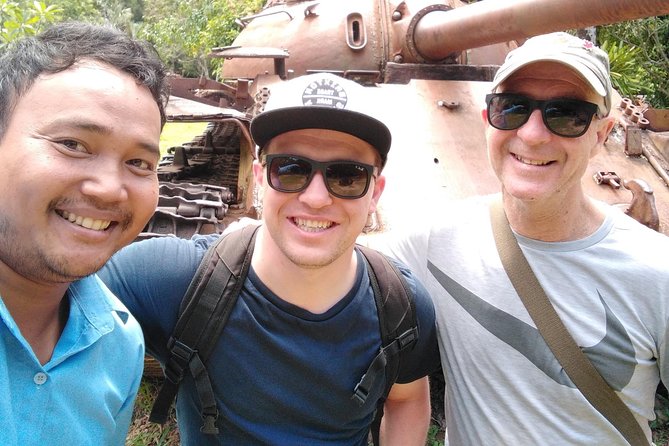
Day 1 kicks off at the Angkor Thom South Gate, the kind of landmark where you immediately understand this was a capital, not just a religious site. The city was associated with King Jayavarman VII’s building program, and the whole setting feels like a statement of power.
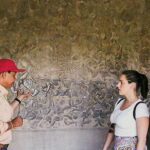
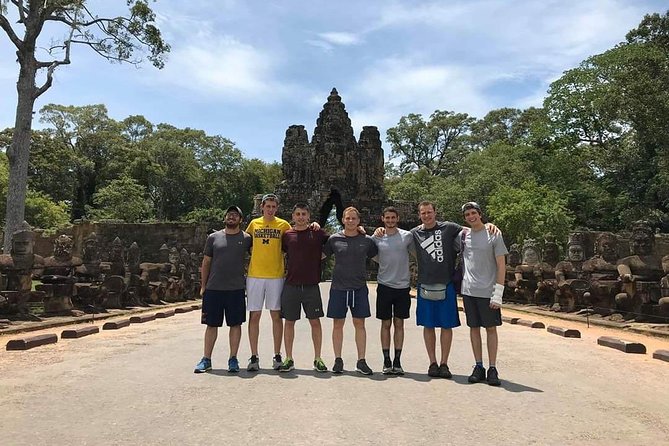
From there you head to Bayon Temple, famous for the faces that look in every direction. What makes Bayon work with a guide is simple: you’re not just seeing decorations. You’re learning what you’re looking at—why the temple is where it is, and how it fits the story of the king who commissioned it. With a good guide, those stone faces stop feeling like random selfies backdrops and start feeling like a communication system.
Then it’s a short hop to Baphuon Temple, located northwest of Bayon. It’s built earlier than Bayon, and the different construction style gives your eyes a fresh target after all the face carvings.
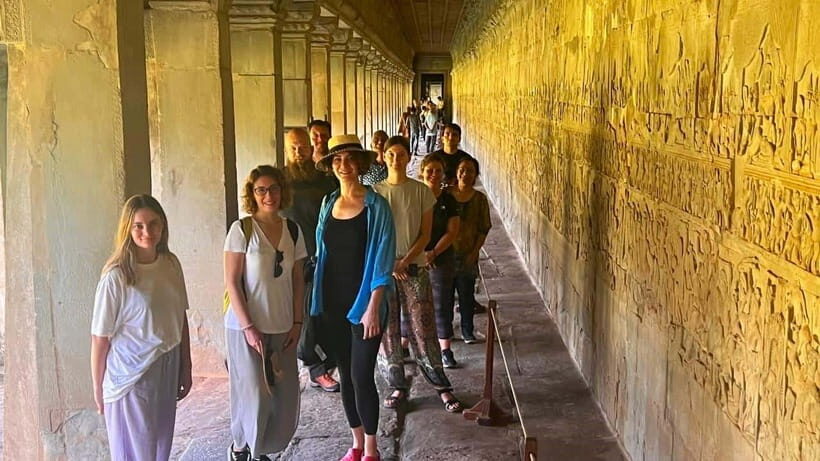
The itinerary also includes Terrace of the Elephants and Terrace of the Leper King, both part of the Angkor Thom complex. These spots are where you start noticing scene-like carvings and the way terraces functioned as viewing platforms and ceremonial spaces. Without context, they can blur together. With a guide, you start recognizing patterns and placement.
The terraces: why the middle stops matter
The terraces are one of the best value parts of the tour because they feel more “readable” than some of the far-flung temples. You get enough time at the Terrace of the Elephants to look beyond the headline name and actually see how the terrace shape directs movement and attention.
Then you get the Terrace of the Leper King, which is named after a later interpretation, but what you really come for is the Bayon-style carving language and the way Jayavarman VII-era design thinking shows up in these smaller details. Even if you’re not a hardcore temple nerd, you’ll get something from this: it helps you understand Angkor as a living design project rather than a set of isolated monuments.
Real talk: terraces can be tiring because you’re often standing, walking slowly, then standing again. If you like taking photos, factor in the time to step back for full views and then move in for close detail.
Angkor Archaeological Park lunch break: where the day regains your energy
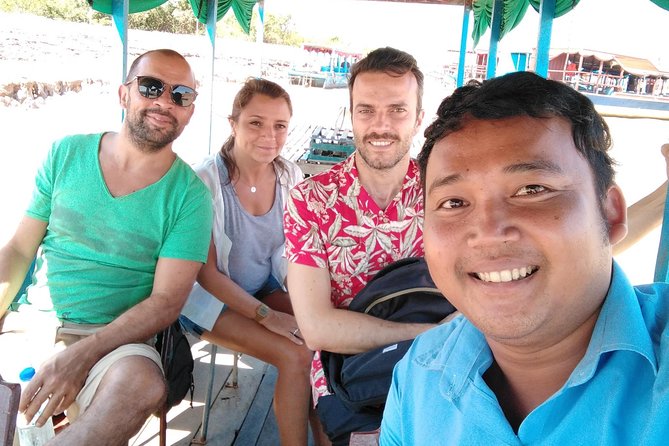
After the first cluster of Angkor Thom sites, there’s a lunch break around 45 to 60 minutes at Angkor Archaeological Park. Food and drinks are not included, so you’re paying on your own at whatever is available nearby.
This break is still worth it, even if you’d rather keep moving. The temple circuit is physically and mentally demanding. A real pause helps you avoid the end-of-day slump where every stone looks the same.
What I’d do: treat lunch like a reset. Drink water, eat something simple, and avoid going heavy on spicy foods if your stomach is sensitive. Angkor is a long day already; you want your energy to last into Angkor Wat later.
Angkor Wat in daylight, plus a weather-dependent sunset plan
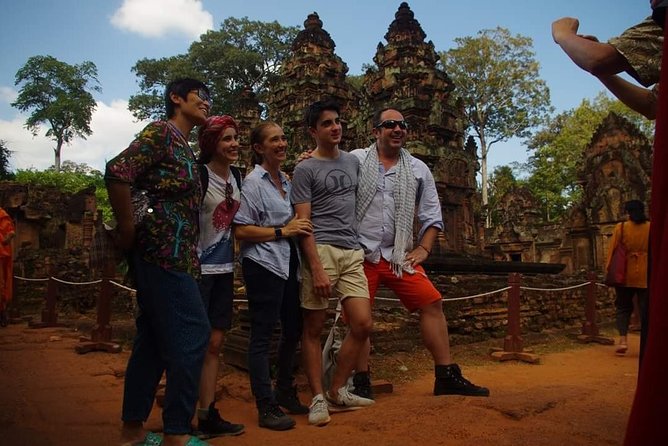
After lunch, you visit Angkor Wat again as part of the day’s program. Daytime Angkor Wat is a different experience than sunrise. Light is flatter, colors are clearer, and you can see the temple layout more plainly. If you’re someone who likes architecture and sightlines, midday can be easier to understand.
The tour also includes Phnom Bakheng as a possible sunset option, if weather allows and if you’re not too tired. This is an important consideration: sometimes conditions change, and you may not get the mountain sunset.
If you do make it, Phnom Bakheng gives you a viewpoint that’s less about close carving detail and more about the temple mass and surrounding setting. If you don’t go, you’re not losing the day—you’ll already have done Angkor Wat properly.
Practical note: any sunset plan at Angkor can mean more walking and more heat later. Wear shoes you trust on uneven ground and keep your water routine consistent.

Ta Prohm: the jungle temple look that needs time
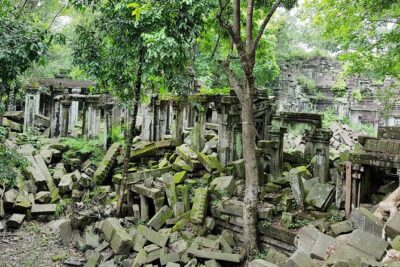
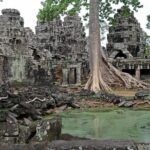
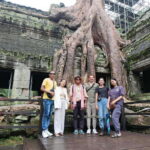
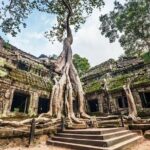
Day 2 starts with sunrise already behind you, then shifts to the jungle vibe with Ta Prohm. This temple is known for being left in its original state, with huge tree roots wrapping through structures.
The reason a guide helps here is timing and movement. Ta Prohm can feel chaotic if you’re trying to decide where to stand every minute. With a plan, you get a few viewpoints that actually show what makes it iconic: root patterns, broken lintels, and the way the jungle and stone are locked together.
You’ll have about 1 hour for Ta Prohm. Use that time to slow down. Take a few minutes at one spot to let the scene click, then move once or twice to compare angles. That’s how the temple turns from background visuals into a real, three-dimensional place.
Pre Rup and the mid-tier temple sequence that avoids crowd burnout
After Ta Prohm, you visit Pre Rup, a Hindu temple mountain associated with Khmer king Rajendravarman. It’s not one of the first names people shout, but that’s why it works on a guided schedule: it helps you keep the trip from turning into a straight line of the most crowded sites.
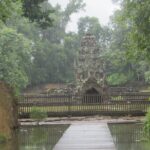
From there the itinerary continues with Eastern Mebon, then Ta Som, and Neak Pean. These stops keep the story moving without repeating the same exact style of carvings every 10 minutes. You get variation in structure and setting, which makes the day feel like discovery instead of checklist ticking.
A helpful way to think about these mid-tier temples: they’re where you start noticing Angkor’s design patterns—cause-and-effect placement, water-related context, and how temples were arranged inside a bigger system. Even if you only retain a few key ideas, your overall impression of Angkor becomes more grounded.
Preah Khan, then lunch and Tonle Sap reality
Later on, you visit Preah Khan, built in the 12th century for King Jayavarman VII to honor his father. This stop adds a different tone to the circuit—still Khmer temple architecture, but with its own layout and sense of space.
Then you take lunch at Srah Srang, again with time built in (about 1 hour). Food and drinks are not included, so you’ll be paying separately here too. This is also your second chance to recharge before Kompong Phluk, which is a different kind of experience altogether.
In my view, this structure is smart. Angkor days can blur if you go straight from temple stone to a long boat trip without a buffer. Lunch helps you show up to Tonle Sap with attention, not exhaustion.
Kompong Phluk on Tonle Sap: boat time with floating fishing village life
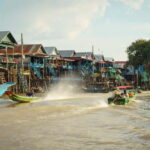
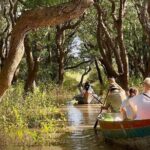
The big contrast on Day 2 is Kompong Phluk on Tonle Sap lake. The tour heads to a flooded and fishing village area about 21 kilometers from Siem Reap, then uses local boats for the sightseeing.
The schedule sets aside 3 hours total for Kompong Phluk, and the boat ticket fee is not included (listed as $20 per person). That fee matters because boat time is the heart of what you came for: you’re seeing life on the water, not just looking from a shore.
What I’d keep in mind: Tonle Sap is a working lake. You’re not just viewing scenery; you’re passing through community spaces. Go slowly, keep your belongings secure, and be ready for the boat ride to be bumpy or exposed depending on conditions.
This is also where the guide’s presence helps most. They can keep you on track, explain what you’re seeing, and make sure you don’t miss the best viewpoints during the boat portion.
Price, tickets, and the real value of this 2-day plan
The base tour price is $85 per person for 2 days. It includes hotel pickup and drop-off, an air-conditioned vehicle, mineral water during touring, and a professional English-speaking tour guide for 1 day (per the included details). You also get mobile ticket support.
But here’s the part you should budget for upfront:
- Angkor Pass: $62 per person (not included)
- Boat ticket: $20 per person (not included)
- Food and drinks: not included
- Appreciation tip: not included
If you add only the listed extras, the temple and boat access becomes $85 + $62 + $20 = $167 per person, before meals and tips. For many people, that’s the honest number you should compare when deciding if this tour is worth it.
So is it good value? In my eyes, yes—because you’re paying for time efficiency and guidance across a lot of sites. Angkor is massive, and wandering without context can lead to wasted hours and missed meaning. Plus, the Tonle Sap boat experience is something you can’t easily improvise on your own if you’re short on time.
One more value point: the tour is rated 5/5 in a small set of reviews, and the strongest specific praise was for guide Dy’s performance on Day 1. That kind of guide match can make the difference between seeing temples and understanding them.
What to expect day-by-day, without the guesswork
On Day 1, you’ll move through Angkor Thom’s main highlights and terraces, then break for lunch at Angkor Archaeological Park, then continue to Angkor Wat and (if conditions and energy allow) a possible sunset at Phnom Bakheng.
On Day 2, you start with an early 4:40 AM pickup for Angkor Wat sunrise, then head into Ta Prohm and a sequence of temple stops including Pre Rup, Eastern Mebon, Ta Som, Neak Pean, and Preah Khan. After lunch near Srah Srang, you finish with Kompong Phluk and a boat ride on Tonle Sap.
Your comfort level will depend on two things: your tolerance for early mornings and your comfort with walking on temple paths and stone steps. Shoes matter more than you think.
Who this tour is best for
This fits well if you want a structured 2-day plan that covers the major Angkor classics while still giving time to mid-tier temples and the Tonle Sap boat experience.
You’ll likely enjoy it most if:
- You like guided explanations, not just wandering
- You want sunrise timing handled for you
- You prefer fewer decisions and more seeing
It may be less ideal if:
- You want a slow travel pace with no early mornings
- You don’t want to budget for additional ticket costs
- You’re sensitive to long days and frequent walking
Also, the tour includes hotel pickup and drop-off, and it’s set up for only your group, which helps if you don’t want to ride around with lots of strangers.
Should you book this Angkor Wat sunrise + Tonle Sap tour?
I’d book it if you want the best-of Angkor experience with a built-in sunrise schedule and a real Tonle Sap stop that goes beyond a quick photo. The combination of Angkor Thom terraces, Ta Prohm in its jungle state, and Kompong Phluk boat time gives you variety over two days without feeling scattered.
I would pause before booking if you know you hate early wake-ups or if you’re trying to keep costs ultra-low. Once you add the Angkor Pass and boat ticket, the real spend is closer to a higher total than the base price alone.
FAQ
What is the starting time for the tour?
The tour starts at 8:00 am at the meeting point in Krong Siem Reap.
Do I get picked up from my hotel?
Yes. Hotel pickup and drop-off are included.
What time is the sunrise pickup?
You’ll be picked up before sunrise at 4:40 AM for the Angkor Wat sunrise.
Is Angkor Pass included in the price?
No. The Angkor Pass costs $62 per person and is not included.
Is the boat ticket included for Tonle Sap?
No. The boat ticket fee is $20 per person and is not included.
Are meals included?
No. Food and drinks are not included. Lunch breaks are included in the schedule, but you pay for meals yourself.
How long is the Tonle Sap stop at Kompong Phluk?
The Kompong Phluk portion is listed as 3 hours.
Is there an English-speaking guide?
Yes. The included details say a professional English-speaking tour guide for 1 day.
Does the tour include mineral water and transport?
Yes. Air-conditioned vehicle and mineral water during touring are included.
What is the cancellation deadline for a full refund?
You can cancel up to 3 days in advance for a full refund.
Is Phnom Bakheng sunset always included?
It’s included only if the weather allows and if you are not too tired.