REVIEW · SIEM REAP
Siem Reap: Floating Village Half-Day Tour
Book on GetYourGuide →Operated by Tara Riverboat · Bookable on GetYourGuide
Floating villages are easier to picture than to forget. On this half-day trip from Siem Reap, you glide across Tonle Sap Lake by boat and see how people live where roads do not exist. I especially like the combo of a guided cruise through the floating community and the lunch stop on the Queen Tara vessel. The biggest drawback to plan around is that parts of the route, like the crocodile and fish farm visit, can shift with lake water levels.
What makes this tour feel different from a checklist day is the setting: you travel toward the port near Phnom Krom, pass rice paddies and lotus fields, and learn why Tonle Sap’s river system is famous for running in opposite directions each season. I also like the small-group feel (limited to 11), plus the chance to ask questions to guides like Mr. Friday and Mr. Mony, who earn repeated praise for clear English and real stories. One more consideration: the crocodile-farm segment may feel uncomfortable to some people, so go in with eyes open.
In This Review
- Key Highlights at a Glance
- Where Tonle Sap’s Water Life Starts From
- The Lotus Farm Stop: Small Time, Big Meaning
- Meeting the Lake: From Canals to the Great Water
- Floating Village Cruise: What You’re Actually Watching
- Crocodile and Fish Farm Stop: A Worth-Seeing Trade-Off
- Lunch on Queen Tara: Calm Water, Cold Drinks
- Guides, Language, and the Real-World Stories
- How Long Is It Really, and How Is the Pace?
- Price and Value: What You’re Paying For
- Who This Tour Fits Best
- A Few Small Decisions That Make the Day Better
- Should You Book the Siem Reap Floating Village Half-Day Tour?
- FAQ
- How long is the Siem Reap floating village half-day tour?
- What does the price include?
- Is there a vegetarian option?
- Does the tour depend on anything?
- How big is the group?
- Are there any age restrictions?
Key Highlights at a Glance
- Tonle Sap’s seasonal flow story: one of the world’s rare river systems that changes direction twice a year.
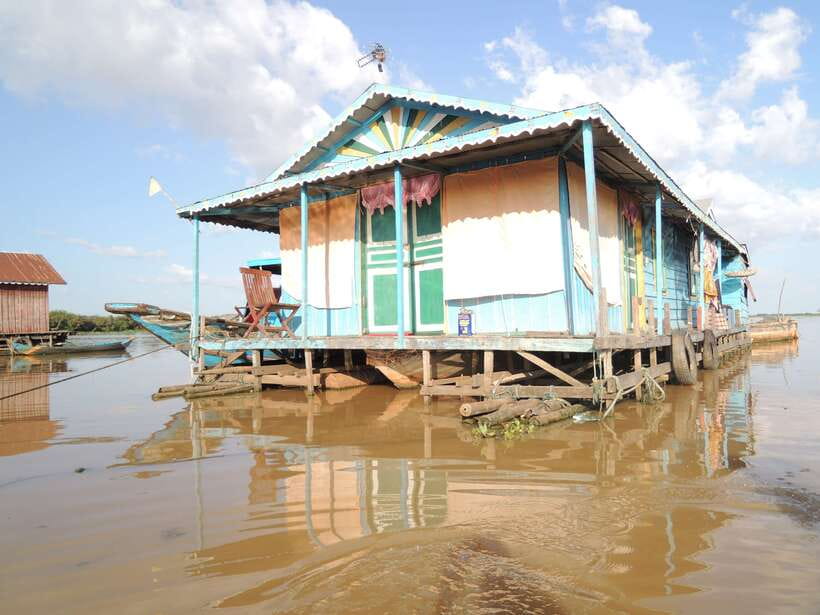
- Floating village cruise: watch everyday life in communities built around water and work.
- Lotus farm stop: see and learn why lotus matters in Buddhism and daily life.
- Queen Tara lunch on the lake: a meal plus 2 drinks while you relax on board.
- Crocodile and fish farm visit: included, but timing depends on water levels.
- Small group: limited to 11 participants, with pickup and drop-off in Siem Reap.
Where Tonle Sap’s Water Life Starts From
Siem Reap is temple country, but Tonle Sap is a different Cambodia. This tour begins with a pickup from your hotel or guesthouse, then a ride by air-conditioned vehicle or tuk tuk toward the port area near Phnom Krom. Along the way, you get the “other side of the postcard”: rice paddies and lotus fields, plus quick stops where your English-speaking guide explains what you’re seeing.
This matters because it sets expectations. Floating villages look magical in photos, but the real story is practical—people live on the lake because it’s how livelihoods work here. You’ll hear that in plain terms from your guide, not just as trivia.
It also helps that the timing is short. At 4 hours total, this is one of those tours that won’t eat your whole day or force you to choose between temples and the countryside.
You can also read our reviews of more tours and experiences in Siem Reap.
The Lotus Farm Stop: Small Time, Big Meaning
Before the boat action, there’s a quick lotus farm visit. You’ll see lotus up close and hear how the flower and plant are used, with a strong emphasis on Buddhism. The catch: lotus and rice views vary by season, so your photo chances depend on when you go.
Still, I like this stop because it gives you context for what you’ll see later. When you understand why lotus matters on land, the whole lake story feels less random. Even if the stop is brief, it’s usually the difference between seeing a floating settlement and understanding it.
Practical note: the tour runs in all weather conditions, so dress for heat first, then be ready for rain. A hat, light layer, and waterproof bag for your phone go a long way.
Meeting the Lake: From Canals to the Great Water
Once you arrive at the port area, you board for the cruise. The day’s routing takes you through waterways on the way to the largest freshwater lake in Southeast Asia. This is where the trip earns its “half-day” status: you don’t just look at the floating villages from the outside—you move through the environment that shapes them.
You’ll also get one of the region’s best icebreakers: Tonle Sap is famous for the river system that flows backwards twice a year. In wet season, water moves northward; in dry season, it moves south toward the South China Sea. Your guide will translate that into real-life consequences—where boats go, how communities adjust, and why lake life follows the seasons.
This is also where your camera gets work. The views can be stunning, but the best moments tend to be the in-between details: boats moving quietly, children watching from a dock, and the general sense that the lake is a workplace, not a theme park.
Floating Village Cruise: What You’re Actually Watching
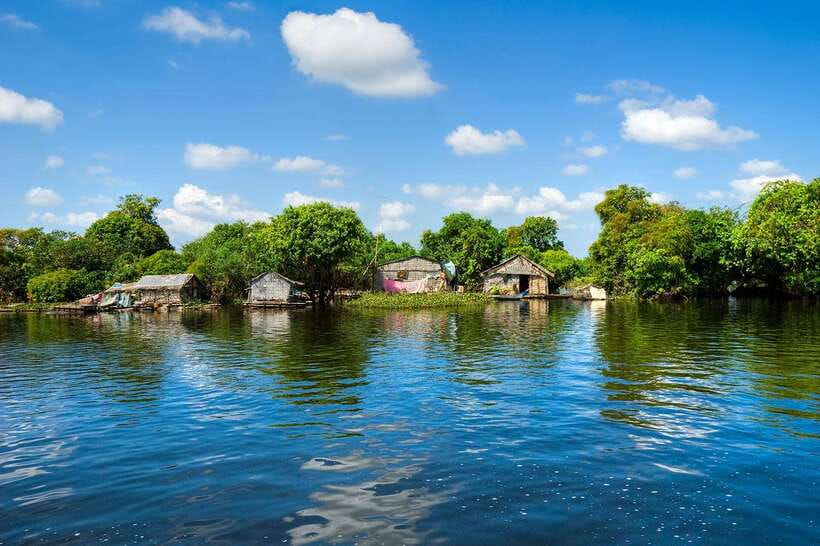
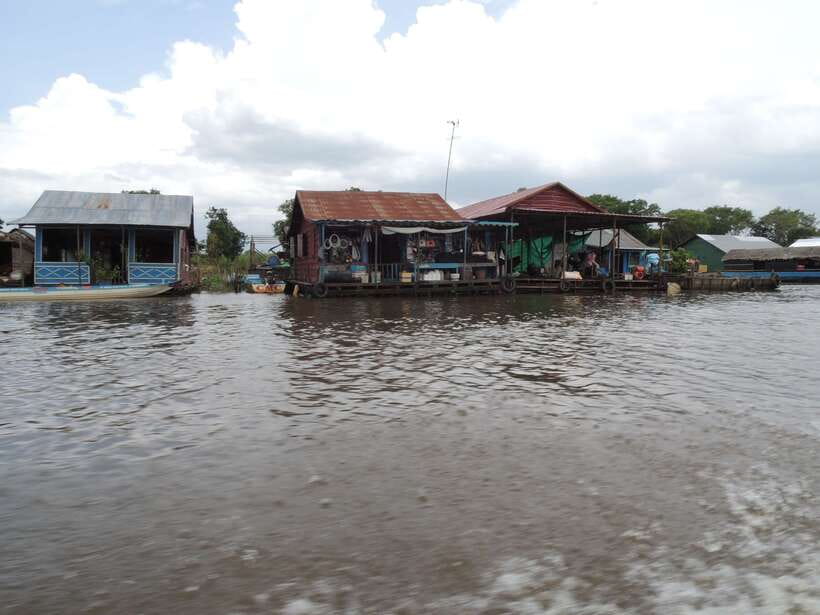
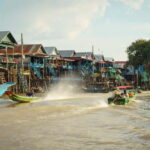
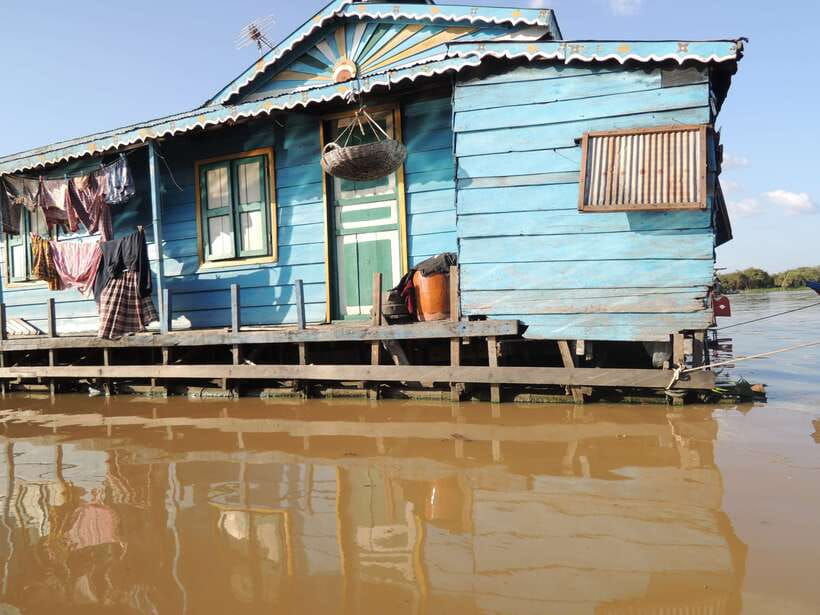
The floating village segment is the heart of the experience. During the cruise, you watch daily life as fisherman and their families go about routines that have continued for generations. Importantly, you’re not just driving past houses—you get guided context while you see how everything functions without roads.
You’ll likely notice contrasts immediately:
- Water-based transport is normal, not special.
- Supplies and movement follow the rhythm of the lake.
- Your guide’s explanations turn what looks like a cluster of homes into an actual system.
Some parts of the experience are deliberately brief. The tour mentions docking at the Queen Tara after passing through the floating village and briefly entering the edge of the Great Lake. So if you want hours of wandering, this is not that kind of tour. But for most people, it hits the right balance: enough time to feel the place, not enough time to get bored.
Crocodile and Fish Farm Stop: A Worth-Seeing Trade-Off
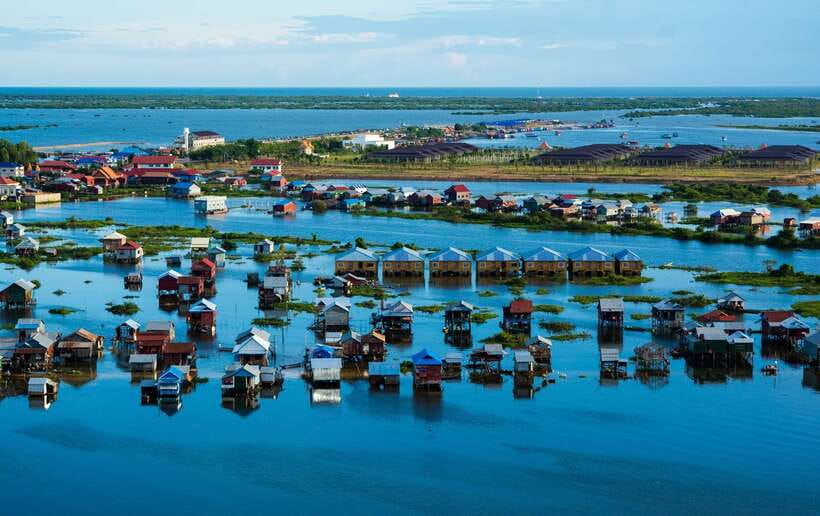
After the floating village cruise, you head to a crocodile and fish farm on the lake. The tour is clear that this portion depends on current water levels, so it may shift in timing—or in what you can see.
This stop is included for a reason: it highlights local trades connected to the lake. You’re learning how fish farming works, and you get a close-up look at how crocodiles are managed. The issue is ethics. One review flagged the crocodile enclosures as cramped, with crocs positioned in a small space. That doesn’t mean the tour is trying to shock you—it means this segment can hit people differently.
My advice: treat it like any animal viewing—watch with your values in mind. If you’re very uncomfortable with animal captivity, you might want to think twice. If you can approach it as a glimpse into local industry and food-chain economics, you’ll likely find the conversation with your guide more meaningful than the visuals.
If your visit is adjusted due to water levels, the rest of the tour still carries the day: the floating village cruise and the on-board lunch.


Lunch on Queen Tara: Calm Water, Cold Drinks
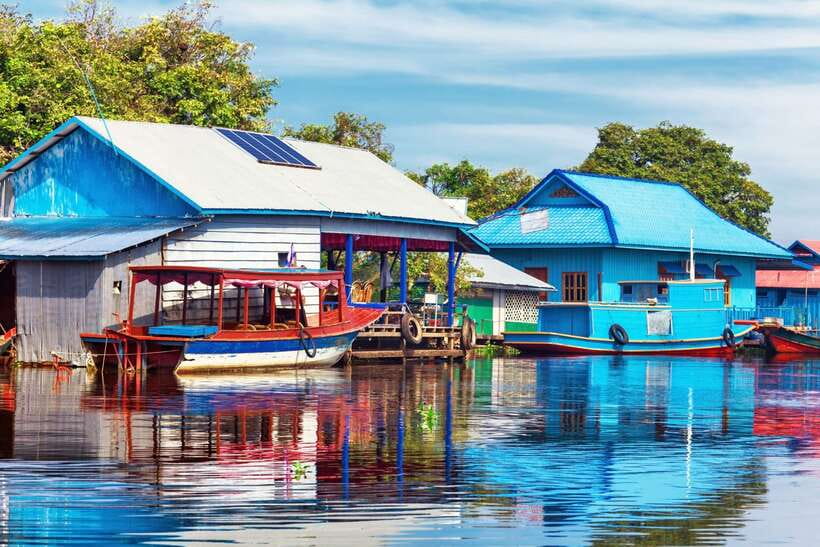
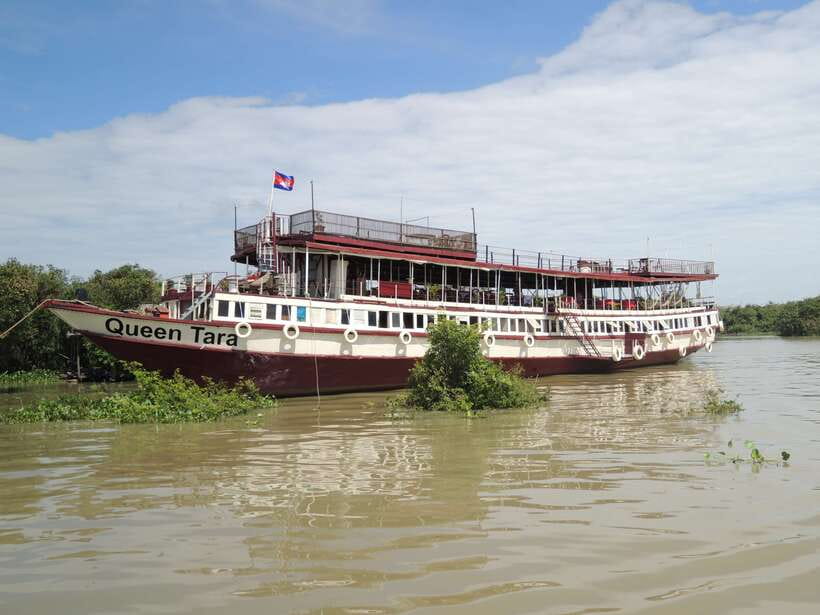
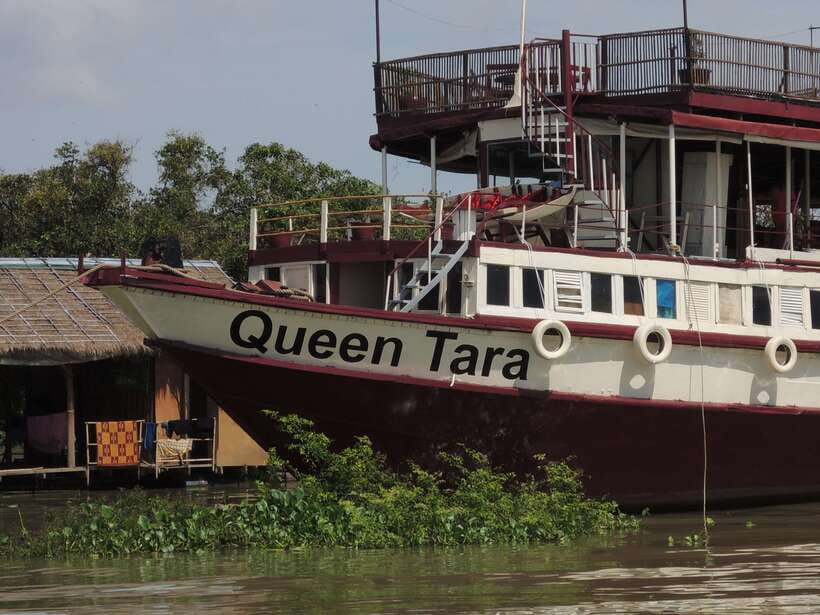
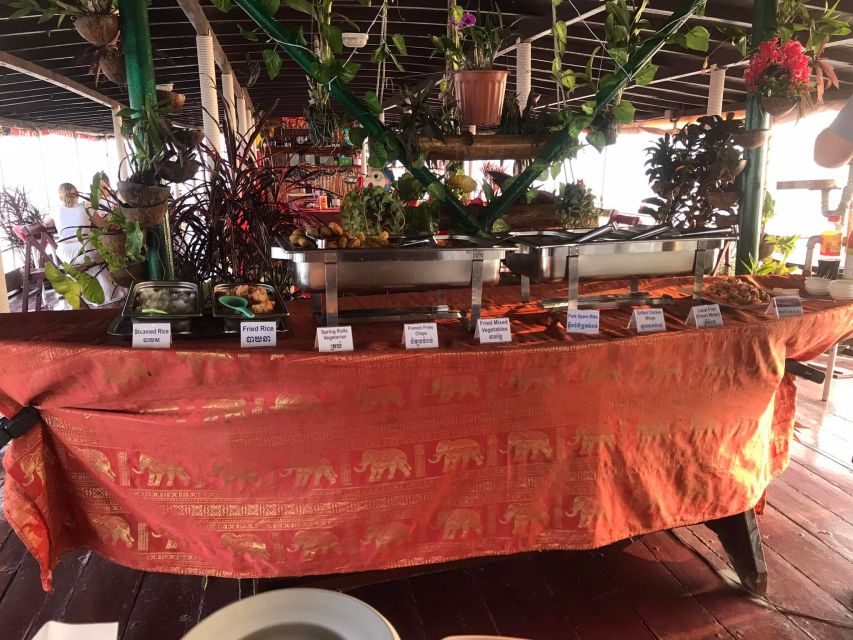
Then comes the part that makes this feel like a break: docking at Queen Tara, described as the biggest boat on the lake and located in the heart of the floating village. This is where you get lunch and time to slow down.
The meal includes 2 free drinks. Options are listed as soft drink, beer, spirits, cocktails, or wines. That sounds simple, but it changes the vibe: you’re not eating in a rush. You’re eating on the water, with a guide nearby and a viewing deck where you can just watch.
You’ll also appreciate the boat itself. The tour info describes a 100-year-old ex cargo boat connection through the Tara Riverboat history, carrying cargo from the 1920s through Vietnam and the Mekong into Cambodia. That kind of detail turns lunch from just calories into atmosphere. It’s one of those subtle touches that makes the tour feel more grounded and less generic.
A small practical tip: one review suggested changing eating utensils from forks and spoons. That’s not a deal-breaker, but if you’re picky about tableware, consider bringing a small utensil wrap or just go with what’s provided.
Guides, Language, and the Real-World Stories
A big part of the value here is the human side. This is a guided tour, and guides are English- and Khmer-speaking. Multiple reviews call out strong guides—Mr. Friday, Mr. Mony, and Pon—with praise for clear explanations and cultural context.
Why this matters: floating villages can feel overwhelming because so much is visual. A guide helps you sort what you’re seeing into themes—seasonal water movement, trade, daily schedules, and why certain flowers and plants matter. Without that, you might just watch houses on water and boats passing by.
You’ll also get the chance to ask questions on the ride out—before you’re actually on the lake. The tour includes a few roadside talking points like rice paddies and lotus flowers, so you start learning even before you reach the water.
How Long Is It Really, and How Is the Pace?
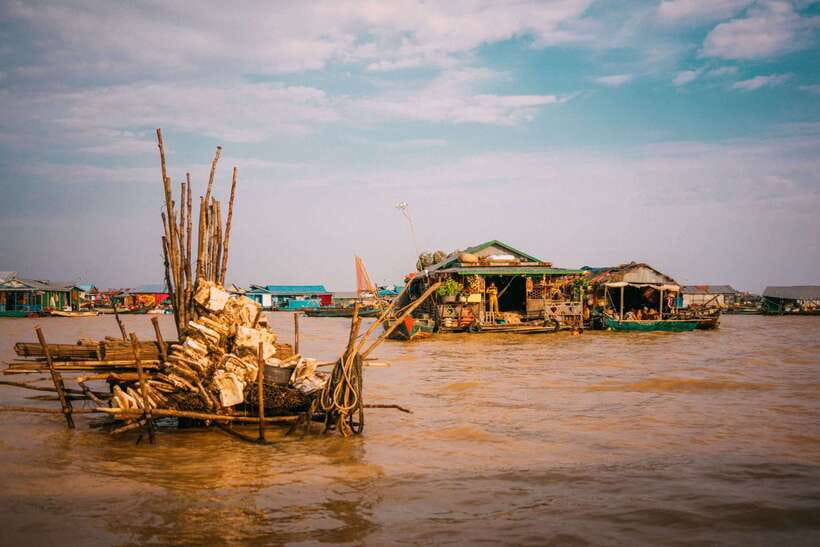
The duration is 4 hours, and that’s usually the sweet spot for Tonle Sap. You get:
- time on land before the boat
- time on water cruising the floating areas
- lunch on board
- time to return
The pace is relaxed compared to many Siem Reap tours. Several notes point to the trip as a welcome change from heat and crowds. That’s believable. Even with the afternoon sun in Cambodia, being on a boat typically means you feel more movement, and the lake air can be cooler than the road.
Still, do go strategically. If you have a choice between morning or later departures, mornings tend to feel easier. One tip was to do the morning tour before the heat gets too intense.
Price and Value: What You’re Paying For
At $55 per person, this isn’t the cheapest add-on in Siem Reap. But it includes a lot that costs extra elsewhere:
- pickup and drop-off in Siem Reap
- transfers to the port area
- an English-speaking guide
- checkpoint fees
- lotus farm tour
- floating village and crocodile/fish farm touring
- lunch on Queen Tara plus 2 drinks
In other words, you’re not just paying for the boat ride. You’re paying for guided time, transport, access, and the meal. For a half-day, that can be good value, especially if you’d otherwise have to arrange your own driver and find a place for lunch with drinks.
Meal notes: the vegetarian option is available if you request it at booking. Most importantly, the tour makes lunch part of the schedule, not something you have to squeeze in later.
Who This Tour Fits Best
This one works especially well if you want:
- a break from temple touring
- a guided look at lake life in Cambodia
- a calmer, shorter day activity
- a mix of culture, food, and water views
It’s also a solid choice for families, but check age rules carefully. The tour says unaccompanied minors aren’t allowed. Children 10 and under pay half price, and children younger than 5 can join for free, but they must be accompanied by an adult.
If you hate animal-related content, the crocodile and fish farm stop is your decision point. If you can handle it, you’ll get a more complete picture of the lake economy.
If you want long walks and lots of independent exploring, this isn’t that tour. It’s a guided half-day with set stops and limited time in each place.
A Few Small Decisions That Make the Day Better
A floating village day is simple, but a couple choices make a noticeable difference:
- Choose your time wisely. If you can, pick a morning slot to reduce heat stress.
- Dress for weather and sun. The tour runs in all conditions, so bring a light rain layer just in case.
- Plan your expectations for photos. The lotus and rice views vary by season, and the lake’s water level affects what you can do.
- Bring an open mind for the crocodile stop. It’s included, but animal captivity can be a tough watch for some.
Should You Book the Siem Reap Floating Village Half-Day Tour?
Yes, with the right expectations. If you want a short, guided Tonle Sap experience that includes transport, lunch, and cultural context, this is a strong fit. The floating village cruise and on-board meal on Queen Tara are the main reasons to choose it, and the small-group format keeps the experience from feeling rushed.
Book if:
- you want something different from temples
- you like boat days and guided storytelling
- you’re fine with a crocodile/fish farm stop as part of understanding local trades
Skip or reconsider if:
- you’re deeply uncomfortable with animal captivity
- you need a tour that adapts without relying on lake water levels (some details can shift with conditions)
FAQ
How long is the Siem Reap floating village half-day tour?
It lasts about 4 hours.
What does the price include?
The tour includes hotel pick-up and drop-off in Siem Reap, transfers, an English-speaking guide, a meal with 2 drinks on the Queen Tara, all checkpoint fees, and tours of the floating village, crocodile and fish farm, and the lotus farm.
Is there a vegetarian option?
Yes. A vegetarian option is available if you advise at the time of booking.
Does the tour depend on anything?
Yes. The tour is dependent on Tonle Sap water levels, and this can affect the route, including whether the crocodile and fish farm stop can happen.
How big is the group?
It’s a small group limited to 11 participants.
Are there any age restrictions?
Unaccompanied minors are not allowed. Children age 10 and under pay half price, and children younger than 5 can join for free, but children must be accompanied by an adult.