REVIEW · SIEM REAP
Sunrise Small Group Tour to Angkor Wat Temple
Book on Viator →Operated by Travel to Inspire · Bookable on Viator
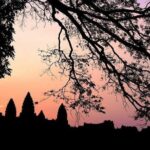
Sunrise at Angkor Wat is worth the early alarm. This small-group outing in Siem Reap is built around the first light, then you roll into Angkor Thom highlights like the South Gate and Bayon, plus Ta Prohm’s iconic tree roots. I love the air-conditioned van and the calm pace of a capped group (max 15).
My second favorite part is the way the temples are explained with real context, and guides such as Thom and Sun come up often in the same theme: they keep it friendly and clear while helping you understand what you’re actually looking at. One thing to plan for: temple tickets cost $37 per person extra, and you’ll need to cover knees and shoulders before you go inside.
In This Review
- Key highlights to know before you go
- Sunrise at Angkor Wat: the moment you’re paying for
- Getting to Angkor in comfort: pickup, AC, and cold towels
- Angkor Wat morning: seeing the outside, then stepping inside
- Ta Prohm’s tree roots: the jungle temple that pulls you in
- Bayon Temple faces and Angkor Thom’s South Gate
- Elephant Terrace: a quick pause that adds context
- Monk blessings: how to handle this respectful bonus
- Price and value: $33 vs $37 temple tickets
- What to wear and bring for an Angkor sunrise run
- How a small group changes the experience (and your photos)
- Who should book this sunrise Angkor Wat tour?
- Should you book this Sunrise Small-Group Tour to Angkor Wat?
- FAQ
- Is the temple admission fee included?
- Does this tour include hotel pickup and drop-off?
- How long is the tour and how big is the group?
- Are monk blessings included?
- What should I wear for temple visits?
- What is the cancellation policy?
Key highlights to know before you go
- Small group size (max 15) keeps the schedule manageable and photo stops easier to handle
- Hotel pickup and drop-off means you’re not hunting tuk-tuks at dawn
- Outside + inside access at Angkor Wat, Ta Prohm, and Bayon (not just quick views)
- Monk blessings are sometimes possible at Angkor Wat or Bayon, depending on monks availability
- Cold towels and drinking water make the heat easier to deal with
- 50% of profits support education for underprivileged students
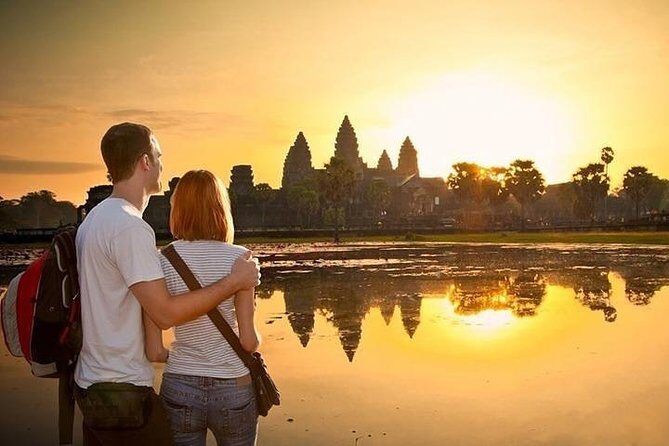
Sunrise at Angkor Wat: the moment you’re paying for
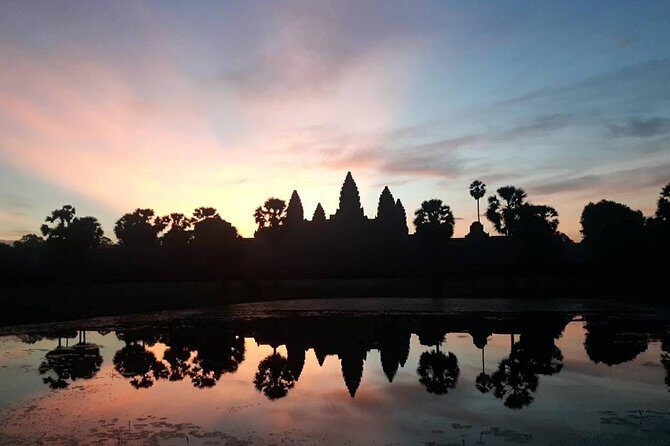
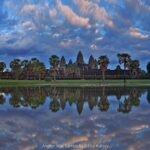
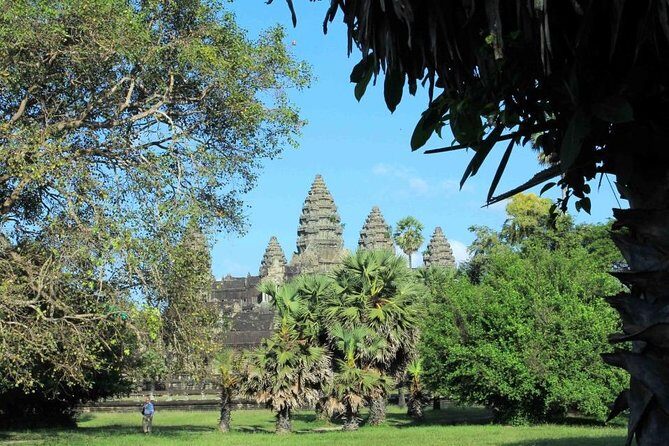
Angkor Wat at sunrise is special in a very practical way. The air is cooler, the light is softer, and the place feels huge without being completely chaotic. If you’ve ever tried to catch famous sights later in the day, you know the trade-off: hotter temperatures, more glare, and less time to slow down.
This tour is designed around that early start, then keeps your momentum going with the other major Angkor sights. That matters because Angkor is not a quick “look and leave” kind of area. Even when you’re moving efficiently by car, you’re still stepping into wide stone courts, climbing small stairways, and stopping to look up at details that are easy to miss when you’re rushed.
If you’re flexible about crowds, enjoy photography and walking, and you want the classic Angkor trio—Angkor Wat, Ta Prohm, and Bayon—this format makes a lot of sense.
You can also read our reviews of more tours and experiences in Siem Reap
Getting to Angkor in comfort: pickup, AC, and cold towels
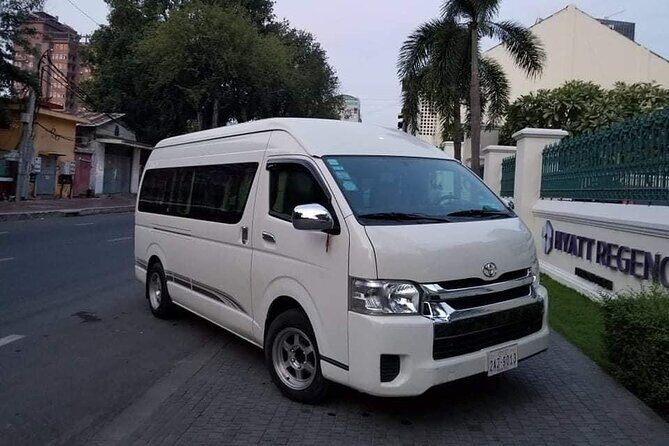
Your day starts with hotel pickup and drop-off, plus an air-conditioned vehicle. That’s a real value in Siem Reap because mornings can be cool early, but the heat ramps up quickly once you’re back outside. The tour also includes drinking water and cold towels, which sounds simple until you’re standing in humidity with temple steps under your feet.
The schedule is also smoother with the pickup. You don’t have to coordinate transport, negotiate prices, or guess timing in the dark. You show up, get briefed, and your guide handles the flow between sites.
Group tours can sometimes feel rigid, but here the max group size (15) helps. It’s easier to pause for a quick photo, ask questions, or adjust pacing if someone needs a breather. You’ll still be walking—there’s no magic carpet here—but the day feels less like a conveyor belt.
One small consideration: you’ll be moving between multiple temples in one morning, so you’ll want to treat this as a “big highlights run,” not a slow museum day.
Angkor Wat morning: seeing the outside, then stepping inside
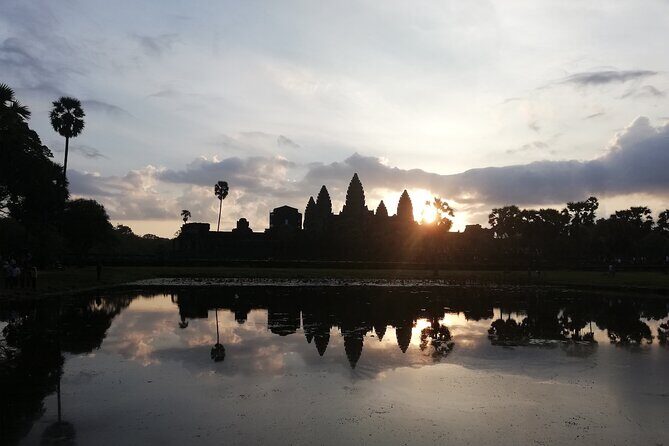
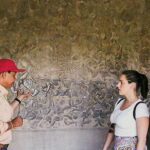
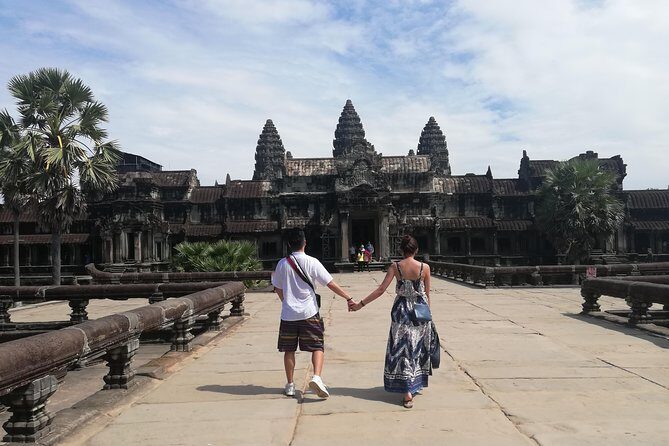
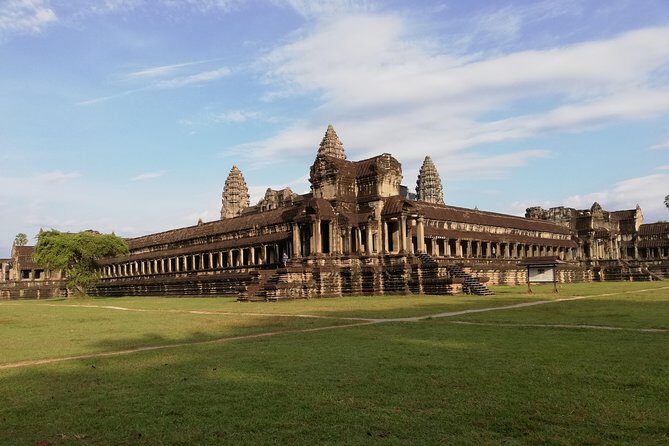
Angkor Wat is the name on every Cambodia bucket list for a reason. The experience here isn’t only the iconic silhouette from outside. You’ll also see the temple from within, guided by a local English-speaking expert who explains the site as you go, including the history behind what you’re looking at.
That “outside then inside” approach is important. From the outside, you get the big geometry—moats, towers, and layout. Once you’re inside, the details start to matter: carvings, levels, and the way pathways guide your attention. You also get a more grounded sense of why Angkor Wat is such a national symbol, even if it’s your first visit.
There’s also the possible monk blessing at Angkor Wat, but it’s dependent on monks availability. If that’s on your wish list, keep your expectations flexible and your attitude respectful. If it happens, it’s usually the kind of moment that doesn’t feel like a tourist stop—it feels personal, quiet, and meaningful.
Practical tip: plan to spend real time looking up. Many of the most striking details aren’t at eye level.
Ta Prohm’s tree roots: the jungle temple that pulls you in
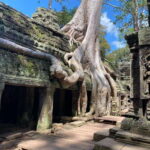
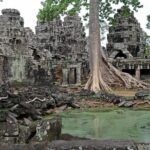
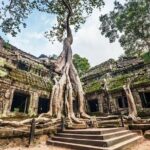
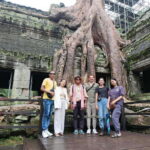
Ta Prohm is often described as the tree temple, and that nickname is accurate. This is the part of Angkor where the ruins feel alive in a different way—covered and framed by roots, with sunbeams slicing through gaps in the canopy.
Here you get both outside views and time to see inside with your guide. That inside component matters because the famous root structures look different once you’re inside the temple spaces. It’s not just “walls with trees.” The roots create a sense of movement across the stone, and they change how you navigate the paths.
Time is about 1 hour, which is a good fit for Ta Prohm. Longer can get tiring in the heat and the humidity, and shorter can feel too fast if you like photos. One hour is a balanced middle if you’re also planning to see Bayon and Angkor Thom sites.
Comfort note: Ta Prohm requires steady footing. Even if the route is manageable, you’ll be on uneven surfaces with occasional steps. Comfortable walking shoes are your best friend. And yes, you’ll probably end up looking at roots for way longer than you planned.
Bayon Temple faces and Angkor Thom’s South Gate
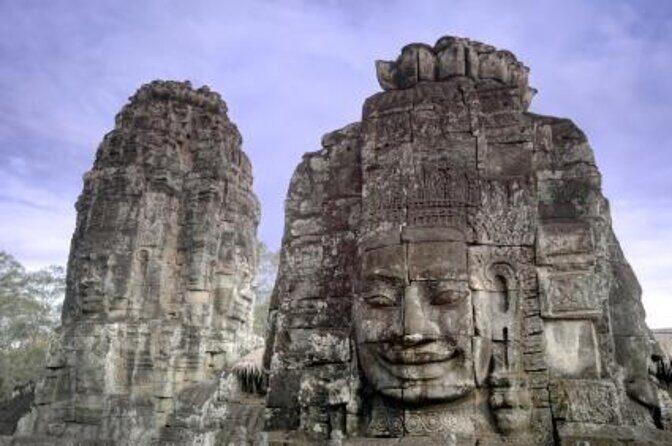
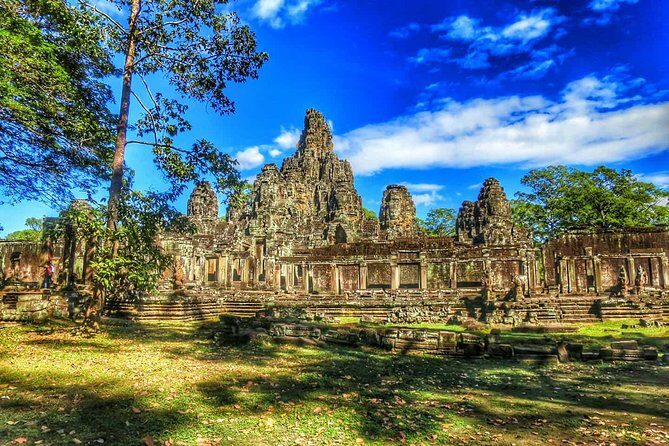
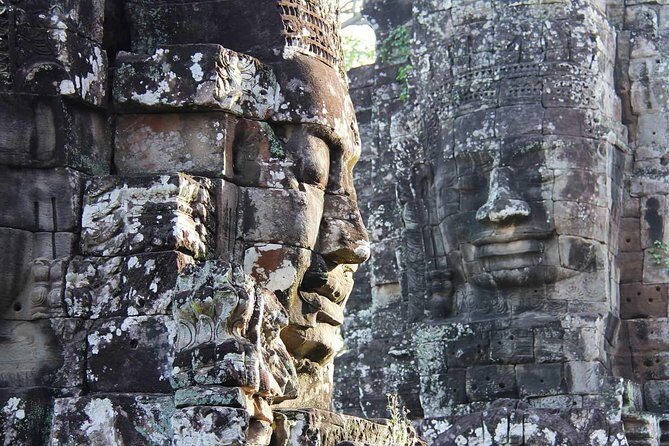
After Ta Prohm, the day shifts tone. Bayon is where Angkor’s famous face towers take over your attention. You’ll see Bayon from outside and inside, again with guide explanations to help connect the symbolism to what you’re seeing.
The “faces” aren’t only a photo subject. They also change how you experience the space. Instead of looking at the temple as a single structure, you feel watched from multiple directions as you move through the courtyards and passageways. It gives the place a different emotion than Angkor Wat’s more symmetrical, ceremonial vibe.
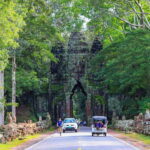
Your tour also includes key Angkor Thom elements like the South Gate area and pauses such as the Elephant Terrace (more on that next). Those add variety. You’re not only bouncing between three major temples—you’re also getting a sense of how Angkor Thom functions as a larger city-like complex.
There’s another possible monk blessing option at Bayon as well, depending on availability. If you’re hoping to experience that, keep your schedule attitude calm. Some mornings have it, some don’t, and the best move is to focus on being present where you are.
Elephant Terrace: a quick pause that adds context
The Elephant Terrace is one of those Angkor features that can be easy to skip if you’re just rushing for the biggest photos. In this tour, it’s included as part of the Angkor Thom circuit, so you get that extra layer of context.
Why it’s worth your time: terraces and gateways like this help explain the layout and power behind the city. It’s not only about standing in front of something famous—it’s about understanding how the city’s spaces guide movement and ceremony. Think of it like adding a few important “chapters” so the main temples make more sense.
Time isn’t specified for this segment, but you’ll likely get a practical look and a chance to take a few photos without feeling like you’re trapped in a long detour. If you’re the type who likes architecture and layout, you’ll appreciate this extra stop more than you might expect.
If you’re less into “in-between” stops, you can still treat it as a break from the heaviest walking while keeping momentum.
Monk blessings: how to handle this respectful bonus
This tour offers monk blessings at Angkor Wat or Bayon, depending on monks availability. That’s a nice touch because it can make the morning feel more than sightseeing.
A few things to remember so it stays smooth:
- Be ready for it to happen or not happen. Availability isn’t something your tour controls.
- Move quietly and follow your guide’s cues. Temples are active spaces, even when they’re also major attractions.
- Keep your phone habits respectful. If you’re unsure, ask your guide what’s appropriate.
When monk blessings do happen, they’re usually the moment that breaks the “checklist” feeling. Even if you’re not religious, you’re participating in a local tradition that’s meant for calm attention, not a performance.
And if it doesn’t happen, don’t feel shorted. You still get the main highlights with expert explanations and inside access.
Price and value: $33 vs $37 temple tickets
Let’s do the math and talk value without hand-waving.
You pay $33 per person for the tour itself. But the major temple admission fee is $37 per person and not included. That means your likely total is about $70 per person before tips.
Is that worth it? For many people, yes—because the tour includes real convenience and support:
- A local English-speaking guide (you’re not wandering alone)
- Hotel pickup and drop-off
- Air-conditioned transport
- Water and cold towels
Also, the group is capped at 15, which often makes a huge difference at Angkor. When you’re not stuck behind a crowd the whole time, you can actually ask questions and take photos without feeling like you’re sprinting.
There’s also a human value angle: 50% of profits support education for underprivileged students. If that matters to you, it’s a good reason to book this particular operator instead of going purely on price.
Two practical money notes:
- Expect to budget for tipping your guide and driver, since it’s recommended (amount isn’t provided here).
- If you’re traveling on a tight schedule, don’t wait too long to book—this tour is often booked about 20 days in advance on average.
What to wear and bring for an Angkor sunrise run
This is an active temple morning. The tour covers multiple sites and you’ll do both inside and outside walking. That means you should prepare like you’re going for a long walk, not a casual stroll.
Bring:
- Comfortable walking shoes (seriously)
- A light layer for early morning if you run cold
- Your daypack for water and essentials (water is provided)
Wear:
- Knees and shoulders must be covered to enter temples
Avoid:
- Valuables you don’t need. The tour advises not to bring valuables, and it’s good common sense for crowded temple areas.
Also, get ready for a photo-heavy day. Guides such as Thom are praised for helping guests with practical photo spots, and that can be a big help when you’re trying to capture sunrise light without losing time.
If you treat the day like a hike with culture—rather than a quick drive-by—you’ll have a much better time.
How a small group changes the experience (and your photos)
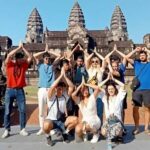
A max of 15 people might not sound huge, but it changes the vibe at Angkor. Big crowds can flatten your experience: you follow a line, you see what you can, and you don’t ask much because you feel rushed.
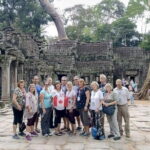
Here, the schedule still has structure, but you’re less likely to feel swallowed by the crowd. That’s why people often mention guides like Thom as not just informative, but also entertaining and attentive to the group’s needs. When your guide helps you pace the day, it’s easier to enjoy the temples instead of just “getting through them.”
There’s also a practical side. One guide in the feedback—Thom—is described as great at spotting useful details like good coffee and clean bathrooms in the park. That’s the kind of low-stress thinking that saves your day, even if you don’t realize you need it until you’re out there.
If you care about photos, sunrise timing plus a guide helping you choose where to stand can mean fewer missed moments.
Who should book this sunrise Angkor Wat tour?
This tour fits best if you:
- Want the classic Angkor highlights without planning every logistics detail
- Enjoy sunrise and want a cooler start
- Prefer a small group to keep the day from feeling rushed
- Appreciate guided context, not just monuments on a map
- Like the idea of a possible monk blessing, but can stay flexible if it’s not available
It might be less ideal if you:
- Want to spend a long, unhurried half-day at only one temple
- Struggle with walking on stone surfaces and stairs
- Are very sensitive to early mornings (sunrise tours start early by design)
Overall, it’s a smart choice for most people who want a top-to-bottom Angkor sampler with inside access, not just quick outside viewing.
Should you book this Sunrise Small-Group Tour to Angkor Wat?
If you’re deciding between a DIY sunrise plan and a guided small-group run, I’d lean toward booking this one—especially if you want inside access at Angkor Wat, Ta Prohm, and Bayon plus key Angkor Thom stops like the South Gate and Elephant Terrace.
The value is strongest when you factor in the included pickup, air-conditioned transport, water, cold towels, and a guide who helps you connect the scenes to Cambodia. Just don’t forget the extra $37 temple tickets per person, and plan to dress correctly for entrances.
If you want one morning that hits the big icons with less stress than solo exploring, this is a very solid option.
FAQ
Is the temple admission fee included?
No. Temple tickets cost $37 per person and are not included in the tour price.
Does this tour include hotel pickup and drop-off?
Yes. You get hotel pickup and drop-off, plus an air-conditioned vehicle.
How long is the tour and how big is the group?
The tour runs about 6 to 7 hours. The group maximum is 15 travelers.
Are monk blessings included?
Monk blessings are possible at Angkor Wat or Bayon, but it depends on monks availability.
What should I wear for temple visits?
You must cover your knees and shoulders when entering the temples. Comfortable walking shoes are also recommended.
What is the cancellation policy?
Free cancellation is available up to 24 hours before the experience for a full refund. If you cancel less than 24 hours before, the amount paid is not refunded.