REVIEW · SIEM REAP
Siem Reap: War Museum included Ticket & Free Round trip
Book on GetYourGuide →Operated by Angkor Dynasty Travel · Bookable on GetYourGuide
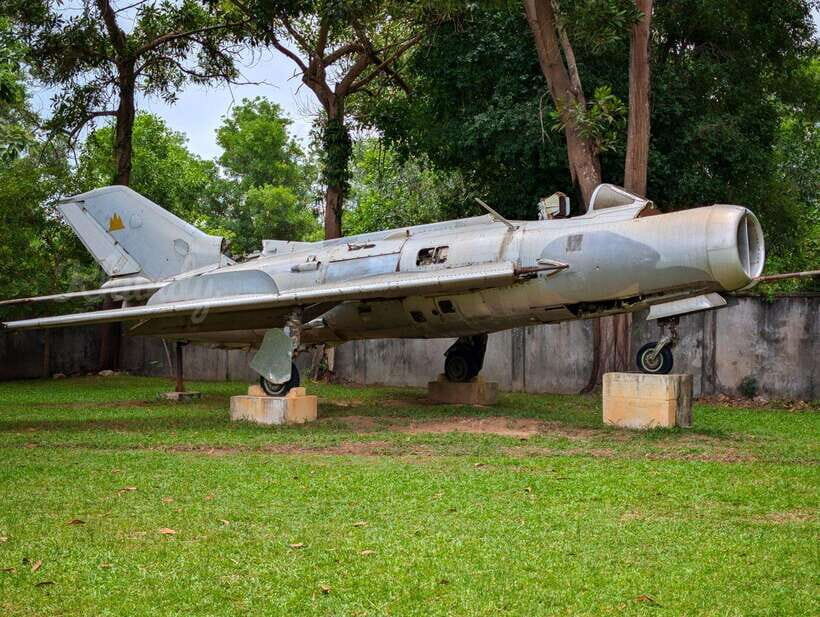
If you want a history stop that feels real, go here. The War Museum Cambodia is the only war museum in Cambodia, and it’s laid out like a calm garden walk filled with vehicles, weapons, and photos tied to the Khmer era. It’s the kind of place where the facts land because you can see the equipment up close.
I especially like the way the collection is presented outdoors, with plenty of time to wander and connect the pieces—big vehicles and artillery, plus smaller items like guns and clothing. I also like the small-group setup and the hotel round-trip tuktuk ride, which makes it easy to fit into a Siem Reap day without hassle.
One thing to consider: the site is well maintained, but the vehicles are not restored. That means you’ll see them as they are—less museum-polished, more raw and documentary.
In This Review
- Key highlights before you go
- War Museum Cambodia: why this Siem Reap stop hits different
- The tuktuk pickup and small-group pace that makes it easy
- What you actually see: vehicles, artillery, and everyday artifacts
- The story behind the equipment: photos, context, and sad realities
- Vehicles not restored: the raw look that makes it feel honest
- How to use the 2 hours without rushing
- Price and value: why $19 can work well here
- Who this tour suits best (and who might want to think twice)
- Should you book the War Museum Cambodia tour?
- FAQ
- What does the $19 price include?
- How long is the War Museum Cambodia visit?
- Is the tour offered in English?
- How big is the group?
- Are there different start times?
- Can I cancel and get a refund?
Key highlights before you go
- Only war museum in Cambodia, with a unique collection focused on the Khmer regime
- Garden-style layout that lets you stroll at your own pace along pathways
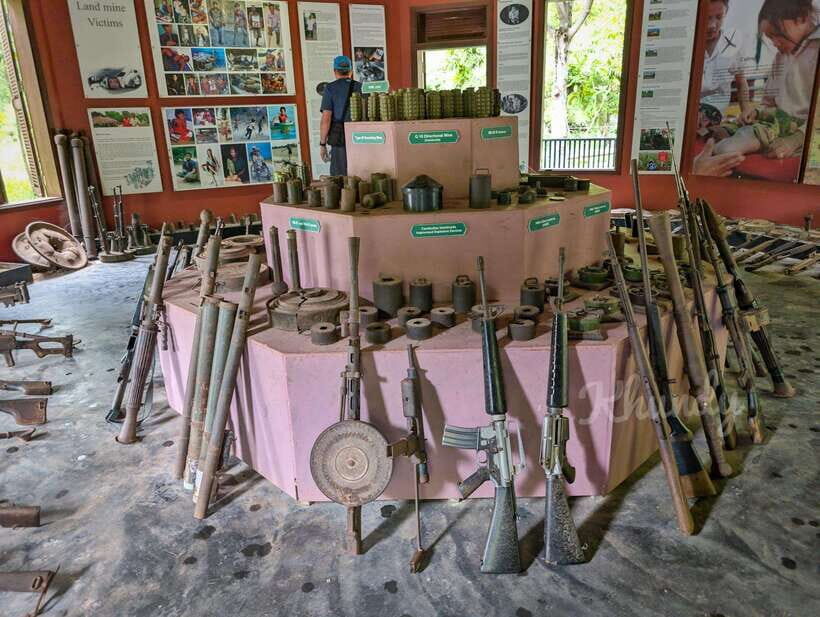
- Big vehicles and artillery, plus smaller artifacts like guns and clothing
- Information boards with photos and background context to keep what you’re seeing grounded
- Vehicles not restored, so expect an unvarnished, matter-of-fact presentation
- Small group (up to 10) and an English-speaking driver for a smoother visit
War Museum Cambodia: why this Siem Reap stop hits different
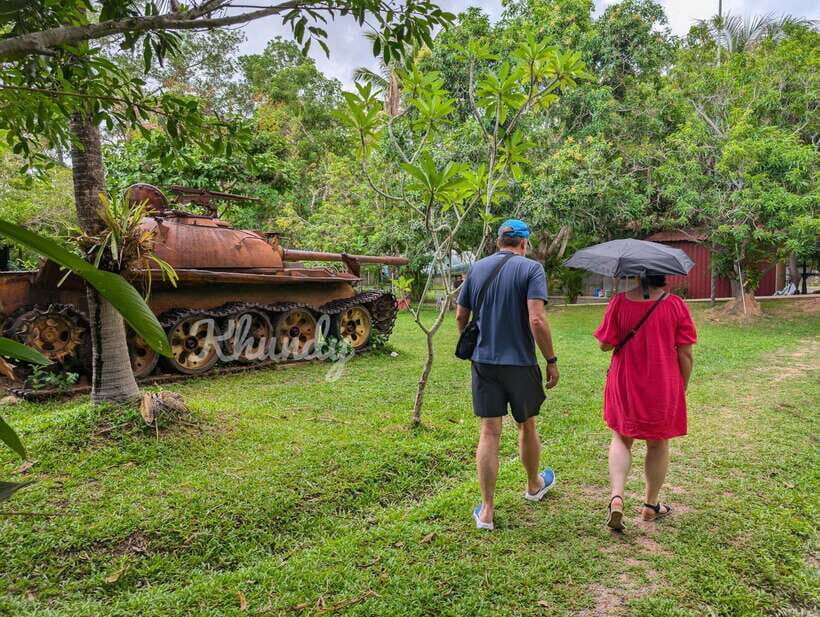
The War Museum Cambodia isn’t trying to be flashy. It’s built around the idea that you learn best when you can look at real equipment and then read what it means. In Siem Reap, that’s a useful shift from temple photos and souvenir streets. Here, you’re walking among wartime tools—then getting the background through clear boards with photos and explanations.
The garden setting is more than just pretty framing. It turns a heavy subject into something you can actually process. Instead of cramming everything into a dark hall, you move along pathways and gradually build a picture of what was used, how it was used, and what life looked like when the Khmer regime was in power. You get space to slow down and absorb.
You can also read our reviews of more tours and experiences in Siem Reap

The tuktuk pickup and small-group pace that makes it easy
This tour is built for convenience in Siem Reap. A tuktuk driver collects you from your hotel and stays with you through the museum visit. That matters more than it sounds. You don’t have to solve transport mid-day, and you don’t have to hunt for directions in a place that’s focused on walking around.
It’s also a small group experience, limited to 10 participants. That usually means the vibe stays calm, and it’s easier to ask questions when something doesn’t make sense. The driver is English-speaking, so you’re not stuck with vague interpretations or a language gap while reading the museum’s information.
The time window is about 2 hours. That’s a smart length for this topic. You’ll have enough time to walk the main areas and read the boards without feeling like you’re trapped there all day.
What you actually see: vehicles, artillery, and everyday artifacts
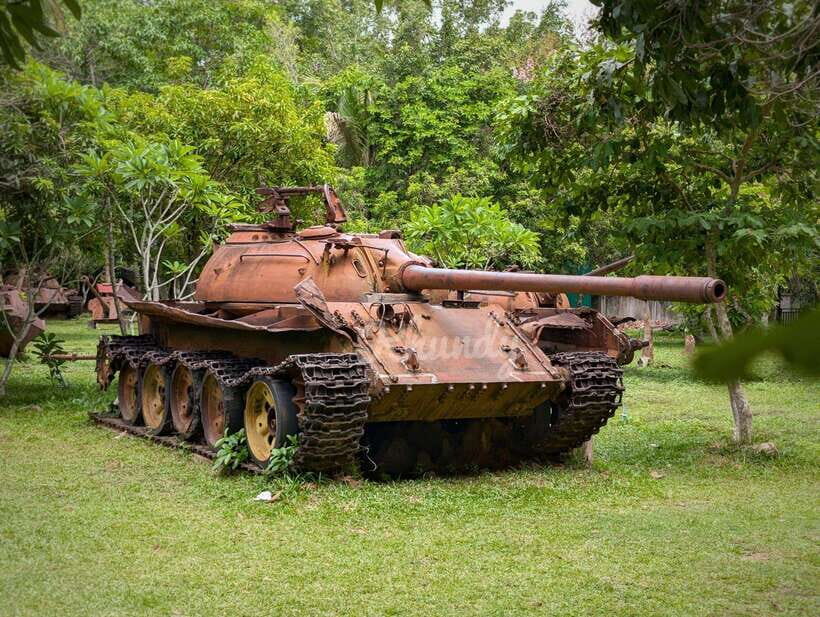
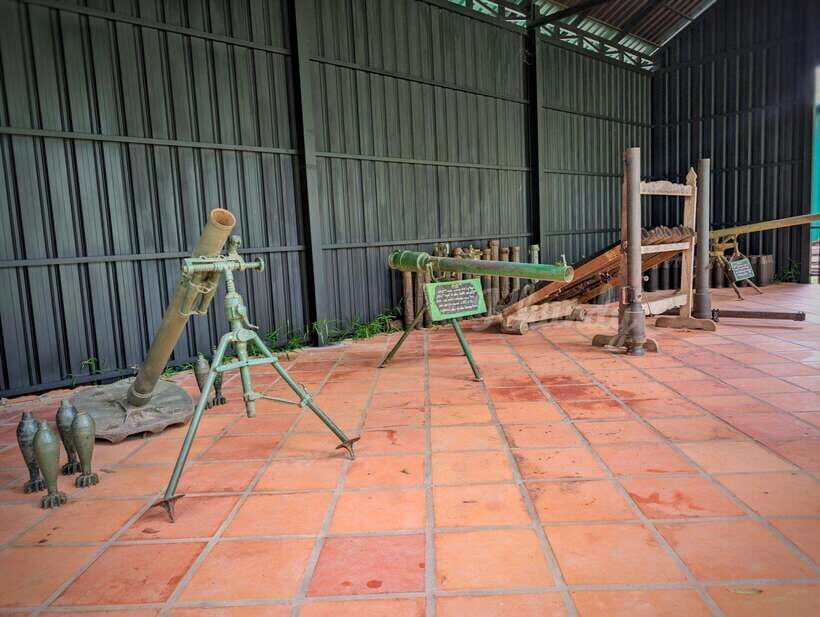
Think of the museum as a wide outdoor display of wartime material. The centerpiece is a large set of vehicles employed during the Khmer regime. As you stroll, you’ll see different types of equipment spread around the grounds, with artillery and other military hardware placed where you can view them from different angles.
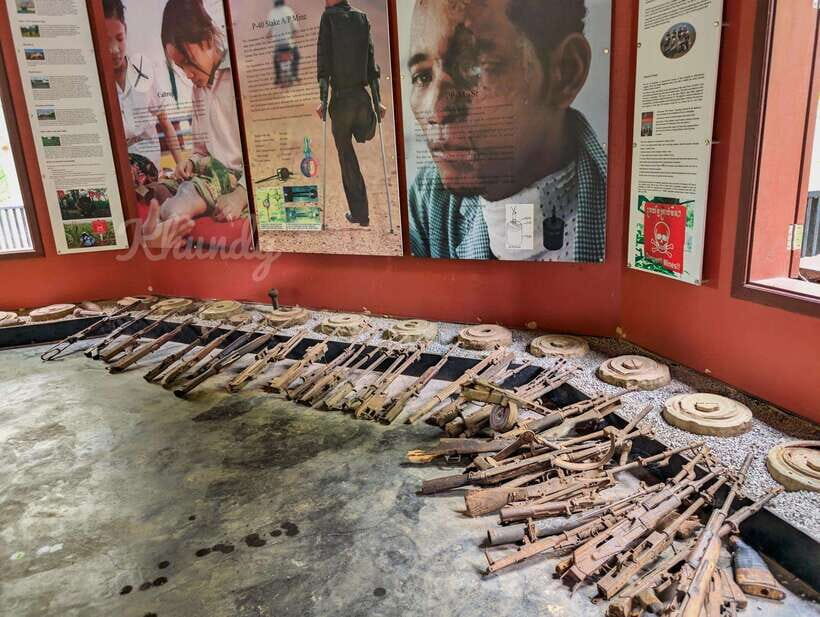
Along the pathways, the museum also includes smaller items. These are the details that often make the story feel more human and less abstract. You might spot things like guns and clothing, plus other military artifacts. The point isn’t shock value. It’s to help you understand how war showed up in daily life and in the tools people used.
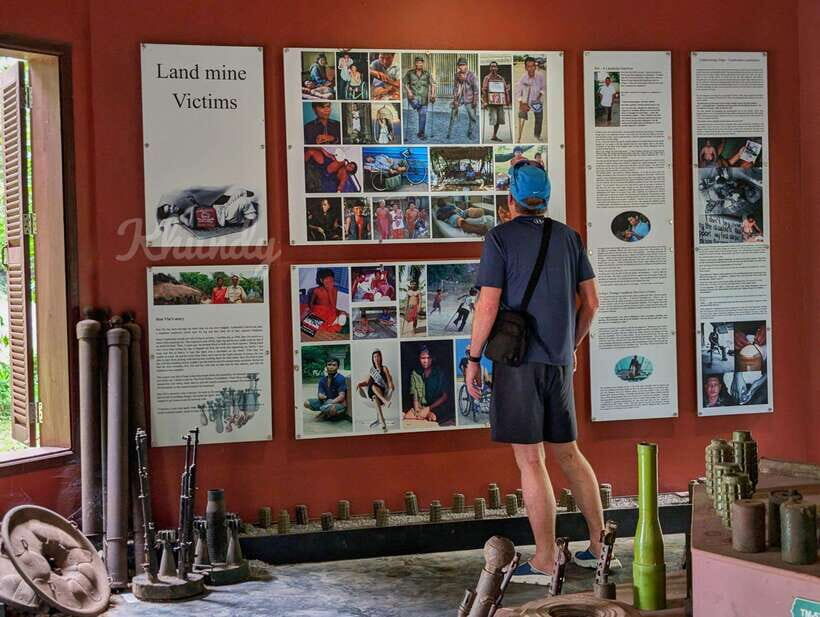
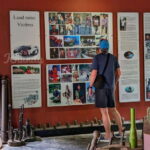
The collection is paired with multiple large display boards. Those boards include photos and background information, so you’re not only looking at objects—you’re also reading how those objects fit into the larger story of the era.
The story behind the equipment: photos, context, and sad realities
A war museum works best when it explains the connection between objects and impact. Here, the information boards do a lot of the heavy lifting by pairing what you see with context. You’re learning about culture and civilization too, not just battle scenes. The museum doesn’t treat history like a checklist of dates—it ties the Khmer period to how people lived and how the present was shaped.
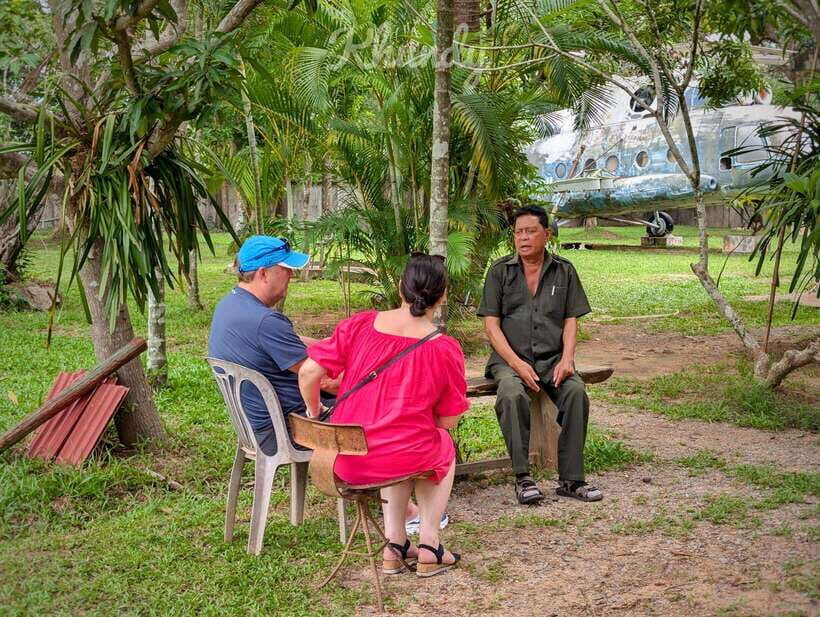
And then there’s the human element that people remember. In the experience notes from guests, an English-speaking host and a veteran-style perspective added depth, with clear explanations of what happened and why it matters. That kind of guidance can be the difference between skimming and actually understanding—especially when the topic is emotional.
If you prefer your museum visits to have a point beyond photos, this is a good match. You come away with more than a sense of scale. You understand the meaning.
Vehicles not restored: the raw look that makes it feel honest
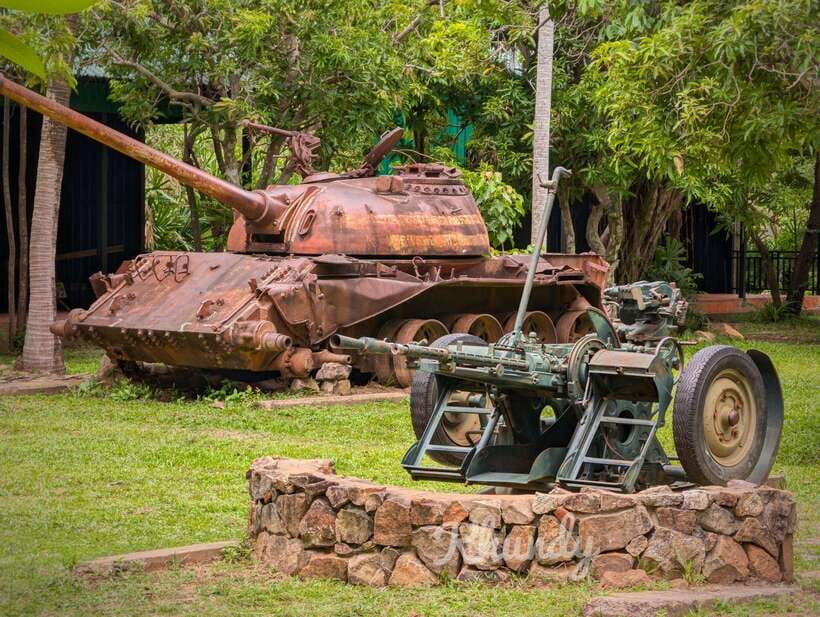
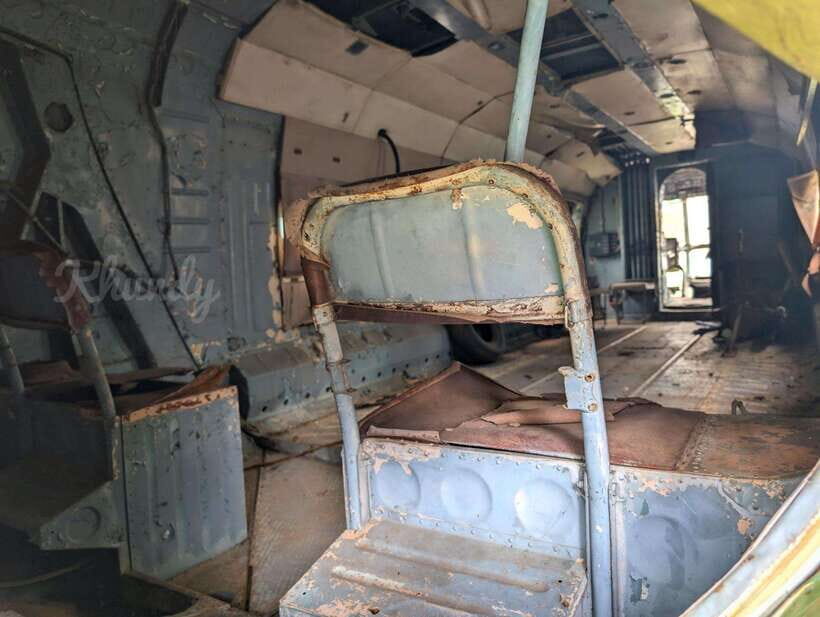
The museum’s grounds are well maintained, but the vehicles themselves are not restored. That’s an important detail to know before you go, because it changes the feel.
If you’re used to polished displays, the un-restored state can look rough—almost unfinished. But that’s also why the visit feels grounded. These pieces aren’t dressed up to look new. They’re presented as evidence: worn, weathered, and real.
For me, that makes the museum’s emotional message clearer. When artifacts look preserved like props, you can accidentally treat them like entertainment. When they look like what they are—equipment tied to a difficult past—you’re more likely to take the information seriously.
You can also read our reviews of more museum experiences in Siem Reap



How to use the 2 hours without rushing
With a 2-hour duration, you’ll want to move with intention. The museum is a garden with pathways, so you’ll naturally spend time walking between the vehicles and the smaller display areas. The best approach is simple: pause longer at the areas with the biggest variety, then skim a bit more at the more repetitive sections.
Here’s what to focus on during your walk:
- Start by finding the vehicles and artillery sections so you build a visual anchor for the rest of the museum
- Read the boards that have photos first, since they help you place what you’re looking at
- When you see smaller items like guns or clothing, treat them like “story fragments” that round out the bigger equipment you saw earlier
If you’re the type who likes to take notes, this is a place where your notebook will fill quickly. The information boards are meant to give you enough background to make the display make sense.
Price and value: why $19 can work well here
At $19 per person, this tour is priced as an entry-level, time-efficient cultural visit. The big value is what’s included: museum entrance plus round trip transport via tuktuk from your hotel. That combination is often what turns a “maybe” museum into a “sure” plan.
You also get:
- English driver support
- A small group capped at 10
- A visit length of about 2 hours, which fits easily between other Siem Reap activities
When you total it up, you’re mostly paying for access and a guided day-structure. Since the museum is outdoors and walk-based, having a driver to handle pickup and return saves time and mental energy. In a city where you can spend hours arranging transport, that practical piece is real money-saving value.
Who this tour suits best (and who might want to think twice)
This experience is a strong fit if you:
- Want a more serious, grounded history stop in Siem Reap
- Prefer smaller groups and an English-speaking driver
- Like museums where the objects are the main event, not just background scenery
- Appreciate context from boards and from people who can explain what you’re seeing
You might think twice if you want something light or purely visual. This museum deals with sad stories from the past, and you’ll be looking at wartime equipment. The goal isn’t entertainment—it’s understanding.
Should you book the War Museum Cambodia tour?
Yes—if you want a short, well-organized museum visit that gives you real context through objects, photos, and on-site explanations. The combo of museum ticket + round-trip tuktuk for $19, plus the small group size, makes it feel like a solid deal rather than a rushed stop.
Book it with confidence if you’re the type who likes to learn by looking. Just go in knowing the vehicles are not restored, so the presentation is intentionally unpolished and more raw than glossy. That honesty is part of the value.
If your travel style is more about comfort and “easy wins,” you’ll still likely enjoy it, because the logistics are handled and the pace is manageable. You’ll end the visit with a clearer picture of the Khmer era—without needing to spend half a day figuring things out.
FAQ
What does the $19 price include?
The price includes the museum entrance fee and round-trip transportation (pickup from your hotel and return after the visit).
How long is the War Museum Cambodia visit?
The tour runs for about 2 hours. Starting times depend on availability.
Is the tour offered in English?
Yes. The driver is English-speaking, and the tour is listed with English as the language.
How big is the group?
This is a small group experience limited to 10 participants.
Are there different start times?
The schedule can vary. You’ll need to check availability to see starting times.
Can I cancel and get a refund?
Yes. There is free cancellation up to 24 hours in advance for a full refund.