REVIEW · SIEM REAP
Full-Day ‘Big Tour’ with Sunset at Phnom Bakheng
Book on Viator →Operated by Angkor Wat Shared Tours · Bookable on Viator
Eight hours of Angkor magic starts at noon. This full-day Big Tour strings together several of the classic Angkor sights, then aims you straight for a temple-top sunset at Phnom Bakheng. You get an air-conditioned minivan, bottled water, and an English-speaking Khmer guide, so the day feels organized rather than like a last-minute temple scramble.
I especially like the route flow: you hit big named temples first, then move into quieter, more atmospheric corners like Ta Som and Neak Pean. And because it caps at 15 people, the guide can actually pace the day and answer questions without herding everyone.
One thing to keep in mind: Angkor Park tickets aren’t included, and the sunset view can be affected by weather—if clouds roll in, your Phnom Bakheng finale may be less dramatic than you hoped.
In This Review
- Key Highlights to Know Before You Go
- How the 10:30am Start Sets Your Whole Day Up
- Ticket Timing at the Angkor Ticket Office Stop
- Pre Rup: The First Temple in the Big Circuit
- East Mebon and the Shift in Atmosphere
- Ta Som: Overgrown Temple Photography Worth Slowing Down For
- Neak Pean: The Island Shrine Moment
- Preah Khan: Jayavarman VII’s 12th-Century Father-Son Tribute
- Phnom Bakheng Sunset: The Finale, The Stakes, The Sky
- Comfort and Group Size: Why the Day Feels Manageable
- English-Speaking Khmer Guide: What You’re Really Paying For
- Price and Value: Is $18.47 a Good Deal?
- Who This Tour Suits Best
- Should You Book This Big Tour With Phnom Bakheng Sunset?
- FAQ
- What is the duration of this Phnom Bakheng sunset tour?
- What time does the tour start?
- Where is the meeting point?
- Does the price include pickup and drop-off?
- Is bottled water included?
- Are Angkor Park tickets included in the tour price?
- How many people are in the group?
- What temples are included in the route?
- What’s the cancellation policy?
- Is the guide available in English?
Key Highlights to Know Before You Go
- Small group limit (max 15), which makes the pacing feel calmer than bigger bus tours
- Included pickup and drop-off in Siem Reap, so you’re not coordinating tuk-tuks all day
- A focused 7-stop temple route, finishing at Phnom Bakheng for sunset
- 15-minute stop at the Angkor Ticket Office before you enter Angkor Park
- Chilled bottled water and an air-conditioned vehicle for the long hot stretch
- English-speaking Khmer guide, with a day plan that ties sites together
How the 10:30am Start Sets Your Whole Day Up
This tour starts at 10:30am and meets at the Siem Reap Pub Hostel area, behind the Angkor Night Market. The timing matters because it gives you a good run of daylight for the earlier temples, then leaves you time to work up toward sunset without feeling rushed.
Pickup happens about 30 minutes before departure. That means if you’re staying near the meeting point, you don’t need to do anything complicated—but do show up early. Angkor days run on early logistics, and being on time is the easiest way to protect your temple time (and your energy).
I like that the day isn’t framed as nonstop temples back-to-back. It’s structured: drive, guide explanation, visit, then move on. For a “Big Tour,” that kind of rhythm is what keeps it from turning into heat, steps, and confusion.
You can also read our reviews of more evening experiences in Siem Reap
Ticket Timing at the Angkor Ticket Office Stop
Before you enter Angkor Park, you stop for 15 minutes at the Angkor Ticket Office so everyone can buy tickets. Since tickets aren’t included, you should plan for a quick decision point right at the start of your temple day.
Two practical tips here:
- Arrive ready with whatever you need to purchase your ticket quickly, so you don’t lose time later at the temples.
- Use that short window to confirm you’re good for entry, because after that you’re on the temple schedule.
This is one of those small logistics details that can make or break your mood. If you get hung up on tickets, the whole day feels delayed. But if you handle it promptly, the rest of the tour moves cleanly.
Pre Rup: The First Temple in the Big Circuit
Your first major stop is Pre Rup, described as a stunning Angkor site. This is a strong opening temple because it helps you get oriented fast: you see how Angkor temples sit in the landscape, how they’re approached, and what the stonework looks like up close after a morning drive.
What you’ll likely enjoy here is the way the guide sets context. An Angkor day is more enjoyable when someone gives you a simple story for each site rather than listing facts. Even at the first stop, the goal is usually to help you recognize patterns—layout, significance, and why this part of Angkor was built the way it was.
A drawback to consider: early stops can still mean a warm climb. If you’re sensitive to heat, wear breathable clothes and bring water (the tour includes bottled water, but you’ll still feel better if you pace yourself).
East Mebon and the Shift in Atmosphere
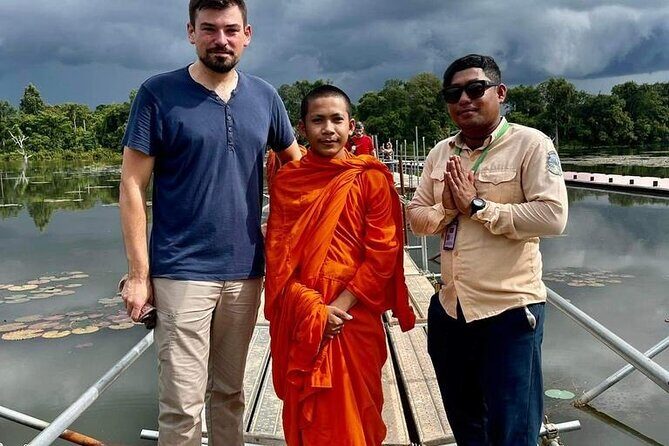
Next you head to Eastern Mebon. Then the itinerary starts bending toward the more atmospheric side of Angkor—sites that feel less like postcard monuments and more like living ruins.
This is where the “Big Tour” becomes interesting: it’s not just about the famous-looking faces. It’s about moving through different temple moods. Eastern Mebon helps bridge between the earlier, more prominent structures and the later stops that feel a bit more overtaken by time.
The value here is simple: if you only do one kind of Angkor temple, your day can feel one-note. This route gives you variety without you needing to plan anything.
Ta Som: Overgrown Temple Photography Worth Slowing Down For
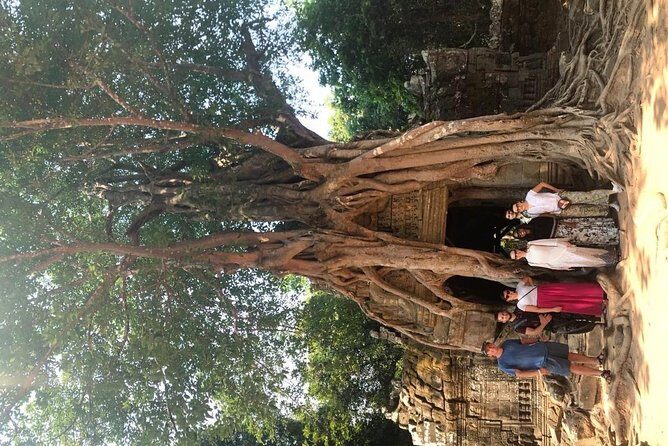
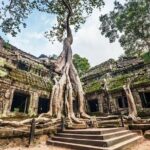
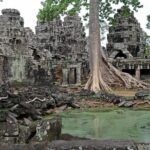
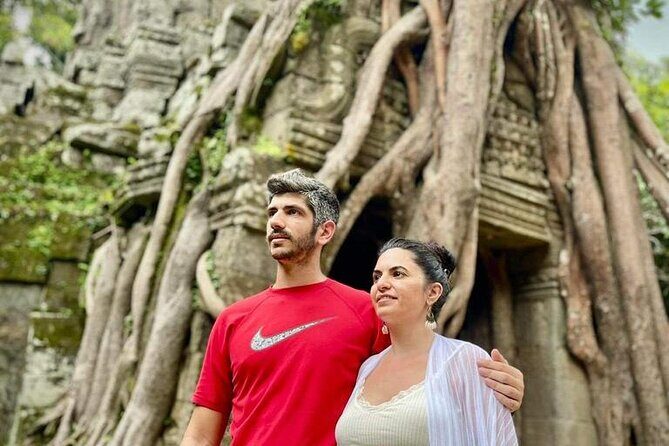
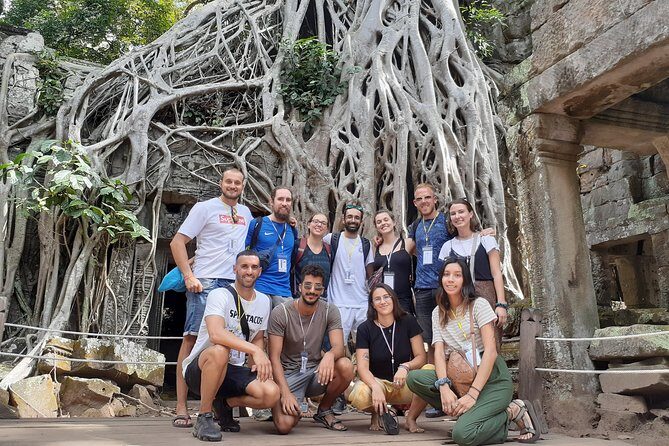
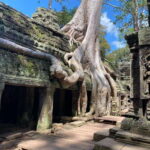
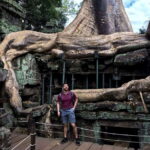
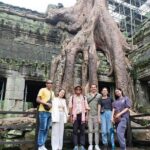
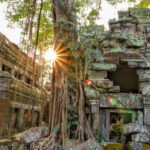
Then you reach Ta Som, described as a beautiful overgrown temple. This is the kind of place where you’ll want to slow your walking pace. The visual punch is in the mix: stone architecture plus thick growth, with roots and branches adding a very different texture than the earlier stops.
If you like photos, this is often one of the first places you’ll feel like your camera finally gets it right. And if you prefer just watching rather than shooting, that’s fine too—Ta Som rewards attention. The guide’s role matters here because they can help you understand what you’re seeing instead of leaving you to guess.
Potential snag: because this stop is more visually busy, it’s easy to spend too long here if you’re not careful. The tour is built to hit multiple temples in a day, so if you’re tempted to linger, do it with intention: one good view, then move on.
You can also read our reviews of more tours and experiences in Siem Reap
Neak Pean: The Island Shrine Moment
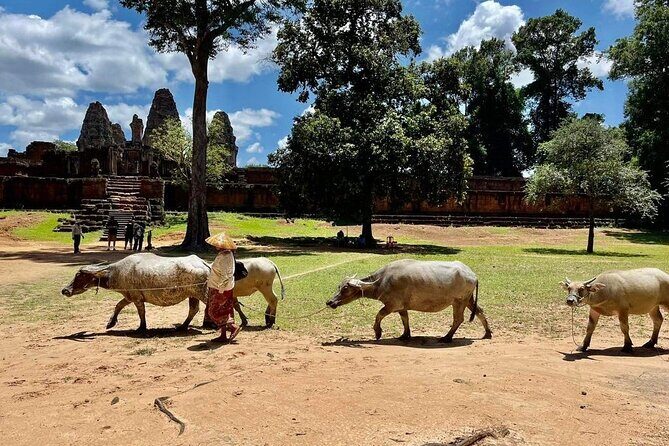
After Ta Som, the tour heads to Neak Pean, described as an island shrine. The “island” concept is part of why this stop is memorable—there’s a different feel to the approach and the space around you compared with temples that feel more open and ground-based.
Neak Pean also tends to be a good reset in the day. You’ve already done several temple visits; now you get a different kind of scene, which helps your mind stay fresh. This kind of variety is a real advantage in a day tour, because your brain needs contrast to keep enjoying the next site.
In practical terms, it can also be a relief from constant climbing, depending on how you choose to move through the area. Still, wear shoes with grip—stone surfaces can be slick.
Preah Khan: Jayavarman VII’s 12th-Century Father-Son Tribute
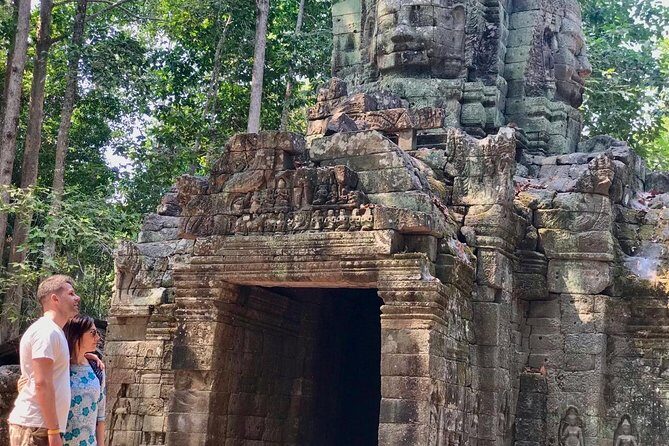
Next comes Preah Khan, built in the 12th century for King Jayavarman VII to honor his father. That single detail gives this stop a clear emotional and historical anchor, and it’s the kind of explanation that makes temples click instead of just passing by.
Preah Khan can feel expansive compared to smaller stops. That can be great if you like wandering with purpose. It can also be tiring if you’re already running low on energy. This is where pacing matters, and a guided day is helpful because you don’t have to decide everything yourself.
I find this kind of temple works best when you let the guide’s story shape how you look. When you know who built it and why, the layout and symbolism start making more sense—and you’ll likely notice details you would otherwise miss.
Phnom Bakheng Sunset: The Finale, The Stakes, The Sky
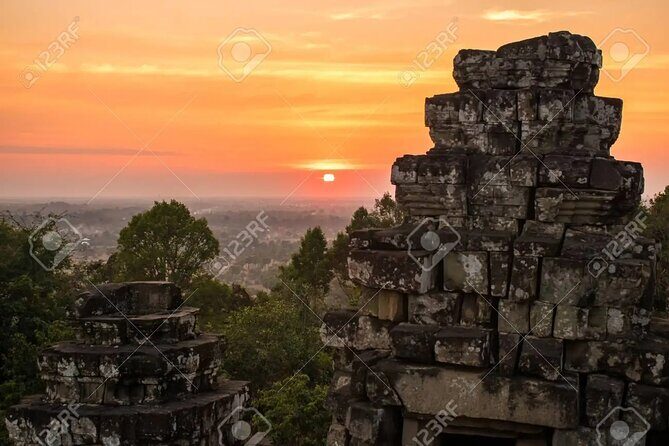
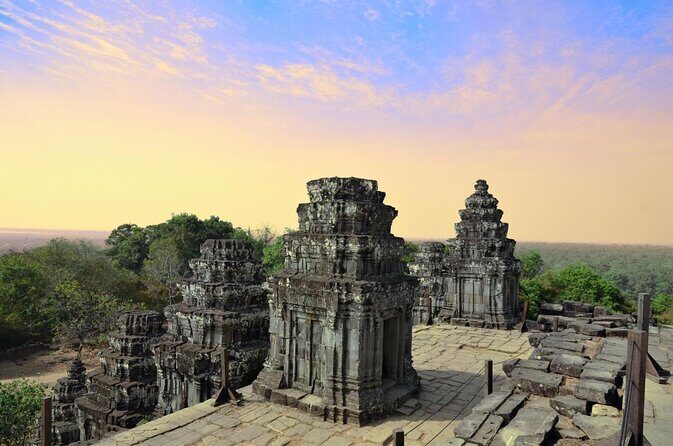
The day ends at Phnom Bakheng, with the goal of catching a spectacular temple-top sunset. This is the big payoff moment. If the sky cooperates, you get that classic Angkor feeling: the temples lit by late-day light and the landscape opening up around you.
If the weather doesn’t cooperate, it’s still an important stop—just with less drama. One review point that’s worth taking seriously is that sunset plans can be affected by weather. Cloud cover can flatten the colors and reduce the “wow” factor.
So how should you handle it?
- Think of sunset as a bonus, not a guarantee.
- Plan to enjoy the temple view while you wait, not only the exact moment the sun drops.
- Bring layers. Even if it’s hot during the day, evening at the temple can feel cooler.
Also remember: the timing is tight. You’re stacking earlier temples plus a sunset climb in the same day, so don’t arrive mentally late.
Comfort and Group Size: Why the Day Feels Manageable
This tour includes an air-conditioned vehicle and bottled water, which is a big deal in Siem Reap heat. Even if you love walking, the comfort between sites matters. It keeps you alert for the guide explanations and helps you avoid the fatigue spiral that ruins temple photos and good attention.
The tour caps at 15 travelers, which is another underrated advantage. Smaller groups mean:
- less jostling at viewpoints,
- fewer “stop talking, go” moments,
- and more room for your guide to keep the experience personal.
Pickup and drop-off are included, which saves you from negotiating transport all day. In practice, that’s time saved and decision fatigue reduced.
English-Speaking Khmer Guide: What You’re Really Paying For
At $18.47 per person, the standout value isn’t the sites alone—it’s the guide support and how the day is stitched together. An Angkor circuit can be done on your own, sure, but you’d be paying in time and confusion. Here, the guide helps you connect dots: why each stop matters, how they relate, and what to look for.
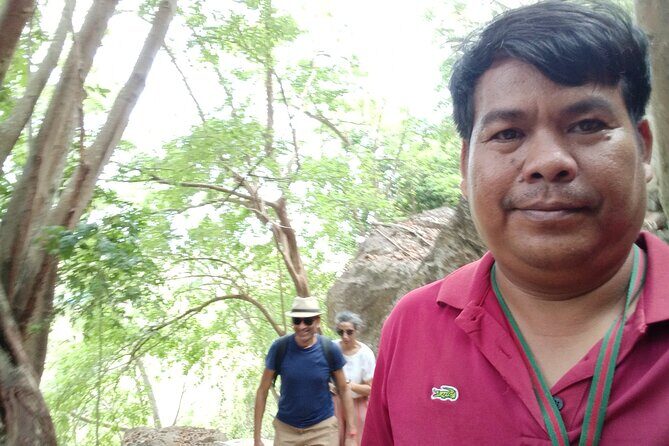
If you care about photos, this is also where a friendly guide can help. In one account, the guide was even proactive about taking pictures and adding extra stops when time allowed. Even if your day doesn’t include extra flexibility, the point remains: good guiding makes the temples feel less like a checklist.
What to expect language-wise: the tour provides an English speaking tour guide, so you won’t be stuck with silence or guessing.
Price and Value: Is $18.47 a Good Deal?
For $18.47 per person, this tour hits a sweet spot: it’s inexpensive enough to feel like a smart add-on, but structured enough to feel like a real experience.
Here’s what makes it good value:
- Transportation comfort is included (minivan + water).
- Guide time is included.
- Pickup and drop-off are included.
- The itinerary covers multiple major Angkor sites in one day.
- The group size stays small (max 15).
What keeps it honest is also important:
- Angkor Park tickets and fees aren’t included, and you do need to buy your ticket at the Angkor Ticket Office stop.
- The sunset is weather-dependent.
So your total cost won’t be only $18.47. But if you factor in guide-led temple hopping plus included logistics, it still often comes out as a reasonable bargain for the amount of ground you cover.
Who This Tour Suits Best
This tour is a great match if you want:
- a Big Circuit-style day with a guided route,
- manageable group size,
- and a sunset finish at Phnom Bakheng.
It’s especially good for first-timers in Angkor who don’t want to plan the day’s order, and for people who want to learn a few meaningful stories as they walk from site to site.
If you’re the type who loves total control and doesn’t want to follow a schedule, you might prefer hiring private transport and building your own route. But if you like structure and want the day to run smoothly, this works.
Should You Book This Big Tour With Phnom Bakheng Sunset?
I’d book it if you’re aiming for a full Angkor day without making logistics your hobby. The included pickup/drop-off, the air-conditioned comfort, bottled water, and the small group size make it feel practical. And the route choices—Pre Rup, overgrown Ta Som, island shrine Neak Pean, Preah Khan’s Jayavarman VII story, then Phnom Bakheng—set you up for variety, not monotony.
Skip or rethink if you know you’re extremely sensitive to disrupted sunsets, because weather can change the finale. Also remember you’ll need to purchase Angkor Park tickets separately during the short ticket office stop.
If you go in with flexible expectations about the sky and a positive attitude toward walking, this is a strong way to see more of Angkor in one day.
FAQ
What is the duration of this Phnom Bakheng sunset tour?
It runs for about 8 hours.
What time does the tour start?
The start time is 10:30am.
Where is the meeting point?
The meeting point is Siem Reap Pub Hostel, behind Angkor Night Market (Siem Reap, Cambodia).
Does the price include pickup and drop-off?
Yes. Pickup and drop-off are included.
Is bottled water included?
Yes, bottled water is included (listed as chilled water).
Are Angkor Park tickets included in the tour price?
No. You’ll stop at the Angkor Ticket Office for 15 minutes before entering Angkor Park, and tickets/fees are not included.
How many people are in the group?
The tour has a maximum of 15 travelers.
What temples are included in the route?
The tour visits Pre Rup, Eastern Mebon, Ta Som, Neak Pean, Preah Khan, and ends at Phnom Bakheng for sunset.
What’s the cancellation policy?
You can cancel for a full refund if you cancel at least 24 hours before the experience starts.
Is the guide available in English?
Yes, the tour includes an English speaking tour guide.