REVIEW · PHNOM PENH
Oudong Mountain & Phnom Baset Private Tours from Phnom Penh
Book on Viator →Operated by About Cambodia Travel & Tours · Bookable on Viator
Oudong feels like a whole different Cambodia. This private day trip from Phnom Penh takes you up to the old royal capital of Oudong, where huge stupas sit on three hills and the views stretch out over plains and rice fields. Then you continue to Phnom Baset, including a pre-Angkorian temple site and a reclining Buddha, before winding back through other pagodas and Buddhist centers.
I especially like two practical touches: hotel pickup/drop-off and entrance fees included, so you’re not stopping to pay for each site. And the biggest reason this tour works is the personal guide. Names like Makara, Ching, Tuk, and Tok come up in guide-style experiences tied to patient explanations and the kind of history context that helps the temples make sense, not just look pretty.
One possible consideration: the itinerary packs in a lot of stops with many short visits (often 30–60 minutes). It’s a satisfying day, but if you want long, slow hanging-out time at just one or two temples, you may feel slightly rushed.
In This Review
- Quick Hits Before You Go
- What You Really Get From This Oudong–Phnom Baset Private Day
- Entering Oudong Temple: The Old Capital Feel in One Hour
- Phnom Preah Reach Troap: Sacred Hill Energy in 45 Minutes
- Royal Tombs of Oudong: 200 Years Worth of Remains
- Preah Sakyamoni Chedi: A Photographer’s Reward in Half an Hour
- Vipassana Dhurak and Sontte Wan: Quiet Stops With Real Purpose
- The Strange Satisfying Detour: Koh Chen Silver Crafts and Pagodas
- Phnom Baset: Pre-Angkor Temple and a View Worth the Heat
- Wat Sowann Thamareach: Different Architecture, Less Crowded Time
- The Logistics That Actually Matter: Time, Comfort, and Private Pace
- Heat and walking
- How the short stops feel
- Private transportation = fewer headaches
- Price Check: What $135 Buys You (and When It Feels High)
- What to Expect From the Guide Experience
- Who This Tour Suits Best
- Tips That Will Make the Day Go Easier
- Should You Book This Oudong Mountain & Phnom Baset Private Tour?
- FAQ
- How long is the Oudong Mountain & Phnom Baset private tour?
- Is hotel pickup and drop-off included?
- Does the price include entrance fees?
- What transportation do I use during the tour?
- Is lunch included?
- What ticket type do they use?
- Is this tour private?
- What’s the cancellation policy?
Quick Hits Before You Go
- Hotel pickup and drop-off makes the whole day easier in Phnom Penh traffic
- Entrance fees are included, so you can focus on sites instead of receipts
- A personal English-speaking licensed guide turns monuments into stories you can actually follow
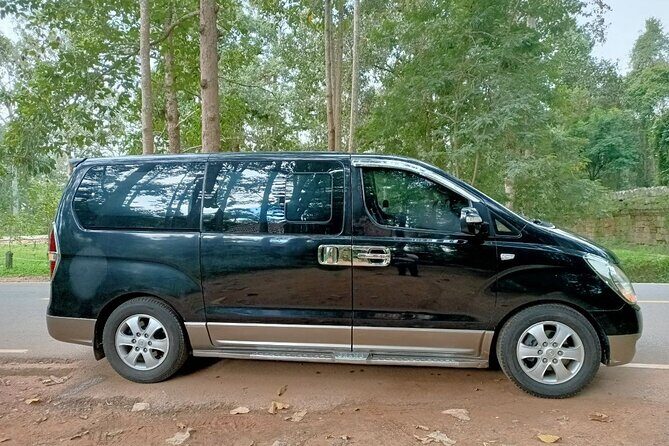
- A luxury air-conditioned private vehicle helps you stay comfortable on hot drives
- Lots of stops, short durations means you’ll cover ground, not linger
- Many religious sites plus meditation centers gives you variety beyond the usual temple circuit
What You Really Get From This Oudong–Phnom Baset Private Day
This is the kind of day trip that gives you variety without making you run around like you forgot something at home. You start in Phnom Penh, ride out in a private air-con vehicle, and spend your time on the hills and temple grounds. The tour is designed as a full outing (about 7–9 hours), so you’re not rushing through Oudong like it’s a quick stop on a train schedule.
The private format matters. You only share the day with your group, and that usually means you can ask questions and adjust the pace if the heat or your interests demand it. One of the best practical signals from guide experiences is how smoothly they answer questions and stay patient when you want clarification, not just a timed script.
Also, the tour’s structure keeps you from bouncing between random locations by yourself. With a guide and vehicle lined up, you can treat Oudong and Phnom Baset like a guided walk with transportation—rather than a logistics puzzle.
You can also read our reviews of more private tours in Phnom Penh

Entering Oudong Temple: The Old Capital Feel in One Hour
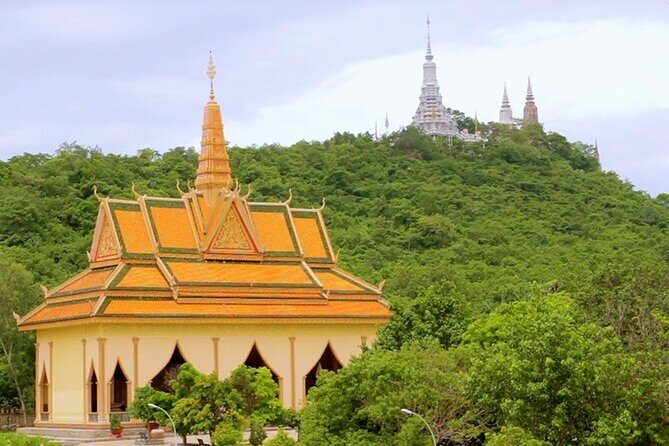
Your first major stop is Oudong Temple, with about one hour on site. Oudong was Cambodia’s royal capital from 1618 to 1866, and the whole area carries that “this is where power used to sit” feeling. The stupas and temple structures spread across three hills, and even before you reach the most detailed spots, you’ll start noticing the scale.
What I’d focus on during this first hour:
- Overall placement: notice how the stupas and temple forms relate to each hill ridge
- How far you can see: Oudong is made for sightlines, not just close-up details
- What the guide emphasizes: this stop is often where the big historical thread gets stitched together
A quick heads-up: Oudong is not an indoor museum experience. It’s outdoors, uphill, and hot. If you get motion sickness or hate stairs, this area is still manageable, but your comfort level will depend on how you handle heat and walking.
Phnom Preah Reach Troap: Sacred Hill Energy in 45 Minutes
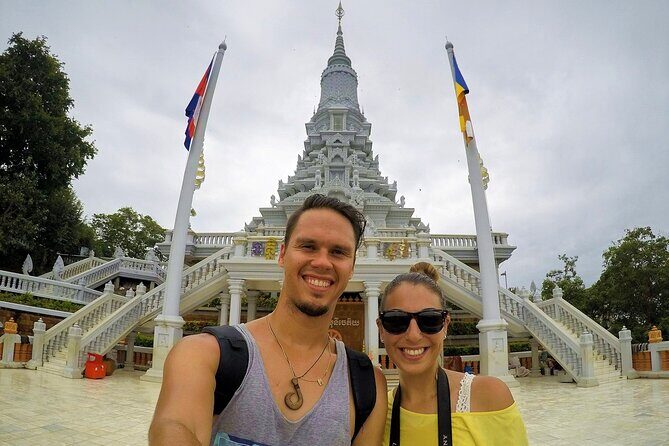
Next you head to Phnom Preah Reach Troap / Phnom Oudong area, a sacred mountain tied to relics from ancient settlements. You’ll have about 45 minutes here. This stop feels more spiritual and atmospheric than “architectural museum,” and it’s a good reset after the first temple area.
Why it’s worth your attention:
- You get a sense of Oudong beyond the royal tombs—this is also about sacred sites tied to earlier eras
- It’s a shorter block of time, which helps you keep energy for the bigger viewpoint and main monuments later
If you’re a photo person, this is a decent time to grab angles where the hill structures frame the wider sky. If you’re not, it still helps to slow down for a few minutes so the place stops feeling like a checklist.
Royal Tombs of Oudong: 200 Years Worth of Remains
The Royal Tombs of Oudong are where the day turns more personal. You’ll spend about 30 minutes, and the key detail is that the tombs include over 200 years worth of rulers’ remains. They sit on a hill called Phnom Oudong, with several stupas dotted around the area.
This is one of those stops where a guide makes a huge difference. The structures aren’t just decorative; they’re part of a system of memory, legitimacy, and spiritual importance. If you ask a question here, you’ll likely get an answer that makes you look at the outlines differently—less like random shapes, more like a curated statement by a past kingdom.
Practical note: plan your photos early. Once you’re deeper into the tomb area, you may find you’re adjusting for crowds or angles depending on the time of day.
Preah Sakyamoni Chedi: A Photographer’s Reward in Half an Hour
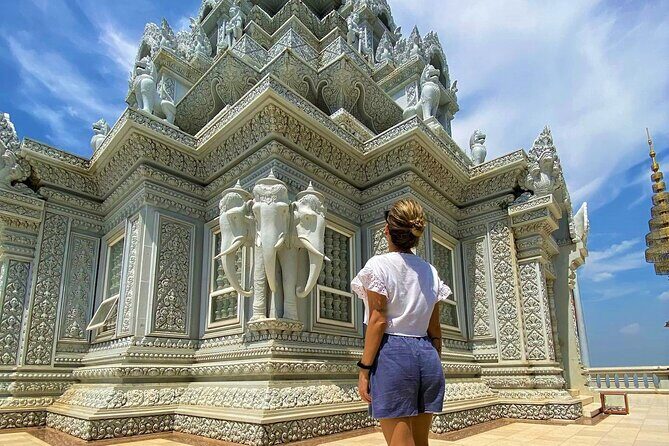
You’ll have about 30 minutes at Preah Sakyamoni Chedi. This stop is described as very picturesque and rewarding if you like photography. It’s also noted as one of the best and most intact chedi structures around Oudong.
If your time is limited, this is a strong “quality over quantity” stop. Instead of chasing many small sites, you’re getting a chedi that’s meant to be seen clearly. I’d use this block to:
- look at the chedi shape and surface details
- slow down long enough to capture one or two angles that really show proportion
- check what your guide highlights about its preservation or design
Even if photography isn’t your thing, this is still worth it because it gives the day a sense of continuity—how a structure survives and why it’s still meaningful.



Vipassana Dhurak and Sontte Wan: Quiet Stops With Real Purpose
After the main temple monuments, the tour takes a more reflective turn. You’ll visit two meditation-related stops:
- Vipassana Dhurak Buddhist Centre (about 30 minutes)
- Sontte Wan Buddhist Meditation Center (about 30 minutes)
Then you’ll get an additional stretch at the Sontte Wan area (about one hour total time shown on the itinerary)
These centers are not presented as quick photo stops only. The Vipassana Dhurak Centre’s primary purpose is teaching Vipassana meditation techniques, and the complex is open for public wandering. For Sontte Wan, it’s described as the largest Buddhist center in Cambodia, with very beautiful decoration.
Here’s why these stops add value:
- They change the pace from climbing and viewing monuments to walking gardens and absorbing atmosphere
- They help you understand that Buddhist sites here aren’t just historical landmarks—they’re active spiritual spaces
- The extra hour helps you slow down, especially after Oudong hill intensity
If you’re sensitive to silence or religious etiquette, keep your voice low, dress respectfully, and treat these places like you would any active spiritual site.
The Strange Satisfying Detour: Koh Chen Silver Crafts and Pagodas
The itinerary then includes a stop described as Moni Sakor Pagoda, with an explanation that Koh Chen is an island in the Tonle Sap Lake known for a village where people make silver crafts. You’ll also have about 30 minutes here.
This part of the day can feel like the perfect balance: one foot in religious visiting, one foot in everyday local craft life. Even with limited time, it gives you a sense of how the region is lived in—not only ruled, prayed to, or memorialized.
You’ll then continue to Kampong Luong Pagoda (about 30 minutes), described as a place of worship. There’s also a historical anecdote tied to a secretary of a museum and a mission who had difficulty convincing the chief of the pagoda. Even if you don’t remember every name after the day ends, the point sticks: this area has stories about negotiation, belief, and local authority, not just stone.
For these shorter stops, I’d keep expectations realistic. Think of them as texture on the day, not as headline attractions. The headline attractions are still Oudong hill monuments and Phnom Baset.
Phnom Baset: Pre-Angkor Temple and a View Worth the Heat
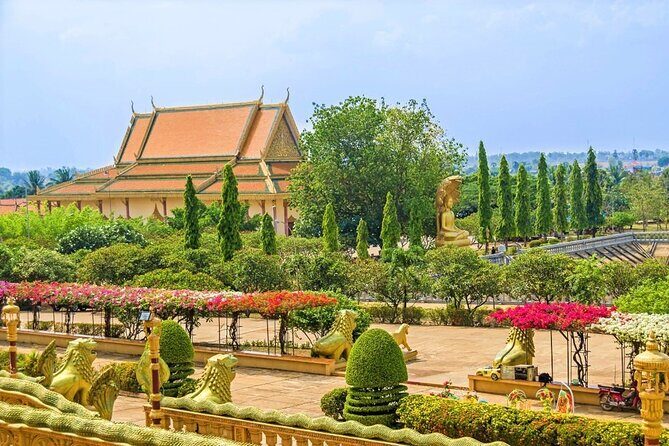
Phnom Baset is the big “why you came” temple block, with about two hours on site. You’re seeing a pre-Angkorian temple from the 8th century, plus a reclining Buddha. The view from the temples over the surrounding plains and rice fields is also part of the payoff.
This is the stop where the day stops feeling like a schedule and starts feeling like a perspective shift. Oudong teaches you political and religious legacy on the hills. Phnom Baset gives you a wider frame—how the temples sit in relation to everyday agriculture and settlement patterns.
A few practical tips for getting the most from this time:
- plan for sun and walking; wear something light and comfortable
- give yourself a few minutes to just look out over the plains before you jump into photos
- ask your guide what to notice first on the site, because the best viewpoint might not be obvious at first glance
The tour description also notes that Phnom Baset admission is free in this context, which makes it an especially good return-on-time stop. You’re getting a major site without that extra cost layer.
Wat Sowann Thamareach: Different Architecture, Less Crowded Time
The final temple-related stop is Wat Sowann Thamareach, with about 30 minutes. It’s described as rarely visited and worth the hour, with a very different architectural monument in a newer Buddhist temple complex. If you like seeing how modern religious spaces borrow from tradition (or break from it), this is a good capstone.
This isn’t the kind of place you come for it alone. You come for it because it adds contrast. It also tends to feel more relaxed when compared with the most famous monuments nearby—so you get a chance to actually notice details without feeling surrounded.
The Logistics That Actually Matter: Time, Comfort, and Private Pace
Let’s talk the stuff that decides whether your day feels good or exhausting.
Heat and walking
Most of your time happens outdoors across hills and temple grounds. The vehicle is air-conditioned, which helps a lot, especially on drives between sites. Also, guide experiences highlight that some guides bring cold drinks and cold towels, which is exactly what you want if it’s a hot day.
How the short stops feel
You’ll cover a lot: temple monuments, sacred hills, royal tombs, meditation centers, a craft-flavored detour, and then Phnom Baset plus a last pagoda stop. Short time blocks keep your energy up, but you won’t get long “sit on a bench and think” stretches at every place.
Private transportation = fewer headaches
Hotel pickup and drop-off means you don’t need to arrange your own rides or worry about where to meet. In Phnom Penh traffic, that’s not a small deal.
Price Check: What $135 Buys You (and When It Feels High)
At $135 per person, this tour can feel pricey if you compare it to cheaper group tours. One piece of feedback tied to value is that it may be overpriced compared with other Cambodia tours. That’s a fair caution.
But here’s the value argument, based on what’s included:
- Private luxury air-conditioned vehicle
- Hotel pickup/drop-off
- Professional English-speaking licensed guide
- All entrance fees for the included sites
- Service charge and government VAT
- Mobile ticket
So the cost isn’t only for driving around. A big chunk is for guide time plus entrance fees plus private comfort. If you’d otherwise hire a guide and pay site fees separately, the math can look less dramatic.
When $135 feels most worth it:
- you’re traveling as a small group where a private vehicle is efficient
- you want English guidance to make Oudong and Phnom Baset click
- you prefer not to manage ticketing and site entry yourself
When it might not:
- you’re happy with a basic self-guided plan and don’t care about deep explanations
- you’re cost-sensitive and would rather trade comfort for budget
What to Expect From the Guide Experience
The best thing about this tour is how much it depends on your guide’s approach. In experiences tied to the guides’ style, people highlight guides who stay patient, answer questions, and clearly connect historical facts to the physical structures you’re seeing. Names like Makara, Ching, Tuk, and Tok show up with that kind of support.
That matters because Oudong isn’t one monument. It’s hills, tombs, chedi forms, sacred mountain areas, and multiple layers of religious meaning. With the right guide, the site stops being confusing and starts becoming coherent.
Who This Tour Suits Best
This tour fits best if you want:
- A guided day out of Phnom Penh without organizing transport
- History + spirituality in the same day (royal capital sites and meditation centers)
- A mix of major highlights and quieter stops, including a less common architecture site
It’s also a solid fit for couples and small groups who want a private vehicle and a personal pace.
If you prefer only one or two big sights and lots of downtime, you might want a more focused option instead of a multi-stop route.
Tips That Will Make the Day Go Easier
- Wear breathable clothes and shoes you can walk in. Oudong and Phnom Baset mean uneven ground and steps.
- Bring water even if cold drinks are sometimes offered, because outdoor time adds up fast.
- If you’re a photographer, ask the guide which chedi or viewpoint works best at your time of day. This can save you energy and re-walking.
- If you care about the history thread, save your best questions for Oudong hill monuments. That’s where your guide can connect the dots.
Should You Book This Oudong Mountain & Phnom Baset Private Tour?
I’d book it if you want a one-day private hit of Oudong and Phnom Baset with transportation handled and entrance fees taken care of. The combination of royal-capital sites, meditation centers, and a major pre-Angkor stop creates a day that feels like more than temple tourism.
I’d pause and compare if $135 per person feels steep for your budget, especially if you don’t plan to use the guide’s explanations much. Also consider whether you like “many stops, shorter visits.” If your ideal day is slow and focused, this schedule may feel like it moves too quickly.
FAQ
How long is the Oudong Mountain & Phnom Baset private tour?
The tour runs about 7 to 9 hours.
Is hotel pickup and drop-off included?
Yes. Pickup and drop-off at your hotel are included.
Does the price include entrance fees?
Yes. All entrance fees for the sites on this tour are included.
What transportation do I use during the tour?
You’ll travel by private luxury air-conditioned vehicle.
Is lunch included?
No. Lunch is not included, and you can buy meals at local restaurants (vegetarian and non-vegetarian options), typically around $3–$10 per dish.
What ticket type do they use?
A mobile ticket is provided.
Is this tour private?
Yes. It’s private, so only your group participates.
What’s the cancellation policy?
You can cancel for a full refund up to 24 hours in advance. If you cancel within 24 hours of the start time, the amount paid is not refunded.