REVIEW · SIEM REAP
Siem Reap: Angkor Wildlife & Aquarium Entrance Ticket
Book on GetYourGuide →Operated by SARUS CO., LTD · Bookable on GetYourGuide
Short walk, big animals, and fish galore. This Siem Reap stop pairs a wildlife sanctuary with an aquarium under one ticket, so you get both land and water wildlife in about 2 to 3 hours. I really liked how the facility feels clean and the enclosures are tidy with room to move around, and I found the aquarium’s focus on local fish species genuinely impressive. One caution: the setting isn’t the wild, and one visitor raised ethical questions about whether some animals can look cornered within a broader conservation context.
For me, the best part is that it’s self-guided, not a rushed tour. You wander through lush outdoor-style enclosures at your own speed, then switch gears to educational aquarium exhibits where you can stop, watch, and take photos without someone constantly herding the group. The other practical win is the free round-trip shuttle, which removes most of the Siem Reap logistics stress.
Plan for walking and sun. Bring comfortable shoes, water, a hat, and sunscreen because you’ll spend a good chunk of time on your feet, and the day can get bright. This also isn’t a fit for everyone: children under 3, pregnant women, people with animal allergies, and wheelchair users are listed as not suitable, and the accessibility notes are a bit mixed—so it’s smart to double-check what works for your specific needs before you go.
In This Review
- Key points to know before you schedule it
- Two attractions, one ticket: what the Angkor Wildlife & Aquarium layout feels like
- Wildlife sanctuary walk: rescued otters, reptiles, and Cambodia-native birds
- Aquarium zone with local fish: where the feeding moment really lands
- Shuttle schedule from Ibis Styles, The Heritage Walk, and Angkor Enterprise
- 2–3 hours of fun: how to pace a self-guided visit without rushing
- Price and value: is $20 a fair deal in Siem Reap?
- Who this works for (and who should think twice)
- Should you book this Siem Reap wildlife and aquarium ticket?
- FAQ
- How long does the Angkor Wildlife & Aquarium visit take?
- What is included in the ticket price?
- Is the visit guided?
- Where does the shuttle pick up in Siem Reap?
- How do the shuttle times work?
- Is food included?
- What should I bring with me?
- What animals can I expect to see?
- Is this ticket suitable for young children or allergies?
- Is it accessible for wheelchair users?
Key points to know before you schedule it
- Two worlds on one ticket: wildlife sanctuary and aquarium together, usually doable in 2–3 hours.
- Clean, organized enclosures: easy to walk through and spend time at your own pace.
- Local fish focus + feeding moments: the aquarium is the standout, especially if a feeding time lines up with your visit.
- Free shuttle from central pickup spots: Ibis Styles Hotel, The Heritage Walk, and Angkor Enterprise.
- Conservation-minded education: you’ll learn while you watch, not just passively look at animals.
Two attractions, one ticket: what the Angkor Wildlife & Aquarium layout feels like
This experience is built around an easy idea: you get a compact nature-and-animal day without having to plan two separate outings. The venue brings together a wildlife sanctuary section and an aquarium section, so your route naturally shifts from land animals (rescued and native species) to freshwater and marine life in tank displays.
The flow matters because it keeps you engaged. If you started with only reptiles or only fish, you might lose interest halfway. Here, you get a natural change of pace as you move through the habitats and then into the aquarium zone. In practice, that’s a big deal in Siem Reap, where your “perfect day” can quickly turn into heat, traffic, and decision fatigue.
You’re also not trapped in a rigid schedule. Since it’s self-guided, you can linger where you’re most interested and skip what doesn’t grab you. If you’re the type who wants photos, you can slow down and frame shots in the spots that look best. If you’re with kids, you can spend extra time where they’re paying attention.
One more thing I appreciate: it’s designed to be both entertaining and educational, with an emphasis on conservation and awareness. That tone tends to make the visit feel more purposeful than just a quick look at animals.
You can also read our reviews of more tours and experiences in Siem Reap.

Wildlife sanctuary walk: rescued otters, reptiles, and Cambodia-native birds
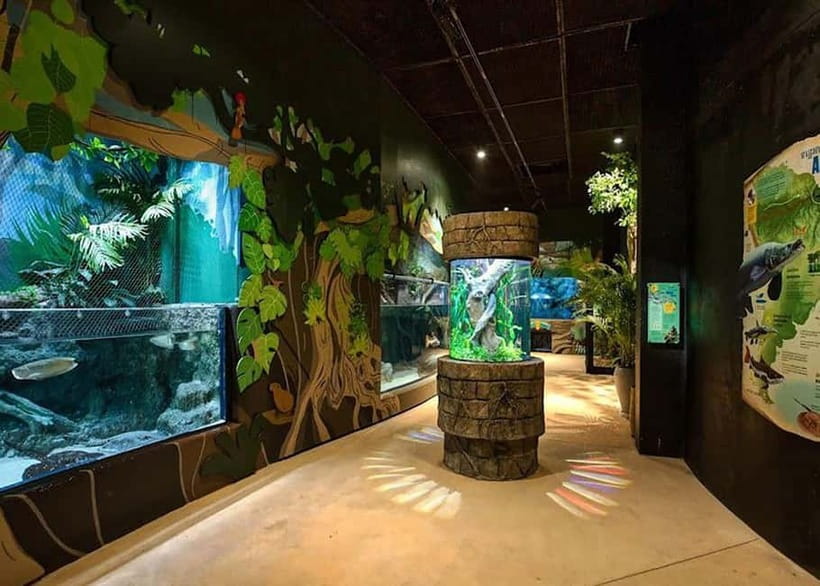
Start in the wildlife sanctuary area and treat it like a walking circuit. The enclosures are set up so you can actually move around and get close-up viewing without feeling like you’re stuck behind a single barrier.
What you’ll likely see includes a mix of rescued and native animals, including otters and reptiles. There are also birds and other species described as native to Cambodia and Southeast Asia. That “rescued plus native” mix is useful for perspective. You get the chance to appreciate local wildlife, while also seeing that the facility plays a role in caring for animals that didn’t stay in the wild.
Look for the small details that make the difference between a place that feels rushed and one that feels cared for. In this case, one standout note from visitors is that the enclosures are tidy and the facility feels clean. That cleanliness isn’t just cosmetic. It makes it easier to enjoy what you came for, instead of spending your time thinking about hygiene or discomfort.
If you’re traveling with kids, this part of the visit usually works well because animals are varied. Otters tend to be a crowd magnet, while reptiles can hold attention in a different way. Birds also help break up the “only mammals” problem that some animal attractions have.
A practical tip: wear shoes you can walk in for a while. Even though the whole visit is only a few hours, this isn’t a sit-and-watch stop. You’ll be moving between habitats and spending time standing still at viewing points.
And here’s the balanced thought to keep in mind. One reviewer suggested improvements in how the attraction addresses conservation issues, specifically concerns about animals being cornered and exploitation connected to land clearing and pollution. You don’t need to panic about that before you go, but it’s worth holding it as context. If conservation ethics are a big part of how you travel, focus on the educational messaging inside and let that guide your perspective.
Aquarium zone with local fish: where the feeding moment really lands
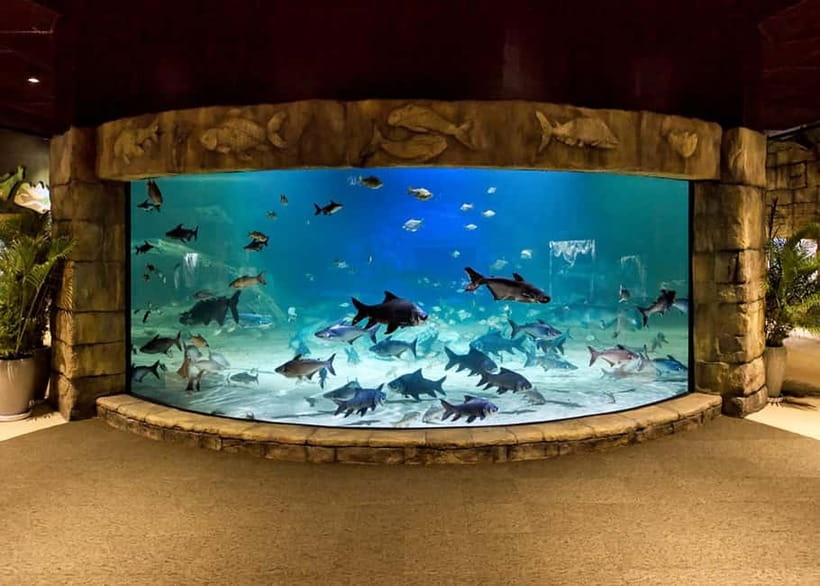
The aquarium zone is the part people tend to remember, and for a good reason. The aquarium is described as world class and, importantly, it showcases local fish species, not just generic show tanks. That local focus makes your Siem Reap visit feel more tied to the region you’re actually in.
You’ll encounter colorful freshwater and marine creatures in display areas that feel designed for viewing and learning. The exhibits are positioned with education in mind, so you’re not only looking at animals—you’re also picking up context about what you’re seeing. That’s helpful if you’re traveling with older kids who get bored easily with “just looking.”
A highlight to plan around is the feeding time. One visitor called the feeding moment extra special. You can’t control what time that happens on the day you visit, but you can control one thing: be present in the aquarium zone when you think the venue might schedule feeding, and don’t treat it like a random bonus. If there’s a feeding session during your visit, it’s often the time when the whole room pays attention.
Since this area is indoors (or at least more sheltered than the open-air sanctuary), it can also be a smart move if the sun is getting intense. Take advantage of the shade, sit down when you can, and give your feet a break before you head back out.
Photo note: you’ll likely want your camera ready, because close-up viewing is a big part of why people enjoy this zone. Bring a charged phone or camera and expect some lighting challenges—especially in tank areas. Shooting through glass is always a little fiddly, so move slowly and be patient.
Shuttle schedule from Ibis Styles, The Heritage Walk, and Angkor Enterprise
In Siem Reap, transport can make or break a half-day plan. What makes this ticket easier is that it includes a free round-trip shuttle, tied to a few clear pickup points. If you’re staying near those stops, it removes a huge chunk of uncertainty.
Here’s how the timing works:
- Morning pickup:
- 08:15 at Ibis Styles Hotel
- 08:25 at The Heritage Walk
- 08:40 at Angkor Enterprise
- Return at 11:45 to Ibis Styles Hotel
- Afternoon pickup:
- 12:35 at Ibis Styles Hotel
- 12:45 at The Heritage Walk
- 01:00 at Angkor Enterprise
- Return at 03:45 to Ibis Styles Hotel
Two practical tips will save you stress:
- Be at your pickup point at least 5 minutes early. No heroics, just arrive and wait.
- Choose your timing based on energy. Morning tends to feel better if you want to do more walking before the hottest part of the day.
Because the schedule is built around those specific pickup points, your hotel location matters. If you’re outside the covered pickup area, you may need an alternative arrangement. Also, the ticket doesn’t include meal stops, so plan on snacks or a full meal on your way back.
One small human detail: one visitor specifically praised Tino as excellent. That kind of comment usually points to helpful, calm staff who make check-in and movement smoother. In other words, if you have questions during the process, don’t hesitate to ask.
2–3 hours of fun: how to pace a self-guided visit without rushing
The ticket is designed for a 2–3 hour visit. That’s a good length because it’s long enough to see both the sanctuary and the aquarium, but short enough that you don’t feel stuck all day.
Here’s a pacing approach that works well:
- Start with the wildlife sanctuary first. You can get your bearings quickly and see the bigger animals while you’re fresh.
- Move through at an even pace. If you linger too long in one enclosure, you’ll feel pressure later.
- Save the aquarium zone for when you want to slow down. This is where the feeding session can happen, and where you’ll want time for reading and photography.
Because it’s self-guided, you control the priorities. If otters are your main mission, spend extra time there. If reptiles are your thing, don’t let yourself get pulled along by only the big mammals.
Also, plan around the sun. Bring water and take breaks. The venue provides an enjoyable walk, but Siem Reap’s heat is still heat.
And remember: skip-the-ticket-line entry is included, which helps you start sooner instead of waiting. That matters, especially if you’re trying to fit it around your other plans in town.






Price and value: is $20 a fair deal in Siem Reap?
At $20 per person, this ticket is positioned as good value because it combines multiple components:
- entry to the wildlife sanctuary
- entry to the aquarium
- free round-trip shuttle (for pickup points in the included areas)
For a lot of attractions in Siem Reap, the hidden cost is not the ticket price—it’s the transport and the time lost to logistics. Here, shuttle transportation is part of the deal, and the visit is compact. So even if you’re only spending a half-day, you’re not paying for a full-day plan.
It’s also value-friendly if you’re traveling without a guide. This is not a guided tour, which means you’re paying for entry and the shuttle, not for narration you may or may not need.
When does it feel like a smart buy?
- If you want both wildlife and aquarium content and don’t want to piece together two outings.
- If you like educational exhibits and not just animal spotting.
- If you appreciate a clean, organized facility where you can roam a bit.
When might it feel less worth it?
- If your travel style is purely wild-nature and you don’t like animals in controlled habitats.
- If you’re sensitive to ethical messaging around conservation and animal care. (That’s not a reason to avoid the place, just a reason to go with eyes open and focus on the conservation awareness side.)
Who this works for (and who should think twice)
This is a solid choice for families and for animal lovers who want a manageable visit. It’s described as enjoyable for both kids and adults, and the setup includes educational and interactive elements.
That said, the ticket has clear limits:
- Not suitable for children under 3
- Not suitable for pregnant women
- Not suitable for people with animal allergies
- Wheelchair users are listed as not suitable, even though one note mentions wheelchair accessibility
That last point is worth your attention. When information conflicts, don’t guess. If mobility or accessibility affects your plans, confirm what the venue can actually support for your situation.
If you’re traveling with allergies, be careful. The animal-focused setting means exposure is possible, even if enclosures are managed well.
Ethics and conservation context also matter. One visitor suggested a need for more focus on issues like animals being cornered and the connection between land clearing and pollution. That doesn’t automatically change whether you’ll enjoy the visit, but it does change how you might interpret it. If you care about the story behind animal care, pay attention to the educational elements rather than only the entertainment.
Finally, if you’re the type who hates guided group herding, you’ll probably like this more than a standard attraction tour. Self-guided usually feels calmer and gives you control.
Should you book this Siem Reap wildlife and aquarium ticket?
I think this is an easy yes for most visitors who want a good chunk of animals in a short window. The combo of wildlife sanctuary plus a strong aquarium, plus free round-trip shuttle from central pickup points, makes it a practical add-on to your Siem Reap days.
Book it if you:
- want a 2–3 hour visit that won’t eat your whole day
- care about local species and educational exhibits
- appreciate a clean facility with space to walk
Skip or think twice if you:
- only want wild animals in their natural habitat
- have serious concerns about the ethics messaging and how animals are displayed
- need accessibility support that you can’t verify beyond the mixed notes
If you’re deciding between “do I really need another attraction?” this one earns its place through variety: otters and reptiles on land, then local fish and aquarium exhibits under one ticket, with a shuttle that handles the hardest part—getting there and back.
FAQ
How long does the Angkor Wildlife & Aquarium visit take?
The experience is designed for about 2 to 3 hours.
What is included in the ticket price?
Your ticket includes entry to Angkor Wildlife & Aquarium and a free round-trip shuttle (if you’re using one of the included pickup points).
Is the visit guided?
No. It’s self-guided, so there’s no guided tour included.
Where does the shuttle pick up in Siem Reap?
Shuttle pickups are listed at Ibis Styles Hotel, The Heritage Walk, and Angkor Enterprise.
How do the shuttle times work?
There are two options: a morning schedule with pickup starting at 08:15 and a return at 11:45, and an afternoon schedule with pickup starting at 12:35 and a return at 03:45.
Is food included?
No. Food and beverages are not included.
What should I bring with me?
Bring comfortable shoes, a hat, a camera, sunscreen, and water.
What animals can I expect to see?
You can expect rescued and native animals, including otters and reptiles, plus birds and other species native to Cambodia and Southeast Asia. The aquarium zone includes freshwater and marine creatures.
Is this ticket suitable for young children or allergies?
It is not suitable for children under 3 years and is not suitable for people with animal allergies.
Is it accessible for wheelchair users?
The information includes wheelchair accessibility, but it also states it is not suitable for wheelchair users. It’s best to check what this means for your situation before you go.