REVIEW · SIEM REAP
Siem Reap Angkor Wat Sunrise Explore The Most Iconic Temples
Book on GetYourGuide →Operated by Khmer Bookingcom · Bookable on GetYourGuide
Sunrise at Angkor Wat feels like a cheat code for fewer crowds. I like that this tour starts early and uses the western entrance so you’re already in position before the main rush. You also get an English-speaking guide who helps you connect the dots across the different temple styles.
Two things I especially like are the tight, efficient order of sights (big icons plus one quieter stop), and the comfort factor of an air-conditioned minibus with bottled water. One possible drawback: the day is long, and if the group is large, you may feel the guide has to split attention and repeat basics more than you’d want.
In This Review
- Key highlights you’ll feel in your day
- Why sunrise from the western entrance changes everything
- Angkor Wat after sunrise: galleries, bas-reliefs, and sacred geometry
- Banteay Kdei: the calmer, more human pause
- Ta Prohm: why the tree roots still work as a story
- Bayon Temple in Angkor Thom: faces, towers, and daily life
- Tonle Om Gate: the last photo run through gods and demons
- Price and logistics: does $13 really make sense?
- Who this tour suits best (and who should consider alternatives)
- Should you book this Siem Reap Angkor day?
- FAQ
- How long is the tour?
- What does the $13 price include?
- Are temple tickets included?
- What time does pickup happen?
- What time do we return to Siem Reap?
- Are meals included?
Key highlights you’ll feel in your day
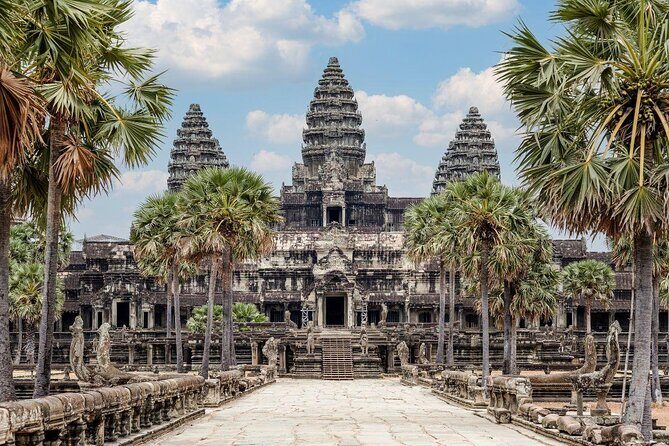
- Angkor Wat sunrise from the western entrance for an easier, photo-friendly start
- Guided time inside Angkor Wat so the bas-reliefs and layout make sense
- Banteay Kdei for calm: a more peaceful, partially ruined monastery vibe
- Ta Prohm’s jungle temple effect with giant tree roots over the stones
- Bayon Temple’s 200+ smiling faces across 54 towers in Angkor Thom
- Tonle Om Gate photo stop on the causeway with statues of gods and demons
Why sunrise from the western entrance changes everything
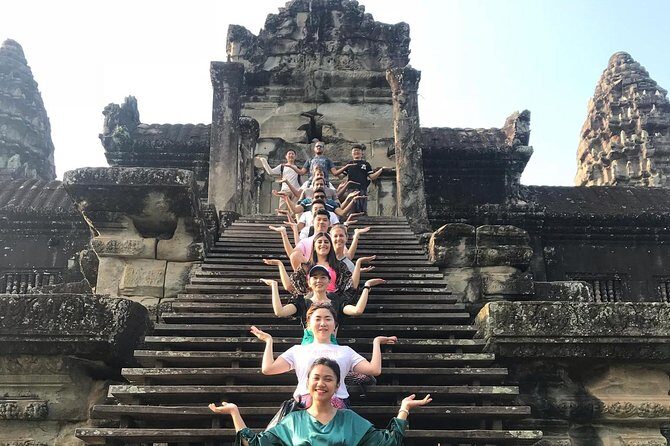
Timing is everything at Angkor. You’re not just visiting a temple—you’re competing with daylight and the crowd wave. This tour gets you moving early from Krong Siem Reap (pickup runs roughly 4:20am–5:15am) and then heads into the Angkor Archaeological Park area by comfortable air-conditioned minibus.
The smart move is how you reach Angkor Wat at sunrise: after you purchase your entrance tickets (ticket cost is not included), you go through the western entrance to experience the temple as the light arrives. You get that classic moment when the towers and structures catch the first rays, and the calm before the tour buses fully land. It’s the part of the day where photos actually feel fun instead of frantic.
One thing to keep your expectations realistic: sunrise doesn’t mean empty. But it does mean you’ll likely get a better shot and a more relaxed feel before the busiest hours hit.
You can also read our reviews of more tours and experiences in Siem Reap
Angkor Wat after sunrise: galleries, bas-reliefs, and sacred geometry
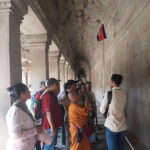
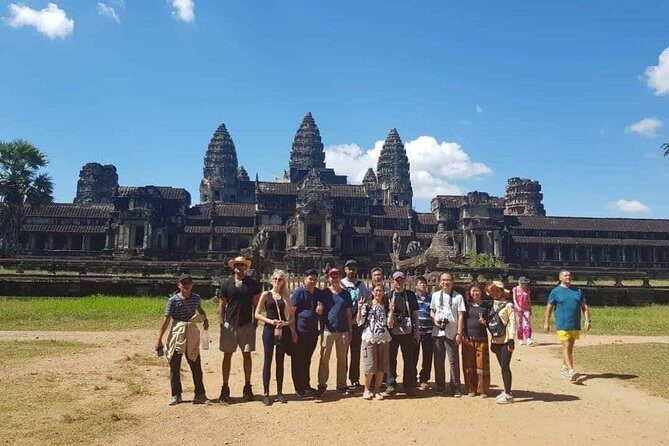
Once sunrise is done and the light is in motion, you’ll spend time inside Angkor Wat with a guide. This isn’t just wandering around for the postcard view. The key value here is that Angkor Wat was originally built as a Hindu temple for Vishnu and later became a Buddhist site, and that shift shows up in how the place is used and interpreted.
What you’ll appreciate as you move through the complex:
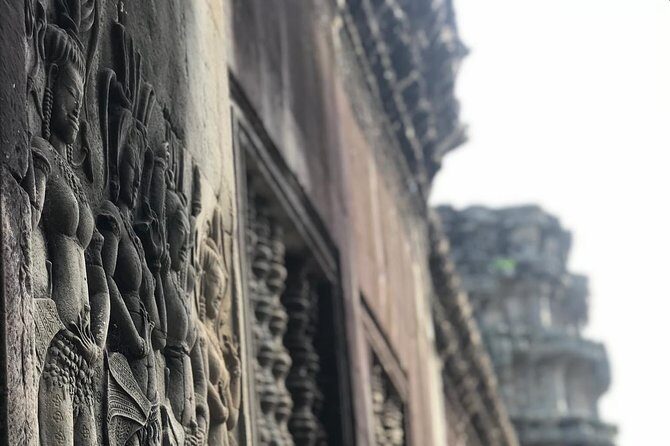
- Intricate bas-reliefs that tell stories in carved panels
- Grand galleries that lead your eye along long, structured corridors
- The central sanctuary area that feels intentionally designed to focus attention inward
The guide component matters. Without guidance, it’s easy to stare at carving details and feel like you’re missing the “why.” With a guide, you get the basic frame for what you’re looking at and how the layout connects to belief and power.
Also, this is the spot where you can make your day smoother by thinking ahead. Sunrise gives you the exterior magic; the inside visit is your chance to slow down, take in craftsmanship, and actually understand what you’re seeing.
Banteay Kdei: the calmer, more human pause
After the biggest name on the map, the tour takes you to Banteay Kdei, which means “Citadel of Chambers.” This stop is quieter for a reason: it’s less famous than Angkor Wat and often feels less crowded. In a day built around major highlights, that matters. Your brain gets a break from the constant wow.
Banteay Kdei is a late 12th-century Buddhist monastery, and you’ll notice that “serene corridor” feeling as you walk through partially ruined structures. The carvings and architectural rhythm are still there, but the atmosphere is softer—mossy edges, broken lines, and a mysterious, lived-in quality that makes you slow your pace without needing to be told.
Practical takeaway: if Angkor Wat gives you scale and spectacle, Banteay Kdei gives you mood. It’s the kind of temple stop that makes the day feel balanced instead of checklist-y.
Ta Prohm: why the tree roots still work as a story
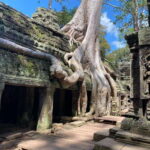
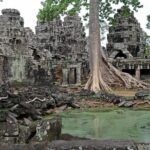
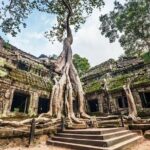
Next up is Ta Prohm, the famous jungle temple with giant tree roots wrapping over the ruins. This is the stop where people expect an Instagram moment—and they’re not wrong. But what makes Ta Prohm more than a photo gimmick is that it was left largely unrestored, creating that “nature taking over” look.
You’ll walk through an eerie, photogenic maze of stone and roots, and it’s easy to understand why this temple became world-famous through film. But even if you’re not a movie person, Ta Prohm works because it shows something rare in heritage sites: the tension between human effort and time.
A balanced note: this is also a temple where the crowds can swell because people like it for the same reason you do—roots, framing, drama. So expect more movement and more people near the iconic views. If you’ve already done sunrise well, you’ll have the energy to handle it.
Bayon Temple in Angkor Thom: faces, towers, and daily life
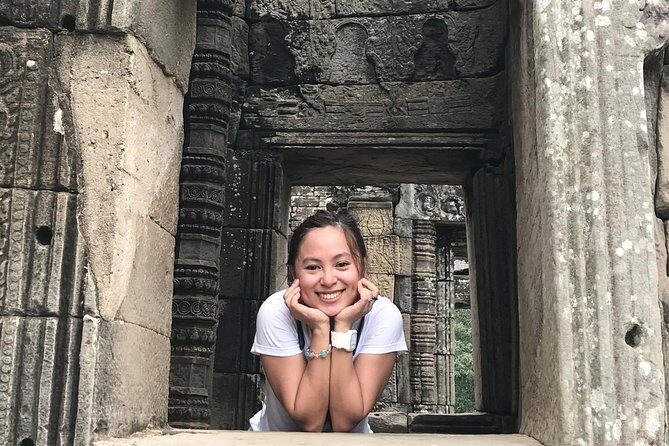
Then you head to Bayon Temple, located in the center of Angkor Thom. Bayon is known for its 54 towers, each decorated with multiple massive stone faces—often described as smiling. Altogether, you’re looking at 200+ faces, which is one of those facts that sounds exaggerated until you’re standing in front of it.
Here’s what I’d tell you to focus on when you’re there:
- Don’t treat the faces like one view. They repeat, so walk and watch how angles change the expression.
- Pay attention to the carvings that depict scenes of daily life and historical battles. The vibe is not only royal and religious—it’s also human-scale storytelling.
Bayon can feel overwhelming because it’s dense. That’s where an English-speaking guide helps most. You don’t need a lecture. You just need help noticing what to look for so the experience doesn’t turn into “I saw the faces” and then you move on.
If Ta Prohm is the day’s wild card, Bayon is where the structure and meaning lock into place.


Tonle Om Gate: the last photo run through gods and demons
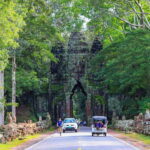
Your final temple stop is Tonle Om Gate, the southern gate of Angkor Thom. This one hits hard visually: a dramatic entrance on a causeway lined with statues of gods and demons, topped with stone faces similar in spirit to the ones at Bayon.
Tonle Om Gate is short—about 30 minutes for the stop and walk—but it’s a smart ending. You get one last burst of symmetry and storytelling before heading back to Siem Reap.
Practical advice: use this time to re-check your camera settings and tidy your shots. Sunrise and Ta Prohm are great, but Tonle Om Gate is the kind of view where framing and symmetry help your photos look intentional instead of accidental.
Price and logistics: does $13 really make sense?
The headline price is $13 per person for roughly 8 hours. That’s the biggest value question. For this kind of day, the real question isn’t just cost—it’s whether you get enough guided time and transport convenience to justify it.
In your favor:
- Air-conditioned minibus transport
- Hotel pickup and drop-off in Siem Reap City (pickup typically between 4:20am–5:15am, return between 12:00–1:00pm)
- An English-speaking tour guide
- Drinking water
What’s not included is also important. You’ll pay separately for temple tickets, and meals aren’t included. That means you should plan a lunch option or snacks on your own (even if you mainly eat once you get back).
One more reality check: at a low price, group size can vary. One common risk with big groups is that the guide has to manage everyone, which can lead to repeating information and a less personal pace. The guide and driver can still be friendly—and still not have enough bandwidth for 40+ people at once. So if you want a quieter, more intimate feel, keep that in mind.
Still, for a single day that hits Angkor Wat, Banteay Kdei, Ta Prohm, Bayon, and Tonle Om Gate, $13 is hard to beat—especially when you factor in comfort and a structured route.
Who this tour suits best (and who should consider alternatives)
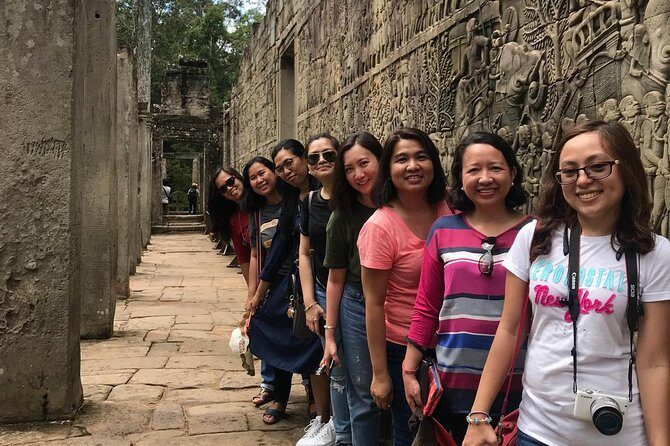
This tour fits you well if you want:
- A one-day Angkor experience that covers the major hits without wasting time
- Early-morning energy and you’re comfortable starting the day before sunrise
- A guide to help connect what you’re seeing—especially at Angkor Wat and Bayon
It may be less ideal if:
- You’re sensitive to large groups or you prefer highly personalized attention
- You want a long, slow temple day with lots of unstructured wandering
One extra note on guides: guides such as Noun have been singled out for being especially helpful with Angkor Wat photo spots and for giving clear explanations. If you get a guide like that, your day can feel smoother because you know where to stand and what details to look for.
Should you book this Siem Reap Angkor day?
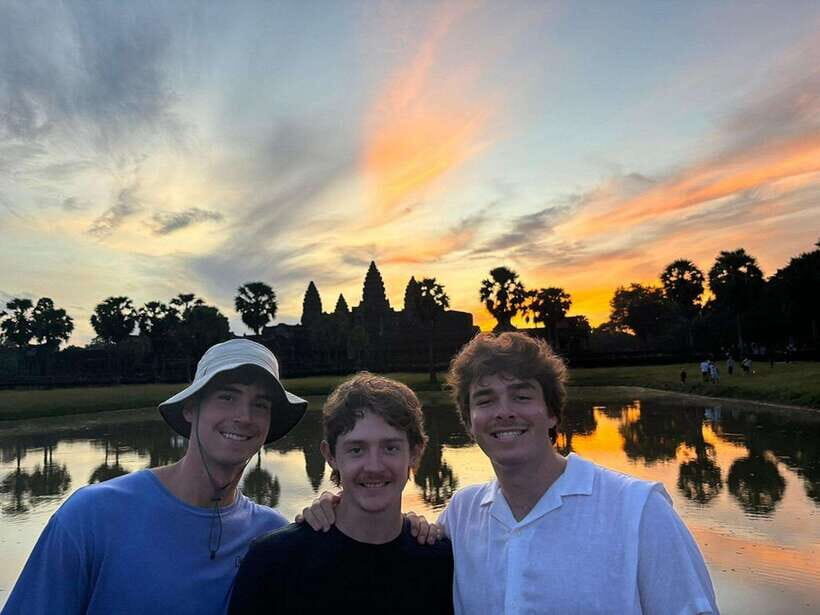
If you want the classic Angkor circuit and you’re okay paying tickets separately, I’d say yes, book it. Sunrise at Angkor Wat sets the tone, and the route gives you variety: grand and crowded at the big sites, calmer at Banteay Kdei, wild-at-heart at Ta Prohm, and face-focused at Bayon. The included pickup, AC transport, and water also do real work for a day that starts early.
Book it with your eyes open: bring money for temple tickets, plan food since meals aren’t included, and expect that the pace is set by a group schedule. If you like an efficient, guided overview over an all-day wander, this is a strong value way to do it.
FAQ
How long is the tour?
The tour runs about 8 hours.
What does the $13 price include?
It includes an English-speaking tour guide, air-conditioned transportation, drinking water, and hotel pickup and drop-off in Siem Reap City.
Are temple tickets included?
No. Temple tickets are not included, and you’ll need to purchase them at the park.
What time does pickup happen?
Pickup is included from hotels in Siem Reap City between about 4:20am and 5:15am.
What time do we return to Siem Reap?
The tour ends and you’re back at your drop-off location between about 12:00pm and 1:00pm.
Are meals included?
No. Meals are not included.