REVIEW · SIEM REAP
The 10 Tastings of Siem Reap With Locals: Private Street Food Tour
Book on Viator →Operated by Withlocals · Bookable on Viator
Street food feels less like a gamble here.
This private street food tour in Siem Reap is built around 10 food and drink tastings, guided by a local who knows what’s worth eating (and what’s not). I like that the route also mixes in quick city sights so you’re not only hunting for snacks—you’re learning as you go.
Two things I really like: the tour is just your group, and you can get vegetarian alternatives and help with dietary requirements. One consideration: hotel pickup and drop-off aren’t included, so you’ll want to plan how you’ll get to Pokambor Avenue and back.
Key points to know before you go
- Private just your group: no awkward mingling with strangers while you’re deciding what to try next.
- 10 tastings without the guesswork: you’ll eat and drink across multiple stops, guided by someone local.
- Dietary flexibility: vegetarian options are included, and your guide can usually adjust for other restrictions too.
- Market-to-temple-to-river route: you’ll combine food with recognizable landmarks and a relaxing river walk.
- Ask about guide choice: some guides—Long, Dorn, Nak, and Meng—have stood out for friendliness and pacing.
In This Review
- Why This Street Food Tour Works in Siem Reap
- What You Get for the Price: $51.95 and 10 Tastings
- Your Local-Guide Advantage: What a Good Host Changes
- The 3-Hour Route: From Old Market Snacks to a River Walk
- Stop 1: Psar Chaa (Old Market) — black sesame bites, noodles, and spring rolls
- Stop 2: Kandal Village — curried fish and crispy fried cake with sweet-sour sauce
- Stop 3: The Heritage Walk — tropical fruits and papaya salad with lime-chili tang
- Stop 4: Angkor Archaeological Park area — rice flour coconut cakes and coffee
- Stop 5: Wat Damnak — temple sights, pagoda details, and lily ponds
- Stop 6: Siem Reap Riverside Park — a river walk to cool down
- Dietary Needs and How to Handle Them Like a Pro
- Guides, Tuk-Tuk Hops, and the Pace That Makes You Enjoy It
- Weather and What to Bring for a Smooth 3-Hour Eating Plan
- Who Should Book This Private Street Food Tour
- Should You Book This Siem Reap Street Food Tour?
- FAQ
- Is this tour private?
- How long is the tour?
- How many tastings are included?
- Do you offer vegetarian options?
- What’s the meeting point?
- Is hotel pickup and drop-off included?
- Where does the tour take you?
- What kind of fitness level do I need?
- Can the itinerary be adjusted?
Why This Street Food Tour Works in Siem Reap
Siem Reap is famous for Angkor, but the real daily rhythm is food: quick bites, shared plates, and snacks you find where locals actually stop. This tour leans into that reality. You’re not just collecting dishes—you’re getting a sense of what Cambodians eat for flavor balance, texture, and comfort.
The private format matters more than it sounds. When it’s just your group, your guide can slow down when you’re curious, speed up when you’re hungry, and actually answer questions without rushing. That turns street food from something you might worry about into something you can enjoy with confidence.
Also, the pacing is designed for taste variety. You’ll hit foods with different profiles—savory, crispy, sweet-tangy, fruit-forward, and coffee-and-cake comfort. Even if you’re adventurous, it helps to have someone steer the choices so you don’t end up ordering the wrong thing out of nerves.
One more smart detail: the tour isn’t only “street stall hop.” It includes landmark-style stops where you can pause, look around, and connect the food to the place. That keeps the experience from becoming a blur of plates.
What You Get for the Price: $51.95 and 10 Tastings
At $51.95 per person for about 3 hours, the value is really about what’s included. You’re paying for a local guide, 10 food and drink tastings, and vegetarian alternatives. If you tried to replicate this on your own, you’d spend time figuring out where to go, what to order, and whether each stop is worth it.
You’ll also notice what’s missing from the price: hotel pickup and drop-off aren’t included. That doesn’t make it bad value—just plan your meeting and return timing so you’re not stressing right before you start eating.
A practical way to judge value: this tour isn’t trying to be “one fancy meal.” It’s more like a guided sampling session across multiple local spots—often the best way to understand a country’s food in a short trip. For many people, that’s exactly what they want in Siem Reap: a concentrated introduction that still feels real.
You can also read our reviews of more food & drink experiences in Siem Reap
Your Local-Guide Advantage: What a Good Host Changes
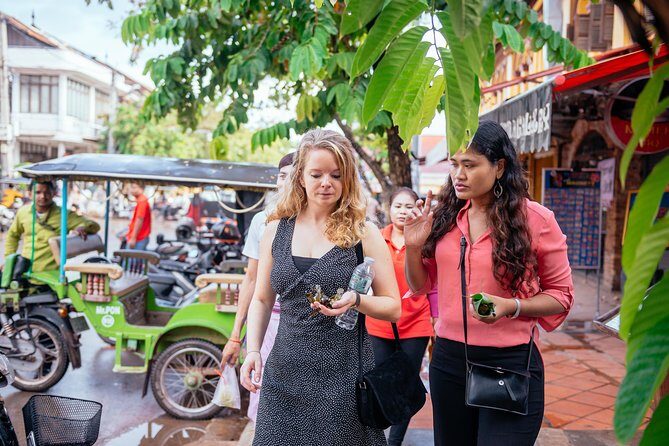
A great food guide does three jobs at once: translation (what it is), selection (what to order), and comfort (how to eat it). The standout guides associated with this tour—Long, Dorn, Nak, and Meng—are repeatedly praised for being friendly, patient, and able to explain what you’re eating and why it matters.
Here’s what you can take from that, even before you arrive:
- You’ll want to ask simple questions. Things like what’s typically spicy, what’s best shared, or what locals order first can make a huge difference.
- If you’re worried about “unknown flavors,” a good guide can steer you toward items that are approachable while still being genuinely local.
- If you have dietary needs, don’t just mention them once. Bring them up at the start and confirm what substitutions are possible. The tour is built to handle this, but your clarity helps.
And yes, pace matters. When the guide sets a good rhythm, you’re not rushing between stalls, and you’re not waiting too long while everyone else decides. Several guests highlight that the pacing hits a comfortable middle.
The 3-Hour Route: From Old Market Snacks to a River Walk
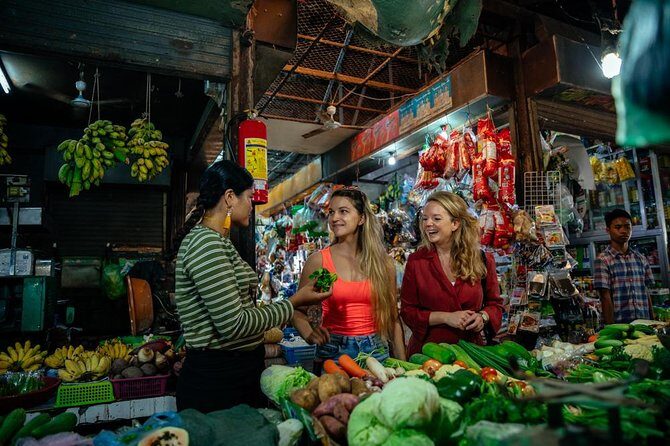
You’ll start at Pokambor Avenue. The tour ends back at the meeting point, so it’s an easy “go out, eat, come back” plan.
One important expectation: the tour says 10 stops and 10 tastings, but the schedule you’ll follow includes named locations like the Old Market, Kandal Village, the Heritage Walk, and then more landmark-style breaks (temple sights and the river). In practice, you’ll likely have more than one tasting in a single place—so don’t expect 10 completely separate addresses.
Stop 1: Psar Chaa (Old Market) — black sesame bites, noodles, and spring rolls
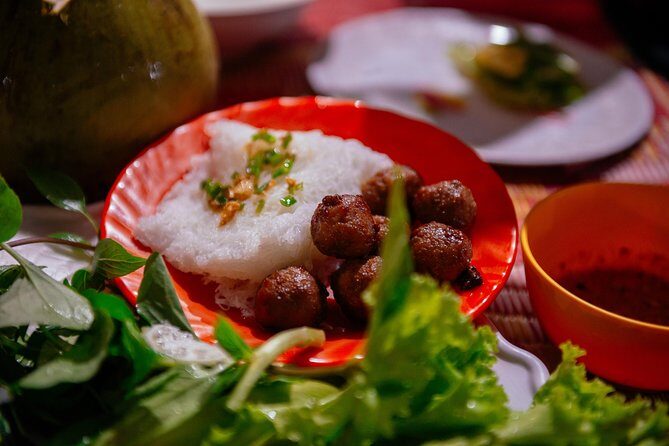
This is your launch point: Psar Chaa in the Old Market area. It’s where the tour starts strong with familiar-yet-local appetizer flavors. You’ll sample a popular Cambodian appetizer that includes black sesame seeds in the mix, plus a dish of noodles made the local way and fresh spring rolls.
Why this works first: market food is where you can quickly understand Khmer flavor logic—how sweet, salty, sour, and aromatic notes show up together. Also, the Old Market area gives you an instant sense of place before you move on.
Stop 2: Kandal Village — curried fish and crispy fried cake with sweet-sour sauce
Next comes Kandal Village, centered on a must-try style of dish: curried fish, sometimes described as a national treasure. Expect it to be rich and fragrant, the kind of flavor that makes you want to keep asking what’s in it.
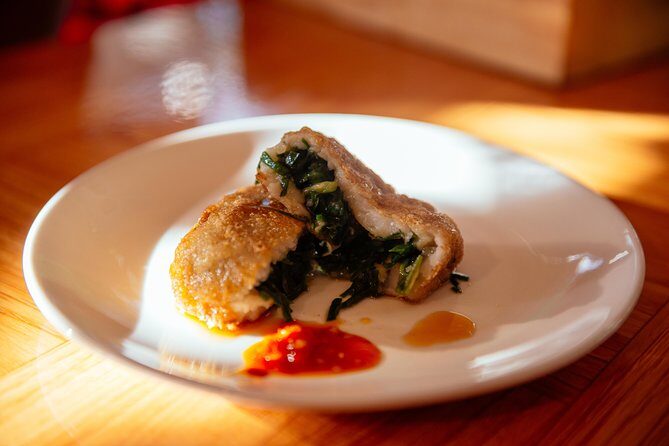
You’ll also taste a crispy fried cake served with sweet and sour sauce nearby. That combo is a good reminder that Cambodian street food isn’t just spicy-hot. Texture and balance matter just as much.
Watch-out consideration here: if you’re sensitive to heat, tell your guide early. Cooks can adjust, and guides can steer you toward milder options in the same neighborhood.
You can also read our reviews of more tours and experiences in Siem Reap
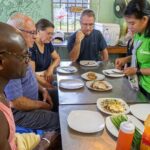

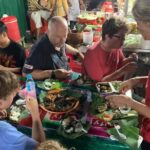
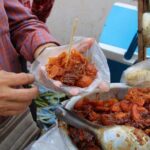

Stop 3: The Heritage Walk — tropical fruits and papaya salad with lime-chili tang
Now you shift from savory street snacks to something lighter: tropical fruit. You’ll munch juicy fruit that locals love, then get a fresh salad featuring local papaya, tomatoes, chili, and lime juice.
This stop is a reset for your palate. After a couple of richer tastings, the papaya-lime mix helps “clean” your mouth and make the next dish easier to enjoy.
Stop 4: Angkor Archaeological Park area — rice flour coconut cakes and coffee
Near the Angkor Archaeological Park, you’ll pause for something comforting: local cakes made with rice flour, sugar, and coconut milk, plus a warm cup of coffee from a nearby cafe.
This is a clever choice for a food tour. If you’ve been walking around Cambodia’s sights all day, these cakes feel like a breather—sweet, soft, and easy to eat slowly. Coffee here also makes the tasting feel complete, not just snack-only.
Stop 5: Wat Damnak — temple sights, pagoda details, and lily ponds
At Wat Damnak, you’re not there to eat a whole meal; you’re there to connect the food route to the culture around it. You’ll pass by this big Buddhist temple and cultural hub, with the pagoda, ornate stone carvings, a school, and lily ponds.
Why include a temple stop on a street food tour? It anchors the day. Food in Siem Reap isn’t isolated from daily life—it’s part of it. Even a short pass-by stop helps you feel the rhythm of neighborhood spaces, not just the “food on demand” version of Cambodia.
Stop 6: Siem Reap Riverside Park — a river walk to cool down
Finally, you stroll along the Siem Reap River at the Riverside Park. This gives your group a breather between tastings and helps you finish the tour feeling refreshed instead of stuffed and rushed.
If you’re the kind of traveler who likes to take photos, this is also where you can breathe and reset your camera energy.
Dietary Needs and How to Handle Them Like a Pro
The tour includes vegetarian alternatives, and it also says your guide can cater to dietary requirements. In real life, that’s most successful when you’re specific.
Here’s what I recommend you do before the tour begins:
- Tell the guide what you avoid (vegetarian, pescatarian, no pork, no nuts, no shellfish, and so on).
- Mention any allergies clearly, not just preferences.
- Ask for guidance on sauces and garnishes. Street food often includes ingredients you might not expect in the final flavor.
Based on feedback from guests who mention accommodations, the guide approach is typically flexible—especially when you speak up early. If you’re worried about not enjoying anything, this is the kind of tour that can set you up for success.
Guides, Tuk-Tuk Hops, and the Pace That Makes You Enjoy It
Because it’s private, the guide can match the pace to your group. Many guests describe the host as friendly and informative, with good pacing and explanations that make the tastings feel meaningful, not random.
You might also do short hops between points. Some guides have used tuk-tuk-style transport between stops, which can help if it rains or if you’re moving through busier areas. Either way, the format is built for comfort more than endurance, and you only need moderate physical fitness for the walk portions.
One small heads-up: sometimes routes can shift slightly based on what’s happening in the city. That might mean you go a little farther than expected. It’s usually not a big deal, but it’s smart to know that a living city can steer a guided route.
Weather and What to Bring for a Smooth 3-Hour Eating Plan
With a tour of about 3 hours, you’ll likely move between market areas, cafes, and outdoor sightseeing. That means your comfort matters as much as the food.
I’d pack for the basics:
- Comfortable shoes for short walking and market sidewalks
- A light layer in the evenings if you get chilly easily
- Water and something small to keep you going if you need it between tastings
- Rain readiness (Cambodia weather can change fast)
If you show up prepared, you’ll enjoy the tastings more. Street food tastes best when you’re not distracted by discomfort.
Who Should Book This Private Street Food Tour
This is a strong fit if:
- You want local food without spending your limited time “figuring it out”
- You like a guided route with context, not just eating whatever looks good
- You’re traveling with dietary restrictions and want vegetarian alternatives
- You value a private group experience where your guide can focus on your pace and questions
It might be less ideal if:
- You strongly prefer a fully self-paced outing with no guidance
- You want hotel pickup and drop-off convenience built in (this tour doesn’t include it)
- You’re uneasy about meeting at a street-level point and then navigating back on your own
Also, if you’re coming on a trip with tight time windows, double-check your meeting plan so you don’t lose precious eating hours. The tour runs on a short clock: about three hours.
Should You Book This Siem Reap Street Food Tour?
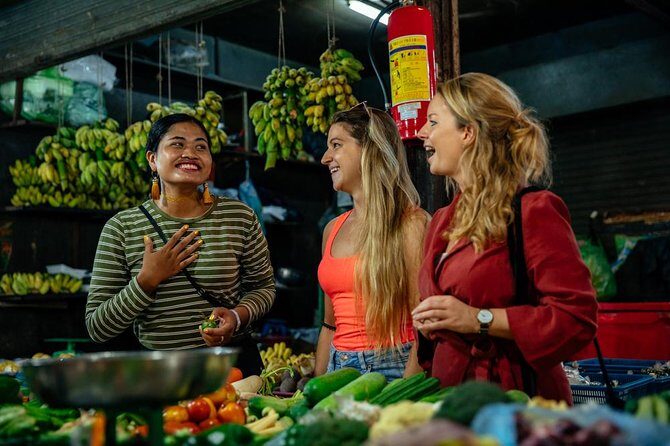
Yes—if you want a guided introduction to Cambodian street flavors in a way that feels organized but still local. The 10 tastings, private format, and dietary flexibility are the big wins. You get market energy, temple/culture context, and a relaxing river finish, all without turning your day into logistics.
Book it if:
- You’re hungry for variety more than for one signature meal
- You’d rather ask a guide than roll the dice on ordering
- You want a route that helps you learn how to eat in Siem Reap, not just what to eat
Pass on it if:
- You need door-to-door pickup
- You want zero itinerary structure
- You hate any chance of schedule shifting due to real-world conditions
FAQ
Is this tour private?
Yes. It’s a private tour, so only you and your local guide attend.
How long is the tour?
The tour runs for about 3 hours.
How many tastings are included?
You’ll get 10 food and drink tastings during the tour.
Do you offer vegetarian options?
Yes. Vegetarian alternatives are included, and the tour also states it can cater to dietary requirements.
What’s the meeting point?
The tour starts at Pokambor Avenue, Krong Siem Reap, Cambodia, and ends back at the same meeting point.
Is hotel pickup and drop-off included?
No. Hotel pickup and drop-off are not included.
Where does the tour take you?
The route includes stops in areas such as the Old Market (Psar Chaa), Kandal Village, the Heritage Walk, the Angkor Archaeological Park area, Wat Damnak, and the Siem Reap Riverside Park.
What kind of fitness level do I need?
The tour requires a moderate physical fitness level.
Can the itinerary be adjusted?
The tour offers the opportunity to change the itinerary. You should let your guide know your wishes at the beginning of the tour or contact them after booking.