REVIEW · SIEM REAP
Siem Reap: Angkor Temples Off-Track Bicycle Tour
Book on GetYourGuide →Operated by OFF TRACK Tours · Bookable on GetYourGuide
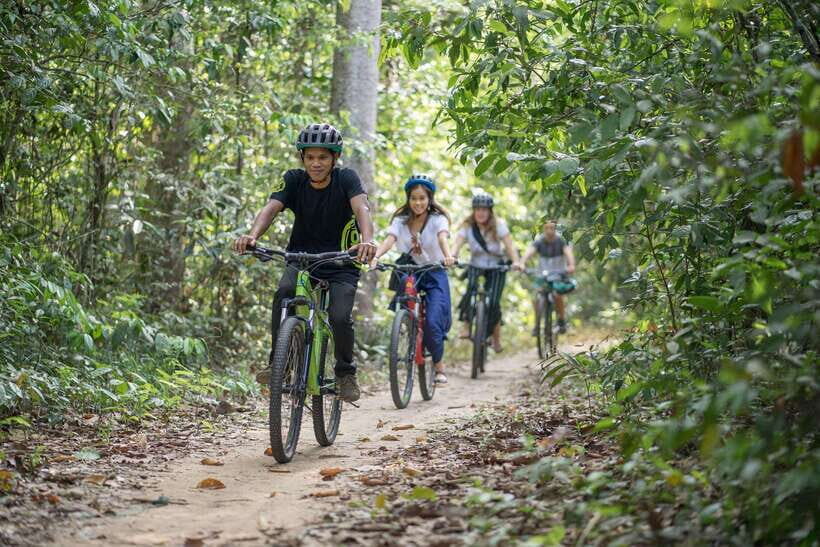
Angkor feels private at bicycle pace. This Siem Reap Angkor tour takes you off the usual routes, threading through jungle lanes to reach temples you usually only hear about after you’ve already booked the popular ones. You also get a local guide who links what you’re seeing to Khmer culture and the Angkorian Empire.
I especially love the way the tour pairs hidden temples with an easy-to-follow ride plan. The guide is patient and adjusts to your group so it feels doable for more people than you might expect, even when the paths turn uneven.
The one drawback to weigh is simple: this isn’t for you if you can’t ride a bike, and you’ll also need to follow the temple dress rules (no shorts, no short skirts, no sleeveless shirts). It’s an 8-hour day, and you’ll be in the sun, so plan for heat and insects with sunscreen and repellent.
In This Review
- Key Takeaways
- Angkor Park, But Quiet: The Off-Track Bicycle Idea That Works
- Bayon Pastry School Check-In and the 8:30 Start That Sets the Tone
- Rolling Toward the Walls of Angkor Wat on Two Wheels
- Angkor Thom by Bike: South Gate, Bayon Temple, and a Less-Crowded Detour
- Lunch in the Jungle: Where the Day Powers Up
- Preah Khan to Ta Nei: Ghost Temple Quiet in the Trees
- Ta Keo and the Final Look Back Toward Angkor Wat
- Off-Road Biking Practicalities: What to Wear and What to Expect
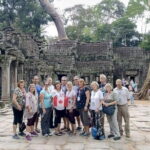
- Small Group Energy: Why Max 7 People Helps
- Real Value: $65 for a Bike, Lunch, Temples, and Community Support
- Who Should Book This Tour (and Who Should Skip It)
- Should You Book the Siem Reap Angkor Temples Off-Track Bicycle Tour?
- FAQ
- Is the Angkor Pass included?
- How long is the tour?
- Where do I meet the guide?
- What’s included in the price?
- What should I wear?
- Is the tour suitable if I can’t ride a bike?
Key Takeaways
- Off-road jungle paths help you escape the busiest Angkor circuits while still hitting major highlights
- South Gate of Angkor Thom and Bayon Temple are paired with smaller, quieter temple stops when timing allows
- A small group (max 7) means less waiting and more time to ask questions
- Lunch is included and you can share needs like vegan food or requests to shorten/extend the day
- Non-profit impact via KKO supports free education and vocational training, with additional local spending during the tour
Angkor Park, But Quiet: The Off-Track Bicycle Idea That Works

If you’ve ever toured Angkor by car and felt like you were watching a parade, this is the antidote. Cycling through jungle and along smaller paths changes your rhythm. You slow down just enough to notice details in stonework, trees, and the way temple courtyards open and close.
What makes the route compelling is the mix of “big names” and lesser-seen structures. You still get to see the South Gate of Angkor Thom and the famous Bayon Temple, but the tour also pushes into quieter areas where the mood feels calmer. That balance is the whole point.
You can also read our reviews of more tours and experiences in Siem Reap.
Bayon Pastry School Check-In and the 8:30 Start That Sets the Tone
You meet at Bayon Pastry School in Siem Reap. The start is set for 8:30 am, and after a short introduction you’ll get oriented before you roll toward Angkor Park.
That early start matters for two reasons. First, it helps the day feel less rushed. Second, when you’re traveling by bike, small delays add up—so getting moving on schedule keeps the “off-track” part enjoyable instead of exhausting.
You’ll also learn the basics for riding comfortably with the group. The tour provides quality bicycles, and there’s a safety plan plus a first aid kit on hand. If you’re the type who likes to feel prepared, this check-in style is reassuring.
Rolling Toward the Walls of Angkor Wat on Two Wheels
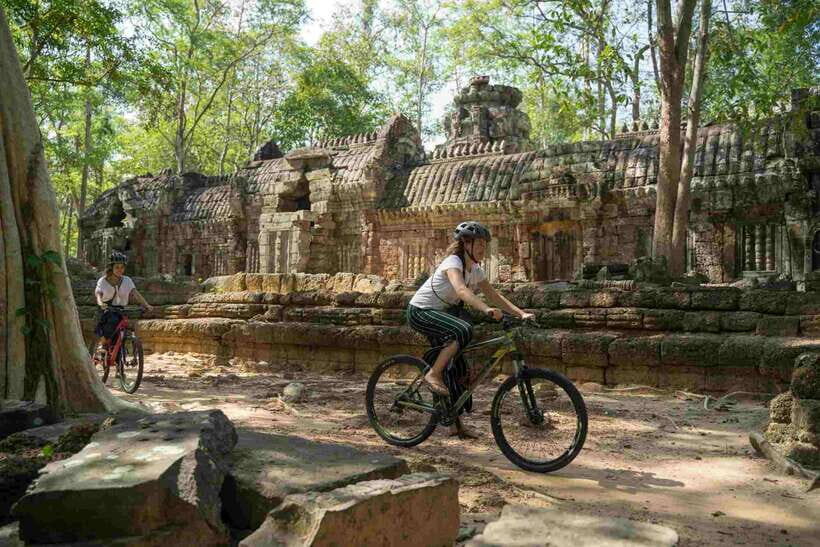
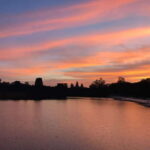
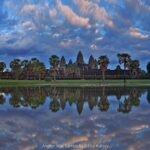
Before you go deep into the temple complex areas, the day includes a photo stop at the wall of Angkor Wat as you cycle in. This is a smart “warm-up” moment because you get context early, without forcing you into the longest temple stretches immediately.
You’re also getting a feel for your bike and the day’s temperature. By the time you transition from cycling into the temple zones, you’ll already understand the pace and whether you need to adjust your speed.
Angkor Thom by Bike: South Gate, Bayon Temple, and a Less-Crowded Detour
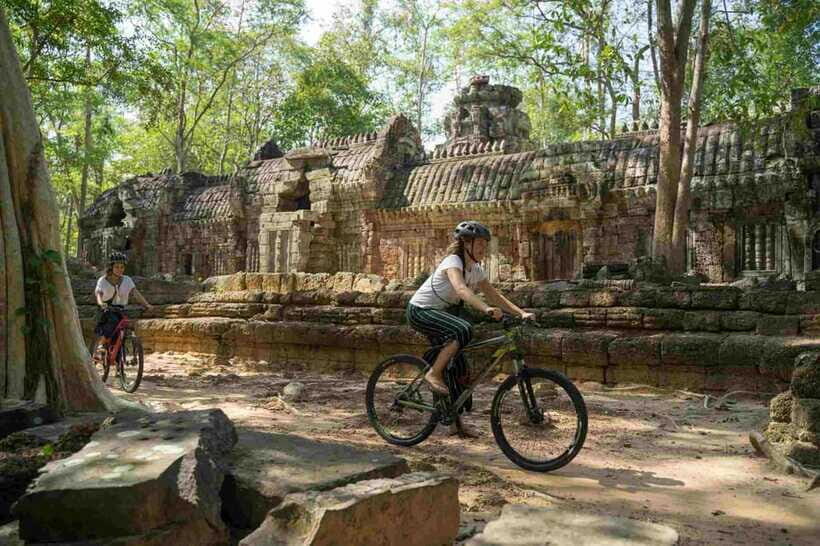
Angkor Thom is a highlight zone, and you approach it in a way that feels more personal than driving up. The tour leads you through the jungle to the South Gate of Angkor Thom, where you get that classic sense of entering a world built with purpose.
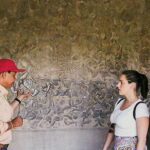
From there, you visit and explore with a local guide. A guided approach helps because you don’t just see stone—you learn how the Khmer temple world was designed to communicate power, belief, and myth through layout and symbolism.
Next comes Bayon Temple, one of the more popular stops. Expect it to be busy compared with the quieter parts of the day, but the tour still aims to keep crowd time manageable. You also have a chance for a smaller temple within Angkor Thom—like Preah Palilay Temple—if time allows, which is exactly the kind of flexibility that makes the day feel tailored to your group rather than stamped from a checklist.
Lunch in the Jungle: Where the Day Powers Up
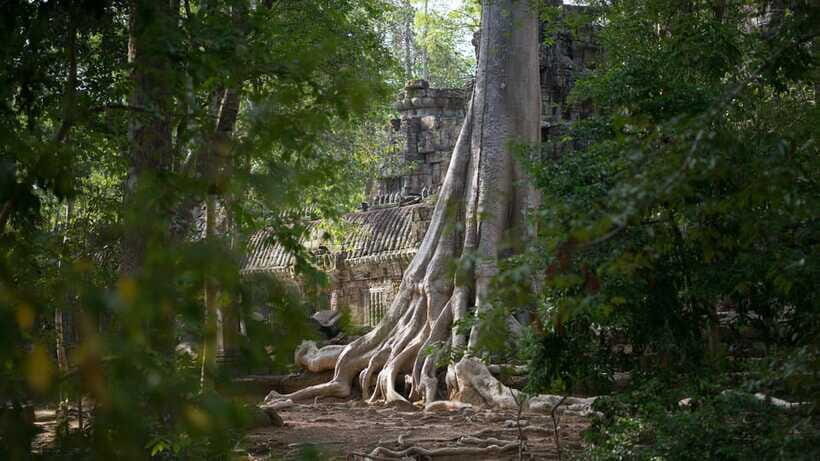
After Bayon Temple, you break for lunch at a local restaurant in the jungle. This matters more than you might think. Taking a real pause—away from constant temple walking—keeps your energy from crashing.
You can also communicate needs in advance. The operator notes that they can handle requirements like vegan food, and they can adjust the schedule if you want to shorten or extend the tour. That’s useful because temple days often fail when the itinerary ignores how people actually feel in heat, on bikes, and on uneven ground.
If you’re worried about the balance between riding and resting, this lunch stop is one of the reasons the tour works. You get a full mid-day reset before the route turns more “quiet temple hunting.”
Preah Khan to Ta Nei: Ghost Temple Quiet in the Trees
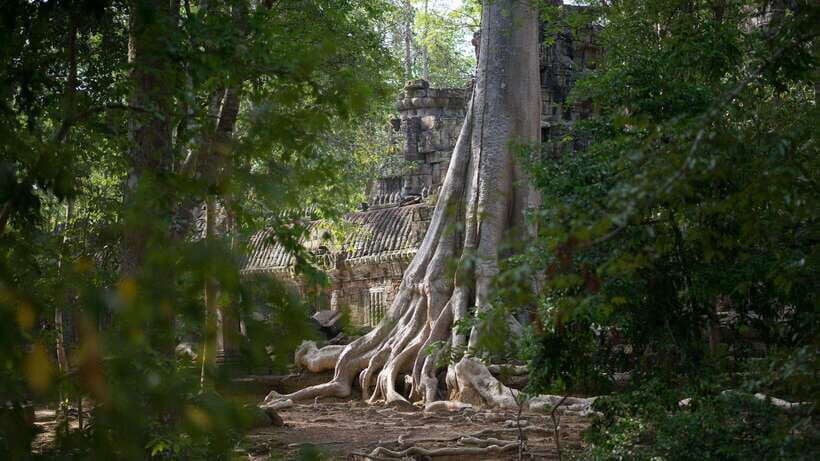
After lunch, you continue through the jungle toward Preah Khan. Compared with the Bayon area, this portion tends to feel calmer, and that shift changes the whole tone. Instead of jostling through crowds, you’re moving through atmosphere—bigger silences, more shade, and a slower feeling of time.
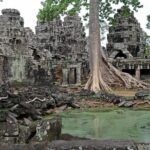
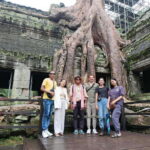
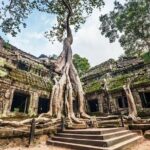
Then comes Ta Nei Temple, often called the Ghost Temple because it’s very hidden and quiet in the jungle. That name isn’t just marketing fluff. In practice, the location means you spend more time looking at details and less time trying to dodge photo traffic.
This is where the guided history pays off. Even when you’re not fully catching every detail, a good guide helps you connect what you’re seeing to why the site looks the way it does. The temples stop being random carvings and start becoming a language.
Ta Keo and the Final Look Back Toward Angkor Wat
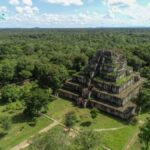
The last temple-focused ride is Ta Keo. The day ends with an additional stop at Angkor Wat, including photo and sightseeing time as you cycle back toward town and return to Bayon Pastry School.
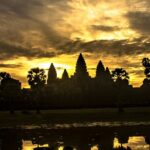
This sequencing is smart. You finish with big-name scenery but with a day’s worth of context. By the time you see Angkor Wat-related views again, you’re not only thinking about what it looks like—you’re also thinking about what it represents in the broader Angkorian landscape.
You’ll likely feel a mix of satisfaction and fatigue at the end. That’s normal. Eight hours on a bike in the Siem Reap sun adds up, even with the breaks and the adjusted pace.
Off-Road Biking Practicalities: What to Wear and What to Expect
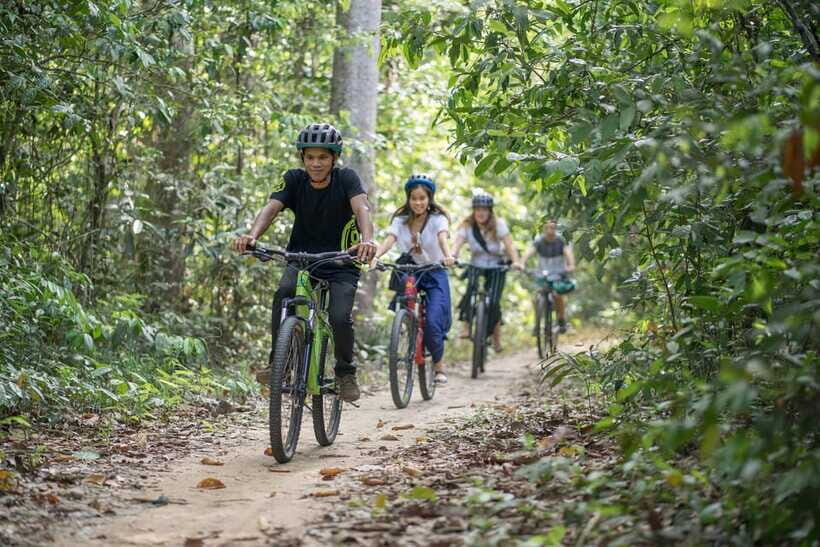
Let’s get practical, because “off-track” is fun until you’re underdressed or underprepared.
Bring what they ask for:
- Camera
- Sunscreen
- Insect repellent
Wear temple-appropriate clothing. Shorts, short skirts, and sleeveless shirts are not allowed, so plan on long pants or other covered options. Lightweight long sleeves can help both with sun and with keeping bug bites down.
Also be honest about your riding comfort. This tour isn’t suitable if you can’t ride a bike. If you’re comfortable on streets but nervous on uneven ground, you should still ask about bike handling and pacing. The guide is experienced at adapting to groups, but the terrain is still off-road and can be bumpy.
Finally, accept that you’ll sweat. Cambodia in the morning and midday can be intense, and the bike part means you’re exposed in a different way than a car tour. This is one of the days where hydration and shade moments matter.
Small Group Energy: Why Max 7 People Helps

This tour keeps group sizes to 7 participants. For you, that’s more than a number—it affects how smoothly the day runs.
A smaller group means fewer pauses at junctions and better control of the pace when you switch between jungle lanes and temple zones. It also makes it easier for the guide to answer questions without feeling like you’re in a classroom where every question takes a back seat.
From the experience feedback, one of the most praised elements is the guide’s attitude—patient, attentive, and ready to adapt to your needs. That’s exactly what you want in a tour that combines biking and temple etiquette, because it’s not just about speed. It’s about feeling comfortable while you learn.
Real Value: $65 for a Bike, Lunch, Temples, and Community Support
The price is $65 per person for an 8-hour day. That price includes a lot of what usually costs extra: a bicycle, a local guide, and lunch. It also includes the big-ticket experience pieces—access to multiple temples, guided explanations, and time on off-road jungle paths.
What makes the value feel better than a standard sightseeing day is the impact model. This operator states they are the only non-profit tour operator in Siem Reap, with profits supporting KKO – Khmer for Khmer Organisation, which provides free education and also supports vocational training. They also say they back local restaurants, farms, and street vendors during the tour.
In practical terms, you’re not just buying a ticket to see temples. You’re helping keep money circulating locally and funding education. That connection is what makes people come back excited and grateful instead of just impressed by stone.
Who Should Book This Tour (and Who Should Skip It)
This tour is a great fit if you want:
- Angkor without the heaviest crowds
- A bike day that feels adventurous but still guided
- Temples plus real context about Khmer culture and the Angkorian Empire
- A small group with space to ask questions
It’s not the right choice if:
- You can’t ride a bike
- You strongly dislike spending 8 hours outdoors in heat
- You don’t want to follow temple dress rules (no shorts, no short skirts, no sleeveless shirts)
If you’re traveling solo or as a couple, the small-group format can feel especially good because you’re not stuck waiting for a large bus-like schedule.
Should You Book the Siem Reap Angkor Temples Off-Track Bicycle Tour?
If you like your travel days active, curious, and a little off the beaten track, I’d book it. The strongest reason is the pairing: major temples plus quieter jungle-side stops, all under the guidance of someone who knows how to connect the sights to culture.
The decision comes down to your comfort level with biking and your willingness to dress appropriately and ride for an 8-hour day. If that’s you, this is a smart-value way to see Angkor Park at a pace that feels more human than rushed.
If you want to maximize your time in Siem Reap, plan to add a little extra time on the side to see the education project connection too. The tour’s whole model is built around supporting KKO, and it’s worth learning more while you’re in town.
FAQ
Is the Angkor Pass included?
No. The Angkor Pass is not included.
How long is the tour?
The tour duration is 8 hours.
Where do I meet the guide?
You meet at Bayon Pastry School in Siem Reap.
What’s included in the price?
The tour includes lunch, a local guide, the bicycle, and guided insight into the Angkorian Empire and Khmer culture, plus visits to hidden temples and a local village.
What should I wear?
You need to follow temple dress rules: shorts, short skirts, and sleeveless shirts are not allowed.
Is the tour suitable if I can’t ride a bike?
No. It’s not suitable if you can’t ride a bike.