REVIEW · SIEM REAP
Siem Reap: Morning Cooking Class & Market Tour
Book on GetYourGuide →Operated by Villages Cooking Class · Bookable on GetYourGuide
Food mornings in Siem Reap hit different. This 5-hour experience blends a local market tour with a cooking class in a real Khmer home setting, not a showroom kitchen. You start with ingredients picked from everyday vendors, then you cook and taste in Khmer surroundings with the day’s recipes in hand.
I especially like two things. First, you’re not just watching: you learn by doing, with step-by-step guidance from chefs like Bopha, Keo, Mai, and others who teach in an easy-to-follow way. Second, the recipe brochure matters because it’s meant to be recreated back home, for one serving unless noted.
One consideration: a big part of the morning is outdoors, and this runs rain or shine, so you’ll want clothes that can take sun or a quick downpour.
In This Review
- Key things to know before you go
- Tuk tuk pickup to a real village morning
- Siem Reap market walk: picking ingredients, learning what matters
- Vegetable and mushroom farms: the food story beyond the city
- Cooking in a Khmer home: hands-on lessons that actually stick
- What you cook: main dishes and dessert with Khmer focus
- Price and value: what $35 buys you (and what it doesn’t)
- Who this suits best
- How to prepare: rain or sun, plus a little heat
- Should you book it?
- FAQ
- How long is the Siem Reap morning cooking class and market tour?
- What’s included in the price?
- Do I get to choose what dishes to cook?
- What transportation is used during the tour?
- Does the tour run in bad weather?
- Is there hotel pickup?
- Is the guide available in English, and is it suitable for everyone?
Key things to know before you go
- Hotel pickup by driver, then tuk tuk rides that get you out of the usual center spots.
- Market walking time to browse, take photos, and talk with vendors before you start cooking.
- Farm-style stops that go past the city feel, including vegetable areas and mushroom production.
- Hands-on cooking in a Khmer house with a cool-down of iced tea and a cold towel afterward.
- You taste what you make, plus get a brochure so you can cook the recipes again later.
- You choose what dishes to cook, so the meal you end up making fits your taste.
Tuk tuk pickup to a real village morning
The day starts with a hotel pickup, and you’ll meet your driver at the lobby. Plan to be ready about 15 minutes before your scheduled pickup time, because the tuk tuk shuffle is part of the fun.
From there, you hop into the local rhythm of the region. The transport is simple and practical, and it does a good job of turning a cooking class into a morning that feels connected to where the food actually comes from.
You’re also with an English-speaking guide. That matters because the tour isn’t only about moving from stop to stop; it’s about understanding what you’re seeing and why ingredients matter in Khmer cooking.
You can also read our reviews of more tours and experiences in Siem Reap.

Siem Reap market walk: picking ingredients, learning what matters
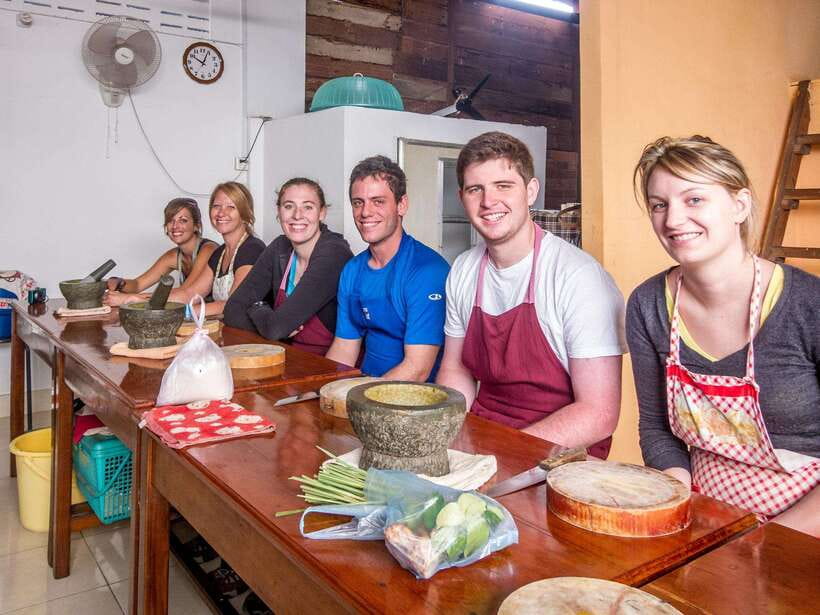
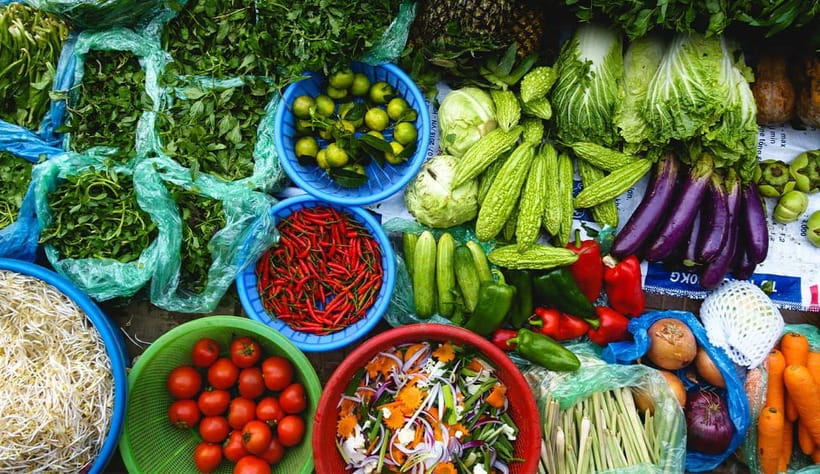
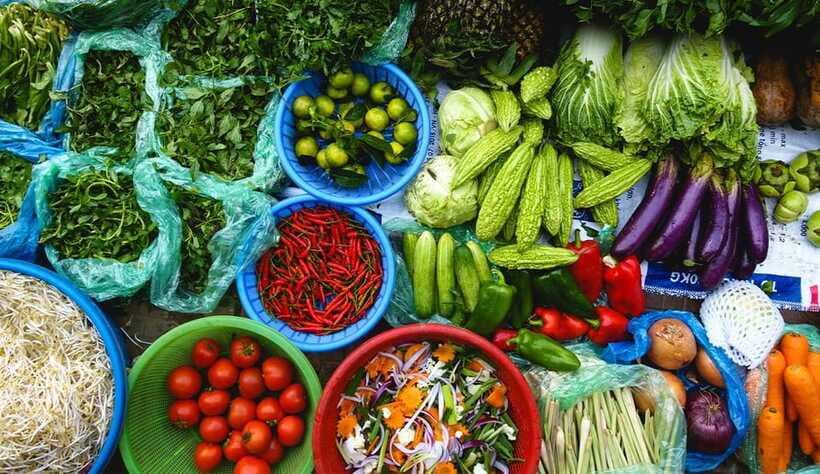
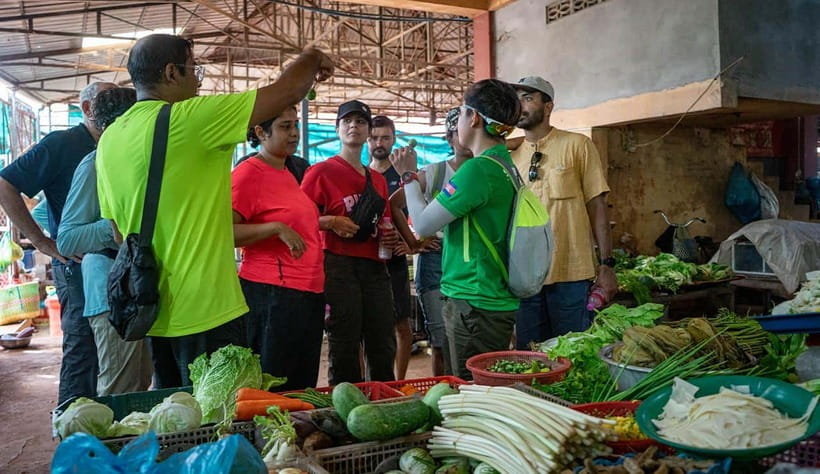
The market portion is one of the most useful parts of the experience. You walk through local stalls to select ingredients, including meat and fresh vegetables, and you get explanations about products and the variety of food.
What I like here is that the market is treated like a learning room. You get enough time to stroll, look closely, and snap photos of vendors and goods, rather than rushing through and calling it done.
Practical note: if you’re interested in a specific flavor direction, you’ll get more out of the market by paying attention to what’s fresh and what the cooking team suggests. The point isn’t to buy souvenirs; it’s to understand what you can realistically find at home and what you might need to swap.
Vegetable and mushroom farms: the food story beyond the city
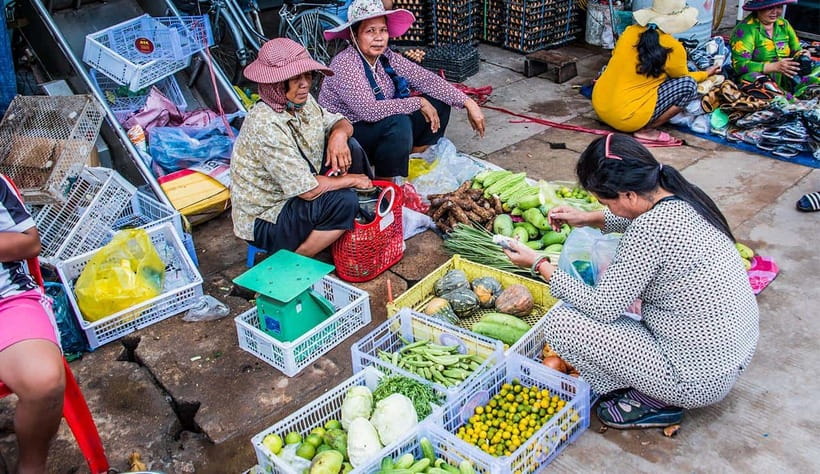
After the market, you head into the countryside feel. Many versions of this experience include stops such as a vegetable farm area and a mushroom farm, and at least one of the examples includes an oyster mushroom production stop outside Siem Reap.
This is where the tour turns from cooking to context. You see how herbs and produce grow, and you get a more grounded understanding of the ingredients you’ll later chop, fry, simmer, or fold into a dish. If you’ve ever wondered why certain Khmer dishes taste so distinctive, this is part of the answer.
You may also see rice-related rural scenery on the way to or around the cooking property. Even when the stops vary, the theme stays the same: the ingredients have a real supply chain, not a magic factory.
If you’re a photo person, bring the camera you actually use. The countryside moments are short but memorable, and the outdoor setting gives you light and angles you won’t get back in the city.
Cooking in a Khmer home: hands-on lessons that actually stick
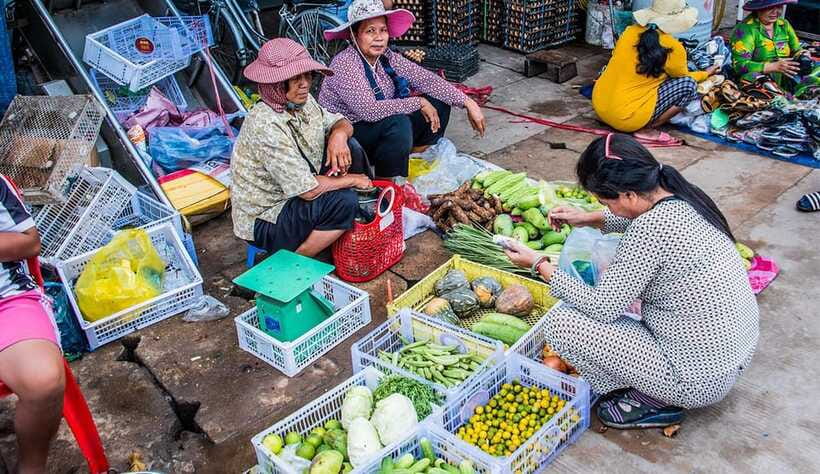
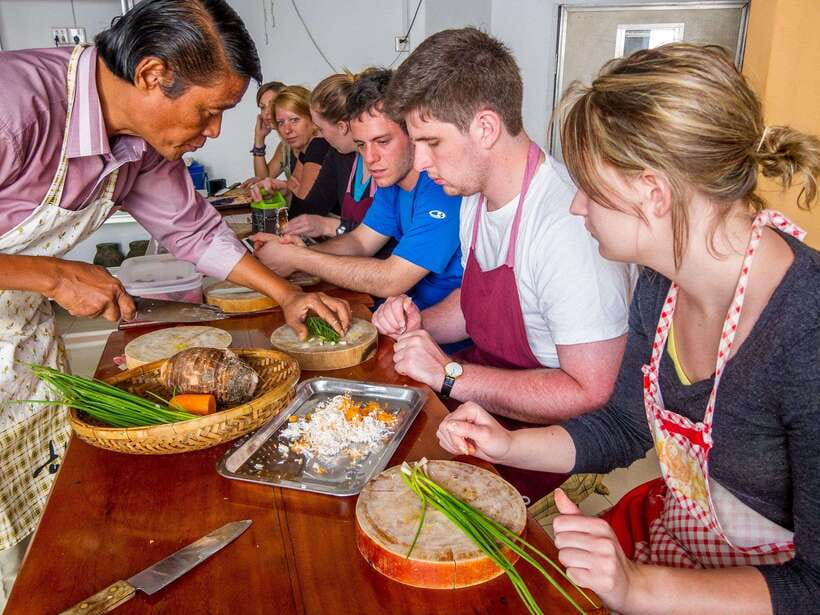
Then you arrive at the village cooking school space, often described as pleasant Khmer surroundings. You’ll typically get refreshing iced tea and a cold towel, which is a small detail that makes a big difference when you’ve already been walking in the heat.
The cooking itself is the heart of the morning. Your chef demonstrates the dishes you chose, and you work step-by-step. Multiple chefs are known to teach clearly, and the better ones keep things practical: you learn how to prep, what to watch while cooking, and how to adjust texture and taste as you go.
The tour also gives you a brochure with the day’s recipes. The recipes are designed for one serving unless otherwise stated, which is handy for home cooking. It means you can recreate the method without needing to scale math in your kitchen unless you want to.
When you finish, you taste what you cooked. That’s more than a payoff; it helps you connect the technique to the final flavor, so the recipe makes sense later when you’re not standing next to your chef.
What you cook: main dishes and dessert with Khmer focus
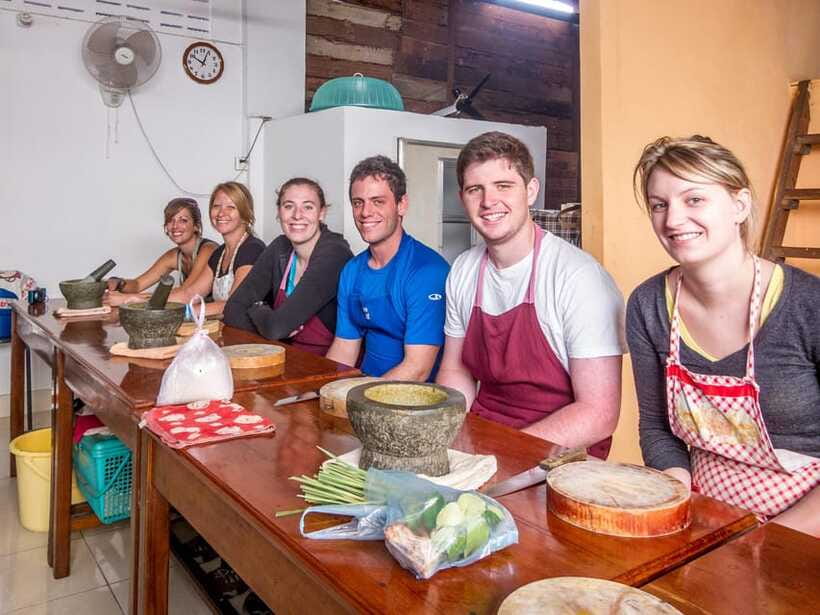
You’ll cook two main course dishes and one dessert. Before class, you generally choose the dishes you want, so you’re not stuck with a menu that isn’t your style.
Some dish examples from the experience include:
- curry soup
- fried vegetables with pork
- taro dessert
Even if the exact menu you choose differs, the structure is consistent. You’re learning Khmer flavors through a small set of dishes that show different cooking approaches—soups for depth, stir-fry or frying for texture, and dessert for balance.
Why this is good value: cooking one dish well is great, but cooking three different types gives you a broader set of skills. You’ll come away with a better feel for how ingredients behave, not just a single recipe you can only repeat once.
One more small but important detail: you’ll get guidance while you cook, but you still do the work. That’s how you’ll remember what to do when you’re back home and the kitchen isn’t set up for you.



Price and value: what $35 buys you (and what it doesn’t)
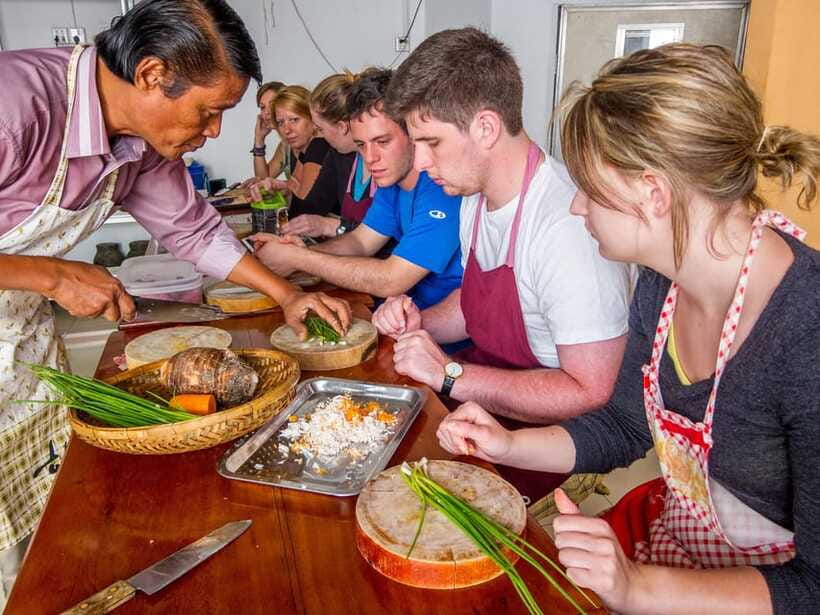
At $35 per person for about 5 hours, this is priced in a way that makes sense for a structured, guided day. You’re paying for more than a class: hotel pickup and drop-off, a market walk, ingredient sourcing, chef instruction, and the meal you make and eat.
The value gets even clearer when you compare it to doing the same thing yourself. Markets plus a farm plus a local cooking session would usually take multiple trips and more time planning. Here, the time is packaged, and the explanations are part of the cost.
What’s not included is personal spending. That’s normal, but it means you should budget only for anything you want to buy at the market beyond what’s used for cooking, if that applies to your day.
If you care about getting a real taste of Khmer food culture, this tends to be a smart buy. If you only want a quick meal with minimal effort, you might find it a bit more active than you planned—but for food lovers, it’s a strong deal.
Who this suits best
This experience fits best if you want a morning that mixes culture and technique. I’d especially recommend it for:
- couples or small groups who want a shared activity that ends in a meal
- people who like practical instructions and want recipes they can repeat
- travelers who enjoy markets and don’t mind walking
It’s not suitable for pregnant women, since it involves an active morning outdoors and in rural settings.
If you’re traveling with kids, the structure may work depending on age and stamina, but the tour is built around walking and cooking participation. Comfortable shoes and a sensible pace matter.
How to prepare: rain or sun, plus a little heat
This tour runs rain or shine, so plan like the sky is unpredictable. Wear breathable clothes for warm weather, and consider a light rain layer you can pack quickly if clouds move in.
Bring a camera or phone you can access easily during the market walk. You’ll be stopping for photos and looking closely at ingredients and vendors.
Also, if you have a sensitive stomach with unfamiliar foods, you’ll likely be fine because you’ll be cooking the meal yourself and following instructions. Still, go in with a calm mindset and you’ll get more out of the experience.
Should you book it?
Book this tour if you want the best version of a cooking class: ingredient sourcing, farm context, and hands-on Khmer cooking in one morning. The standout strengths are the market-and-farm grounding plus the fact that you cook, taste, and leave with a recipe brochure you can use later.
Skip it if you dislike outdoor time or you know you can’t handle rain. Also, it’s not suitable for pregnant women, so don’t plan around it.
If you’re on the fence, focus on this: for the price, you’re getting a guided food education you can feel, not just a one-time meal.
FAQ
How long is the Siem Reap morning cooking class and market tour?
It lasts about 5 hours.
What’s included in the price?
Your price includes hotel pickup and drop-off, a local chef, a local guide, the local market walking tour, 2 main course dishes, and 1 dessert. You also receive a brochure with the day’s recipes.
Do I get to choose what dishes to cook?
Yes. The cooking demonstration is based on the dishes chosen for the class, and you are guided step by step while preparing them.
What transportation is used during the tour?
You’re picked up from your hotel and then you travel by tuk tuk as you move between the market and the cooking location.
Does the tour run in bad weather?
Yes. It takes place rain or shine.
Is there hotel pickup?
Yes. Pickup is included. Plan to wait in the hotel lobby about 15 minutes before your scheduled pickup time.
Is the guide available in English, and is it suitable for everyone?
The live tour guide speaks English. The experience is not suitable for pregnant women.